
Table of Contents >> Show >> Hide
- What is “Alexandria’s Genesis,” exactly?
- Where did the myth come from (and why won’t it quit)?
- Eye color basics (the real “genesis”): melanin, anatomy, and a little physics
- Why Alexandria’s Genesis isn’t real (and what real conditions can do instead)
- 1) Heterochromia (different colors within one eye or between eyes)
- 2) Inflammation inside the eye (uveitis) can affect appearance and vision
- 3) Injury, bleeding, or foreign bodies
- 4) Certain conditions and syndromes associated with pigment differences
- 5) Medications that can darken the iris (yes, this is real)
- 6) Albinism and “red/violet” appearance in certain lighting
- “But I saw eye drops on TikTok that change eye color…”
- What about surgery or lasers to change eye color?
- When to see an eye doctor (a quick, sane checklist)
- Conclusion: Alexandria’s Genesis is fictionbut your eyes are not
- Experiences related to “Alexandria’s Genesis: Is it real?”
If you’ve ever fallen down a late-night internet rabbit hole (the kind that starts with “rare eye colors” and ends with “am I secretly immortal?”), you’ve probably met the legend of Alexandria’s Genesis. It’s the story of “perfect” humans with purple eyes, flawless health, and a body that basically runs on cheat codes.
Spoiler (but the responsible kind): Alexandria’s Genesis isn’t a real medical condition. Still, the myth is a clever mashup of real science (eye pigmentation, genetics, lighting) and very unreal claims (immunity to everything, no aging, and apparently a warranty that lasts 170 years). Let’s sort the fact from the fanfictionwithout ruining the fun, and without risking your actual eyeballs in the process.
This article synthesizes information commonly covered by U.S. eye-health and medical sources such as the American Academy of Ophthalmology, National Eye Institute (NIH), MedlinePlus (NIH), FDA labeling, Cleveland Clinic, UT Southwestern, and NOAH.
What is “Alexandria’s Genesis,” exactly?
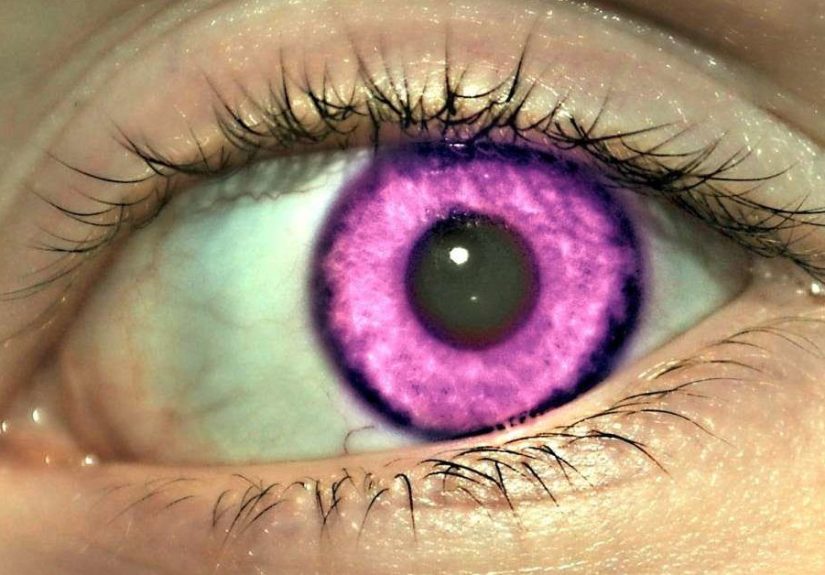
Alexandria’s Genesis (sometimes called “Alexandria Genesis syndrome”) is an internet myth that describes a rare genetic mutation producing violet or purple eyes along with a grab-bag of superhuman traits. In versions that circulate online, people with Alexandria’s Genesis are said to have:
- Eyes that are purple from birthor change from blue to purple in infancy
- “Perfect” skin and body proportions
- Minimal aging and a very long lifespan
- Near-perfect health and resistance to disease
- Other biological “upgrades” that sound impressive but don’t match human physiology
The myth is popular because it feels almost plausible: eye color can change in babies, lighting can make eyes look violet, and genetics can do some genuinely wild things. But Alexandria’s Genesis, as described online, doesn’t appear in medical literature, diagnostic systems, or credible clinical references as a real condition. In plain American terms: it’s not a diagnosisit’s a story.
Where did the myth come from (and why won’t it quit)?
The short version: the internet loves a glamorous “rare condition,” especially if it promises uniqueness without any downsides. Some eye-health writers have traced the legend to online fiction culture and early-2000s message-board life, where stories could spread, mutate, and pick up “testimonials” along the way. One reason it sticks around is that it’s endlessly shareable: it’s part mystery, part beauty trend, part “secret genetics,” and part “maybe I’m special.”
The longer version: the myth borrows recognizable pieces of realitylike how infant eye color can shift, how melanin affects iris color, and how some medical conditions can change an eye’s appearanceand then turns the dial way past “science” into “superhero origin story.” Humans are pattern-finders. The internet is a pattern-finder with Wi-Fi and no bedtime.
Eye color basics (the real “genesis”): melanin, anatomy, and a little physics
Eye color is mostly about melanin in the iris
Eye color comes from the iristhe colored ring of tissue that controls how much light enters the eye. The key pigment here is melanin. Generally speaking, more melanin means darker eyes (like brown), and less melanin means lighter eyes (like blue or gray). Genetics plays a major role, but it’s not a single “blue vs. brown” switch; multiple genes influence pigmentation and distribution.
Babies can appear to “change eye color” as their eyes develop and pigment levels stabilize. That’s normal biology, not a sign of a secret lineage.
So… can eyes be naturally purple?
Here’s where the myth gets its sparkle: some eyes can appear violet under certain conditions. But “true, stable, naturally purple” human irises are extraordinarily rare and not tied to a magical syndrome.
A few real-world explanations for “violet-looking” eyes include:
- Very light irises + lighting: Blue eyes can look more purple in certain lighting, with certain clothing colors, or in photographs.
- Albinism-related pigment reduction: In some cases, reduced iris pigment can make eyes look reddish or violet in specific lighting because underlying structures and blood vessels affect how light reflects.
- Camera/filters: Phone cameras, beauty filters, and color grading can “upgrade” a blue iris into a fantasy shade in two taps. (The internet’s most powerful gene is the “Saturation” slider.)
In other words: “purple eyes” are usually a matter of perception, not a newly discovered branch of humanity.
Why Alexandria’s Genesis isn’t real (and what real conditions can do instead)
If someone claims Alexandria’s Genesis is a medical diagnosis, here’s the core issue: the syndrome’s hallmark traits aren’t supported by medical evidence, and the “symptom list” reads like a wish list rather than a clinical description.
That said, eye color and iris appearance can changeand when it happens outside normal infancy development, it’s something to take seriously. Real causes range from harmless to urgent. Let’s break down the most commonly cited, medically recognized explanations.
1) Heterochromia (different colors within one eye or between eyes)
Heterochromia describes eyes that are different colors (one iris differs from the other) or an iris that has multiple colors. Many cases are benign and genetic. But heterochromia can also be associated with underlying conditions, injury, or certain medicationsso an eye exam is the smart move if it’s new or changing.
- Complete heterochromia: each eye is a different color
- Sectoral (partial) heterochromia: one iris has a “slice” of different color
- Central heterochromia: a ring of different color near the pupil
The key takeaway: heterochromia is real, but it doesn’t come with immortality benefits. It comes with “cool eye trivia” and, sometimes, a reason to check your eye health.
2) Inflammation inside the eye (uveitis) can affect appearance and vision
Uveitis is inflammation inside the eye and can cause pain, redness, light sensitivity, floaters, blurry vision, and even vision loss if untreated. Some forms and related syndromes can be associated with changes in iris appearance. If you have symptoms, the advice is not “wait and see.” It’s “call an eye doctor.”
3) Injury, bleeding, or foreign bodies
Trauma can change how an iris looks or how light reflects in the eye. Bleeding in the eye, scarring, or subtle structural changes can alter appearance. These are not cosmetic curiosities; they’re medical events.
4) Certain conditions and syndromes associated with pigment differences
Some inherited or developmental syndromes can include pigment variation in the eyes, hair, or skin (for example, some causes of very light irises or mixed pigmentation). That’s real geneticscomplicated, medically grounded, and not selectively edited for “no aging” perks.
5) Medications that can darken the iris (yes, this is real)
Here’s a genuine “eye color can change” scenario: some prostaglandin analog glaucoma medications (like latanoprost) are known to increase iris pigmentation over timeoften making eyes look darker or more brown. FDA labeling for latanoprost includes warnings about increased pigmentation of the iris and surrounding tissues, and notes that iris color change may be permanent.
That’s not Alexandria’s Genesis. That’s pharmacologyand it comes with a prescription and medical monitoring for a reason.
6) Albinism and “red/violet” appearance in certain lighting
Albinism involves reduced melanin production and can affect skin, hair, and eyes. Some people with very light irises may appear to have reddish or violet-looking eyes in specific lighting conditions because light interacts differently when iris pigment is minimal. Importantly, albinism is associated with vision issues and light sensitivity; it’s not a cosmetic upgrade.
“But I saw eye drops on TikTok that change eye color…”
Social media has introduced a new character to this story: the “color-changing” eye drop ad. Here’s the reality check: reputable U.S. clinicians have repeatedly warned that there’s no credible science behind over-the-counter drops that promise to safely lighten or transform your iris color.
Why “changing iris pigment safely” is a huge claim
To permanently change eye color, you’d have to alter pigment in the iris. Physicians point out that removing or destroying pigment is not something you do casuallyit can cause inflammation and damage, and released pigment could potentially affect drainage structures in the eye, raising pressure and increasing glaucoma risk. Translation: the “simple beauty hack” story doesn’t match eye anatomy.
What’s the safe option if you want violet eyes for fun?
The boring answer (which is also the best answer): properly fitted, prescription colored contact lenses. Even then, avoid novelty “costume contacts” from random sellers; poorly made or ill-fitting lenses can scratch the cornea or lead to infection.
What about surgery or lasers to change eye color?
If you’re thinking, “Okay, I’ll skip the sketchy drops and go full sci-fi surgery,” here’s the hard truth: cosmetic eye color change procedures can carry serious risks, including inflammation, glaucoma, corneal damage, cataracts, infection, and even vision loss. Interest may be rising, but your eyeballs are not a good place to “try the trend first and read the warnings later.”
Common approaches you’ll hear about
- Iris implants: placing an artificial iris over the natural iris (high risk when done for cosmetic reasons)
- Laser depigmentation: attempting to reduce iris melanin to reveal a lighter look
- Corneal tattooing / keratopigmentation: placing pigment in the cornea to change the apparent color
The medical literature and clinician guidance emphasize that “cosmetic eye color change” is not the same category as, say, getting highlights. It’s closer to “changing your car’s engine because you liked the sound in a video.” It might work. Or it might stop your whole life in the fast lane.
When to see an eye doctor (a quick, sane checklist)
Eye color myths are fun until real symptoms show up. Make an appointmentpromptlyif you notice:
- Sudden change in one eye’s color (or new heterochromia)
- Eye pain, redness, light sensitivity, floaters, or blurry vision
- History of trauma with a new change in appearance
- New changes after starting prescription eye drops
Many causes are harmless, but some are not. The point of an exam is not to kill your vibe; it’s to protect your vision.
Conclusion: Alexandria’s Genesis is fictionbut your eyes are not
Alexandria’s Genesis isn’t real. It’s an internet legend that combines a visually striking idea (purple eyes) with a fantasy set of traits that don’t match medical reality. However, eye color can appear to change due to lighting, pigmentation differences, albinism-related factors, medications, or medical conditions like inflammation. Those real explanations are less magicalbut far more important.
If you want violet eyes for a cosplay, a photo shoot, or a “main character moment,” go with safe, prescribed colored contacts. If your eye color changes unexpectedly, treat it like what it is: a reason to get checked. The goal isn’t to become a myth. The goal is to keep seeing the memes.
Experiences related to “Alexandria’s Genesis: Is it real?”
The Alexandria’s Genesis myth survives because it hooks into something very human: we all want a story that explains why we feel differentand we’d prefer that story come with a flattering filter. In real life, people’s experiences around “purple eyes” tend to fall into a few recognizable categories, and they’re surprisingly relatable.
1) The “lighting miracle” moment. Someone takes a selfie near a window at golden hour. Their eyesnormally blue or graycatch the light, and suddenly there’s a violet tint. Cue the group chat: “Wait… are my eyes turning purple?” This is where the myth often sneaks in, because the visual effect feels like proof. The experience is real, but the explanation is mundane: camera sensors, color balance, shadows, and reflective surfaces can exaggerate tones that aren’t obvious in flat indoor lighting. It’s not that your iris changed overnight; it’s that your phone became an enthusiastic storyteller.
2) The “I saw it on TikTok” rabbit hole. Another common experience is the algorithmic spiral: one video about rare eye colors becomes five, then ten, then a “doctor reacts” clip, then a product ad for drops that promise to lighten your eyes. People report feeling torn between curiosity and skepticismbecause the marketing language sounds scientific (“melanin adjustment,” “natural complex,” “clinically inspired”) even when the product isn’t backed by credible evidence. This is where a lot of folks have an “oh wow” moment: the eye isn’t like hair dye. You can’t just repaint the iris without consequences. And when reputable eye doctors explain what would actually be required to change iris pigment, many people realize the safest choice is also the simplest: don’t experiment on the one organ you use to read warning labels.
3) The “this is actually medical” wake-up call. Some people stumble into the topic because they notice a real change: one iris looks darker, a new ring appears, or a patch of pigment seems to shift. The emotional experience is often anxiety first, Google second, and an appointment third (ideally sooner, not later). For many, the relief comes from learning that benign heterochromia exists and that pigmentation differences can be harmless. For others, the “experience” is a reminder that symptoms like pain, redness, light sensitivity, floaters, or blurred vision should never be ignored. The myth of Alexandria’s Genesis can delay action if someone assumes “rare and cool” instead of “new and worth checking.” In that sense, the most important experience is the decision to take a change seriously, even if it turns out to be nothing.
4) The “aesthetic but safe” path. Finally, there’s the practical crowd: people who want the look without the risk. Their experience is less dramatic, but more successful. They talk to an eye-care professional, get fitted for colored contacts, learn proper lens hygiene, and enjoy violet eyes for a weekendthen go back to their natural color on Monday like it’s a wardrobe choice. It’s not as mythical, but it’s the only version that doesn’t come with a side quest called “Why is my eye on fire?”
If there’s a real lesson in these experiences, it’s this: the internet loves a legend, but your eyes love boring safety. You can enjoy the story of Alexandria’s Genesis as fiction, appreciate how light and biology can create stunning effects, and still choose the option that protects your vision. That’s not less magical. That’s just grown-up magicalso known as making it to the end of the day without an emergency eye appointment.






 Close
Close