
Table of Contents >> Show >> Hide
- What Is an Aldosterone Test?
- Why Is an Aldosterone Test Ordered?
- Types of Aldosterone Testing
- How to Prepare for an Aldosterone Test
- What Happens During the Procedure?
- How Are Aldosterone Test Results Interpreted?
- What Happens After an Abnormal Aldosterone Test?
- Common Patient Experiences With an Aldosterone Test
- Conclusion
If you have stubborn high blood pressure, low potassium, dizzy spells when standing up, or a doctor who keeps saying, “Let’s check one more hormone,” the aldosterone test may enter the chat. It is not the flashiest lab test in medicine, but it is one of the more useful ones when doctors suspect your body’s salt-and-water control system is acting like an overcaffeinated intern.
An aldosterone test helps evaluate how well your adrenal glands are regulating blood pressure, sodium, potassium, and fluid balance. In many cases, it is paired with a renin test to calculate the aldosterone-renin ratio, often called the ARR. That combination can help uncover primary aldosteronism, a common but still underdiagnosed cause of secondary hypertension. Translation: sometimes high blood pressure is not just “regular high blood pressure.” Sometimes your hormones are quietly stirring the pot.
This guide explains what an aldosterone test is, why doctors order it, how the procedure works, how to prepare, and what the results may mean.
What Is an Aldosterone Test?
An aldosterone test measures the amount of aldosterone in your blood or urine. Aldosterone is a hormone made by the adrenal glands, which sit on top of your kidneys. Its main job is to help control how much sodium your body keeps and how much potassium it gets rid of. Since sodium helps regulate fluid volume, aldosterone also plays a major role in blood pressure.
When aldosterone rises, your kidneys hold on to more sodium and water while excreting more potassium. That can push blood pressure upward. When aldosterone is too low, the opposite may happen: sodium can drop, potassium can rise, and blood pressure can fall. In other words, aldosterone is one of the body’s quieter power players. It does not demand the spotlight, but it definitely changes the ending.
Why Is an Aldosterone Test Ordered?
Doctors usually order an aldosterone test when symptoms, lab work, or blood pressure patterns suggest a hormone-driven problem rather than routine hypertension. The most common reason is to evaluate for primary aldosteronism, also called Conn’s syndrome, a condition in which the adrenal glands make too much aldosterone.
Common reasons for testing include:
High blood pressure that is hard to control is a major trigger for testing, especially when a person needs several medications and still is not reaching goal numbers. The test is also commonly ordered when someone has high blood pressure plus low potassium, high sodium, muscle weakness, fatigue, frequent urination, headaches, or heart rhythm symptoms.
Doctors may also use aldosterone testing to investigate low blood pressure, especially if it happens when standing up, or to look into abnormal sodium and potassium results on a basic metabolic panel. In some cases, the test becomes part of the workup after an adrenal nodule is found on imaging done for another reason. That is medicine’s version of finding a suspicious extra tab open and deciding you should probably click it.
Newer endocrine guidance has also expanded interest in screening because primary aldosteronism appears more common than many people realize. Not everyone with the condition has low potassium, which means it can hide in plain sight.
Types of Aldosterone Testing
1. Aldosterone blood test
This is the most common format. A sample of blood is drawn from a vein in your arm and sent to the lab for analysis. Depending on the lab protocol, the sample may be taken after you have been sitting, standing, or lying down for a specific period. That posture detail is not medical drama for the sake of drama. Aldosterone levels really do change depending on body position and time of day.
2. Aldosterone-renin ratio (ARR)
This is often the most informative initial screening test for primary aldosteronism. It measures aldosterone and renin together and compares the two values. A high aldosterone level with a suppressed renin level can strongly suggest autonomous aldosterone production. Because methods differ from one lab to another, the exact cutoff is not universal. Clinicians do not rely on one magic number alone; they interpret the ratio alongside the aldosterone concentration, potassium level, medications, and clinical picture.
3. 24-hour urine aldosterone test
This test measures how much aldosterone is excreted in your urine over a full day. It is sometimes used when doctors want a broader look at aldosterone production or as part of confirmatory testing after an abnormal blood result. It requires collecting all urine over 24 hours, which is not glamorous, but it can be very helpful.
How to Prepare for an Aldosterone Test
Preparation matters a lot. Aldosterone testing is one of those labs where the numbers can be accurate and still misleading if the setup is off. Medications, body position, salt intake, potassium levels, stress, and even black licorice can skew results.
Medication review
Your doctor may ask you to stop or switch certain medications before testing. Common interferers include diuretics, ACE inhibitors, ARBs, beta-blockers, NSAIDs, heart medications, and mineralocorticoid receptor blockers such as spironolactone or eplerenone. Do not stop any prescription medication on your own. The right approach depends on your safety, blood pressure control, and the exact question your doctor is trying to answer.
Salt and potassium intake
Some tests require you to avoid restricting sodium beforehand because low salt intake can falsely raise aldosterone and change the renin response. Your provider may ask you to keep your usual diet or follow a specific sodium target for several days. Potassium matters too. Low potassium can make aldosterone look lower than it really is, so clinicians often check and correct potassium before or during the workup.
Timing and posture
Many laboratories prefer a morning blood draw. Some recommend that you be up and moving for at least a couple of hours and then seated quietly for about 5 to 15 minutes before the sample is taken. Other protocols use recumbent or paired posture testing. That means “show up and wing it” is not the winning strategy here. Follow the lab instructions exactly.
Other factors to know
Pregnancy, intense exercise, stress, caffeine during urine collection, and natural black licorice may affect results. If you are pregnant or think you might be, tell your clinician and the lab. And yes, black licorice makes a surprising cameo in endocrine medicine more often than anyone asked for.
What Happens During the Procedure?
Blood test procedure
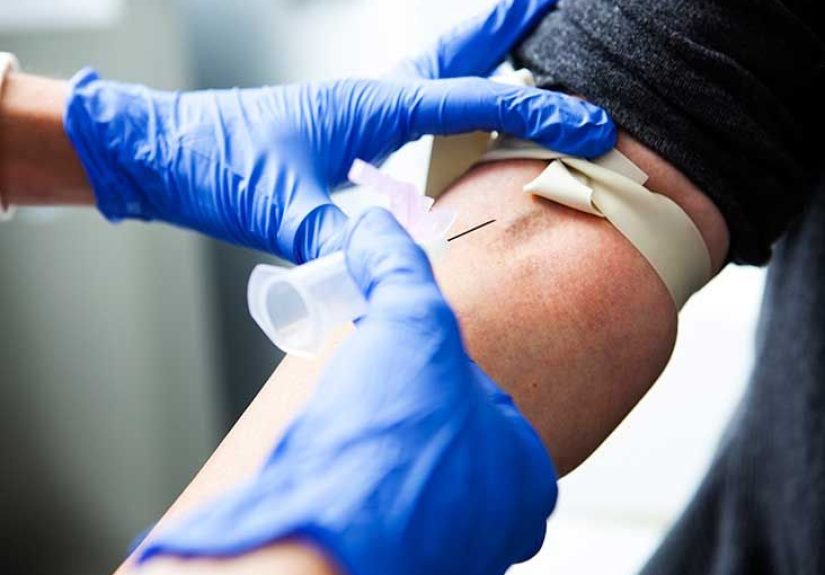
An aldosterone blood test is straightforward. A healthcare professional places a needle into a vein in your arm and collects a small blood sample. The actual draw usually takes only a few minutes. You might feel a quick sting or pinch, followed by minor soreness or bruising afterward.
Some people will have aldosterone and renin measured at the same time. In certain evaluation pathways, blood may be drawn before and after a saline infusion or another confirmatory step, depending on what your doctor is trying to determine.
24-hour urine collection
For a urine test, you will collect all urine over a 24-hour period in a provided container. Usually, you start by urinating and discarding that first sample, then you collect every sample after that for the next 24 hours, including the final one at the same time the next day. The lab or clinic will give exact instructions for storage, timing, and transport.
This part requires attention to detail. Missing a collection can make the results less reliable. The container is not exactly a lifestyle accessory, but accuracy matters more than elegance.
How Are Aldosterone Test Results Interpreted?
This is where things get interesting. An aldosterone result is rarely interpreted in isolation. Doctors typically look at aldosterone alongside renin, potassium, sodium, blood pressure history, medications, and sometimes imaging studies or confirmatory testing.
High aldosterone with low renin
This pattern raises concern for primary aldosteronism. In this condition, the adrenal gland is making aldosterone even when the body is not asking for it. That can happen because of a benign aldosterone-producing adenoma or because both adrenal glands are overactive. If the aldosterone-renin ratio is elevated and the clinical picture fits, your doctor may order confirmatory testing such as saline infusion, oral salt loading, captopril challenge, or fludrocortisone suppression.
High aldosterone with high renin
This can suggest secondary hyperaldosteronism, in which the adrenal glands are responding to a strong renin signal rather than acting independently. Causes may include reduced blood flow to the kidneys, dehydration, heart failure, liver disease, or other conditions affecting fluid balance. In that situation, the test result points to a bigger story rather than providing the final chapter.
Low aldosterone
Low aldosterone may be seen in forms of hypoaldosteronism or adrenal insufficiency and may occur with high potassium, low sodium, fatigue, weakness, low blood pressure, or dizziness. However, low levels also need careful interpretation because medications, kidney disease, and testing conditions can affect the result.
What counts as “normal”?
There is no single universal normal value. Reference ranges vary by lab method, posture, timing, age, and whether the sample is blood or urine. Some adult reference materials list serum aldosterone in the rough neighborhood of 3.1 to 35.4 ng/dL and 24-hour urine aldosterone around 3 to 25 mcg per 24 hours, but your laboratory’s range is the one that matters most. For screening, some clinicians investigate further when the ARR is around 20 or 30 or higher with an inappropriately elevated aldosterone level, but again, assay-specific interpretation is essential.
What Happens After an Abnormal Aldosterone Test?
If your results are abnormal, the next step depends on the pattern. An abnormal screen does not automatically equal a diagnosis. Your doctor may repeat the test if medications, posture, sodium intake, or low potassium could have distorted the result. If the screen still looks suspicious, confirmatory testing often follows.
When primary aldosteronism is confirmed, imaging such as a CT scan may be used to look at the adrenal glands. Some people then need adrenal venous sampling, a specialized procedure that compares hormone production from the left and right adrenal veins. This helps determine whether one adrenal gland is overproducing aldosterone or whether both are involved. That distinction matters because treatment can differ dramatically.
If one gland is the culprit, surgery may be considered. If both glands are overactive, medication such as spironolactone or eplerenone is often used. Either way, the goal is not just better numbers on a lab report. It is better blood pressure control, better potassium balance, and lower long-term cardiovascular risk.
Common Patient Experiences With an Aldosterone Test
For many people, the aldosterone test begins not with a hormone problem they can feel, but with a frustrating pattern they cannot ignore. Maybe their blood pressure stays high despite two or three medications. Maybe potassium keeps showing up low on routine labs. Maybe they feel tired, crampy, thirsty, or oddly wiped out and are told, “Your electrolytes are off again.” The test often arrives after weeks, months, or even years of hearing that the symptoms are vague, stress-related, or “probably just your blood pressure.” When the aldosterone workup finally starts, patients often feel equal parts relieved and annoyed. Relieved because someone is investigating. Annoyed because they wish somebody had checked sooner.
The preparation phase is where many patients first realize this is not a basic lab test. They may need to review medications carefully, ask whether their blood pressure pills should be changed, and keep track of sodium intake without accidentally becoming a human pretzel. Some are surprised to learn that posture matters, that a morning draw is preferred, or that low potassium itself can affect the result. Others discover that the simple act of “getting labs done” turns into planning, timing, and a phone call or two. It is manageable, but it is not exactly the medical equivalent of grabbing a coffee on the way to work.
The blood test itself is usually easy. Most people describe it as no worse than standard lab work. The trickier part is often the waiting and wondering: Was I seated long enough? Did that medication throw things off? Did I eat too much or too little salt? Was I supposed to be more relaxed than a person getting hormone labs can realistically be? These questions are common because aldosterone and renin are sensitive measurements, and patients can feel like the stakes are strangely high for such a small tube of blood.
The 24-hour urine collection gets even more honest reviews. People often say it is less painful than inconvenient. It can make errands awkward, commuting annoying, and privacy slightly theoretical. Still, many patients are willing to deal with one mildly ridiculous day if it helps explain years of difficult blood pressure or unexplained low potassium.
When results come back, the emotional experience varies. Some patients feel validated if the test shows a real hormonal driver behind their symptoms. Others feel confused when the result is borderline or when the doctor says the test needs to be repeated because medications or potassium may have interfered. That can be frustrating, but repeat testing is common and often necessary. An aldosterone result is not a pop quiz; it is part of a larger endocrine puzzle.
The most meaningful experience many patients report comes later, after diagnosis and treatment. People with confirmed primary aldosteronism often describe better blood pressure control, fewer potassium swings, less fatigue, and a stronger sense that the problem finally makes sense. In short, the aldosterone test may seem small on paper, but for the right patient, it can completely change the story.
Conclusion
An aldosterone test is a valuable tool for evaluating blood pressure problems, electrolyte imbalances, and possible adrenal disorders. It can be done as a blood test, a 24-hour urine test, or as part of an aldosterone-renin ratio. The procedure itself is usually simple, but preparation is important because medications, sodium intake, posture, and potassium levels can all affect the result.
The biggest takeaway is this: the test is most powerful when interpreted in context. A number by itself is rarely enough. But when aldosterone, renin, clinical symptoms, and follow-up testing line up, this workup can uncover treatable causes of hypertension that might otherwise be missed. That makes the aldosterone test one of those rare medical investigations that is both nerdy and genuinely useful, which is honestly a pretty good combination.







 Close
Close