
Table of Contents >> Show >> Hide
- What Does “Biological Age” Actually Mean?
- The Big Question: Can a Vegan Diet Really Make You Biologically Younger?
- Why a Healthy Vegan Diet May Support Slower Aging
- Not All Vegan Diets Are Equal
- Nutrients You Must Plan on a Vegan Diet
- How to Build a Vegan Plate for Healthy Aging
- What the Science Does Not Say
- Who Should Be Extra Careful?
- Real-Life Experiences: What People Often Notice When Trying a Vegan Diet
- Conclusion: Vegan Eating May Help Your Body Age Better, But Quality Matters
There are two ages following you around. One is the age on your birthday cake, which is easy to count and occasionally rude. The other is your biological age, a more complicated snapshot of how your body may be aging on the inside. Scientists study it through markers tied to inflammation, metabolism, heart health, insulin sensitivity, and even chemical tags on DNA. Recently, one eating pattern has been getting extra attention in this conversation: the vegan diet.
Does that mean a bowl of lentil soup can hand you the keys to eternal youth? Not exactly. But research suggests that a well-planned vegan diet, especially one built around whole plant foods, may improve several health markers linked to slower aging. The keyword is well-planned. A vegan diet made of beans, greens, whole grains, tofu, berries, nuts, and seeds is a very different creature from one built on fries, soda, and cookies that technically contain no animal products. The first may help your body run like a clean machine. The second is just a snack drawer wearing a plant-based costume.
What Does “Biological Age” Actually Mean?
Chronological age is the number of years you have lived. Biological age is an estimate of how old your cells, tissues, and systems appear based on measurable signs. Researchers may look at blood sugar control, cholesterol, blood pressure, inflammation, immune function, body composition, and newer tools such as epigenetic clocks.
Epigenetic clocks examine patterns of DNA methylation, which are chemical marks that influence how genes behave without changing the DNA code itself. Think of DNA as the cookbook and methylation as sticky notes in the margins saying, “Use this recipe often,” or “Maybe not today, chief.” These patterns tend to change with age and can be influenced by lifestyle, stress, sleep, exercise, smoking, and diet.
Biological age tests are still evolving. They are not crystal balls, and they cannot tell you exactly how many years you will live. However, they are useful for studying whether certain habits are associated with healthier aging. That is where plant-based eating has entered the spotlight.
The Big Question: Can a Vegan Diet Really Make You Biologically Younger?
The most interesting recent evidence comes from research involving identical twins. Twin studies are powerful because genetics are closely matched, making it easier to study the effect of lifestyle changes. In one Stanford-led trial, 22 pairs of healthy adult identical twins were assigned to either a healthy vegan diet or a healthy omnivorous diet for eight weeks. Both diets emphasized vegetables, fruits, legumes, whole grains, nuts, and limited added sugars and refined grains. In other words, nobody was told to survive on cupcakes and vibes.
The vegan group showed improvements in several cardiometabolic markers, including lower LDL cholesterol, improved fasting insulin, and greater weight loss compared with the omnivorous group. These markers matter because heart disease, insulin resistance, and excess visceral fat are strongly connected to aging-related disease risk.
A follow-up epigenetic analysis of the same twin nutrition study found that participants eating the vegan diet had reductions in some estimates of epigenetic age after eight weeks. The effects were observed in overall biological age markers and in some system-specific markers related to the heart, hormones, liver, inflammation, and metabolism. That sounds impressive, and it is exciting, but it should be read carefully. The study was small, short, and involved a healthy version of a vegan diet. It does not prove that vegan eating permanently reverses aging. It suggests that changing diet quality can rapidly affect measurable aging-related signals.
Why a Healthy Vegan Diet May Support Slower Aging
1. More Fiber Means Happier Metabolism
Whole plant foods are naturally rich in fiber. Beans, lentils, oats, berries, vegetables, chia seeds, and whole grains all bring fiber to the table like responsible adults. Fiber helps support regular digestion, feeds beneficial gut bacteria, improves fullness, and can help support healthier cholesterol and blood sugar patterns.
Gut bacteria ferment certain fibers into short-chain fatty acids, which may support the gut lining and influence inflammation. Since chronic low-grade inflammation is tied to many aging-related conditions, a fiber-rich diet may be one way to help the body cool down its internal “alarm system.”
2. Lower Saturated Fat Can Benefit Heart Health
Many vegan diets are lower in saturated fat because they remove meat, butter, cheese, and full-fat dairy. A heart-supportive vegan diet replaces those foods with beans, tofu, tempeh, lentils, nuts, seeds, olive oil, avocado, and whole grains. This shift can help improve LDL cholesterol, often called “bad” cholesterol because high levels are linked to artery plaque buildup.
Cardiovascular health is one of the clearest areas where plant-forward eating shines. Your arteries may not send thank-you cards, but they tend to appreciate meals that contain more plants and fewer heavily processed, high-saturated-fat foods.
3. Plant Foods Bring Antioxidants and Phytochemicals
Fruits, vegetables, herbs, spices, legumes, tea, cocoa, and colorful plant foods contain antioxidants and phytochemicals. These compounds help protect cells from oxidative stress, a process involved in aging and chronic disease. Blueberries, spinach, kale, tomatoes, oranges, carrots, black beans, and red cabbage are not just pretty on a plate. They are carrying tiny biochemical toolkits.
A practical rule is simple: eat the rainbow, but not the candy rainbow. Aim for different colors across the week. Purple cabbage, orange sweet potatoes, green broccoli, red peppers, brown lentils, and white onions all contribute different nutrients.
4. Better Insulin Sensitivity May Protect Long-Term Health
Insulin is the hormone that helps move glucose from the bloodstream into cells. When the body becomes less responsive to insulin, blood sugar regulation suffers. Over time, poor insulin sensitivity is linked to type 2 diabetes, fatty liver disease, cardiovascular problems, and accelerated aging markers.
A healthy vegan diet can improve insulin sensitivity when it emphasizes whole foods and avoids excessive refined carbohydrates. The best vegan plate is not a mountain of white pasta with a lonely basil leaf on top. A better version includes beans or tofu, vegetables, whole grains, and healthy fats.
5. Weight Management May Improve Without Counting Every Crumb
Many whole plant foods are high in water and fiber, which can make meals filling without being extremely calorie-dense. A bowl with lentils, quinoa, roasted vegetables, greens, salsa, and tahini can be satisfying while also supporting a healthy energy balance.
That said, the goal should not be extreme restriction. Aging well is not about eating like a frightened rabbit. It is about nourishing the body consistently. Nuts, seeds, avocado, soy foods, and whole grains are valuable parts of a balanced vegan diet, even though they contain calories. Health is not a contest to build the saddest salad.
Not All Vegan Diets Are Equal
A vegan label only tells you what is excluded: meat, poultry, fish, dairy, eggs, and other animal-derived foods. It does not automatically tell you what is included. A person could technically eat a vegan diet made mostly of sugary cereal, chips, frozen desserts, and refined breads. That pattern is unlikely to support healthy aging.
The version most associated with better health is a whole-food, plant-forward vegan diet. It focuses on vegetables, fruits, beans, peas, lentils, soy foods, nuts, seeds, herbs, spices, and whole grains. It limits added sugar, refined grains, deep-fried foods, and ultra-processed products. Vegan burgers and dairy-free ice cream can fit occasionally, but they should not become the entire personality of the diet.
Nutrients You Must Plan on a Vegan Diet
A vegan diet can be nutrient-rich, but it requires planning. The biggest mistake is simply removing animal foods without replacing the nutrients they provided. That is like quitting your job and forgetting rent exists.
Vitamin B12
Vitamin B12 is essential for nerve function, red blood cell formation, and DNA production. It is naturally found in animal foods, so vegans generally need reliable fortified foods or a supplement. This is not optional wellness glitter. It is basic nutrition.
Protein
Protein needs can be met with lentils, beans, tofu, tempeh, edamame, soy milk, seitan, chickpeas, quinoa, nuts, seeds, and pea protein foods. Eating a variety of plant proteins across the day helps provide essential amino acids.
Omega-3 Fats
Flaxseed, chia seeds, hemp seeds, walnuts, and canola oil provide ALA, a plant omega-3 fat. Some people may consider algae-based DHA and EPA, especially if they do not eat fish. Omega-3 fats are important for heart, brain, and eye health.
Iron and Zinc
Beans, lentils, tofu, pumpkin seeds, quinoa, oats, and fortified cereals can provide iron and zinc. Pairing iron-rich plant foods with vitamin C sources such as citrus, bell peppers, strawberries, or tomatoes can improve iron absorption.
Calcium and Vitamin D
Calcium-set tofu, fortified plant milks, fortified orange juice, kale, bok choy, tahini, and almonds can help support calcium intake. Vitamin D may require fortified foods, sunlight exposure, or supplementation depending on the person, location, season, and medical advice.
Iodine
Iodine supports thyroid function. Vegans may get iodine from iodized salt or carefully chosen supplements. Seaweed can contain iodine, but amounts vary widely, so it is not always a predictable daily source.
How to Build a Vegan Plate for Healthy Aging
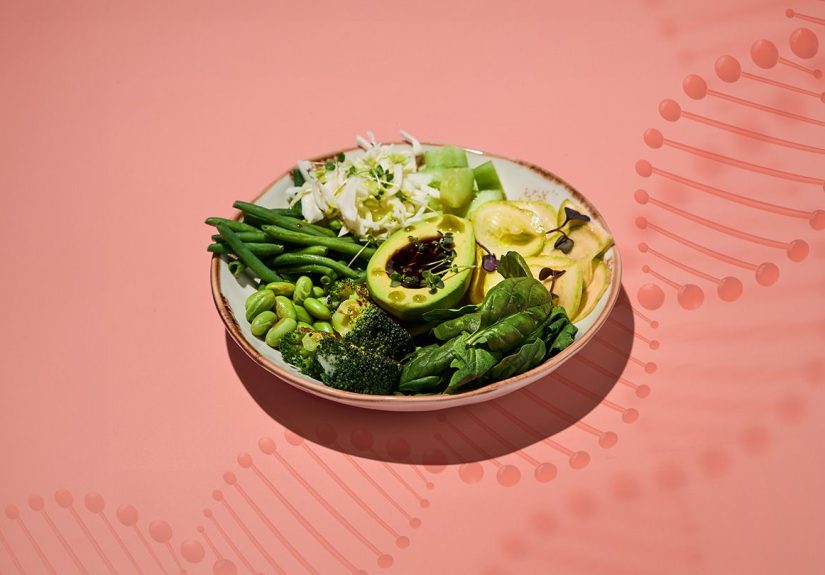
A simple formula works better than complicated food math. Start with half a plate of vegetables and fruit, one quarter plant protein, and one quarter whole grains or starchy vegetables. Add a small serving of healthy fat and season generously with herbs, spices, vinegar, citrus, garlic, or ginger.
For breakfast, try oatmeal with berries, ground flaxseed, walnuts, and fortified soy milk. For lunch, build a chickpea salad bowl with quinoa, cucumbers, tomatoes, greens, olives, and lemon-tahini dressing. For dinner, make tofu stir-fry with broccoli, mushrooms, brown rice, sesame seeds, and a ginger-garlic sauce. Snacks can include fruit with peanut butter, hummus with vegetables, roasted edamame, or soy yogurt with chia seeds.
The goal is not perfection. The goal is repetition. A few reliable meals repeated often can do more for health than one heroic salad followed by six days of nutritional chaos.
What the Science Does Not Say
The evidence does not say that everyone must become vegan to age well. Many healthy dietary patterns, including Mediterranean-style and plant-forward diets, are linked with better long-term health. The common theme is not dietary purity. It is more whole plant foods, more fiber, fewer ultra-processed foods, less added sugar, and healthier fat choices.
The evidence also does not say that biological age will drop for every person who tries vegan eating. Genetics, sleep, exercise, stress, medications, health conditions, smoking, alcohol use, and overall calorie intake all matter. Diet is a major lever, but it is not the only lever. Aging is a whole orchestra, not a kazoo solo.
Who Should Be Extra Careful?
People who are pregnant, breastfeeding, managing eating disorders, living with chronic disease, taking medications, or feeding children should seek guidance from a qualified healthcare professional or registered dietitian before making major dietary changes. Older adults may also need extra attention to protein, vitamin B12, vitamin D, calcium, and overall calorie intake.
A vegan diet should feel supportive, not stressful. If someone becomes anxious, overly restrictive, or afraid of food, the plan needs adjusting. Healthy aging should make life bigger, not smaller.
Real-Life Experiences: What People Often Notice When Trying a Vegan Diet
Many people who try a healthy vegan diet for the first time expect dramatic fireworks. Sometimes the changes are quieter. The first week is often less about glowing skin and more about realizing how many meals used to depend on cheese. Breakfast may be easy: oatmeal, smoothies, toast, fruit, peanut butter. Lunch can be manageable with grain bowls, soups, burritos, or leftovers. Dinner is where the learning curve appears, usually around 6:17 p.m., when hunger starts making legal arguments.
One common experience is fuller meals. A plate of beans, vegetables, potatoes, and avocado can feel surprisingly satisfying because fiber adds volume. People who previously ate low-fiber diets may also notice digestive changes. Translation: your gut may hold a staff meeting. Increasing fiber gradually, drinking enough water, and using cooked vegetables at first can make the transition smoother.
Another experience is the “protein panic,” where people worry every meal must include a bodybuilder-sized tofu brick. In reality, protein becomes easier once the staples are familiar. Lentil soup, tofu scramble, tempeh tacos, chickpea pasta, black bean chili, soy milk, edamame, and hummus all help. The trick is to include a protein source at most meals instead of hoping lettuce will suddenly become muscular.
People also report that grocery shopping changes. The cart becomes heavier with produce, beans, oats, rice, potatoes, frozen vegetables, nuts, seeds, and spices. The pantry becomes more important. A well-stocked vegan kitchen can turn “nothing to eat” into chickpea curry in 20 minutes. Without pantry planning, dinner may become crackers and existential reflection.
Social situations can be the hardest part. Restaurants, family dinners, school events, travel, and holidays require flexibility. Checking menus ahead, bringing a dish to share, or keeping a snack available can prevent awkward hunger. Most people do better when they avoid making every meal a debate. A simple “I’m trying more plant-based meals because I feel better eating this way” usually works better than delivering a TED Talk over mashed potatoes.
Energy levels vary. Some people feel lighter and more energized after increasing fruits, vegetables, and whole grains. Others feel tired if they accidentally under-eat or forget key nutrients. A vegan diet can be lower in calories without trying, especially when it is very high in vegetables and low in fats. Adding nuts, seeds, tahini, avocado, tofu, whole grains, and enough total food can help. Healthy aging is not powered by air and moral superiority.
The most encouraging experience is confidence. After a few weeks, meals stop feeling strange. Beans become normal. Tofu becomes useful. Nutritional yeast stops sounding like something from a laboratory basement and starts tasting like a cheesy little miracle. People learn that vegan eating is not one meal. It is a pattern, and patterns become easier with practice.
Conclusion: Vegan Eating May Help Your Body Age Better, But Quality Matters
A vegan diet might help reduce biological age markers because it can improve several systems tied to aging: cholesterol, insulin sensitivity, inflammation, gut health, body weight, and nutrient density. The most compelling research so far suggests that even eight weeks of a healthy vegan diet may influence cardiometabolic health and epigenetic age estimates. That is promising, but not a license to claim that plants are time machines.
The best approach is practical: eat more whole plant foods, get enough protein, plan for vitamin B12, choose fortified foods when helpful, and keep meals enjoyable. Whether someone goes fully vegan or simply shifts toward more beans, vegetables, fruits, whole grains, nuts, and seeds, the body may benefit. The fountain of youth is probably not hidden in a kale smoothie, but a colorful, balanced, plant-rich diet may be one of the better tools we have for aging with more energy, resilience, and fewer complaints from our arteries.
Note: This article is for general educational purposes and should not replace medical advice. Anyone making major diet changes, especially people with health conditions or special nutrient needs, should speak with a qualified healthcare professional or registered dietitian.






 Close
Close