
Table of Contents >> Show >> Hide
- What a Cocktail Shaker Actually Does (Besides Make You Feel Cool)
- The Three Main Shaker Styles
- High: The Bartender-Grade Weighted Boston Tins
- Low: The Beginner-Friendly Cobbler (and the No-Drama Twist-Lock)
- A Quick Decision Guide: Which Shaker Fits Your Life?
- How to Shake Like You Mean It
- Common Shaker Problems (and Fixes That Don’t Involve Crying)
- High/Low Picks by Real-World Use Case
- Real-Life Shaker Stories (AKA: Lessons From the Bar Cart)
- Final Shake
Every home bar has that one hero toolthe thing you grab when friends say, “Make me something fun,” and you suddenly remember you own exactly three bottles and a mysterious jar of maraschino cherries that predates streaming television. Enter: the cocktail shaker.
A good shaker can turn a “sure, I can do a margarita” into an actually cold, properly diluted, pleasantly foamy drink. A bad shaker can turn the same moment into a sticky ceiling, a bruised ego, and a cap that’s welded itself to the tin like it’s protecting national secrets.
This “High/Low” guide breaks down the main shaker styles, what they’re best at, and how to choose one that fits your lifewhether your life is “I make one daiquiri a month” or “I have opinions about ice.”
What a Cocktail Shaker Actually Does (Besides Make You Feel Cool)
Shaking isn’t just theater. It does three practical jobs at once:
- Chills fast: Ice and metal move heat out of the drink quickly.
- Dilutes on purpose: The right amount of melted ice smooths sharp flavors and helps cocktails taste balanced.
- Adds texture: Shaking aerates, which gives sours and citrus drinks liftand makes egg white cocktails fluffy instead of… ominous.
In general, you shake drinks with citrus, dairy, egg, or fruit (think margaritas, daiquiris, whiskey sours). You stir spirit-forward cocktails to keep them silky and controlled (think martinis, manhattans). There are exceptions, debates, and at least one person at every party who will insist a shaken martini is “correct.” The point is: if your drink needs energy and air, shaking is your move.
The Three Main Shaker Styles
1) Boston Shaker (Two-Piece: Tin-on-Tin or Tin-and-Glass)
The Boston shaker is the workhorse: two pieces that fit together to create a sealmost commonly two metal tins (tin-on-tin), or a metal tin plus a pint glass (tin-and-glass). If you’ve watched a bartender build and shake with the speed of someone defusing a bomb, it was probably a Boston shaker.
- Pros: Fast chilling, big capacity, easy to clean, great for making two drinks at once, widely used by professionals.
- Cons: Requires a separate strainer (usually a Hawthorne strainer). There’s a short learning curve to sealing and opening confidently.
- Best for: Anyone who wants a “buy once, use forever” setup and doesn’t mind learning a simple technique.
2) Cobbler Shaker (Three-Piece: Tin + Built-In Strainer + Cap)
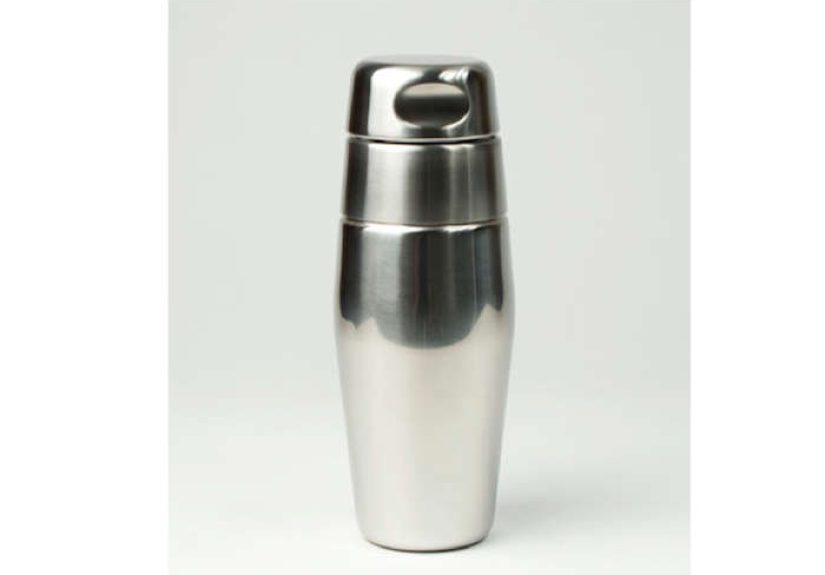
This is the classic home-bar shaker you see in movies: a metal body, a strainer top, and a little cap. It’s beginner-friendly because it’s “all in one.” You can strain without buying anything else, and that’s genuinely convenient.
- Pros: Built-in strainer, straightforward assembly, often looks great on a bar cart, fewer separate parts to remember.
- Cons: The lid can stick (sometimes aggressively). The built-in strainer holes can clog with herbs or pulp, and some models are small.
- Best for: Casual home bartenders, minimalists, and anyone who values convenience over speed.
3) French / Parisian Shaker (Two-Piece: Tin + Cap)
Think of the French shaker as the elegant cousin: two sleek pieces, no built-in strainer. It’s gorgeous. It also tends to be more “special occasion” than “Tuesday night margarita marathon,” unless you really love your tools.
- Pros: Clean lines, satisfying feel, often a favorite for gifting.
- Cons: Still needs a separate strainer, can be trickier to open than a Boston if the fit is very tight.
- Best for: People who care about aesthetics and don’t mind a little finesse.
High: The Bartender-Grade Weighted Boston Tins
If you want the “I can make a daiquiri that tastes like a real bar” experience, the High pick is a set of weighted tin-on-tin Boston shaker tins.
“Weighted” means the tins have extra heft at the base (either from thicker steel or added weight). That weight matters more than people expect: it helps the shaker feel balanced in your hands, improves the seal, and makes shaking smoother. You’re not wrestling your toolsyou’re just… shaking.
What makes a Boston shaker feel “high-end”?
- Solid stainless steel: Resists rust, handles temperature swings, and doesn’t pick up weird flavors.
- Reliable seal: It should lock in without leaking, then open without requiring a dramatic monologue.
- Comfortable shape: Straight sides are often easier to grip; overly flared bases can feel awkward for some people.
- Clean interior: Smooth walls are easier to rinse and dry quicklyimportant if you’re making multiple drinks.
This is the setup you’ll see recommended again and again in serious testing because it’s durable and consistent. You’ll also notice that pros prefer tin-on-tin over tin-and-glass for safety and longevity. When you’re shaking ice hard, glass can chip or crackno one wants a cocktail with surprise sparkle.
Who should buy the High option?
Choose this if you:
- make shaken cocktails regularly (even once a week counts),
- care about texture (especially sours),
- want to make two drinks at once without overflowing a tiny shaker,
- don’t mind buying a Hawthorne strainer (it’s small, cheap, and useful).
The vibe here is: “I’d like my tools to work the first time, every time.” It’s not about being fancy. It’s about not wearing your margarita.
Low: The Beginner-Friendly Cobbler (and the No-Drama Twist-Lock)
The Low pick isn’t “bad.” It’s “practical, approachable, and perfectly fine for most humans.” A cobbler shaker is often cheaper, widely available, and doesn’t require extra gear to start pouring drinks.
If you’re mainly making simple cocktails at homesay, whiskey sours, espresso martinis, or a once-in-a-while cosmopolitana cobbler can be a friendly on-ramp. It’s also great for people who like compact tools, or who don’t want to store separate strainers.
What to look for in a “Low” shaker that won’t ruin your night
- A comfortable cap: If it’s too small or too smooth, wet hands become chaos.
- A strainer that fits well: Loose strainers leak; overly tight ones can get stuck.
- Enough capacity: Many cobblers struggle with two cocktails at once. If you entertain, size matters.
- Easy cleanup: If pulp and mint live in your strainer holes, you’ll stop using it.
One modern improvement worth knowing about: some shakers use twist-lock or threaded lids instead of friction seals. That can eliminate the classic cobbler problemgetting the top off after the metal contracts in the cold. If you’ve ever tried to open a stuck cobbler and ended up negotiating with it like it’s a hostage situation, you understand why this matters.
A Quick Decision Guide: Which Shaker Fits Your Life?
If you want the easiest “start tonight” setup…
Go cobbler or twist-lock. You can shake, strain, and serve with one tool. It’s also the least intimidating for guests who want to “help.”
If you want the best performance per shake…
Go weighted Boston tins. Faster chilling, better texture, easier cleaning, and more capacity. Add a Hawthorne strainer and you’re basically unstoppable.
If you want the prettiest object on the bar cart…
Go French/Parisianor a beautiful cobbler. You’ll still make great drinks; you’ll just be doing it with more style and slightly more patience.
If you travel, camp, or make drinks outdoors…
Consider a durable, insulated shaker designed to handle bumps and keep things cold. “Bar cart” is a mindset; it can happen on a patio.
How to Shake Like You Mean It
Here’s the reliable, bartender-approved approach for most shaken cocktails:
1) Build smart
Add your ingredients to the smaller tin (or the main body of a cobbler) first. If you’re using citrus, strain out seeds if you canfuture you will be grateful.
2) Add a generous amount of ice
This surprises people: more ice often means better control. A shaker packed with solid cubes chills quickly and can dilute more predictably than a few lonely cubes swimming around.
3) Seal it properly
For Boston tins: set the smaller tin at a slight angle into the larger tin, then give it a firm tap with the heel of your hand to seal. For cobblers: assemble snugly, but don’t over-torque like you’re tightening a car part.
4) Shake hard for about 10–15 seconds
Shake until the outside is very cold and (for metal) frosty. You’re aiming for a bright, crisp chill and the right amount of dilutionnot an arm workout that qualifies for a fitness tracker badge.
5) Strain with intention
- Hawthorne strain: great for most shaken drinks.
- Fine strain too: use a small mesh strainer if you want a smoother texture, especially for egg whites or drinks with muddled herbs.
Egg white cocktails: dry shake + wet shake
For drinks like a whiskey sour with egg white: shake first without ice (dry shake) to emulsify, then add ice and shake again (wet shake) to chill and dilute. That’s how you get the foam that looks like a tiny cloud moved into your glass.
Common Shaker Problems (and Fixes That Don’t Involve Crying)
“My shaker leaks.”
Usually a seal issue. With Boston tins, make sure the tins meet at a slight angle and seal with a firm tap. With cobblers, check that all parts are aligned and fully seated. Also: don’t under-fill with iceslosh is real.
“The lid is stuck.”
Classic cobbler moment. Cold metal contracts and tightens the seal. Try running warm water over the top (not the whole shaker), then gently tap with the heel of your hand to loosen. If this happens often, consider a twist-lock design or switch to Boston tins.
“My drink is watery.”
Either you shook too long, used small/fragmented ice, or didn’t use enough ice. Bigger, colder cubes and a confident 10–15 second shake usually fix it.
“My drink tastes harsh.”
You may not have diluted enough. Shake a little longer, or check your recipe balanceespecially with strong spirits and fresh citrus.
High/Low Picks by Real-World Use Case
High Pick: Everyday “I Actually Make Cocktails” Home Bar
Look for weighted, stainless, tin-on-tin Boston shakers from established bar-tool makers. They’re consistent, durable, and easy to rinse clean between rounds. Pair with a Hawthorne strainer and you have a setup that can handle everything from daiquiris to espresso martinis.
High Pick: The “I Host and Need Speed” Setup
If you regularly make drinks for a group, capacity and efficiency matter. A Boston shaker shines here because it can handle multiple servings without crowding, and it chills fastmeaning you’re not stuck shaking one drink while everyone else is already taking selfies with theirs.
High Pick: Gift-Ready but Still Pro-Useful
Choose something with a premium feelmaybe a sleek finish or a refined silhouettebut keep the fundamentals: stainless steel, comfortable grip, and a seal that doesn’t fight back. Beautiful tools are great; beautiful tools that work are better.
Low Pick: Beginner-Friendly and Compact
A solid cobbler is ideal if you want one tool that strains for you. Keep it simple: durable build, comfortable cap, and enough capacity for at least one full cocktail plus ice.
Low Pick: Low-Drama “No Stuck Lid” Option
If you’ve had the cobbler-lid struggle, look for twist-lock or threaded designs. They can cost a bit more than basic cobblers, but they save your sanitywhich is priceless (and also easier to clean off the ceiling).
Low Pick: Outdoors / Travel
If your cocktails happen on patios, beaches, cabins, or anywhere your bar cart has to share space with bug spray, prioritize durability and insulation. Your drink should stay cold even if the sun is doing the most.
Real-Life Shaker Stories (AKA: Lessons From the Bar Cart)
The first time you use a Boston shaker, there’s a tiny moment where you wonder if you’ve made a terrible mistake. Two pieces of metal. No threads. No latch. Just vibes and confidence. You press them together, give that little tap, andif you did it rightit seals like it’s proud of you.
Then you shake. And here’s the weirdly satisfying part: you can feel what’s happening. At first, the ice clunks around like it’s looking for a place to park. A few seconds in, the sound shiftssharper, tighter, more rhythmic. The tins get cold enough to convince your hands to hurry up. That’s the shaker telling you, “Hey. We’re making a drink now.”
The first drink I ever truly noticed this with was a daiquiri (the classic kind: rum, lime, sugarno blender, no neon mystery). In a cobbler shaker, it came out fine. Cold, sure. But it felt a little flat, like a good song played through laptop speakers. Then I tried the same recipe with weighted Boston tins and a fine strain. Same ingredients, totally different personality: brighter, silkier, and somehow more “together.” It wasn’t magic; it was better chilling, better dilution, and tiny aeration changes that your tongue absolutely notices.
Cobbler shakers, though, have their own stories. They’re the friendly neighbor of the shaker world: always ready, rarely demanding extra accessories. But the stuck-lid experience is real. I once made two whiskey sours, set the shaker down for a minute to grab glasses, and came back to find the top sealed so tightly it felt personal. The fix was warm water over the cap and a gentle tap with the heel of my handsimple, effective, and humbling. That moment taught me the cobbler rule: if you’re going to pause, take the top off first. The shaker will not wait for you to “just do one thing real quick.”
Another lesson: ice is not just ice. Early on, I used whatever sad half-melted cubes lived in my freezer tray. Shaking with those is like trying to chill a drink using three tiny penguins on a coffee break. Once I started using fuller, colder cubesand using more of themthe drinks improved immediately. The shaker worked faster, the cocktails tasted cleaner, and I stopped over-shaking to compensate. It’s one of those upgrades that costs nothing and makes you feel like you learned a secret handshake.
And if you ever want to feel like a professional for ten seconds, make a proper egg white sour. Do a dry shake first, then add ice and shake again. When you strain it out and see that thick foam cap settle on top like it pays rent, you’ll understand why people obsess over technique. It’s not fussy for the sake of being fussy. It’s texture you can taste.
The best part is that there’s no single “right” shakerjust the one that matches your habits. If you’re a once-a-month cocktail person, a cobbler that’s easy to store and easy to explain to friends might be perfect. If you’re the host who gets asked, “Can you make another round?” before anyone finishes the first, Boston tins will feel like upgrading from a bicycle to a small, elegant motorcycle.
Either way, the goal is the same: cold drink, balanced flavor, minimal mess, and maximum “wait, you made this?” energy.
Final Shake
A cocktail shaker is a small tool that makes a big difference. Go High if you want pro-level performance and easy cleanup. Go Low if you want simplicity and an all-in-one setup. Either choice can make excellent drinksespecially if you use plenty of ice, seal with confidence, and shake like you mean it.






 Close
Close