
Table of Contents >> Show >> Hide
- Step Zero: Identify Your Moth (Because Not All Moths Are Here for Your Sweaters)
- How We Researched “Best Moth Repellents” (No Lab Coats, Just Real-World Criteria)
- Quick Comparison: Our Top Picks at a Glance
- Our Top Picks, Explained
- 1) Best Overall for Closets & Drawers: Cedar (Refreshed) + Smart Storage
- 2) Best for “Do I Have Moths?”: Species-Specific Pheromone Traps
- 3) Best “Set-It-and-Actually-Forget-It” Prevention: Airtight Containers (Yes, This Counts)
- 4) Best for Pantry Moths: Seal, Toss, Vacuum, Trap (Repeat as Needed)
- 5) Best for Active Clothes Moth Problems: Heat/Steam or Freezing Treatment
- 6) Best “Nuclear Option” (Use Carefully): Mothballs / Paradichlorobenzene Products in Sealed Storage Only
- What to Look For When Buying a Moth Repellent
- A Practical 48-Hour Plan If You Spotted a Moth
- FAQ: The Questions Everyone Asks (Usually While Holding a Holey Sweater)
- Conclusion: The Best Moth Repellent Is a System (But You Can Make It Easy)
- Bonus: of “Been There” Experiences (So You Don’t Have to Learn the Hard Way)
There are two types of people in this world: those who have opened a “special occasion” sweater and found surprise ventilation,
and those who are about to. Moths don’t pay rent, don’t contribute to laundry day, and somehow still feel entitled to your cashmere.
The good news: you can absolutely protect your clothes (and your pantry snacks) without turning your home into a chemical perfume counter.
In this guide, we’ll break down what actually works, what mostly works as “closet aromatherapy,” and what works but comes with big safety caveats.
Then we’ll share our researched top picks for the best moth repellentsorganized by situationso you can stop playing hide-and-seek with tiny fabric villains.
Step Zero: Identify Your Moth (Because Not All Moths Are Here for Your Sweaters)
Clothes moths: the wardrobe nibblers
Clothes moths target natural fibers and “protein snacks” like wool, cashmere, fur, feathers, and sometimes blendsespecially if garments have
food, sweat, or pet-hair residue. The damage usually comes from larvae, not the adult moth you see fluttering around like it’s auditioning for a low-budget nature documentary.
Look for irregular holes, thinning patches, silky webbing, or tiny cases tucked along seams, cuffs, collars, and dark corners.
Pantry moths: the snack aisle squatters
Pantry moths (like the Indian meal moth) go after dry goods: flour, cereal, rice, nuts, dried fruit, spices, pet food, chocolatebasically anything
you’d store “for later” and then forget about until it becomes a science project. Signs include webbing in corners of packages, tiny holes in packaging,
or larvae crawling away from the pantry to pupate in random places (because they enjoy drama).
How We Researched “Best Moth Repellents” (No Lab Coats, Just Real-World Criteria)
“Best” depends on whether you’re preventing moths, detecting an active infestation, or trying to stop ongoing damage. We synthesized guidance from
U.S. extension programs and pest management resources, plus consumer testing and safety information, using these criteria:
- Target specificity: Does it work for clothes moths, pantry moths, or both?
- Prevention vs. control: Repelling is different from stopping larvae already chewing.
- Safety and exposure risk: Especially for kids, pets, bedrooms, and kitchens.
- Ease of use: If it’s annoying, you won’t do it twice. (Ask any treadmill.)
- Odor and “closet friendliness”: Your clothes should smell like you, not a chemical aisle.
- Cost and value: Ongoing replacement vs. long-lasting setup.
- Compatibility with storage: Works best with bins, garment bags, drawers, or open closets?
Quick Comparison: Our Top Picks at a Glance
| Top Pick | Best For | Why It’s Great | Watch-Outs |
|---|---|---|---|
| Cedar (properly refreshed) + airtight storage | Closets, drawers, seasonal storage | Low-fuss, pleasant, prevention-friendly | Not a “kill switch”; potency fades |
| Species-specific pheromone traps | Detecting and reducing adults | Best “are we dealing with moths?” tool | Won’t solve infestation alone |
| Airtight bins + vacuum bags (the boring hero) | Long-term garment storage | Physical barrier beats most “repellents” | Must store clean, dry items |
| Pantry: sealed containers + cleaning + pantry traps | Kitchen cupboards | Stops the life cycle at the source | Takes persistence; inspect everything |
| Heat/steam or freezing treatment | Active clothes moth issues | Kills eggs/larvae without scent | Fabric-sensitive; do carefully |
| Mothballs / PDB products (last resort) | Sealed storage only | Can be effective when used correctly | Toxic exposure risk; strict use rules |
Our Top Picks, Explained
1) Best Overall for Closets & Drawers: Cedar (Refreshed) + Smart Storage
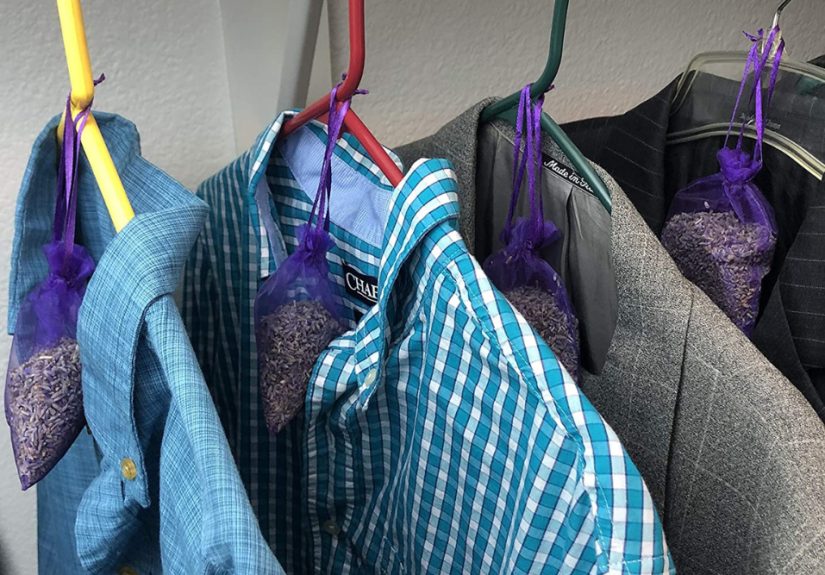
Cedar is the classic “grandma knew what she was doing” optionwith one big asterisk: cedar works best as a preventative scent barrier,
not as a guaranteed moth exterminator. Some pest management guidance notes cedar’s effectiveness can be limited, and it loses punch over time.
Translation: cedar helps, but it’s not magic. Think of it like a screen door: useful, but not a full security system.
Best use: Add cedar blocks, rings, or planks to drawers, garment bags, or storage bins with clean, dry natural-fiber items.
Pro move: Refresh cedar by lightly sanding the surface or using a cedar oil refresh (following product directions) to “wake up” the aroma.
Pair it with: Airtight bins or tightly sealed garment bags. The more sealed the space, the more any repellent scent can actually concentrate.
2) Best for “Do I Have Moths?”: Species-Specific Pheromone Traps
Pheromone traps are your best detective tool. They’re designed to attract adult male moths of a specific species, which helps you confirm what you’re dealing with
and where activity is happening. This matters because clothes moth pheromones won’t attract pantry moths, and pantry moth lures won’t help your sweater situation.
If you’ve ever bought the wrong phone charger, you understand the pain.
Best use: Place traps where you suspect activity: closet floors/shelves for clothes moths; pantry shelves near dry goods for pantry moths.
Reality check: Traps help reduce breeding and monitor progress, but they don’t remove eggs/larvae or fix the underlying food source.
Traps are the “security camera,” not the “cleanup crew.”
3) Best “Set-It-and-Actually-Forget-It” Prevention: Airtight Containers (Yes, This Counts)
If you want the most effective moth prevention strategy, it’s not a pouch, a spray, or an old wives’ tale whispered over a cedar chest.
It’s a physical barrier. Airtight bins, sealed garment bags, and vacuum storage bags stop moths from reaching what they want to eat.
They also make your closet look like you have your life together, which is a nice bonus.
- Before storing: Clean items first. Larvae are more likely to target fabrics with stains or body oils.
- Keep it dry: Moisture invites mildew (a different villain).
- Add a deterrent: Cedar can help as a supporting player inside sealed storage.
4) Best for Pantry Moths: Seal, Toss, Vacuum, Trap (Repeat as Needed)
Pantry moth control is less about repelling and more about eviction. The winning strategy is:
remove infested food, deep-clean storage areas, store everything in hard containers with tight lids, and use pheromone traps labeled for pantry pests to monitor.
Spraying insecticides in food storage areas is generally discouragedyour pasta doesn’t need that kind of seasoning.
- Inspect everything: Flour, cereal, rice, nuts, dried fruit, spices, pet foodespecially older packages and those tucked in the back.
- Discard suspect items: Seal in a bag before taking it out to avoid spreading larvae.
- Vacuum corners and crevices: Eggs and pupae hide where crumbs go to retire.
- Wash shelves: Soap and water is your friend.
- Re-store in tight containers: Think glass or sturdy plastic with locking lids.
- Set pantry moth traps: Use them to detect lingering adults and remind you to re-check food in a couple weeks.
5) Best for Active Clothes Moth Problems: Heat/Steam or Freezing Treatment
Repellents are great for prevention. But if larvae are already snacking, you need a true intervention.
Temperature treatments can kill eggs and larvae without leaving residue behind (which your wardrobe will appreciate).
Heat options:
- Launder when safe: Hot wash/dry can be effective for many fabrics (always check care labels).
- Steaming: A garment steamer can help for some items by applying lethal heat where larvae hide (seams, cuffs, collars).
Freezing options:
- Bag it first: Seal items in plastic to prevent frost/condensation damage.
- Freeze long enough: The exact time depends on freezer temperature and guidance, but the key is sustained cold that reaches the pests.
This is especially useful for delicate pieces you can’t just toss into a hot wash cycle without turning them into toddler-sized fashion.
If you’re unsure, a professional cleaner or pest pro can help you choose a safe treatment.
6) Best “Nuclear Option” (Use Carefully): Mothballs / Paradichlorobenzene Products in Sealed Storage Only
Here’s the honest truth: mothballs can workwhen used exactly as directed. They are pesticides that release gases intended to build up in tightly sealed
containers and kill pests inside. Used “out in the open” (like in a closet you open daily), they can expose people and pets to the fumes and are often considered misuse.
If you can smell them, the chemicals are in your air.
If you choose this route:
- Use only in airtight, sealed storage containers (never loose in open rooms).
- Keep far away from kids and pets, and never around food or food-prep areas.
- Follow all label directionsseriously. This is not the time for “close enough.”
For many homes, safer and equally effective control comes from storage, cleaning, and trapswithout turning your closet into a chemistry lesson.
What to Look For When Buying a Moth Repellent
Match the product to the pest
“Moth trap” is not a universal term. Look for labels that specify clothes moth or pantry moth. Pheromone lures are species-specific.
When in doubt, identify the problem first (where you see them and what’s being damaged).
Decide whether you need prevention, detection, or control
- Prevention: Cedar (refreshed), sachets, and airtight storage.
- Detection/monitoring: Pheromone traps.
- Control: Cleaning + removing food/fabric sources + temperature treatment (and professional help if needed).
Be honest about your lifestyle
If you’re not going to re-sand cedar or check traps monthly, pick solutions that don’t require constant “upkeep energy.”
Airtight bins and routine vacuuming are not glamorousbut they’re reliable.
A Practical 48-Hour Plan If You Spotted a Moth
- Locate the category: Closet/drawers (clothes moth) or pantry/dry goods (pantry moth).
- Set the right traps: Put traps in the suspected zone to confirm the species and hotspots.
- Do a focused clean: Vacuum edges, corners, and dark areas; dispose of vacuum contents promptly.
- Remove the food source: Launder/clean vulnerable garments; discard infested pantry items.
- Seal the future: Transfer pantry goods to tight containers; store off-season natural fibers in sealed bins.
- Re-check in 2–3 weeks: Moths have a life cyclemonitoring matters.
FAQ: The Questions Everyone Asks (Usually While Holding a Holey Sweater)
Do cedar blocks actually work?
Cedar can help repel moths as a preventative, especially in enclosed storage, but it’s not a guaranteed “kill” methodand it fades over time.
Think of cedar as part of a system: clean clothes + sealed storage + monitoring.
Do pheromone traps get rid of moths completely?
Traps reduce adult males and help you track the problem, but you still need sanitation and removal of eggs/larvae sources.
They’re extremely useful, just not a one-step solution.
Are mothballs the best moth repellent?
They can be effective in sealed storage, but they come with meaningful safety risks and strict use rules.
For most households, cleaning, sealing, and targeted traps are safer and often just as effective.
Conclusion: The Best Moth Repellent Is a System (But You Can Make It Easy)
If you remember only one thing, make it this: moth control works best when you combine barriers (airtight storage), monitoring (pheromone traps),
and cleanup (vacuuming, laundering, and tossing infested food). Cedar and sachets are great supporting actors for prevention, and temperature treatments are the
heavy hitters for active clothes moth issues. Mothballs? Effective in the right context, but they’re the option you use carefully and reluctantlylike a group chat “Reply All.”
Start simple: traps to identify, containers to block access, and a quick cleaning routine. Do that, and moths will have to find a new hobby.
Preferably one that doesn’t involve your wardrobe.
Bonus: of “Been There” Experiences (So You Don’t Have to Learn the Hard Way)
Here are a few real-life scenarios people commonly run into when dealing with mothsplus what usually works when the panic subsides.
(No, you’re not the only one who’s whispered, “Why do you live here?” at a tiny insect.)
The Thrifted Wool Coat Plot Twist
Someone finds a gorgeous vintage wool coat, hangs it in the closet, and feels like the main character for exactly three weeks. Then: little holes appear in a nearby sweater.
The lesson? Secondhand items can carry eggs or larvae even if they look pristine. The fix tends to be straightforward: isolate the coat immediately,
clean it appropriately (dry clean or careful laundering if safe), and consider a temperature treatment for anything that can tolerate it.
Then vacuum the closet floor and the baseboards like you’re searching for a dropped earring. Adding a clothes moth trap afterward helps confirm whether activity continues.
The “It’s Just One Moth” Pantry Denial Phase
A single moth flutters near the kitchen light. It seems harmless. Then a week later there are two. Then the family starts naming them,
which is when you know it’s time to act. People often discover the source is something forgotten: an open bag of birdseed, a half-used box of cereal,
or pet food in a thin bag. Success usually comes from being ruthless for one afternoon: check every dry good, toss anything suspicious,
vacuum shelf corners, wash surfaces, and immediately move staples into tight containers. A pantry moth trap then becomes a progress report:
fewer captures over time means you’re winning.
The Cedar Confidence Trap
Cedar rings go into the closet and everyone feels smugly natural. Months pass. The cedar scent fades. Moths do not care about your aesthetic.
This is why cedar works best when refreshed and paired with sealed storage. People who get the best results tend to treat cedar as “preventative maintenance”:
refresh it on a schedule, use it inside bins or garment bags where scent concentrates, and still keep traps around for monitoring.
Cedar is helpful, but it’s not a substitute for cleaning and barriers.
The Rug That Quietly Became a Buffet
Rugs and upholstered furniture can hide larvae in low-traffic, dark areasunder couches, along edges, or beneath heavy furniture.
The solution that tends to work is boring but effective: consistent vacuuming of edges and underneath furniture, reducing lint/pet hair buildup,
and treating nearby textiles (throws, wool blankets) with proper cleaning. A trap placed near the suspected zone helps you figure out if you’re dealing with clothes moths
versus a random outdoor moth that wandered in to judge your interior design choices.
The theme across these experiences is the same: moth “repellents” are most effective when they support a bigger plan.
Once you shift from “find a magic product” to “remove the food source + block access + monitor,” the problem usually becomes manageableand your sweater stops disappearing thread by thread.







 Close
Close