
Table of Contents >> Show >> Hide
- Quick Snapshot: What You’re Actually Buying
- Why Magnetic Storage Beats “Knife Drawer Jenga”
- Meet the Materials: Acacia Wood + Recessed Magnets
- Design Details That Matter on a Random Tuesday Night
- How Many Knives Does It Hold (Really)?
- Installation & Placement: Make It Convenient, Not Dangerous
- How to Use It Without Dulling or Chipping Your Edge
- Cleaning & Maintenance
- Compatibility Check: Will Your Knives Stick?
- Knife Storage Showdown: Magnetic Bar vs Block vs Drawer
- Who Should Buy the Mercer Acacia Magnetic Knife Holder?
- Style Factor: Why Acacia Looks So Good Doing Something So Practical
- FAQs
- Real-World Experiences You Can Expect (500+ Words)
- The first week: the “why didn’t I do this sooner?” phase
- Week two: you start optimizing (and getting picky)
- The “cleanup glow-up”: less drawer grime, less stress
- When guests cook: the “tool visibility” advantage
- The honest downside: you’ll notice which knives you hate
- The long-term vibe: calmer prep and sharper habits
- Conclusion
If your current knife storage system is “toss everything in a drawer and hope for the best,” congratulations:
you’ve invented Knife Drawer Jengaa thrilling game nobody asked for. The Mercer Culinary Acacia Magnetic Knife
Holder is the calmer, sharper alternative: a wall-mounted acacia wood magnetic bar that puts your knives on display,
keeps them easier to grab, and helps you stop treating your best chef’s knife like a sock in a hamper.
This guide digs into what the Mercer acacia magnetic knife holder is, how it works, what it’s great at (and what it’s
not), and how to install and use it in a way that’s safe for your hands and kind to your blades. We’ll also cover
real-world kitchen scenariosbecause “magnet + knife” sounds simple until you’re holding a cleaver and feeling brave.
Quick Snapshot: What You’re Actually Buying
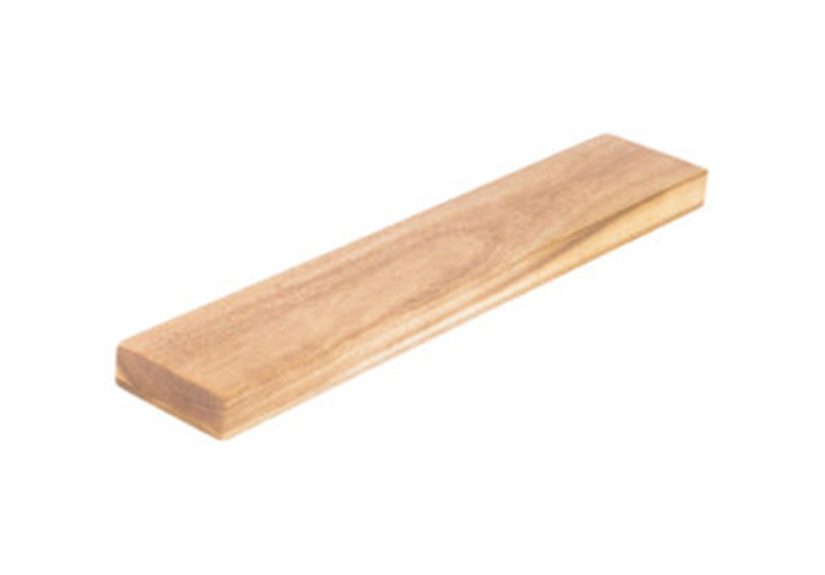
The Mercer Culinary Acacia Magnetic Knife Holder is typically sold as an 18-inch magnetic bar (model commonly listed as
M30731AC) made from acacia wood with recessed (hidden) magnets. It mounts to the wall using
keyhole mounting slots so it can sit flush, and it’s designed to hold knives and other magnetic-metal kitchen
tools in a flexible, “put it where it fits” layout rather than forcing you into pre-cut slots.
- Material: Acacia wood exterior with hidden magnets inside
- Common size: 18″ long (also often available in shorter lengths)
- Mounting style: Keyhole slots for flush wall mounting
- Use case: Knives + magnetic utensils (scissors, some tools, etc.)
Why Magnetic Storage Beats “Knife Drawer Jenga”
Knife storage is one of those kitchen topics that feels boringuntil you slice open a sponge, chip a tip, or get that
tiny panic-spark when your fingers land on a blade in the drawer. Magnetic storage solves several everyday problems at once:
1) Better blade protection (less accidental dulling)
Sliding knives in and out of blocks or rummaging them around in drawers can create edge wear over time. A magnetic
knife holder stores the blade flat against a surfaceno slot friction, no drawer collisions, no “surprise, the peeler
is also a weapon.”
2) Cleaner storage and faster drying
Knives need to be dry before storage. Magnetic holders give blades airflow, which helps avoid trapped moisture. If you’re
careful about drying after washing, you’ll appreciate having a storage option that doesn’t feel like a damp cave.
3) Faster cooking workflow
When knives are visible, you reach for the right tool faster. You don’t need to open a drawer, move three things, and
discover a whisk you forgot you owned. Your mise en place gets smoother, and your kitchen feels more “intentional adult”
and less “college apartment with one cutting board.”
Meet the Materials: Acacia Wood + Recessed Magnets
Acacia’s kitchen superpowers
Acacia is a dense hardwood known for its durability and distinctive grain. In kitchen goods, that usually translates to:
a sturdy feel, good resistance to everyday wear, and a warm look that fits everything from modern minimalist to “my kitchen
has a sourdough starter with a name.”
Practically speaking, acacia’s density helps the bar feel substantial on the wall and can stand up well to frequent wiping.
Like most wood kitchen pieces, it still benefits from gentle careno soaking, no harsh chemical cleaners, and no pretending
it’s a stainless backsplash.
Why recessed magnets matter
Not all magnetic knife strips are built the same. Recessed magnets are hidden under the wood, which gives you a smooth surface.
That smooth face helps reduce scratching and “clack” noise compared with exposed-metal strips. It also looks cleanermore
design object, less workshop tool rack.
Design Details That Matter on a Random Tuesday Night
Open layout means you’re not married to “slots”
Knife blocks are like assigned seating. Magnetic bars are like a flexible seating chart where everyone can sit where they fit.
Long chef’s knife? Great. Short paring knife? Also great. Offset bread knife that never fits anywhere? Welcome home.
Keyhole mounting = flush and tidy
The Mercer acacia magnetic bar is designed to mount flush to the wall using rear keyhole slots. In plain English:
once it’s installed correctly, it should sit snug, not wobble, and not look like it’s hovering awkwardly in midair.
That flush mount also helps keep the bar stable when you remove knives.
18 inches: the “most kitchens” sweet spot
An 18-inch magnetic knife holder tends to work well in a standard home kitchen because it gives you room for your
daily drivers without turning your wall into a cutlery runway. If you cook often and rotate between multiple blades,
the extra length helps you avoid crowding, which is where magnetic storage can get annoying (and a little risky).
How Many Knives Does It Hold (Really)?
Capacity depends on two things: magnet strength and spacing. Marketing claims can be optimistic
because “holds 8 knives” assumes your knives are slim, your handles aren’t bulky, and you don’t store a cleaver the size of a
paperback novel.
A realistic, kitchen-friendly loadout
For many home cooks, an 18-inch bar can comfortably store something like:
- 8″ chef’s knife
- Serrated bread knife
- Santoku or nakiri
- Utility knife
- Paring knife
- Kitchen shears (if they’re magnet-friendly)
Heavy bolsters and thin blades: watch the balance
Here’s the part most people learn through a tiny moment of fear: balance matters. Some knivesespecially those with heavier
handles or thick bolstersmay hold more securely in one orientation than another. If a knife feels like it wants to rotate
or slide, take that feedback seriously. The goal is “secure and calm,” not “gravity-themed entertainment.”
Installation & Placement: Make It Convenient, Not Dangerous
A magnetic knife holder is only as good as its placement. Put it in the wrong spot, and it becomes a daily hazard. Put it in the
right spot, and it becomes the best kind of kitchen upgrade: the one you stop noticing because it simply works.
Where to place it
- Near your prep zone: close enough to grab a knife without crossing the kitchen.
- Not directly above a burner: heat + splatter is not a great combo for wood finishes.
- Away from curious kid height: if there are children in the home, mount it higher than their reach.
- Not where you’ll bump it: avoid tight walkways or spots behind frequently opened cabinet doors.
Drywall, studs, tilewhat matters most
The important part is a secure mount. If you can hit studs, great. If you’re using drywall anchors, use the correct type and
weight rating. If you’re mounting to tile, you’ll want the proper drill bit and a careful approach to avoid cracking.
(When in doubt, a local handyman is cheaper than replacing tile and explaining to your family why the kitchen now has “character.”)
How to Use It Without Dulling or Chipping Your Edge
Magnetic storage is blade-friendly when you use it gently. The biggest mistake people make is slapping the blade onto
the strip like it’s a fridge magnet shaped like a vacation memory. That impact can damage the edgeespecially on thinner,
harder steels.
The “spine-first, then roll” method
- Start with the spine: touch the non-cutting back edge of the knife to the bar first.
- Let the magnet catch: once the spine is held, slowly rotate the blade toward the wood.
- Set it softly: the edge should arrive gentlyno snapping.
- Remove in reverse: rotate the edge away first, then lift off.
This approach helps protect the edge and gives you control. It also makes you look like you know what you’re doing, which is
a fun bonus even if you’re still Googling “difference between mince and dice.”
Cleaning & Maintenance
A wood magnetic knife bar is low maintenance, but not zero maintenance. Treat it like other wood kitchen items:
wipe it down, avoid soaking, and keep harsh chemicals away.
Daily/weekly care
- Wipe with a soft, slightly damp cloth to remove dust or cooking splatter.
- Dry it right awayespecially around the edges and mounting area.
- Avoid abrasive scrubbers that can dull the finish.
Occasional refresh
If your acacia starts to look a bit dry (wood does thatit’s dramatic), a small amount of food-safe mineral oil can help
maintain the finish. Apply lightly, wipe off excess, and don’t turn it into a slippery oil monument.
Compatibility Check: Will Your Knives Stick?
Most steel kitchen knives will stick well. But not every blade is magnetic:
- Ceramic knives: won’t stick (no magnetic metal).
- Some stainless steels: can be less magnetic depending on alloy.
- Very heavy forged knives or cleavers: may require careful placement and spacing.
The smart move: test each knife low and close to the counter the first time you hang it. Find the most secure spot and
orientation before you commit to your final arrangement.
Knife Storage Showdown: Magnetic Bar vs Block vs Drawer
Knife blocks
Blocks are classic and feel safe because blades are hidden. The tradeoff is cleaning (crumbs and moisture can collect),
plus the friction of storing blades in slots. If you use a block, consider storage approaches that minimize edge contact.
Drawer storage
Drawer organizers can work wellespecially in households that want blades out of sight. But drawers get crowded fast, and
loose storage can damage edges and create safety risks when you’re reaching for something else.
Magnetic storage
A wall-mounted magnetic knife holder wins on visibility, airflow, and space-saving. It’s also satisfying in a weirdly
adult way: you walk into the kitchen and your tools look ready for action. The big requirement is using it correctly and
mounting it securely.
Who Should Buy the Mercer Acacia Magnetic Knife Holder?
Great fit if you…
- Cook often and want your main knives within arm’s reach
- Prefer a warm wood look over stainless steel
- Want flexible storage (no fixed slots)
- Have limited counter space and want a cleaner prep area
Maybe skip it if you…
- Need to keep knives completely out of sight (shared spaces, small kids, etc.)
- Mostly use non-magnetic knives (ceramic or low-magnetic alloys)
- Rent and can’t drill (unless you have permission and a plan)
Style Factor: Why Acacia Looks So Good Doing Something So Practical
Stainless bars can look sleek, but they can also read a little “commercial kitchen.” Acacia, on the other hand, tends to blend
into home kitchens beautifullyespecially if you have wood shelves, cutting boards, or warm-toned cabinets. The grain variation
also makes it feel less like a gadget and more like a design detail.
Bonus: a wood surface can be gentler and quieter when you place knives. That “clack” sound of steel on steel? Not really a
vibe if you’re making a midnight snack and trying not to alert the entire household.
FAQs
Will a magnetic knife holder ruin my knife?
Used properly, it shouldn’t. The key is gentle placement and avoiding edge impact. Don’t slam the blade onto the bar, and
don’t let knives collide with each other. Give each blade enough space so removal doesn’t turn into a sword-drawing contest.
Will it magnetize my knife?
It’s possible for knives to pick up a bit of magnetism over time, but this is usually minor and more of a quirky kitchen detail
than a real problem. If it bothers you, it can often be corrected with a demagnetizer tool.
Can it hold kitchen tools too?
Yesmany magnetic bars can hold scissors, some peelers, and other magnetic-metal utensils. Just be thoughtful about weight and shape,
and keep sharp items positioned safely.
Real-World Experiences You Can Expect (500+ Words)
Because you’re publishing this online, let’s talk about what the “experience” of using a Mercer acacia magnetic knife holder tends to
feel like in everyday lifebased on common kitchen routines and what home cooks typically notice after switching from a block or drawer.
No fantasy, no magic, no “my life changed and I started waking up at 4 a.m. to meditate with my knives.” Just real kitchen behavior.
The first week: the “why didn’t I do this sooner?” phase
The biggest immediate change is speed. You stop opening and closing drawers like you’re searching for a missing sock. If you cook daily,
you’ll likely develop a new muscle memory: hand reaches to the wall, knife appears, prep starts. It’s especially noticeable with common tasks:
chopping onions, slicing chicken, halving avocados, or quickly grabbing a paring knife for strawberries. The wall bar becomes a visual reminder
of what you own, which sounds silly until you realize how many people forget they have a perfectly good utility knife because it’s buried under
a potato masher.
Week two: you start optimizing (and getting picky)
After the novelty wears off, you’ll likely rearrange your knives at least once. Most people end up grouping by frequency: the chef’s knife and
paring knife get the prime real estate, while specialty knives shift to the edges. If you have a heavier handle-forward knife, you might discover
it feels safer in a different orientation than expectedhandle up or down depending on balance and how your hand naturally grabs it. This is also
when you learn the value of spacing. Too tight, and removing one knife nudges another. Too loose, and you’re not using the bar efficiently.
The sweet spot is “easy to grab, no collisions.”
The “cleanup glow-up”: less drawer grime, less stress
People who switch to a wall-mounted magnetic holder often notice their drawers stay cleaner. Not because drawers are inherently cursed, but because
knives aren’t being shoved in next to random utensils. You also reduce the chance of that annoying micro-damage that happens when blades knock into
other metal objects. Over time, that can mean fewer tiny edge chips and less frequent sharpeningespecially if you’re already careful about not using
your knife like a shovel or a scraper.
When guests cook: the “tool visibility” advantage
If you host dinners or have family members who help in the kitchen, a magnetic knife bar can prevent the “where’s the sharp knife?” scavenger hunt.
The knives are visible and accessibleno rummaging, no pulling out the wrong blade. The one caveat: you may need to give a quick 10-second tutorial
on how to remove a knife safely (rotate the edge away first). This tiny moment of instruction pays off by reducing clumsy handling.
The honest downside: you’ll notice which knives you hate
When knives are visible, you also see which ones you don’t reach for. That bargain serrated knife that tears tomatoes? It becomes a daily reminder.
The awkward novelty knife you never use? Suddenly it’s taking up valuable magnetic real estate. Many people end up curating their collection after
a month or two: keeping the best, donating the rest, and enjoying a calmer tool setup. It’s not minimalism for Instagramit’s just practical.
The long-term vibe: calmer prep and sharper habits
Over time, a magnetic knife holder subtly encourages better knife habits. You’re more likely to dry your knife properly before putting it away because
you can see it going back “on display.” You’re more likely to wipe the bar occasionally because it’s right there. And you’re more likely to keep your
edges sharp because your primary knife becomes an everyday toolnot a hidden object you ignore until it gets frustrating.
Conclusion
The Mercer Culinary Acacia Magnetic Knife Holder is a smart, stylish upgrade for cooks who want safer storage, quicker access, and a cleaner kitchen
workflow. With its warm acacia wood face, recessed magnets, and flush-mount design, it’s built to look good while doing a job that genuinely improves
daily cooking. Install it securely, use the spine-first placement method, and give your knives enough space to hang peacefullylike the well-behaved
kitchen tools they were always meant to be.






 Close
Close