
Table of Contents >> Show >> Hide
- What Is External Cephalic Version?
- Why Is ECV Done?
- When Is External Cephalic Version Usually Performed?
- Who May Be a Good Candidate for ECV?
- How to Prepare for an External Cephalic Version
- What Happens During the ECV Procedure?
- Does External Cephalic Version Hurt?
- How Successful Is ECV?
- What Are the Risks of External Cephalic Version?
- What Happens After ECV?
- Can ECV Start Labor?
- Labor After a Successful ECV
- What If ECV Does Not Work?
- Questions to Ask Your Provider Before ECV
- Benefits of ECV
- Limitations of ECV
- External Cephalic Version vs. Planned C-Section
- Recovery After ECV
- Real-World Experiences: What ECV Can Feel Like Emotionally and Practically
- Conclusion
External cephalic version, often shortened to ECV, is one of those pregnancy terms that sounds like a spell from a medical wizard book. In reality, it is a hands-on procedure used near the end of pregnancy to help turn a baby from a breech or sideways position into the ideal head-down position for birth. No magic wand, no tiny GPS for the babyjust skilled obstetric hands, ultrasound guidance, careful monitoring, and a very reasonable goal: improving the chance of a vaginal birth when it is safe to try.
If your provider has mentioned ECV, you may be feeling curious, nervous, hopeful, or all three before breakfast. That is completely normal. The idea of someone gently but firmly pressing on your belly to turn your baby can sound intense. But for many eligible pregnancies, ECV is a well-studied option that may reduce the need for a planned cesarean birth due to breech presentation.
This guide explains what external cephalic version is, when it is done, what the procedure feels like, possible risks, what happens afterward, how it may affect labor, and what real-life experiences often look like. As always, this article is for education only and should not replace advice from your own obstetrician, midwife, maternal-fetal medicine specialist, or care team.
What Is External Cephalic Version?
External cephalic version is a procedure in which a trained pregnancy care provider attempts to turn a baby from a non-head-down position into a cephalic, or head-down, position. “External” means the provider works from outside the body by applying pressure through the pregnant person’s abdomen. “Cephalic” means head-first. “Version” means turning. Put it all together and the phrase basically means: “Let’s see whether we can turn this baby head-down from the outside.”
Most babies settle into a head-down position by the final weeks of pregnancy. But some remain breech, meaning the buttocks or feet are positioned to come first. Others may lie sideways, known as a transverse lie. A head-down position usually makes vaginal birth safer and more straightforward because the baby’s headthe largest and firmest parthelps open the cervix and lead the way through the birth canal.
Why Is ECV Done?
ECV is most often offered when a baby is breech near term and the pregnancy otherwise appears suitable for a vaginal birth. Breech presentation itself is not usually dangerous during pregnancy, but it can make vaginal delivery more complicated. In many hospitals in the United States, persistent breech presentation near delivery leads to a planned C-section unless vaginal breech birth is available and appropriate under strict criteria.
The main purpose of external cephalic version is to increase the chance that the baby will be head-down before labor begins. A successful ECV may help some pregnant patients avoid a cesarean birth done only because of fetal position. That said, ECV is not a guarantee of vaginal delivery. Labor can still bring its own plot twistsbecause birth is apparently allergic to being predictable.
When Is External Cephalic Version Usually Performed?
In many U.S. practices, ECV is commonly considered around 37 weeks of pregnancy. This timing is a balancing act. Before 37 weeks, some babies still turn on their own, and if the procedure caused labor to begin, the baby would be earlier than ideal. After 37 weeks, the baby is considered early term, and there is usually still enough room and amniotic fluid to attempt a turn.
Some providers may schedule ECV between 37 and 39 weeks depending on the pregnancy, hospital protocols, provider experience, and whether there are other medical considerations. The exact timing should be individualized. For example, a person with low amniotic fluid, concerning fetal testing, placenta previa, or another reason a vaginal birth would not be recommended may not be a candidate.
Who May Be a Good Candidate for ECV?
A good candidate for external cephalic version is usually someone with a single baby, a breech or transverse presentation, reassuring fetal heart rate testing, no major contraindication to vaginal birth, and no condition that makes abdominal pressure unsafe. Providers also consider the location of the placenta, the amount of amniotic fluid, the baby’s size, whether the baby’s bottom is already deep in the pelvis, and whether the pregnant person has given birth before.
Factors That May Improve Success
ECV may be more likely to work when there is enough amniotic fluid, the baby is not deeply engaged in the pelvis, the placenta is toward the back of the uterus rather than the front, and the pregnant person has had a previous vaginal birth. A relaxed uterus also helps, which is why providers sometimes use medication to reduce contractions during the attempt.
When ECV May Not Be Recommended
External cephalic version may not be recommended if there is placenta previa, significant vaginal bleeding, ruptured membranes, very low amniotic fluid, certain uterine abnormalities, nonreassuring fetal heart rate patterns, multiple pregnancy in many situations, or a medical reason that cesarean birth is already necessary. It may also be avoided when the risks of attempting the turn outweigh the possible benefits.
How to Prepare for an External Cephalic Version
Your care team will give you specific instructions before the appointment. Some hospitals ask patients not to eat or drink for a certain number of hours beforehand, mainly because ECV is performed in a setting where emergency cesarean delivery is available if needed. Do not assume fasting rulesask your provider exactly what to do.
When you arrive, your team may review your medical history, confirm your baby’s position with ultrasound, check the placenta location, measure or assess amniotic fluid, and monitor the baby’s heart rate. You may have an IV placed. Some patients receive a medication such as a short-acting uterine relaxant to help the uterus soften and make turning easier. In some cases, pain relief or regional anesthesia may be discussed, especially if a previous attempt was unsuccessful or if hospital protocols support it.
It is smart to bring a support person if your hospital allows it, wear comfortable clothes, and plan a lighter day afterward. Even if the procedure goes smoothly, your belly may feel tender, your emotions may need a snack, and your brain may want to process what just happened.
What Happens During the ECV Procedure?
The procedure usually takes place in or near a labor and delivery unit. This does not mean providers expect something to go wrong. It means they are prepared, which is exactly what you want when a procedure involves a full-term baby, a uterus, and a plan that includes “let’s rotate the passenger.”
First, your provider confirms the baby’s position with ultrasound. They will identify the baby’s head, buttocks, back, placenta, and fluid pockets. The baby’s heart rate is checked before the attempt. If medication is used to relax the uterus, it is usually given shortly before the version begins.
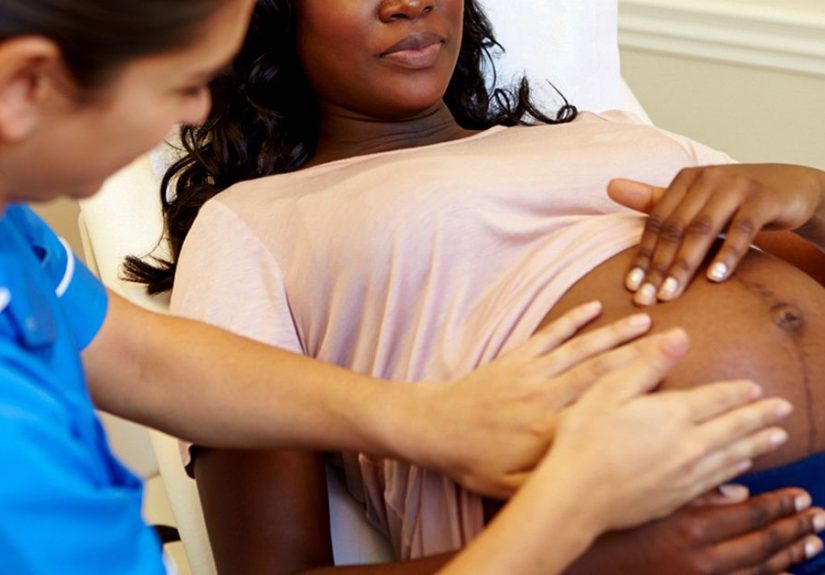
During the attempt, the provider places both hands on your abdomen and applies steady, controlled pressure to encourage the baby to roll forward or backward into a head-down position. Sometimes one provider performs the version; other times a second clinician assists. The pressure may feel strange, intense, or uncomfortable. Many people describe it as very firm pushing rather than sharp pain. The attempt may last only a few minutes, though the whole appointment can take much longer because of preparation and monitoring.
If the baby does not move, your provider may pause, recheck with ultrasound, and try a different direction. If the baby’s heart rate changes, if you are in too much discomfort, or if the provider feels it is unsafe to continue, the attempt stops. You are not required to be a statue of bravery. You can speak up at any time.
Does External Cephalic Version Hurt?
ECV can be uncomfortable. Some people say it feels like intense pressure and deep stretching. Others find it painful enough that they would not want to repeat it. A few say it was easier than expected. The range is wide because bodies, babies, uteruses, pain tolerance, provider technique, and anxiety levels all vary.
Breathing slowly, relaxing the abdominal muscles, and trusting the team can help. Some hospitals offer pain relief options, while others routinely perform ECV without anesthesia. If you are worried about discomfort, ask your provider ahead of time what pain management is available and whether it affects success rates or monitoring.
How Successful Is ECV?
Success rates vary, but many sources describe average success around half of attempts, often in the range of about 50% to 60%. Some studies and clinical settings report higher or lower rates depending on patient selection, provider skill, use of uterine relaxants, anesthesia, fetal position, and other factors.
It is helpful to think of ECV as an opportunity rather than a promise. A successful version can be exciting and may open the door to a head-down labor. An unsuccessful version does not mean anyone failednot you, not the baby, not the provider. Sometimes the baby simply says, “Thank you for your suggestion, but I have chosen my seating arrangement.”
What Are the Risks of External Cephalic Version?
Serious complications from ECV are uncommon, especially when the procedure is done in an appropriate hospital setting with fetal monitoring and cesarean capability available. Still, every medical procedure has risks, and informed consent matters.
Possible Risks Include:
- Temporary changes in the baby’s heart rate
- Premature rupture of membranes, also known as water breaking
- Vaginal bleeding
- Placental abruption, when the placenta separates from the uterine wall too early
- Umbilical cord complications
- Preterm labor or the start of labor
- Need for urgent cesarean birth, though this is rare
- Fetomaternal bleeding, which may be relevant for Rh-negative patients
If you are Rh-negative, your provider may recommend Rh immune globulin after the procedure unless your baby is known to be Rh-negative or your care plan says otherwise. Ask your care team how they handle this.
What Happens After ECV?
After the attempt, your team monitors the baby’s heart rate again. If everything looks reassuring and you feel well, you may go home the same day. Your provider will tell you when to call or come in. Warning signs may include vaginal bleeding, leaking fluid, contractions that become regular, severe abdominal pain, decreased fetal movement, fever, or anything that feels seriously wrong.
If the ECV is successful, your baby is head-down at that moment. Your provider will continue checking position at future visits because a small number of babies do turn back. If the ECV is unsuccessful, you and your provider will discuss next steps, which may include scheduling a planned C-section, considering another attempt in select cases, or discussing whether vaginal breech birth is an option at your hospital with an experienced clinician.
Can ECV Start Labor?
Yes, external cephalic version can occasionally trigger contractions, water breaking, or labor. This is one reason it is generally done near term and in a setting prepared for delivery. Most people do not go directly into labor after ECV, but it is important to understand the possibility.
If you are already having contractions or your water has broken, ECV may or may not be appropriate depending on the situation. Sometimes version can be attempted early in labor under specific circumstances, but this is highly individualized and depends on fetal position, provider experience, hospital resources, and maternal-fetal status.
Labor After a Successful ECV
If your baby stays head-down after ECV, labor may proceed much like any other head-down labor. You may go into labor spontaneously, or you may have an induction if there is another medical reason. Your provider may continue to confirm the baby’s position when you arrive at the hospital because presentation can change.
A successful ECV does not automatically mean labor will be easy, fast, or vaginal. It simply removes one major reason for a planned cesarean: breech presentation. Labor still depends on contractions, cervix changes, baby’s tolerance, pelvic fit, maternal health, and all the other fascinating variables that make obstetrics both scientific and wildly humbling.
What If ECV Does Not Work?
If ECV does not work, the most common next step in many U.S. hospitals is planning a cesarean birth, often around 39 weeks if there is no reason to deliver earlier. Some hospitals and providers support planned vaginal breech birth for carefully selected patients, but this requires specific expertise, strict protocols, and detailed counseling about risks and benefits.
Some patients ask about exercises, chiropractic techniques, acupuncture, moxibustion, inversions, music, lights, or frozen peas placed near the baby’s head. While some nonmedical methods are popular, the evidence is mixed, and they should not replace medical guidance. Before trying anythingespecially anything involving heat, herbs, extreme positions, or abdominal pressuretalk with your provider.
Questions to Ask Your Provider Before ECV
Going into the appointment with clear questions can make the decision feel less overwhelming. Consider asking:
- Am I a good candidate for external cephalic version?
- Where is my placenta located?
- How much amniotic fluid do I have?
- What is my baby’s exact position?
- What is your success rate with ECV?
- Will you use medication to relax my uterus?
- What pain relief options are available?
- How long will the baby be monitored before and after?
- What would make you stop the procedure?
- What happens if the version works?
- What happens if it does not work?
- Would vaginal breech birth be an option for me here?
Benefits of ECV
The biggest benefit of ECV is that it may turn a breech baby head-down and improve the chance of vaginal birth. For someone hoping to avoid a C-section, this can be meaningful. Avoiding a cesarean may also reduce certain surgical risks, shorten recovery for some people, and potentially affect planning for future pregnancies.
Another benefit is emotional. Many people appreciate having an active option rather than moving straight from “baby is breech” to “scheduled surgery.” Even when ECV does not work, some patients feel reassured that they explored a reasonable choice before making the next plan.
Limitations of ECV
ECV is not suitable for everyone, not always successful, and not always comfortable. It also does not eliminate all birth risks. A successful version can still be followed by induction, long labor, fetal heart rate concerns, or cesarean birth for other reasons. An unsuccessful version can feel disappointing, especially if you were strongly hoping for a vaginal delivery.
The best approach is shared decision-making. That means your provider brings medical knowledge, you bring your values and preferences, and together you choose the safest reasonable path. In a perfect world, the baby would also submit a written preference form, but babies remain famously uncooperative with paperwork.
External Cephalic Version vs. Planned C-Section
ECV and planned cesarean are not enemies. They are different tools for different circumstances. ECV is an attempt to create the possibility of head-down vaginal birth. Planned C-section is often recommended when a baby remains breech and vaginal breech delivery is not available or not considered safe for that pregnancy.
Some people choose ECV because they want to avoid surgery if possible. Others decline ECV because they are uncomfortable with the procedure, have a lower chance of success, or prefer a scheduled cesarean after counseling. Both decisions can be valid when made with accurate information and medical guidance.
Recovery After ECV
Most people recover quickly from ECV. You may feel belly soreness, mild cramping, or fatigue afterward. Rest, hydration, and gentle movement are usually enough, but follow your provider’s instructions. Do not ignore warning signs such as heavy bleeding, leaking fluid, severe pain, regular contractions, or reduced fetal movement.
Emotionally, give yourself room to feel whatever comes up. If the version worked, you may feel thrilled but still anxious. If it did not work, you may feel frustrated or sad. If you chose not to do it, you may wonder if you made the right decision. Pregnancy decisions can be emotionally loaded, and breech presentation often arrives late in the game, when everyone thought the plan was nearly set. Be kind to yourself.
Real-World Experiences: What ECV Can Feel Like Emotionally and Practically
Experiences with external cephalic version vary widely, but there are common themes many parents describe. The first is surprise. A breech diagnosis often happens at a late third-trimester appointment when the patient expected routine measuring, a quick heartbeat check, and maybe a reminder to install the car seat. Suddenly the conversation shifts to ultrasound confirmation, ECV, cesarean planning, and delivery options. It can feel like the birth plan just got grabbed by the ankles and flipped upside downmuch like the baby, ideally.
Many people describe the days before ECV as a mix of research and nerves. They read success stories, scary stories, medical handouts, and forum posts written by strangers with very strong opinions. One helpful strategy is to separate personal stories from medical likelihood. A dramatic story online may be true, but it may not represent your risk. Your own provider can explain your baby’s position, placenta location, fluid level, and personal chance of success far better than an internet comment section at 1:00 a.m.
During the procedure, some patients say the pressure is manageable but intense. They focus on breathing, squeeze a partner’s hand, or stare at the ceiling tiles as if the tiles personally owe them courage. Others find the discomfort stronger than expected and ask the provider to stop. That is allowed. Consent continues throughout the procedure. A good care team explains what is happening, checks in often, and stops when safety or comfort requires it.
After a successful ECV, people often describe a strange moment of disbelief. One minute the baby was breech; a few minutes later, ultrasound shows a head-down baby. There may be joy, relief, happy tears, and the sudden realization that labor is back on the table. Some patients feel physically tender afterward, as if they did an abdominal workout designed by an overenthusiastic obstetrician. Resting for the remainder of the day can help.
After an unsuccessful ECV, the emotional experience can be more complicated. Some people feel disappointed, especially if they had imagined an unmedicated vaginal birth or hoped to avoid surgery. Others feel peaceful because they know they tried. Some feel both at once. A failed ECV does not mean the body failed. It may mean the baby was tucked too deeply, the placenta was in the way, the uterus stayed firm, the fluid was limited, or the baby simply did not tolerate the attempt. The next best step is not blame; it is a safe plan.
Partners and support people also play a role. They can help by listening, taking notes, asking practical questions, and not saying things like “Just relax” during a procedure that involves someone manually encouraging a fetus to somersault. Better phrases include “You’re doing great,” “Breathe with me,” and “Do you want me to ask them to pause?” Support should feel steady, not motivational-poster aggressive.
One of the most useful lessons from real-world ECV experiences is flexibility. Some babies turn. Some do not. Some turn back. Some labors unfold beautifully after successful version. Some still need cesarean birth for unrelated reasons. The goal is not to force one perfect birth story. The goal is to make informed choices, reduce avoidable risks, and arrive at delivery with a team prepared to care for both parent and baby.
Conclusion
External cephalic version is a valuable option for many people with a breech baby near term. It is a non-surgical attempt to turn the baby into a head-down position, usually performed around 37 weeks in a hospital setting with ultrasound, fetal monitoring, and cesarean services available if needed. While ECV can be uncomfortable and does carry rare risks, serious complications are uncommon when patients are carefully selected and monitored.
The decision to try ECV should be personal, informed, and guided by your medical team. Ask questions, understand your specific chance of success, and talk through what happens whether the procedure works or not. Breech presentation can feel like a last-minute plot twist, but with good information and supportive care, you still have optionsand options are powerful.






 Close
Close