
Table of Contents >> Show >> Hide
- Why Proper Nail Cutting Matters More Than You Think
- Step 1: Prep Like a Pro Before You Cut
- Step 2: How to Cut Your Fingernails Correctly
- Step 3: How to Cut Your Toenails to Avoid Ingrown Nails
- Step 4: What to Do With Cuticles and Hangnails
- Step 5: Nail Hygiene and Tool Safety
- How Often Should You Cut Your Nails?
- Common Nail-Cutting Mistakes to Avoid
- When to See a Professional About Your Nails
- Real-Life Experiences: What You Learn Once You Start Cutting Nails Correctly
Cutting your nails seems like one of those things humans should be born
knowing how to doright up there with blinking and complaining about
Mondays. But ask any dermatologist or podiatrist, and they’ll tell you:
a lot of us are trimming our nails in ways that invite problems like
hangnails, infections, and ingrown toenails instead of preventing them.
The good news? You don’t need a fancy salon or a drawer full of tools to
cut your nails correctly. You just need the right technique, a bit of
consistency, and a tiny dash of patience. In this guide, we’ll walk
through expert-backed steps for trimming fingernails and toenails, how
to deal with cuticles and hangnails safely, and the nail-care habits
that keep trouble away.
Why Proper Nail Cutting Matters More Than You Think
Your nails aren’t just decorative. They protect delicate tissue at the
tips of your fingers and toes, help you pick things up, and even offer
clues about your overall health. But when you cut them the wrong way,
you can:
- Increase your risk of ingrown toenails, especially on the big toes.
- Cause painful hangnails and tiny skin tears that can become infected.
- Weaken the nail plate, leading to splitting, cracking, and breakage.
- Damage the cuticle, which acts as a barrier against bacteria and fungi.
Dermatologists and podiatrists consistently recommend a few key
principles: cut nails straight or almost straight across, don’t cut them
too short, keep tools clean, and be gentle with the surrounding skin.
Following these basics alone can dramatically lower your risk of nail
problems over time.
Step 1: Prep Like a Pro Before You Cut
Choose the Right Tools
You don’t need a professional manicure kit, but you do need tools that
are sharp, clean, and designed for nails. Experts usually recommend:
- Nail clippers or manicure scissors for fingernails.
- Larger toenail clippers or heavy-duty nippers for toenails, especially if they’re thick.
- An emery board or nail file to smooth and shape the edges.
- A cuticle pusher (wooden or metal) if you plan to gently push back cuticles.
Avoid using random household scissors or, worse, teeth. They don’t cut
evenly, they can tear the nail, and they’re not exactly sterile.
Clean and Soften Your Nails First
Cutting nails when they’re rock-hard and dry can cause splitting. Most
medical and nail-care experts suggest softening nails before trimming.
Easy ways to do that include:
- Taking a shower or bath and trimming afterward.
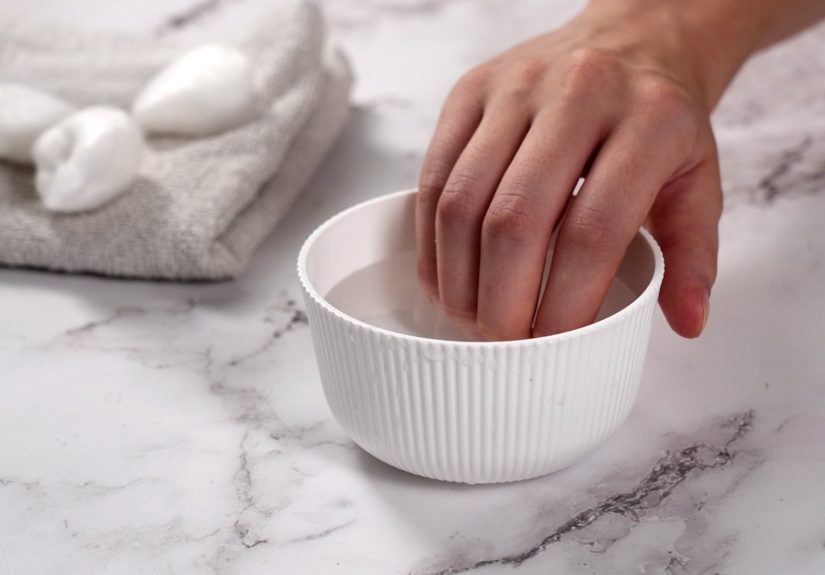
- Soaking hands or feet in warm, soapy water for 5–10 minutes.
- Drying thoroughly so you have a good grip and don’t slip.
Soft nails are easier to cut smoothly, especially thick toenails. Just
make sure they’re not so soft that they bendlightly towel-drying is
usually perfect.
Step 2: How to Cut Your Fingernails Correctly
Fingernails grow faster than toenails and usually need trimming every
week or two, depending on how quickly yours grow and how short you like
to keep them.
The Expert-Approved Technique
-
Start with clean, dry hands.
Any lotions or oils can make the clippers slip. -
Cut almost straight across.
Dermatology experts often recommend cutting fingernails nearly straight
across, not super rounded, to keep them strong and reduce the chance
of them catching on things. -
Use several small cuts instead of one big chop.
This helps prevent cracking or splintering the nail. -
Leave a thin white edge.
Don’t cut all the way down to the pink part (the nail bed). Leaving a
tiny margin of white nail helps protect the fingertip and reduces
tenderness and infection risk. -
File to shape.
Use a nail file to gently round the corners and smooth rough edges.
File in one direction instead of sawing back and forth, which can
split the nail.
For most people, a slightly rounded shape at the tip is comfortable and
practical. It also makes it less likely your nail will snag on fabric or
scratch your skin.
How Short Is Too Short?
If your fingertips hurt after trimming, you probably went too far. As a
rule of thumb (pun intended), you want the nail to extend just a bit
beyond the fingertip. Cutting into the pink area or digging under the
free edge can:
- Break the seal between the nail and the skin.
- Invite bacteria and fungi under the nail.
- Increase your risk of painful nail infections and hangnails.
Step 3: How to Cut Your Toenails to Avoid Ingrown Nails
Toenails are a slightly different story. They grow more slowly than
fingernails, and improper trimming is one of the biggest causes of
ingrown toenails. Medical organizations and podiatrists are remarkably
consistent on this point: cut toenails straight across.
The Right Way to Trim Toenails
-
Soak your feet first.
A warm foot soak makes thick toenails easier to cut and more
comfortable to work with. -
Use proper toenail clippers.
They’re larger and stronger, which helps you make clean, controlled
cuts. -
Cut straight across.
Don’t follow the curve of your toe and don’t aggressively round the
corners. A flat or gently squared-off shape is ideal. -
Take small, straight cuts.
Work from one side toward the middle, then from the other side, to
avoid cracking or twisting the nail. -
Don’t cut below the edge of the skin.
Leave the nail just even with or slightly past the end of your toe. -
Lightly smooth edges with a file.
Be gentlethis is shaping, not sculpting.
Cutting toenails too short or digging into the corners can create sharp
nail “shards” that grow into the surrounding skin. This is exactly how
many ingrown toenails startand once they’re painful and swollen, they
can require professional treatment.
Special Considerations for High-Risk Feet
If you have diabetes, poor circulation, nerve damage in your feet, or a
history of severe nail problems, most experts recommend seeing a
podiatrist for routine toenail care. Even a small cut or ingrown nail
can turn into a more serious problem if healing is impaired.
Step 4: What to Do With Cuticles and Hangnails
Cuticles: Handle With Care (Or Don’t Cut at All)
The cuticle is that thin strip of skin where the nail meets the skin at
the base. It looks decorative, but it’s actually a protective seal that
keeps microbes from slipping under the nail. Many dermatologists and
nail professionals advise against cutting cuticles at home because:
- Cutting can create tiny open wounds around the nail.
- Those wounds can easily become red, swollen, and infected.
- Repeated cutting can permanently damage the nail matrix and change nail growth.
A safer approach is:
- Soften cuticles by soaking in warm water or applying cuticle softener.
- Gently push them back with a cuticle pusher or wooden stick.
- Trim only dead or obviously loose bits of skin if necessary, and do it very carefully.
- Finish with a nourishing hand cream or cuticle oil.
If the skin around your nails is cracked, painful, or inflamed, skip
pushing or trimming and let it healor talk with a healthcare
professional if it’s getting worse, not better.
Hangnails: Don’t Rip, Snip
Hangnails are those annoying little flaps of skin at the edge of the
nail that appear out of nowhere and hurt way more than they look like
they should. They’re usually caused by dry skin, frequent handwashing,
or picking at the cuticles.
Here’s how experts suggest handling them:
- Wash your hands and soften the area in warm water.
- Use clean, sharp cuticle nippers or small scissors to carefully snip the hangnail close to the base.
- Don’t pull or tear itthis can rip deeper into the skin.
- Apply a bit of petroleum jelly or moisturizer afterward.
If the area becomes very red, hot, swollen, or starts oozing pus, that
could be a sign of infection. That’s your cue to stop DIY’ing and check
in with a medical professional.
Step 5: Nail Hygiene and Tool Safety
You can have perfect trimming technique and still run into trouble if
your tools are dirty. Because nail clippers come into contact with skin
and sometimes tiny amounts of blood, it’s important to keep them clean.
How to Keep Nail Tools Clean
- Wash clippers, files, and nippers with warm water and soap to remove debris.
- Dry tools completely to prevent rust.
- Disinfect metal tools with rubbing alcohol (around 70%) by wiping or soaking.
- Store them in a clean, dry containerpreferably not loose in a bathroom drawer.
- Don’t share nail tools with other people when possible.
For home use, simple washing and alcohol disinfection are usually
enough. If you visit a salon, don’t hesitate to ask how they clean their
equipmentreputable places are usually happy to explain their
sanitizing steps.
How Often Should You Cut Your Nails?
There’s no one-size-fits-all schedule, but here’s a general guide:
-
Fingernails: About once every 1–2 weeks for most
people. If you work with your hands a lot or prefer very short nails,
you may trim more often. -
Toenails: Every 3–4 weeks is common, since toenails
grow more slowly.
Of course, your ideal timing depends on your job, hobbies, and personal
style. The key is consistency: don’t let nails get so long they break or
press uncomfortably against your shoes, and don’t cut them so short that
they hurt or expose tender skin.
Common Nail-Cutting Mistakes to Avoid
- Rounding toenail corners too much. This is a big driver of ingrown toenails.
- Cutting nails extremely short. This exposes the nail bed and increases infection risk.
- Using dull, rusty, or dirty tools. These can tear nails and introduce germs.
- Peeling or tearing nails instead of cutting. This splits layers of the nail and weakens it.
- Cutting or aggressively trimming cuticles. This removes your natural protective barrier.
- Biting nails. It’s hard on the nail, the skin, and your teethand it introduces bacteria from your mouth.
If you recognize yourself in more than one of these, don’t panic. Just
start fixing them with your next trim. Nails grow, which means you get
a fresh chance every few weeks to do better.
When to See a Professional About Your Nails
Nail care is usually safe to handle at home, but you should reach out to
a dermatologist, podiatrist, or other healthcare professional if you
notice:
- Persistent pain, swelling, or redness around a nail.
- Drainage, warmth, or signs of infection.
- Repeated or severe ingrown toenails.
- Thickened, discolored, or crumbling nails that could indicate fungus.
- Nails separating from the nail bed.
If you have diabetes, poor circulation, or nerve damage affecting your
hands or feet, get personalized guidance on how to trim your nails
safely. In those cases, even small nail problems deserve extra
attention.
Real-Life Experiences: What You Learn Once You Start Cutting Nails Correctly
Once people switch from “fast and random” nail trimming to a more
thoughtful, expert-style approach, a few common experiences tend to pop
upsome practical, some surprisingly satisfying.
You Stop Treating Nail Trimming as an Afterthought
Most of us trim our nails in the least glamorous way possible: standing
over a trash can, rushing before work, or snapping them off when we
notice they’re too long. When you start cutting them correctly, it
becomes more of a mini ritual. You gather your tools, soak your hands or
feet, sit somewhere comfortable, and actually pay attention.
That small shift tends to have ripple effects. People often find they
notice little changeslike a nail that’s thickening, skin that’s getting
unusually dry, or the very early stages of an ingrown naillong before
it becomes a big problem. It’s like regular “micro-maintenance” that
saves you from emergencies later.
Fewer Annoying Snags, Tears, and “Mystery” Pain
One of the fastest benefits of proper trimming is fewer nail disasters
during the day. When nails are cut almost straight, filed smoothly, and
not too short, you:
- Snag clothing and bedding far less often.
- Stop catching your nails on zippers, hair, and bags.
- Have fewer painful breaks right at the corner or side of the nail.
People who wear gloves for work, use keyboards, or handle small tools
frequently often report that “nails just stop getting in the way” once
they’re trimmed and shaped properly. It’s a small quality-of-life
upgrade that you notice every day.
Toenails Become Less of a Battle
If toenail trimming has always felt like a wrestling matchespecially if
your nails are thick, curved, or sensitiveswitching to the “straight
across, small cuts” method can be a game-changer. Soaking your feet
first, using proper clippers, and refusing to dig into the corners often
means:
- Less soreness after trimming.
- Fewer ingrown nails over time.
- Less dread when it’s time to grab the toenail clippers again.
People who exercise a lot, wear tight shoes, or play sports with cleats
especially benefit from correct toenail trimming. It can be the
difference between enjoying that long walk or run and being hyper-aware
of one angry toenail the whole time.
You Start Respecting Cuticles Instead of Attacking Them
Many people grow up thinking cuticles are a cosmetic nuisance that need
to be cut off. After learning that they’re actually a protective seal,
pushing them back gently (or simply moisturizing them) starts to feel
less like “doing less” and more like “doing it right.”
Over time, the skin around the nails often looks smoother and less
inflamed when cuticles are left mostly intact. People who used to have
constant redness or little tears at the base of their nails often find
that simply backing off the cuticle cutting and keeping the area
moisturized makes a huge difference.
Hangnails Become Less Frequent and Less Dramatic
Hangnails go from being a constant, painful surprise to an occasional,
manageable annoyance when you:
- Stop cutting nails too short.
- Moisturize hands and cuticles regularly.
- Snip hangnails cleanly instead of tearing them.
Many people also notice that once they stop picking at their nails and
cuticles, they feel less self-conscious about their hands overall. That
usually leads to even better nail habitsa nice little positive cycle.
You See Nail Cutting as Part of Overall Self-Care
It may sound dramatic, but trimming your nails the right way is a small,
concrete way to take care of yourself. It doesn’t require special
products, a big budget, or hours of timejust consistent, gentle
attention to how you treat the ends of your fingers and toes.
Over time, many people find that:
- Their nails look healthier and smoother, even without polish or gel.
-
They feel more comfortable doing everyday taskstyping, exercising,
cookingbecause nails aren’t catching, breaking, or hurting. - They notice problems early and feel more confident about when to handle something at home and when to see a professional.
Cutting your nails correctly isn’t about perfection or fancy routines.
It’s about small, smart habitscutting straight or almost straight
across, not going too short, being kind to your cuticles, and keeping
tools clean. Once those become automatic, your nails quietly do what
they’re meant to do: protect, support, and look nicely put together
without a lot of drama.






 Close
Close