
Table of Contents >> Show >> Hide
- What “Soft and Shiny” Actually Means (and When It’s a Red Flag)
- The “Shiny Coat” Formula: 5 Levers That Matter Most
- Step 1: Brush Like You Mean It (But Not Like You’re Sanding a Deck)
- Step 2: Bathing (Only When You Need ItThis Isn’t a Weekly Spa Membership)
- Step 3: Feed for a Glossy Coat (Because Shine Starts in the Bowl)
- Step 4: Hydration and HumidityThe Underestimated Coat Upgrade
- Step 5: Beat the Coat VillainsFleas, Allergies, Stress, and Pain
- Quick Troubleshooting: What Your Cat’s Coat Is Telling You
- A Simple 14-Day “Coat Glow-Up” Plan
- Real-World Experiences: What Cat Owners Commonly Notice During a “Shiny Coat” Makeover
- Conclusion: Shine Is a Habit (Not a Miracle Product)
A cat with a soft, shiny coat looks like they just walked out of a salonexcept their stylist is (usually) their own tongue.
When fur feels rough, looks dull, or starts clumping into mats, it’s not just a “bad hair day.” A cat’s coat is a giant, fluffy
status report on grooming habits, nutrition, hydration, stress, and sometimes health.
The good news: most “coat glow-ups” come from a few simple changes done consistently. The better news: your cat will still take
full credit for the results.
What “Soft and Shiny” Actually Means (and When It’s a Red Flag)
In general, a healthy coat is smooth to the touch, has a natural shine (not greasy), and sheds in a normal, seasonal way. Dullness,
excessive dandruff, oily patches, thinning fur, or constant scratching can point to issues like parasites, allergies, poor nutrition,
pain (especially in older cats who can’t twist like a gymnast anymore), or other medical concerns.
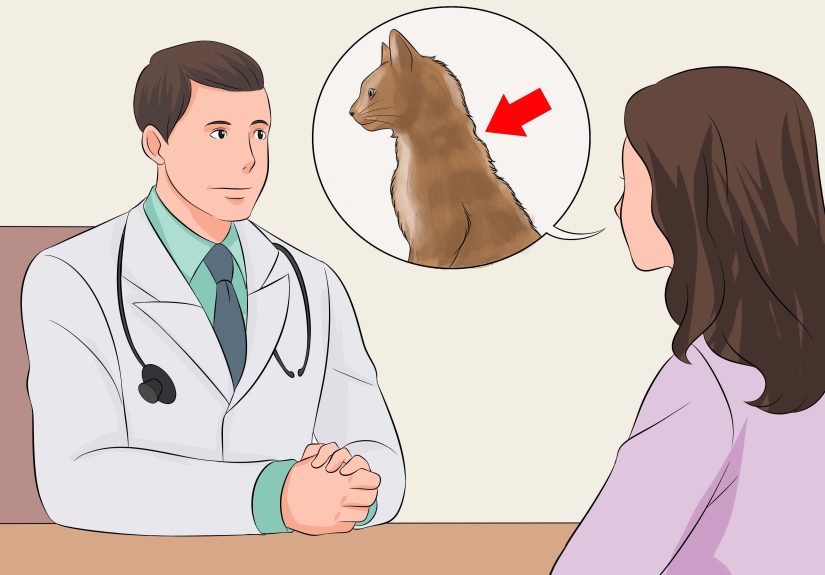
If your cat’s coat changes suddenlyor you notice bald spots, scabs, strong odor, open sores, or relentless itchingmake the vet visit
the next step. A soft coat is great; a comfortable, healthy cat is the goal.
The “Shiny Coat” Formula: 5 Levers That Matter Most
- Grooming help (brushing and combing) to remove loose hair and spread natural oils.
- Complete-and-balanced nutrition with enough protein, essential fatty acids, vitamins, and minerals.
- Hydration (because skin that’s dry on the inside won’t be magically moisturized on the outside).
- Parasite and skin care (fleas and allergies are coat killers).
- Low-stress living + comfort (stress and pain can reduce self-grooming and increase overgrooming).
Step 1: Brush Like You Mean It (But Not Like You’re Sanding a Deck)
Brushing is the fastest way to improve coat texture and shine. It lifts out loose fur and dander, helps prevent tangles, and distributes
your cat’s natural skin oils along the hair shaftbasically nature’s leave-in conditioner.
Pick the Right Tool for Your Cat’s Coat
-
Short-haired cats: A rubber grooming mitt/brush plus a fine-toothed comb for finishing passes.
Rubber is great for grabbing loose hairs without irritating the skin. -
Medium- to long-haired cats: A stainless-steel comb (for the undercoat and early tangles) plus a slicker brush
(gentle, small sections). -
Cats prone to mats: A comb is your best early-warning system. If mats form, don’t yankwork slowly from the outside
edge inward. If the mat is tight to the skin, it’s safer to have a professional handle it. -
Seniors or touch-sensitive cats: Start with a soft rubber brush or mitt to build tolerance, then graduate to a comb
if they allow it.
How Often Should You Brush?
- Short-haired: 1–3 times per week (daily during heavy shedding seasons).
- Long-haired: Daily or near-daily to prevent tangles and mats.
- Older cats, overweight cats, or cats with arthritis: More frequent gentle brushing helps compensate for reduced self-grooming.
Brushing Technique That Actually Works
- Go with the grain: Brush in the direction the fur grows. Save “backwards brushing” for professional groomers and chaos goblins.
- Work in zones: Head/neck, back, sides, chest, belly, hindquarters. Small sections reduce drama and tangles.
- Hit the sneaky spots: Behind ears, armpits, belly, and “pants” area on long-haired catsprime mat territory.
- Keep sessions short: 2–5 minutes is plenty at first. End before your cat reaches their daily sarcasm limit.
- Reward generously: Treats, praise, or a favorite toy after grooming builds positive association.
Bonus: Brushing Helps With Hairballs
The more loose fur you remove with a brush, the less your cat swallows while self-grooming. That can mean fewer hairballsand fewer
surprise “floor art installations.”
Step 2: Bathing (Only When You Need ItThis Isn’t a Weekly Spa Membership)
Most cats don’t need regular baths. But a bath can help if your cat got into something sticky, has an oily coat, or your veterinarian
recommends it for a skin issue. The key is doing it safely and calmly.
Bathing Do’s
- Trim nails first to protect everyone involved.
- Brush before bathing to remove loose hair and any tangles (water tightens mats).
- Use cat-specific shampoo (human products can irritate feline skin).
- Keep water lukewarm and use a non-slip mat for stability.
- Protect ears by keeping water outcotton at the ear opening can help during the bath (remove afterward).
- Dry thoroughly with towels; keep your cat warm until fully dry.
Bathing Don’ts
- Don’t bathe right after applying topical flea prevention unless your vet says it’s okay (bathing can reduce effectiveness depending on timing/product).
- Don’t use essential oils or strongly scented productscats can be very sensitive to them.
- Don’t force it if your cat is panicking. A stressed bath can do more harm than good.
Step 3: Feed for a Glossy Coat (Because Shine Starts in the Bowl)
If brushing is the “polish,” nutrition is the “paint.” Your cat’s skin and coat need high-quality protein plus essential fatty acids,
vitamins (like A and E), and minerals. If the diet is lackingor not balanced for your cat’s life stagefur often looks dull, feels coarse,
or sheds excessively.
Choose a “Complete and Balanced” Diet
For most cats, the simplest move is feeding a diet labeled as “complete and balanced” for your cat’s life stage. This matters because
treats, toppers, and random “extras” usually aren’t meant to be fed as the main diet. If you love spoiling your cat (and who doesn’t),
keep extras modest so the main diet still does the heavy nutritional lifting.
The Coat Nutrients That Matter Most
- Protein: Cats are obligate carnivores. Adequate protein supports hair growth and coat quality.
- Omega-6 fatty acids: Important for skin barrier and coat condition.
- Omega-3 fatty acids (EPA/DHA): Often used to support skin health and help manage inflammatory skin conditions.
- Vitamins and antioxidants: Vitamin A and E are commonly highlighted for skin/coat support in balanced diets.
Should You Add Fish Oil?
Fish oil (a source of EPA and DHA) is commonly discussed for skin and coat support, especially for cats with certain skin issues.
But it’s not a “more is better” situation. Supplements can interact with medical conditions or medications, cause digestive upset,
and low-quality products may carry contamination risks.
If you’re considering fish oil, treat it like a real supplementnot a kitchen seasoning. Ask your veterinarian about whether it’s appropriate,
the right dose for your cat’s weight and health, and what product quality standards to look for.
Step 4: Hydration and HumidityThe Underestimated Coat Upgrade
Healthy skin needs water. Mild dehydration can make skin less supple and fur feel rough. Many cats don’t drink much by nature, so hydration
strategies can help:
- Fresh water access: Multiple bowls in quiet areas; some cats prefer wide, shallow bowls.
- Water fountains: Many cats drink more from moving water.
- Wet food or adding water to food: A practical way to increase moisture intake (ask your vet if your cat has special dietary needs).
- Indoor air check: Very dry indoor air can worsen flakiness for some catsespecially in winter heating seasons.
Step 5: Beat the Coat VillainsFleas, Allergies, Stress, and Pain
Parasites (Especially Fleas)
Fleas can trigger intense itching and skin inflammation in sensitive cats. Even indoor cats can be exposed (humans and other pets can
carry fleas inside). If you see frequent scratching, scabs, or “flea dirt,” talk to your veterinarian about a prevention plan.
Allergies and Skin Conditions
Allergic skin disease in cats can show up as itching, overgrooming, scabs, and coat changes. Management often requires a step-by-step
veterinary approach to identify triggers (like fleas, food, or environmental factors) and build a long-term plan.
Stress and Overgrooming
Some cats groom excessively when stressed, which can lead to broken hairs and thin patches. Common triggers include changes in routine,
new pets, conflict with another cat, or boredom.
- Keep routines predictable (feeding, play, quiet time).
- Add enrichment: Short daily play sessions, puzzle feeders, window perches.
- Create safe zones: Vertical spaces, separate resources (litter boxes, bowls) in multi-cat homes.
Pain (The Silent Grooming Blocker)
Older cats, overweight cats, or cats with arthritis may stop grooming hard-to-reach areas. You’ll often notice dandruff or mats along the back,
near the base of the tail, or on the hindquarters. Gentle brushing becomes extra important herealong with a veterinary check if mobility seems reduced.
Quick Troubleshooting: What Your Cat’s Coat Is Telling You
Dandruff (Flaky Skin)
- Try: More frequent gentle brushing, improved hydration, diet review, parasite check.
- Escalate to vet if: Redness, odor, scabs, hair loss, or persistent itching accompanies flakes.
Greasy or “Oily” Coat
- Try: Brush more often; consider whether your cat is missing spots during self-grooming; ask your vet if a bath is appropriate.
- Escalate to vet if: There’s a strong smell, skin irritation, or the coat suddenly becomes oily.
Mats and Clumps
- Try: Daily combing for long-haired cats, focusing on friction zones (armpits, behind ears).
- Escalate to a pro if: Mats are tight to the skin or your cat becomes upsetcutting mats with scissors at home can accidentally injure skin.
Heavy Shedding
- Try: Increase brushing frequency, keep nutrition consistent, manage stress, and consider a vet visit if shedding is sudden or extreme.
A Simple 14-Day “Coat Glow-Up” Plan
Want structure without turning your home into a feline hair salon? Here’s a realistic two-week plan that improves softness and shine
without testing your cat’s patience (or yours).
Days 1–3: Make Grooming Non-Scary
- Do 2–3 minute brush sessions once daily.
- Use treats after each session.
- Brush only easy areas at first (back and sides) if your cat is sensitive.
Days 4–7: Add Coverage + Check the Diet
- Increase to 4–5 minutes, adding chest and belly if tolerated.
- Review food: ensure it’s complete and balanced for your cat’s life stage.
- Keep treats modest; avoid constantly switching foods unless your vet recommends it.
Days 8–14: Lock It In
- Brush on a schedule that fits the coat type (short-haired a few times weekly, long-haired daily).
- Improve hydration (more water stations, consider wet food if appropriate).
- Watch for itching, scabs, or bald spotssigns you should involve your veterinarian.
Real-World Experiences: What Cat Owners Commonly Notice During a “Shiny Coat” Makeover
Below are common, real-life-style scenarios (composite examples based on typical owner experiences and veterinary guidance) that show how
small changes can transform a coatplus the little surprises that come along for the ride.
1) The Short-Haired Cat Who Looked “Dusty”
A short-haired indoor cat can still develop a dull, slightly flaky coatespecially during seasonal shedding or in a home with dry air.
Owners often assume, “But my cat grooms constantly!” The twist is that self-grooming doesn’t always remove loose undercoat efficiently.
When owners add a rubber grooming mitt a few times a week, they commonly notice two things within the first week: (1) the coat feels smoother,
and (2) there’s less loose hair on furniture. The shine tends to show up next, especially along the back and sides where brushing spreads natural oils.
The funniest part? The cat may act mildly offended, like you’ve been holding out on them with this “premium service.”
2) The Long-Haired Cat Who Secretly Collected Mats
Long-haired cats can look glamorous while hiding mats in high-friction zonesbehind the ears, under the front legs, and along the hindquarters.
Owners often report they didn’t realize how tight those tangles were until they started using a metal comb. Once daily “two-minute comb checks”
become routine, mats stop appearing as often. Many owners also learn a key lesson: bathing a long-haired cat with mats is a fast track to tighter mats.
In these glow-up stories, the coat becomes softer not from more bathing, but from consistent combing and fewer tangles pulling at the skin.
3) The Senior Cat Who Stopped Reaching the “Back Half”
A classic scenario: an older cat’s shoulders and face look fine, but the lower back and near the tail base become flaky or slightly clumpy.
Owners may think it’s “just aging,” but it can be a sign the cat is stiff, uncomfortable, or carrying extra weight. When owners add gentle brushing
focused on those hard-to-reach areas, they often see less dandruff and fewer clumps within two weeks. Another common win: the cat seems happier during
grooming sessions because you’re essentially helping them do what they want to do but can’t do as easily anymore. Many owners describe it as
“maintenance that also feels like bonding.”
4) The Itchy Cat Where Shine Didn’t Matter Until Comfort Returned
Some cats can’t achieve a glossy coat because they’re too busy scratching or overgrooming. Owners commonly notice broken hairs, thinning patches,
or scabby areas. In many of these cases, the real turning point is addressing the underlying causeoften parasites or allergiesunder veterinary guidance.
Once itch is controlled, brushing becomes comfortable again, and coat quality improves as the skin heals. Owners frequently say the “shine” came last;
first came better sleep, calmer behavior, and less frantic grooming.
5) The Diet Tweak That Made the Coat Feel Like Velvet
Another pattern: owners switch from an inconsistent mix of foods and lots of treats to a steady, complete-and-balanced diet. Over time, they report
the coat feels softer, shedding seems more predictable, and the fur lies flatter instead of looking “puffed” or rough. When supplements like fish oil
are involved, the best outcomes are usually the boring (and safest) onesvet-approved dosing, careful product choice, and patience. Owners who take the
“slow and steady” approach often describe the change as gradual but obvious: more sheen along the spine, fewer flakes, and a coat that feels smoother
when petting against the grain (which your cat may allow exactly once).
The shared theme across these experiences is consistency. Brushing once in a panic before guests arrive is not a coat-care strategy. Small routines,
steady nutrition, and quick attention to itch or mats tend to produce the soft, shiny coat you’re aiming forwithout turning your bathroom into a
splash zone.
Conclusion: Shine Is a Habit (Not a Miracle Product)
If you want your cat’s fur soft and shiny, focus on the basics: brush consistently, feed a complete-and-balanced diet, support hydration, prevent
parasites, and reduce stress. Most coat improvements come from simple routines done well. And if coat changes are sudden, severe, or paired with
itching, scabs, odor, or hair loss, bring your veterinarian into the planbecause healthy shine is really a side effect of overall health.






 Close
Close