
Table of Contents >> Show >> Hide
- Before You Start: Know What Kind of Fur You Have
- Way 1: Dry Refresh and Surface-Clean Fur
- Way 2: Spot-Clean Faux Fur at Home
- Way 3: Hand-Wash Faux Fur Carefully or Use a Fur Specialist for Real Fur
- How to Handle Wet Fur Without Making Things Worse
- Common Mistakes to Avoid When Cleaning Fur
- How to Keep Fur Cleaner Longer
- Conclusion
- Real-World Experiences With Cleaning Fur
- SEO Tags
Fur is one of those materials that can look glamorous, cozy, dramatic, expensive, and slightly high-maintenance all at once. In other words, it is basically the diva of your closet. The problem is that many people treat all fur the same way, and that is where disasters begin. Real fur and faux fur are not identical, they do not react the same way to water and heat, and they absolutely do not appreciate being cleaned with the same level of confidence people use on gym socks.
If you want to clean fur without flattening it, matting it, shrinking it, or turning it into a cautionary tale, the first step is simple: identify what kind of fur you have. Real fur usually needs more specialized care, while faux fur can often be refreshed at home with gentler methods. Once you know what you are dealing with, you can choose the right approach instead of playing laundry roulette.
In this guide, you will learn three practical ways to clean fur, from light surface refreshes to deeper cleaning decisions. You will also learn when to stop being brave and call a pro, which is honestly one of the most underrated cleaning skills on Earth.
Before You Start: Know What Kind of Fur You Have
Before you do anything, check the care label. That tiny tag is not trying to ruin your mood. It is trying to save your coat, vest, trim, throw, rug, or accessory from an unfortunate future. If the item says dry clean only, fur specialist only, or gives specific washing instructions, follow those directions first.
Here is the fast version:
Natural fur
Natural fur includes items made from animal pelts, often with leather backing. These pieces can dry out, stiffen, crack, or lose their shape if they are soaked, machine washed, or exposed to heat. If you own a real fur coat, vintage fur jacket, heirloom stole, or anything that looks like it belongs in an old Hollywood dressing room, treat it like a specialty garment.
Faux fur
Faux fur is made from synthetic fibers. It is generally more forgiving than natural fur, but it can still become matted, tangled, or heat-damaged if you wash it too aggressively or toss it into a hot dryer like you are punishing it for existing. Faux fur responds best to cool water, mild detergent, light handling, and patience.
Way 1: Dry Refresh and Surface-Clean Fur
This is the best method for fur that is not truly dirty, just a little dusty, stale, or flattened from storage. Think of it as a reset rather than a full cleaning. It works especially well for lightly soiled faux fur, and it is also the safest at-home maintenance step for many natural fur pieces.
When to use this method
Use a dry refresh when your fur smells a little musty, has picked up surface dust, or looks limp after being packed in a closet. This method is also useful after wearing fur outdoors on a dry day.
How to do it
First, take the item outside or to a well-ventilated area and give it a gentle shake. This helps loosen dust, lint, and debris stuck between the fibers. Do not whip it around like you are signaling a rescue helicopter. A controlled shake is enough.
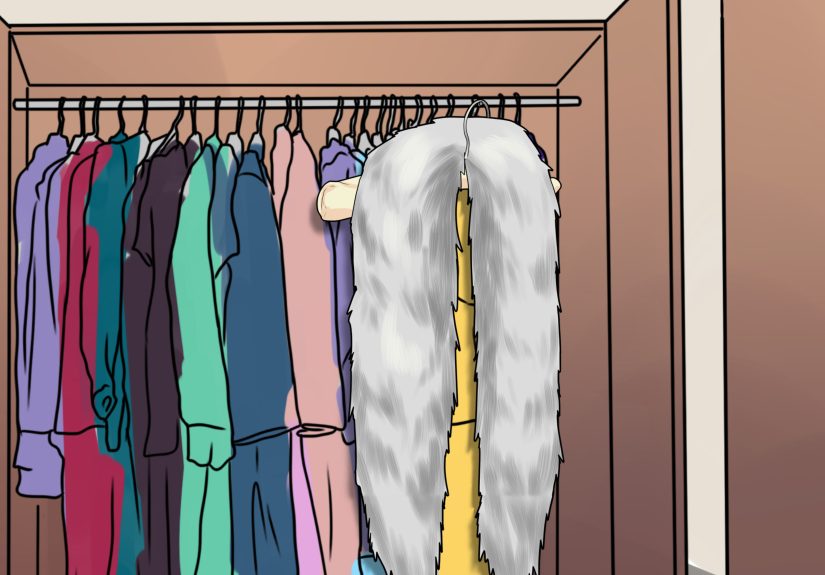
Next, hang the fur on a broad, padded hanger. Let it air out in a cool, dry room away from direct sunlight, radiators, vents, or any other heat source that seems eager to make bad decisions. Good airflow is your friend here. Cramped closets are not.
If the fur is faux, you can lightly fluff the fibers with your fingers or use a wide-tooth comb very gently on tangled areas. Work in the direction of the pile and do not yank. This is fur care, not a wrestling match. For real fur, avoid aggressive brushing unless the manufacturer or a fur specialist specifically recommends it.
If your item has a fabric lining that smells stale but the fur itself is not stained, lightly freshening the lining can sometimes make the whole piece feel cleaner. Do not saturate it. A little restraint goes a long way.
Best uses for dry refreshing
This method is ideal for faux fur pillows, trim on hoods, decorative throws, lightly dusty coats, and natural fur garments that just need a freshening between professional cleanings. It is also the least risky option when you are unsure whether the fur can tolerate moisture.
What not to do
Do not use a hot hair dryer, do not spray perfume on the fur to “freshen” it, and do not blast it with fabric refresher unless the label specifically says that is safe. Fur does not enjoy random chemistry experiments.
Way 2: Spot-Clean Faux Fur at Home
If you have a small stain on faux fur, spot cleaning is usually the smartest move. It targets the mess without turning the entire item into a soggy project that takes two days to dry and one emotional support snack to recover from.
When to use this method
Spot cleaning works well for makeup smudges, small food drips, light dirt, and everyday mystery marks that appear when nobody in the house is willing to admit what happened. It is best for faux fur jackets, vests, blankets, trim, costume pieces, and home accessories.
What you need
You will need cool water, a mild detergent, a soft white cloth, and a dry towel. Skip harsh stain removers, bleach, heavy-duty degreasers, and anything that sounds like it belongs in a garage.
How to spot-clean faux fur
Mix a tiny amount of mild detergent into cool water. Dip your cloth into the solution and blot the stained area gently. Do not scrub in tight circles like you are trying to erase a mistake from history. Blotting lifts the stain without tangling the fibers too badly.
Once the stain starts to loosen, use a second cloth dampened with plain cool water to blot away soap residue. Then press a dry towel against the area to absorb excess moisture. The goal is damp, not drenched.
Afterward, let the item air-dry completely. Keep it away from direct sun and all forms of heat. When the fibers are mostly dry, gently separate and fluff them with your fingers. On faux fur, a wide-tooth comb can help restore the texture if the pile has clumped together.
What if the stain does not come out?
If the stain lingers after one or two careful attempts, stop there. Repeated scrubbing usually makes faux fur look worse. At that point, professional cleaning is often safer than doubling down with stronger products.
Can you spot-clean real fur?
You can lightly address a minor issue on a lining or a very small area if the care label allows it, but in general, natural fur is not a great candidate for DIY stain treatment. The fur fibers and the leather backing can react badly to moisture, heat, or overhandling. When in doubt, go pro.
Way 3: Hand-Wash Faux Fur Carefully or Use a Fur Specialist for Real Fur
This third approach is really a split path, because faux fur and natural fur do not belong in the same cleaning bucket. If your item is faux fur and the label allows it, a gentle hand wash may work. If your item is real fur, heavily soiled, vintage, or structurally delicate, a fur specialist is the safest choice.
Option A: Hand-wash faux fur
Hand washing is often the gentlest deep-clean option for washable faux fur. Fill a sink or basin with cool water and add a small amount of mild detergent. Submerge the item and move it gently through the water. Think lazy swishing, not aggressive exercise. Let it soak briefly if needed, then rinse thoroughly with cool water until the soap is gone.
Do not wring the item. That is how fibers get twisted and backing gets stressed. Instead, press out water gently. You can roll the item in a thick towel to remove more moisture without rough handling.
Then lay the item flat to dry or hang it on a padded hanger if the shape allows. Reposition it as it dries so the fur does not dry with weird dents or flattened patches. Never use high heat. In fact, for faux fur, heat is the quickest route from “soft and fluffy” to “what happened here?”
Option B: Take real fur to a fur specialist
For natural fur, deep cleaning is usually not a home project. A professional fur cleaner or furrier has the equipment and materials to remove dirt, oils, and odor while helping preserve the softness of the fur and the condition of the leather backing. This matters even when the coat does not look visibly dirty, because tiny particles, body oils, and residue can still build up over time.
If your real fur coat has stains, smoke odor, makeup transfer, water exposure, flattening, or stiffness, professional care is the smart move. The same goes for vintage fur. Old fur can be more fragile than it looks, and one enthusiastic DIY session can cause damage that is expensive or impossible to reverse.
How to Handle Wet Fur Without Making Things Worse
If fur gets caught in rain or snow, do not panic. Panic is not a cleaning method. Shake off excess moisture and hang the item in a cool place with good airflow. Let it dry naturally. Do not place it near a heater, radiator, fireplace, sunny window, or clothes dryer. Heat can dry out real fur and distort faux fur fibers.
Once it is dry, gently fluff the fur back into place. If a natural fur item becomes soaked through, feels stiff after drying, or still smells odd, have it examined by a fur specialist. Water can be sneaky, and damage often shows up after the drama seems over.
Common Mistakes to Avoid When Cleaning Fur
One of the biggest mistakes is assuming more cleaning power equals better results. Fur usually responds best to less force, less heat, and less product. Another common mistake is ignoring the care label because the item “looks washable.” Famous last words.
Avoid machine washing real fur, tumble-drying any fur on heat, using bleach, soaking leather-backed items, brushing natural fur aggressively, stuffing fur into tight storage, or trying random internet hacks involving vinegar baths, strong solvents, or mystery sprays from the back of the cabinet.
How to Keep Fur Cleaner Longer
The easiest way to clean fur less often is to keep it from getting dirty fast. Hang it on a wide hanger, give it room to breathe, and store it in a cool, dry place. Avoid crushing it in a packed closet. Keep perfume, hairspray, smoke, and makeup away from the fibers when possible. If it is faux fur, clean small stains quickly before they settle in. If it is real fur, schedule professional care before the piece starts looking tired.
In short, prevention is cheaper than regret, and significantly less awkward than explaining to a specialist why your coat smells like vanilla spray and ambition.
Conclusion
When it comes to how to clean fur, the right method depends on the type of fur, the level of dirt, and how much risk you are willing to take with the item. For light upkeep, a dry refresh can revive fur safely. For small stains on faux fur, spot cleaning with cool water and mild detergent is usually the best move. For washable faux fur that needs a deeper cleaning, hand washing can work if you are gentle and patient. And for real fur, deep stains, or heirloom pieces, professional cleaning is usually the correct answer.
The good news is that fur does not need constant scrubbing. It needs smart care, a little restraint, and a strict no-heat policy. Treat it well, and it can stay soft, fluffy, and dramatic in all the right ways.
Real-World Experiences With Cleaning Fur
One of the most common experiences people have with fur is discovering that “dirty” does not always mean visibly stained. A faux fur throw can look perfectly fine and still feel dull, flattened, or slightly grimy from everyday use. The same thing happens with coat collars and hood trim. They collect skin oils, dust, makeup, and indoor air residue little by little. Then one day you touch the fur and realize it has gone from luxurious to suspicious. That is usually the moment people learn that a gentle refresh can do more than a dramatic deep clean.
Another very real experience is overconfidence. Plenty of people assume faux fur can handle anything because it is synthetic. Then they wash it roughly, dry it with heat, and end up with fibers that feel crispy or look fused together. That is a tough lesson, but it is a common one. Faux fur is easier to clean than natural fur, yet it still punishes impatience. The best results usually come from a slow, gentle process: cool water, mild soap, careful blotting, towel-drying, and plenty of air drying time.
Real fur creates a different kind of experience: fear. People are often afraid to touch it, clean it, or even hang it incorrectly. That nervousness is not entirely a bad thing. A little caution goes a long way with natural fur. Owners of vintage coats often describe the same pattern. The item looks strong, but once they inspect it closely, they notice aging around seams, dryness in the backing, or a slight stiffness that means it should not be handled like a normal winter coat. In those cases, professional care is not a luxury move. It is basic preservation.
There is also the universal experience of dealing with weather. Someone wears fur out on a cold day, gets caught in drizzle or wet snow, and immediately imagines the entire garment dissolving like a paper napkin. Usually, that is not what happens. A calm response works better: shake off moisture, hang the item properly, and let it dry naturally. People who do this tend to get much better long-term results than people who rush the process with a heater, dryer, or sunny window. Heat almost always creates the bigger problem.
Then there is the storage issue, which sneaks up on a lot of people. Fur can come out of a cramped closet looking crushed, dusty, and oddly sad. Many cleaning problems actually start as storage problems. Tight spaces flatten the pile. Heat dries materials out. Poor airflow traps odors. So a lot of “cleaning fur” is really about restoring texture and freshness after months of bad storage choices. Once people switch to broader hangers, better spacing, and cooler conditions, they often notice they need fewer major cleanings.
The most helpful experience, though, is learning that fur responds well to patience. Not force. Not heat. Not ten products layered together in a burst of cleaning optimism. Patience. People who take their time usually save the texture, shape, and softness of the piece. Whether it is a faux fur blanket, a coat with fur trim, or a vintage heirloom, the principle stays the same: gentle care wins.







 Close
Close