
Table of Contents >> Show >> Hide
- Why This “Awesome Thing” Hits So Hard
- The Secret Superpower: It’s Not Force, It’s Pressure
- Not All Plungers Are Created Equal
- The “Uh-Oh” Moment: What To Do Before You Plunge
- How to Plunge a Toilet Like You Mean It (Without Making a Mess)
- When a Plunger Isn’t Enough
- Plunger Etiquette: Guests, Storage, and Bathroom Privacy
- Keeping It Clean (Because “Hero Tool” Still Needs Hygiene)
- What a Plunger Quietly Teaches You About Life
- Extra : Familiar Plunger Experiences (Because We’ve All Lived Some Version of This)
There are a lot of heroic moments in life that don’t get movie trailers. No slow-motion explosions. No
inspirational soundtrack. Just you, a bathroom door that suddenly feels like it weighs 900 pounds, and a
toilet that’s making a sound best described as “regret in liquid form.”
And thenlike a tiny Excalibur hiding behind the throneyou see it: the plunger. Not glamorous. Not cute.
Not something you’d proudly “unbox” on social media. But in that moment? It’s basically a caped crusader
with a wooden handle.
Why This “Awesome Thing” Hits So Hard
The whole vibe of 1000 Awesome Things is celebrating everyday wins: small, oddly specific moments
that make you grin because they’re universally relatable. A plunger is the perfect example. You don’t
admire it during normal times. You barely acknowledge it exists. But when you really need one, it becomes
the MVP of personal dignity.
It’s also the rare household tool that solves two problems at once:
it fixes the clog and it prevents you from having to make the world’s most awkward request:
“Hey… do you happen to have a plunger… for reasons…”
The Secret Superpower: It’s Not Force, It’s Pressure
A common misconception is that plunging is about shoving the blockage farther down the pipe like you’re
trying to send it to another zip code. Nope. The real magic is pressure changespushing and pulling water
and air back and forth to loosen whatever’s causing the traffic jam.
Think of it like persuading the clog to leave, not evicting it with brute strength. The best plunging
creates a tight seal and uses controlled motion to build pressure and suction. When it works, it feels
like the universe has forgiven you.
Not All Plungers Are Created Equal
If plungers had dating profiles, most people would pick the wrong one based on looks alone. To avoid that
heartbreak, here are the main typesand what they’re actually good for.
1) The Cup Plunger (a.k.a. “The Sink Guy in the Toilet’s World”)
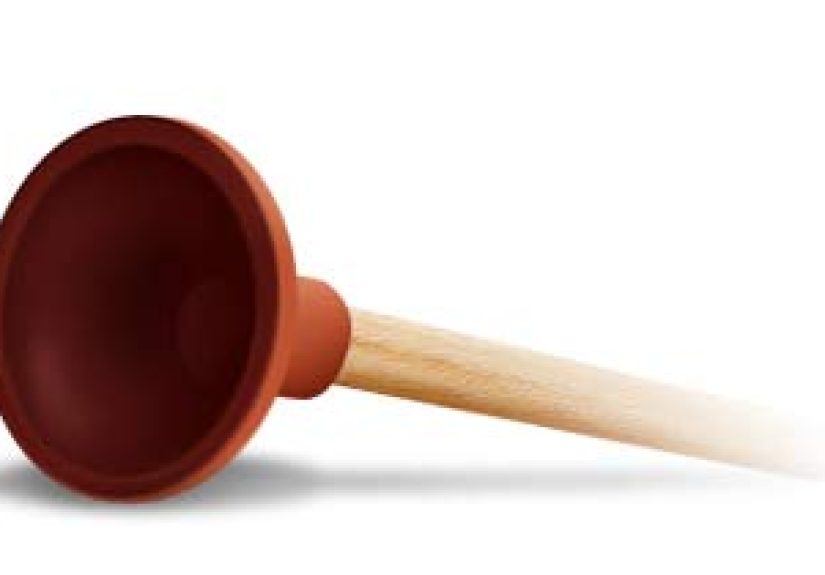
This is the classic red rubber cup. It’s great for flat surfaces like sinks and tubs, but it’s usually
not the best tool for a toilet because toilet drain openings aren’t flat.
2) The Flange Plunger (the Toilet Specialist)
This one has an extra rubber “flange” that folds out to fit into the toilet drain opening and form a
better seal. If your bathroom had a toolbox hall of fame, the flange plunger would get a plaque.
3) Beehive or Accordion-Style Plungers (high-powered, sometimes awkward)
These are designed for toilets and can move a lot of water/pressure. Some people love them for stubborn
clogs; others find them a bit clunky to position. Either way, they’re not here to play.
The short version: if you want one plunger that’s actually prepared for real toilet drama, go with a
toilet-specific modelespecially a flange-style.
The “Uh-Oh” Moment: What To Do Before You Plunge
Before you do anything else, remember the golden rule of clogged toilets:
do not keep flushing like it’s a slot machine.
Every flush is a gamble, and the house (the toilet) often wins.
Step 1: Stop the water from rising
If the bowl is close to overflowing, pause and prevent more water from entering. If needed, you can stop
the refill by using the shutoff valve behind the toilet or by stopping the tank from refilling. This is
the difference between “minor inconvenience” and “bathroom incident report.”
Step 2: Check the water level
A plunger needs enough water to cover the rubber cup so it can create a seal and move water through the
trap. Too little water and you’re mostly punching air. Too much water and you’re one enthusiastic plunge
away from cleaning your bathroom floor with your socks.
Step 3: Give it a minute
Sometimes the water level drops as the clog shifts. Waiting briefly can reduce the risk of overflow and
make the plunge easier.
How to Plunge a Toilet Like You Mean It (Without Making a Mess)
A good plunge is surprisingly methodical. The goal is a tight seal and a steady rhythmnot a frantic
arm workout that looks like you’re churning butter.
1) Position for a seal
Place the plunger over the drain opening so the cup (or flange) sits snugly. If you’re using a flange
plunger, make sure the flange is extended into the drain.
2) Start gently
Begin with a slow push to force air out and establish suction. This reduces splash risk and sets up the
pressure cycle that actually clears clogs.
3) Pump with control
Use firm, vertical strokespush and pullkeeping the seal intact. Many practical guides recommend short
bursts of steady plunging, then checking whether the water level drops before trying again.
4) Test the drain carefully
If the water recedes, that’s your sign to test a gentle flush. If it doesn’t, repeat the plunging cycle.
This is not a time for pride; it’s a time for physics.
And one more thing: if you used a chemical drain opener (not recommended for toilets in many cases),
do not plunge afterward. It can splash caustic liquid where you really don’t want it.
Bathrooms should not require goggles.
When a Plunger Isn’t Enough
Sometimes the clog is stubborn, deep, or made of something that never should have gone down there in the
first place (we’ll keep this family-friendly and simply say: “ambitious flushing choices”).
Try a toilet auger (a.k.a. a closet auger)
A toilet auger is designed to reach into the trapway and break up or retrieve blockages without damaging
the porcelain. It’s a logical next step when plunging fails and you’d rather not call a plumber at the
exact moment your bank account is also clogged.
Know when to call for help
If multiple drains are backing up, you smell sewer gas, or the toilet keeps clogging repeatedly, it may
be a bigger issue than a one-time blockage. At that point, getting professional help can prevent damage
(and preserve your sanity).
Plunger Etiquette: Guests, Storage, and Bathroom Privacy
A plunger is like a first-aid kit: you hope nobody needs it, but it should be easy to find. The trick is
balancing accessibility with the fact that, aesthetically, plungers are not winning any home décor awards.
Keep it available (but not center stage)
If guests are over, the kindest thing you can do is make sure a plunger exists in the bathroom and can be
found quicklywithout someone having to ask. Covered holders, discreet bins, or ventilated caddies work
well because they keep it nearby while also keeping it from becoming the room’s main character.
Keeping It Clean (Because “Hero Tool” Still Needs Hygiene)
A plunger saves the day, but it also gets up close and personal with… the day. So a quick cleaning routine
matters.
Clean first, then disinfect
Public health guidance consistently emphasizes that cleaning (soap/detergent + water) is the first step
because it removes dirt and reduces germs. Disinfecting works best after cleaning, since grime can make
disinfectants less effective.
Dry it before storing
Moisture trapped under the rubber can lead to odor and microbial growth. A holder with drainage or airflow
is a practical upgrade. Your future self will thank you.
What a Plunger Quietly Teaches You About Life
The best part of “a plunger when you really need one” is that it’s a tiny story about preparedness and
relief. It’s proof that the most underrated tools are the ones that fix problems fast and restore normal
life in minutes.
It’s also a reminder that adulthood is basically a long series of moments where you realize:
“Wow. I’m responsible for this now.”
And then you handle it. Sometimes with grace. Sometimes with a plunger.
Extra : Familiar Plunger Experiences (Because We’ve All Lived Some Version of This)
1) The First Apartment Reality Check.
You move into your first place and feel wildly accomplished. You own a shower curtain! You have two kinds
of pasta! Then, one random Tuesday, the toilet clogs and you realize you didn’t buy a plunger because you
were busy choosing between “mid-century modern” and “also mid-century modern but $12 cheaper.” The panic
is immediate. You search every cabinet like a scavenger hunt. Nothing. Suddenly, the plunger becomes the
most romantic object you can imaginepure function, zero judgment, and the ability to save you from
asking a neighbor you’ve met exactly once for a weird favor.
2) The Guest Bathroom Plot Twist.
There’s something uniquely suspenseful about a clogged toilet when you’re not at home. You’re in someone
else’s bathroom, surrounded by lotions that cost more than your monthly streaming subscriptions, and the
toilet is making an ominous “glug” that suggests it’s thinking about your entire past. You look for a
plunger with the intensity of a detective. If you find one? Instant relief. If you don’t? You start
considering a new identity and a cross-country move. This is why the best hosts keep a plunger accessible
but discreetso guests can solve the problem privately, like mature humans, not like fugitives.
3) The “Low-Flow Toilets Are Great… Until They Aren’t” Moment.
Modern toilets save water, which is great for the planet and your utility bill. But occasionally, that
low-flow flush can feel a little underpoweredlike it tried its best and then politely gave up. When the
bowl water rises instead of leaving, time slows down. In that moment, a toilet plunger feels less like a
tool and more like a technology upgrade. You can practically hear your brain narrating: “And now, we will
apply pressure differentials to restore balance to the bathroom ecosystem.”
4) The Parenting / Pet / “How Did That Even Get In There?” Saga.
In homes with kids or curious pets, toilets become mystery boxes. Things disappear. Some reappear. Some
will never be spoken of again. A plunger is the first line of defense when flushing choices are bold and
consequences are immediate. It’s not about blame; it’s about problem-solving. And maybe about putting the
bathroom door latch slightly higher.
5) The Redemption Arc.
After the crisis, there’s always a quiet little victory lap. The water drains. The toilet flushes like a
normal, cooperative household appliance. You wash up, clean the tool, and put it away. Your heart rate
returns to normal. Life goes on. But you look at that plunger differently now. It’s no longer just a
rubber cup on a stickit’s the reason your day didn’t become a story that ends with “and then we had to
call someone.”
And that’s the real “awesome thing” here: the plunger is a humble household backup plan that turns a
potentially embarrassing, inconvenient moment into a quick fix. It restores normalcy. It protects your
peace. And it asks for nothing in return except a quick rinse and a respectful storage spotpreferably one
with drainage.






 Close
Close