
Table of Contents >> Show >> Hide
- Before You Start: A Quick Reality Check on Reusing Containers
- 1. Turn Glass Jars Into a Countertop Herb Garden
- 2. Use Old Candle Jars as High-End Bathroom Storage
- 3. Give Plastic Planters a Promotion to Under-Sink Caddies
- 4. Make Tin Cans Into Lanterns, Utensil Holders, or Desk Cups
- 5. Repurpose Clear Food Containers Into Drawer Organizers
- 6. Create a Seed-Starting Station From Yogurt Cups and Nursery Packs
- 7. Turn Pretty Jars and Tubs Into Pantry Helpers
- 8. Use Broken Pots and Large Containers for Mini Garden Features
- How to Choose the Right Reuse Project
- Real-Life Experience: What Happens When You Actually Start Reusing Old Containers
- Conclusion
Most homes have a sneaky little container problem. You buy pasta sauce, candles, berries, takeout, or plants, and before long your cabinets are hosting a reunion of jars, tubs, tins, and mystery lids. Some of them are too nice to toss, too awkward to stack, and too plentiful to pretend you’ll “use someday.” Good news: someday is today.
Repurposing old containers is one of the easiest ways to save money, cut clutter, and add personality to your home without buying more stuff to organize the stuff you already have. The trick is knowing which containers are worth keeping, which ones need a quick cleanup, and which ones should absolutely not be reused for certain jobs. A sturdy glass jar? Great. A cracked candle vessel? Hard pass. A flimsy meat tray? Straight to the nope pile.
Below, you’ll find eight smart, surprisingly stylish ways to reuse old containers around the house and garden. These ideas are practical, beginner-friendly, and based on real-life cleaning, organizing, decorating, and gardening habitsnot fantasy projects that require a glue gun, a power drill, and the confidence of a reality-show host.
Before You Start: A Quick Reality Check on Reusing Containers
Not every old container deserves a glamorous second act. Before you repurpose anything, give it a fast inspection. Skip containers that are cracked, rusted, badly dented, peeling, or impossible to clean thoroughly. Glass jars are usually the MVPs of reuse because they’re sturdy and easy to wash. Metal tins can be charming, but line them or use them for dry storage if the inside is worn. Plastic containers work best for light-duty organization, seed starting, or garage storageespecially if they’re still in good shape.
Also, be smart about food safety. Containers that once held raw meat or other single-use packaging are not good candidates for reuse. And if you’re turning an old container into a planter, remember the golden rule of container gardening: plants want drainage, not a swampy little tragedy.
1. Turn Glass Jars Into a Countertop Herb Garden
One of the easiest and most satisfying ways to reuse old containers is to transform glass jars into a mini herb garden. Pasta sauce jars, jam jars, salsa jars, and mason jars work beautifully for basil, mint, parsley, or propagating cuttings in water.
Why it works
Glass looks clean and intentional, especially on a sunny windowsill. It also makes it easy to monitor root growth and water levels, which is handy if you’re rooting herbs or growing cuttings before transplanting them.
How to make it look good
Use matching jars for a tidy row, or mix different shapes for a more collected look. Add small labels, wrap twine around the neck, or tuck the jars into a shallow tray so the setup feels curated instead of “I panic-cleaned the recycling bin.”
Pro tip
If you’re planting directly into a jar, add a smaller nursery pot inside rather than filling the glass container with soil. That gives you the polished look of glass without trapping water around the roots. If you do use reused pots or seed trays, sanitize them well first.
2. Use Old Candle Jars as High-End Bathroom Storage
Empty candle jars are basically bathroom organizers wearing fancy perfume. Once the wax is removed and the jar is clean, you’ve got a chic little vessel that can hold cotton balls, hair ties, makeup brushes, floss picks, bath salts, or even a tiny succulent.
Why it feels surprising
People often think of old containers as purely practical, but candle jars are decorative by nature. Many come tinted, textured, lidded, or labeled in a way that makes them look more boutique than budget.
Best uses
- Vanity storage for cotton rounds and makeup sponges
- Nightstand catch-all for rings and hair clips
- Desk storage for paper clips and thumbtacks
- A refreshed candle with a new insert or wax refill
Just make sure the jar isn’t chipped or cracked. Pretty glass and open flame are only friends when the container is heat-safe and undamaged.
3. Give Plastic Planters a Promotion to Under-Sink Caddies
Old plastic plant pots don’t have to retire from active duty. Their waterproof design makes them perfect for messy storage in kitchens, laundry rooms, mudrooms, and bathrooms. In other words, that orphaned planter from last spring can now become the employee of the month under your sink.
Smart new jobs for old planters
- Sink caddies for sponges, scrub brushes, and gloves
- Laundry shelf bins for stain removers and dryer balls
- Garage organizers for twine, tape, and seed packets
- Craft room cups for brushes, scissors, and glue sticks
This works especially well with medium-sized pots that are too plain to display but too sturdy to toss. Slide one onto a shelf, group similar items together, and suddenly your cleaning supplies look like they have life goals.
4. Make Tin Cans Into Lanterns, Utensil Holders, or Desk Cups
Tin cans are the overachievers of container reuse. They’re durable, easy to paint, and surprisingly versatile. With a little cleanup, soup cans and coffee tins can become outdoor lanterns, picnic utensil holders, pencil cups, or kitchen tool organizers.
Three easy ways to repurpose them
Lanterns: Paint the outside, punch decorative holes, and add an LED tea light for a backyard glow that looks far more charming than it has any right to.
Utensil holders: Group several decorated cans in a crate or tray for cookouts, birthday parties, or taco night. Forks and napkins have never looked so prepared.
Desk organization: Use one can for pens, one for scissors, and one for random charging cables that somehow reproduce overnight.
If the can’s interior shows rust or sharp edges, skip food-related use and keep it strictly decorative or organizational.
5. Repurpose Clear Food Containers Into Drawer Organizers
Takeout tubs, deli containers, berry boxes, and shallow packaging inserts can be excellent drawer dividers. This is one of the least glamorous ideas on the list, but possibly the most useful. And usefulness, as we all know, is deeply attractive.
Where these reused containers shine
- Junk drawers
- Office supply drawers
- Bathroom drawers
- Sewing and craft storage
- Kids’ art carts
The beauty here is customization. Instead of buying a one-size-fits-none organizer, you can build a layout from the containers you already have. One for rubber bands, one for batteries, one for paper clips, one for mystery keys you are emotionally attached to for reasons unknown.
Choose containers with low sides so drawers still close easily. Clear options are best because you can see everything at a glance, which means less rummaging and fewer “I know I bought tape” moments.
6. Create a Seed-Starting Station From Yogurt Cups and Nursery Packs
Gardeners have been reusing containers forever, and for good reason: seed starting can get expensive if you buy every tray, pot, and insert new. Yogurt cups, berry containers, plastic nursery packs, and small tubs can all help launch seedlings indoors.
Why this is a smart reuse idea
Young plants do not care whether their starter home once held Greek yogurt. They care about drainage, clean growing medium, and enough room for roots to get established. That makes reused containers ideal for getting a jump on herbs, flowers, and vegetables.
What to do first
Wash and sanitize reused planting containers, then add drainage holes if they don’t already have them. Use a light potting or seed-starting mix rather than garden soil, which is usually too dense for containers and seedlings.
Berry clamshells can also work as mini humidity domes. It’s one of those gardening hacks that feels delightfully thrifty while still being genuinely effective.
7. Turn Pretty Jars and Tubs Into Pantry Helpers
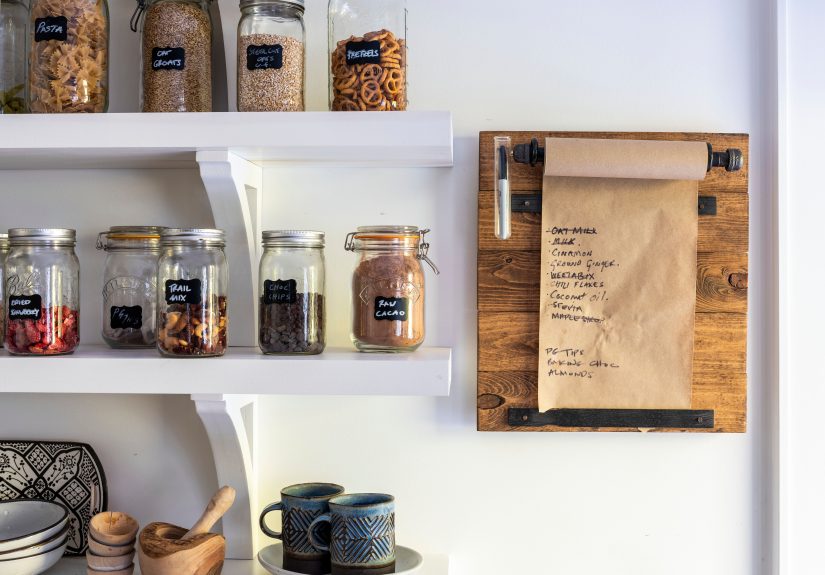
Old containers can make your pantry more functional and more attractive at the same time. Glass jars with tight-fitting lids are great for dry goods, while sturdy tubs can hold snacks, tea bags, spice packets, or baking odds and ends. Suddenly, your shelf looks less “chaotic gremlin energy” and more “person who labels flour on purpose.”
Best pantry uses
- Rice, pasta, oats, beans, and nuts in glass jars
- Tea sachets and drink mixes in short tubs
- Baking tools corralled in larger bins
- Grab-and-go snack stations for kids or work lunches
The key is consistency. Even if every jar doesn’t match, using containers intentionally creates visual order. Add simple labels and you’ll spend less time digging through half-open boxes and more time pretending your pantry belongs in a magazine.
8. Use Broken Pots and Large Containers for Mini Garden Features
Here’s the most surprising idea on the list: even damaged containers can be useful. Broken terra-cotta pots, oversized bowls, and weathered planters can be reborn as fairy gardens, succulent scenes, shallow water features, or decorative garden accents.
Ideas worth trying
Fairy garden: Use large pot pieces as steps, terraces, or retaining walls inside a wider container.
Succulent bowl: Shallow containers are ideal for small succulents and trailing plants, especially on patios.
Drainage helper: A pottery shard placed over a drainage hole can help keep soil from washing out while still allowing water to escape.
Garden art: Arrange mismatched containers in one zone for a collected, cottage-style effect.
This is where repurposing old containers becomes less about storage and more about style. Worn, chipped, and weathered pieces can add character outdoors in a way brand-new planters sometimes can’t.
How to Choose the Right Reuse Project
If you’re staring at a pile of old containers and wondering where to begin, sort them by material and shape. Glass jars are best for visible storage, décor, and propagation. Plastic tubs are ideal for drawers, garages, and seedlings. Candle jars belong in bathrooms, vanities, or desktop zones. Tins work for tools, utensils, and lanterns. Old planters are perfect for caddies and garden use.
Then ask one practical question: What problem can this solve in my house right now? The best upcycling ideas are not the cutest ones on paper. They’re the ones you’ll actually use every day.
Real-Life Experience: What Happens When You Actually Start Reusing Old Containers
The funny thing about reusing old containers is that it starts as a small, innocent project and quickly turns into a new way of thinking. First you save one pasta jar because it “might be useful.” Then you clean a candle jar, line up three old planters under the sink, and suddenly you’re looking at a yogurt cup like it has career potential.
In real homes, the biggest payoff usually isn’t the money savedthough that part is nice. It’s the way these little reuse projects remove friction from everyday life. A glass jar of clothespins near the laundry area is easier to grab than a half-torn cardboard box. A drawer divided with reused deli tubs is easier to keep neat than a wide-open chaos pit. An herb cutting rooted in a salsa jar is a lot more motivating than a gardening plan you keep postponing.
Another thing people notice quickly is that reused containers tend to make organization feel less rigid. Store-bought bins can be helpful, but they can also pressure you into creating a picture-perfect system you don’t maintain. Reused containers are more forgiving. They let you experiment. You can move them around, relabel them, repaint them, or swap them into a different room without feeling like you ruined a matching set that cost real money.
There’s also a weirdly satisfying creative element to it. Not “I have opened an Etsy shop” creativejust enough to make daily chores less dull. Painting old tins, grouping jars on a tray, or using a worn planter as a sink caddy adds personality in places that normally get ignored. It’s practical décor. It works while looking like you tried, even if the truth is you were just too stubborn to throw out a cute jar.
Of course, experience teaches a few lessons too. Not every container is worth saving. Keeping twenty flimsy takeout tubs is not sustainability; it’s cabinet terrorism. The best results come from being selective. Save the containers that are sturdy, useful, easy to clean, and genuinely suited to your space. Recycle the rest. Also, labels matter more than people think. A reused container without a label can become a tiny mystery novel, especially in the pantry.
Over time, these projects also change how you shop. Once you realize an attractive jar can become storage, a planter can become organization, and a candle vessel can become bathroom décor, you stop assuming every household problem needs a brand-new solution. That mindset is probably the biggest upgrade of all. Reusing old containers doesn’t just give objects a second lifeit gives your home a smarter, more resourceful rhythm. And honestly, that’s a pretty good return on a jar of pickles.
Conclusion
Giving new life to old containers is one of the simplest ways to make your home more organized, more personal, and a little more sustainable without spending much at all. From herb gardens and pantry storage to desk cups, lanterns, seed trays, and bathroom organizers, the right reused container can solve a problem and add style at the same time.
The real secret is choosing projects that fit your daily life. Start small. Save the best jars, clean the prettiest candle vessels, reclaim a few plastic planters, and test one idea this week. Once you see how useful these “leftovers” can be, you may never look at an empty container the same way again.





 Close
Close