
Table of Contents >> Show >> Hide
- What “low self-esteem” really means (in plain English)
- Why self-esteem can show up physically
- 1) Collapsed posture (the “please don’t notice me” stance)
- 2) Avoiding eye contact (or using “drive-by eye contact”)
- 3) Nervous habits and self-soothing movements (fidgeting, nail biting, hair twisting)
- 4) A quieter, hesitant voice (and “apology body language”)
- 5) Tense facial expression (tight jaw, furrowed brow, forced smile)
- 6) Over-hiding with clothes or grooming changes (trying to become “background”)
- 7) Stress wear-and-tear: headaches, stomach discomfort, fatigue, and sleep disruption
- How to build self-esteem without turning your life into a motivational poster
- When these signs mean “get extra support”
- Experiences Related to the Topic: What This Can Look Like in Real Life
Low self-esteem isn’t a “personality flaw.” It’s more like a pair of smudged glasses: it can make you see yourself as smaller, less capable, or less worthy than you actually are.
And because your brain and body are basically roommates who share everything (including stress), that inner story can leak into the way you move, speak, and even hold your face.
Important note before we begin: none of the signs below are a diagnosis. Posture, eye contact, fidgeting, and fatigue can show up for lots of reasonsculture, personality,
anxiety, depression, ADHD, autism, a rough week, or simply being tired because you stayed up watching “just one more” video.
Think of these as possible cluesnot proof.
What “low self-esteem” really means (in plain English)
Self-esteem is essentially how positively you evaluate your own qualities and worthhow “good” or “valuable” you believe you are as a person, even when you mess up.
When it’s low, you may interpret neutral situations as judgment, discount your strengths, and assume you’re a burden or “not enough.”
Why self-esteem can show up physically
When you feel unsure of your worth, your nervous system often acts like it’s on low-level alert. That can change your body language (how much space you take up, where you look,
how you hold your shoulders) and it can also create stress-related physical symptoms (tension, headaches, stomach discomfort, sleep issues).
The body tends to “perform” the story the mind is telling.
1) Collapsed posture (the “please don’t notice me” stance)
What it can look like
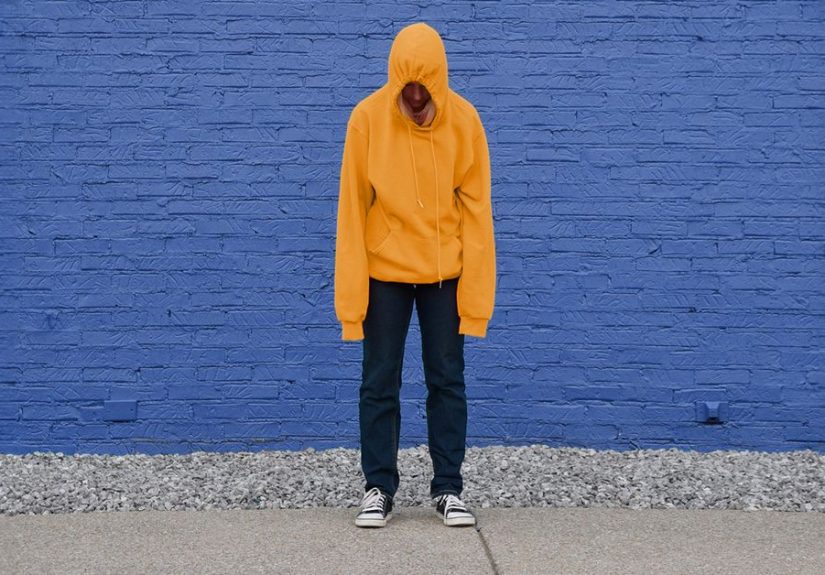
Slumped shoulders, a rounded upper back, chin slightly down, arms tucked in closelike you’re trying to shrink your footprint in the world.
You may sit on the edge of a chair, lean away from people, or keep your hands hidden (hoodie pockets: the unofficial clubhouse).
Why it happens
Low self-esteem often comes with self-protection: “If I look smaller, I’ll be less of a target.” It can also reflect tension or stressyour muscles brace without you noticing.
Try this (without turning into a robot)
Aim for “neutral strong,” not “military parade.” Roll your shoulders up-back-down once, loosen your jaw, and imagine a string gently lifting the crown of your head.
In meetings or class, plant both feet and let your hands rest where they’re visible. Tiny adjustments can send a surprisingly calming signal back to your brain.
2) Avoiding eye contact (or using “drive-by eye contact”)
What it can look like
Looking down while talking, staring at a screen or the floor, glancing up only briefly, or watching people from the side like you’re trying not to “take up space” socially.
Some people also overcorrect and force intense eye contact, which can feel uncomfortable too.
Why it happens
If you expect criticism, eye contact can feel like standing under a spotlight. Avoiding it becomes a way to reduce perceived risk.
(Also: eye contact norms vary across cultures and neurotypes, so context matters.)
Try this
Use the “triangle method”: shift your gaze between the person’s eyes and the bridge of their nose. Or do “3-second contact” followed by a natural glance away.
You’re aiming for connection, not a staring contest.
3) Nervous habits and self-soothing movements (fidgeting, nail biting, hair twisting)
What it can look like
Tapping your foot like it’s sending Morse code, picking at cuticles, biting nails, cracking knuckles, adjusting clothing repeatedly, or holding objects tightly.
Sometimes it’s subtle: rubbing your hands together, touching your face, or constantly checking your phone.
Why it happens
These behaviors can be your body’s attempt to regulate discomfort. When self-esteem is low, social situations can feel higher-stakesso your nervous system looks for an outlet.
Try this
Give your hands a “job” that doesn’t punish your skin: hold a pen, squeeze a stress ball, or press your thumb to each fingertip under the table.
If you notice jaw clenching, place your tongue gently on the roof of your mouth and exhale slowlyyour face will often follow your breath.
4) A quieter, hesitant voice (and “apology body language”)
What it can look like
Speaking softly, trailing off at the end of sentences, using lots of “um… maybe… sorry…” even when you didn’t do anything wrong,
or nodding excessively to signal agreement. You might also speak quickly to “get it over with.”
Why it happens
When you don’t feel confident in your right to be heard, your voice may shrink to match. People-pleasing can show up physically as a posture-and-voice package deal:
smaller stance, less volume, more hedging.
Try this
Practice “one-click louder” (not five-clicks louder). Before you speak, take a breath and put your words on a gentle “downward” tone at the end (it sounds more certain).
If apologizing is your reflex, swap “Sorry” for “Thanks”for example: “Thanks for waiting” instead of “Sorry I’m late.”
5) Tense facial expression (tight jaw, furrowed brow, forced smile)
What it can look like
A clenched jaw, tight lips, forehead tension, or a smile that appears only in the mouth but not the eyes.
Some people look “serious” even when they don’t mean tobecause their face is bracing.
Why it happens
Low self-esteem often comes with self-monitoring: “Am I being weird? Did I say that wrong?” That constant inner checking can create muscle tension.
Stress also encourages muscle tightening as a protective reflex.
Try this
Do a 10-second “face reset”: unclench your teeth, drop your tongue from the back of your mouth, and soften your eyebrows.
If you want a quick posture-and-face combo, exhale longer than you inhale twiceyour shoulders and jaw often release automatically.
6) Over-hiding with clothes or grooming changes (trying to become “background”)
What it can look like
Wearing the same “safe outfit” repeatedly, choosing baggy or layered clothes mainly to disappear, or avoiding styles you like because you assume people will judge you.
On the flip side, some people over-control their appearance as armorspending a lot of energy trying to look “perfect” to feel acceptable.
Why it happens
When you don’t feel good about yourself, visibility can feel risky. Clothing becomes a strategy: blend in, protect, or perform.
This isn’t about vanityit’s about emotional safety.
Try this
Make one “tiny authentic choice” per day: a color you like, a accessory that feels like you, a hairstyle you enjoy.
The goal isn’t to impress anyone; it’s to practice existing comfortably while being seen.
7) Stress wear-and-tear: headaches, stomach discomfort, fatigue, and sleep disruption
What it can look like
Frequent tension headaches, upset stomach, muscle aches (especially neck/shoulders), low energy, trouble falling asleep,
or waking up feeling like you didn’t sleep at alleven if you technically did.
Why it happens
Low self-esteem can keep your mind in a loop of worry, self-criticism, and “what-if” predictions. That mental load is stressful.
Chronic stress can show up physically: tense muscles, digestive changes, headaches, fatigue, and sleep problems.
Try this
Pair mindset work with body work. Start with the basics that calm the nervous system: consistent sleep and wake times, movement you don’t hate, regular meals,
hydration, and short breathing resets during the day. If physical symptoms are frequent or intense, talk with a healthcare professional to rule out medical causes.
Your pain is realeven if stress is part of the spark.
How to build self-esteem without turning your life into a motivational poster
Self-esteem improves when your brain collects evidence that you can cope, learn, and matterespecially after mistakes.
Here are practical, non-cringey ways to start:
- Catch your inner narrator: When you hear “I’m so stupid,” reframe to something accurate: “I made a mistake and I can fix it.”
- Use “proof lists,” not hype lists: Write 5 small wins from the last week (answered a hard email, helped a friend, finished a task). Evidence beats vibes.
- Practice assertive micro-moves: Ask for clarification, say “I need a minute,” or state a preference (“I’d rather meet at 3”).
- Choose supportive people on purpose: Spend more time with those who respect you. Less time with those who treat you like a punching bag.
- Get skilled at one thing: A hobby, sport, coding, art, cookingcompetence is a fast track to confidence.
When these signs mean “get extra support”
If low self-esteem (and the physical stress that comes with it) is affecting school, work, friendships, sleep, appetite, or your ability to enjoy life,
consider talking to a licensed mental health professional or a trusted adult who can help you find support.
You don’t need to “hit rock bottom” to deserve help.
Experiences Related to the Topic: What This Can Look Like in Real Life
People often imagine low self-esteem as a purely internal thingjust thoughts hiding quietly behind someone’s eyes. But in day-to-day life, it can feel
surprisingly physical, like your body is constantly trying to negotiate safety with the world. For example, one common experience is the “hallway shrink.”
You’re walking through school or the office, and without deciding to, you drift closer to the wall, shoulders rounding forward, backpack straps pulled tight.
Nothing dangerous is happening. But your body is acting like being noticed might be risky. Later, you may not even remember changing your postureonly that you felt
a little relieved when you reached your destination.
Another experience shows up in group conversations. Someone with low self-esteem might rehearse a sentence in their headsomething smart, helpful, totally normal.
But as the moment arrives, their chest tightens. They laugh softly instead, nod along, or wait for a “perfect opening” that never appears.
When they finally speak, the words come out quieter than intended, or they add a quick disclaimer (“This might be dumb, but…”).
If the group doesn’t react immediately, it can feel like confirmation that they shouldn’t have spoken at all.
Physically, that can trigger heat in the face, a clenched jaw, or fidgeting handslike the body trying to burn off embarrassment.
Low self-esteem can also show up as over-agreeing. Imagine a friend says, “Where should we eat?” and you honestly want tacos.
But your mouth automatically says, “Anywhere is fine.” The body often helps this happen: shoulders lift slightly, you smile quickly, eyes glance away,
and you nodalmost as if your posture is trying to keep the peace. Later, when you end up somewhere you don’t like, you might feel irritated at yourself,
not the situation. That irritation can become physical too: tension headaches, stiff shoulders, or that tight feeling in your stomach.
Then there’s the “safe outfit cycle.” Many people describe finding one outfit that feels like emotional armormaybe an oversized hoodie, a specific jacket,
or neutral colors that help them blend in. Wearing it feels like lowering the volume on the world.
On days when self-esteem is especially low, even small appearance choices can feel high stakes: “If I wear this, people will judge me.”
So the body responds with protectioncovering up, staying small, moving quickly. The goal isn’t fashion; it’s control.
Some experiences are more subtle: a constant tightness in the shoulders from bracing for criticism, or the habit of holding your breath while reading messages
because you expect something negative. Over time, that stress can show up as fatigue, restless sleep, or an upset stomach before social events.
People sometimes describe feeling “tired for no reason,” when the reason is actually a brain running too many background programs:
comparing, predicting, apologizing, scanning for signs they’re doing life “wrong.”
The hopeful part is that physical patterns can changeoften faster than you’d expectbecause the body learns through repetition.
A person who practices one small assertive moment a day (“I can’t tonight,” “I need help,” “I actually prefer this”) often notices their posture shifting gradually:
shoulders drop, face softens, voice steadies. The change isn’t magic. It’s evidence. And evidence is the language self-esteem understands.





 Close
Close