
Table of Contents >> Show >> Hide
- Why Fresh Ginger Spoils So Quickly
- How to Choose Ginger That Will Last Longer
- 1. Store Whole Fresh Ginger in the Refrigerator
- 2. Freeze Ginger Whole for Long-Term Storage
- 3. Freeze Ginger in Portions: Slices, Grated Ginger, or Cubes
- 4. Make Ginger Paste for Fast Cooking
- 5. Pickle Fresh Ginger
- 6. Dry or Dehydrate Ginger
- How to Tell If Fresh Ginger Has Gone Bad
- Common Ginger Storage Mistakes
- Real Kitchen Experience: What Actually Works Best
- Final Thoughts: Keep the Flavor, Lose the Waste
Fresh ginger is one of those ingredients that walks into your kitchen like a tiny, wrinkly superhero. It rescues bland soup, wakes up stir-fries, adds sunshine to tea, and makes baked goods taste like they have a secret family recipe. Then, just when you are feeling proud of your well-stocked kitchen, you open the produce drawer and find your ginger has turned into a dry little wizard finger. Rude.
The good news? Learning how to preserve fresh ginger is simple, affordable, and surprisingly satisfying. Whether you cook with ginger every day or buy it for one recipe and then forget it like a gym membership in February, the right storage method can help you reduce waste, save money, and keep that spicy, citrusy bite ready for soups, marinades, sauces, smoothies, tea, desserts, and weeknight dinners.
This guide breaks down six practical ways to store and preserve fresh ginger, from short-term refrigerator storage to freezing, drying, pickling, and making ginger paste. You will also find real kitchen experience, common mistakes, spoilage signs, and smart examples so your ginger stays useful instead of quietly auditioning for the compost bin.
Why Fresh Ginger Spoils So Quickly
Fresh ginger is a rhizome, not a root in the strict botanical sense, but in the kitchen most people call it ginger root. It contains moisture, volatile oils, and flavorful compounds that make it bright and aromatic. Those same qualities also make it vulnerable to drying, mold, soft spots, and flavor loss when it is stored poorly.
The two biggest enemies of fresh ginger are excess moisture and air exposure. Too much moisture encourages mold, especially if ginger is sealed while damp. Too much air dries it out, leaving it fibrous and weak in flavor. Cut, peeled, or grated ginger spoils faster than whole unpeeled ginger because more surface area is exposed. In plain English: ginger does not love drama, and your refrigerator drawer is often a soap opera.
How to Choose Ginger That Will Last Longer
Preservation starts at the store. Choose ginger that feels firm, heavy for its size, and smooth-skinned. Fresh ginger should smell spicy, clean, and slightly citrusy. Avoid pieces that feel soft, look shriveled, show blue-green mold, or have a sour smell. Thin skin is often a sign of fresher ginger, while thick, woody skin may mean it has been sitting around for a while.
For longer storage, buy larger knobs instead of many tiny broken pieces. Fewer cut surfaces mean slower drying and less opportunity for mold. If you know you will freeze or dry the ginger, it is still best to start with the freshest piece possible. Freezing does not magically turn tired ginger into a spa-day version of itself. It simply preserves what you already have.
1. Store Whole Fresh Ginger in the Refrigerator
The refrigerator is the best everyday method for preserving ginger you plan to use within a few weeks. Whole, unpeeled ginger stores better than peeled or sliced ginger because the skin helps protect the flesh from drying and oxidation.
Best method for refrigerator storage
Place the unpeeled ginger in a dry paper towel, then put it inside a resealable bag or airtight container. Press out extra air if using a bag, but do not trap moisture inside. Store it in the crisper drawer, where the temperature and humidity are more stable than the front of the refrigerator.
If the ginger is freshly washed, dry it completely before storing. Damp ginger in a sealed bag is basically a mold invitation with snacks included. If you only use a small piece, cut off what you need and return the rest to the refrigerator as soon as possible.
When to use this method
Use refrigerator storage when you cook with ginger regularly in stir-fries, soups, sauces, tea, rice dishes, salad dressings, or marinades. It is the easiest method because it keeps ginger close to its fresh texture. You can slice, mince, grate, or julienne it without thawing or rehydrating.
For example, if you make chicken noodle soup on Monday, ginger tea on Wednesday, and a garlic-ginger stir-fry on Friday, the refrigerator is your best friend. Your ginger stays ready for action without needing a full preservation project.
2. Freeze Ginger Whole for Long-Term Storage
Freezing is one of the smartest ways to preserve fresh ginger. It is easy, low-effort, and perfect for people who buy ginger with big culinary dreams and then remember they mostly eat toast. Frozen ginger keeps its punchy flavor well and is often easier to grate than fresh ginger.
How to freeze whole ginger
Start by cleaning the ginger and patting it completely dry. You can freeze it peeled or unpeeled, but freezing it unpeeled is faster and protects the flesh. Break large hands of ginger into smaller knobs, then place them in a freezer-safe bag or airtight container. Label the container with the date, because freezer mysteries are how kitchens become archaeological sites.
When you need ginger, remove a knob from the freezer and grate it directly into your recipe using a microplane or fine grater. There is usually no need to thaw it first. Frozen ginger works beautifully in soups, curries, marinades, sauces, oatmeal, smoothies, and hot tea.
Best uses for frozen whole ginger
Frozen whole ginger is ideal for recipes where grated ginger is welcome. Think teriyaki sauce, ginger-garlic paste, ramen broth, lentil soup, carrot ginger soup, ginger lemon tea, or cookie dough. It is less convenient if you need perfect thin matchsticks or decorative slices, because frozen ginger can be harder to cut neatly.
If you want the lowest-maintenance storage method, this is probably it. Toss it in the freezer, grate what you need, and return the rest. It is the kitchen equivalent of having a tiny flavor ATM.
3. Freeze Ginger in Portions: Slices, Grated Ginger, or Cubes
If whole frozen ginger is convenient, pre-portioned frozen ginger is meal-prep royalty. This method takes a little time upfront but saves effort later, especially on busy nights when dinner needs to happen before everyone starts eating cereal from a mug.
How to freeze ginger slices
Peel the ginger if you prefer, then slice it into coins. Spread the slices on a parchment-lined tray and freeze until firm. Once frozen, transfer the slices to a freezer bag or container. Freezing them separately first prevents them from sticking together in one spicy iceberg.
How to freeze grated ginger
Grate fresh ginger and place it in teaspoon- or tablespoon-sized portions on a lined tray. Freeze the small mounds, then move them to a sealed freezer bag. You can also press grated ginger into an ice cube tray. Once frozen, pop out the cubes and store them in a container.
For extra convenience, mix grated ginger with a tiny amount of water before freezing in cubes. This makes it easy to drop directly into soup, tea, sauces, or smoothies. For savory cooking, you can freeze ginger with garlic, scallions, or a small amount of neutral oil, but remember that oil-based mixtures are best used for cooking rather than raw applications.
Best uses for ginger cubes
Frozen ginger cubes are excellent for stir-fry sauces, curry bases, broth, braised meat, beans, marinades, and wellness-style tea. A teaspoon cube is useful for one mug of tea or a single sauce. A tablespoon cube works well for larger recipes, such as a pot of soup or a family-size stir-fry.
This method also helps with portion control. Instead of guessing how much ginger to grate while dinner steam fogs your glasses, you can grab a measured cube and move on with your life.
4. Make Ginger Paste for Fast Cooking
Ginger paste is one of the most practical ways to preserve fresh ginger if you cook often. It turns a knobby, fibrous ingredient into a spoonable flavor booster. You can keep a small jar in the refrigerator for short-term use or freeze portions for longer storage.
How to make fresh ginger paste
Peel fresh ginger if the skin is thick or dry. If the skin is thin and tender, you can simply scrub it well. Chop the ginger into small pieces, then blend it in a food processor with a small splash of water or neutral oil until smooth. Scrape down the sides as needed. The finished paste should be thick, fragrant, and easy to spoon.
For refrigerator storage, place the paste in a clean airtight jar and use it within several days. For longer storage, freeze it in small portions using an ice cube tray or teaspoon mounds. Once frozen, transfer the portions to a freezer-safe bag.
Flavor combinations to try
Ginger paste can be customized for your cooking style. Blend ginger with garlic for an all-purpose base for stir-fries, curries, fried rice, noodle bowls, and marinades. Add a little lemon juice for tea and dressings. Combine ginger with turmeric for soups and warm drinks. Mix ginger with scallions for dumpling fillings, dipping sauces, and quick sautéed vegetables.
The key is to label your mixtures clearly. “Ginger paste” and “ginger-garlic paste” look similar when frozen, but your morning smoothie will notice the difference. So will you. Immediately.
5. Pickle Fresh Ginger
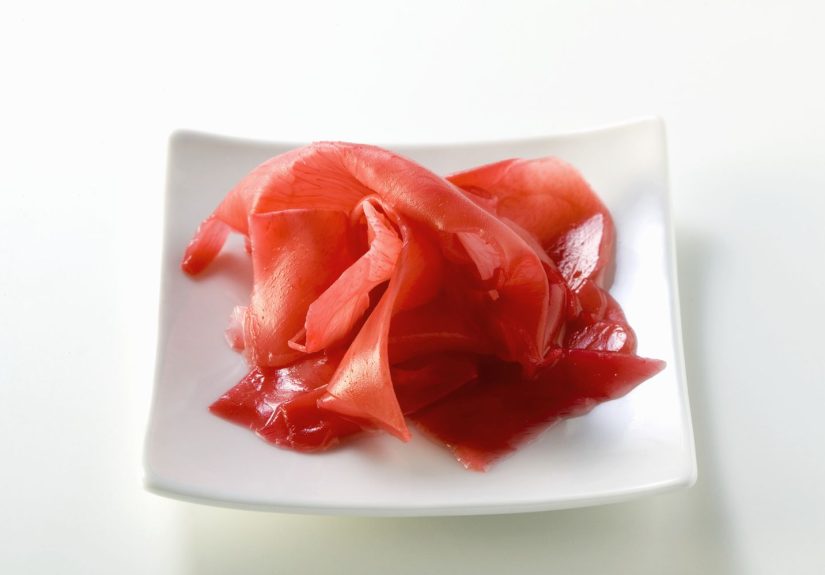
Pickling is a classic preservation method that transforms fresh ginger into a tangy, slightly sweet condiment. Pickled ginger is famous as a sushi companion, but it also belongs in rice bowls, noodle salads, sandwiches, tacos, roasted vegetables, and rich dishes that need a bright little zing.
How pickling preserves ginger
Pickling uses vinegar, salt, and sometimes sugar to create an acidic environment that slows spoilage and changes the flavor and texture of the ginger. Thin slices are best because they absorb the brine quickly and stay pleasantly crisp.
To make a simple refrigerator-style pickled ginger, peel young or fresh ginger and slice it as thinly as possible. A mandoline works well, but a sharp knife also gets the job done. Salt the slices lightly, let them sit briefly, then place them in a clean jar. Heat rice vinegar with sugar and salt until dissolved, pour the brine over the ginger, cool, cover, and refrigerate.
Important safety note
Refrigerator pickled ginger is not the same as shelf-stable canned ginger. Keep homemade quick-pickled ginger refrigerated unless you are following a tested canning recipe from a trusted food preservation source. Clean jars, clean utensils, and cold storage help maintain quality and reduce risk.
Best uses for pickled ginger
Use pickled ginger as a palate cleanser, garnish, or flavor accent. Add it to poke-style bowls, fried rice, cucumber salads, grilled chicken, salmon, tofu, pork sandwiches, or slaws. It is especially useful when a dish tastes heavy or flat. A few slices can make the whole plate wake up and put on real pants.
6. Dry or Dehydrate Ginger
Drying is a great way to preserve ginger when you want a shelf-friendly ingredient for tea, spice blends, baking, soups, and homemade seasoning mixes. Dried ginger has a warmer, deeper flavor than fresh ginger. It is not identical, but it is extremely useful.
How to dry ginger
Wash and peel the ginger if desired. Slice it thinly and evenly so the pieces dry at the same rate. Use a food dehydrator according to the manufacturer’s directions, or dry the slices in a low oven on a parchment-lined baking sheet. The ginger is ready when it is completely dry and snaps or breaks rather than bends.
Cool the dried slices fully before storing them. Place them in a clean airtight jar and keep the jar in a cool, dark, dry cabinet. Moisture is the enemy here. If dried ginger is stored before it is fully dry, it can mold in the jar, which is not the kind of surprise anyone wants near their tea.
How to make ground ginger
Once ginger slices are fully dried, grind them in a spice grinder or high-powered blender. Sift if you want a finer powder. Store ground ginger in a labeled airtight jar away from heat and sunlight. Ground ginger is excellent in cookies, muffins, spice rubs, curry powders, chai blends, pumpkin bread, and roasted carrots.
As a general cooking idea, dried ginger is stronger and less juicy than fresh ginger, so it is not a perfect one-for-one substitute in every recipe. Use fresh ginger when you want brightness and texture. Use dried ginger when you want warmth, spice, and convenience.
How to Tell If Fresh Ginger Has Gone Bad
Before preserving or cooking with ginger, inspect it. Good ginger should be firm, aromatic, and clean-smelling. It may have a slightly beige, tan, or golden interior depending on the variety and age.
Discard ginger if it has visible mold, a sour or rotten odor, a mushy texture, or dark wet patches. Dry, slightly wrinkled ginger may still be usable if it smells fresh and has no mold, but the flavor will be weaker and the texture more fibrous. When in doubt, throw it out. Food waste is annoying, but food regret is worse.
Common Ginger Storage Mistakes
Washing ginger and storing it wet
Moisture speeds up spoilage. If you wash ginger before storing it, dry it thoroughly with a clean towel. Better yet, wash only the piece you are about to use.
Leaving cut ginger uncovered
Cut ginger dries out quickly. Wrap the cut end or place the piece in an airtight container. Use cut pieces sooner than whole knobs.
Keeping ginger near strong odors
Ginger can absorb freezer and refrigerator smells if poorly wrapped. Use airtight containers or freezer bags, especially for grated ginger and ginger paste.
Freezing one giant piece
A huge frozen hand of ginger can be awkward. Break it into smaller knobs before freezing so you can grab only what you need.
Real Kitchen Experience: What Actually Works Best
After using ginger in everyday home cooking, one thing becomes obvious: the best preservation method depends less on what a chart says and more on how you cook. A person who makes ginger tea every morning needs a different system than someone who uses ginger once a month for holiday cookies. The trick is matching the method to your habits, not forcing your habits to fit the method.
For frequent cooking, whole ginger in the refrigerator is the most natural option. It keeps the texture fresh, and you can slice it into thin coins for soup or mince it for sauces. The experience is simple: open the drawer, cut a small piece, and keep moving. The only problem is memory. If the ginger slips behind lettuce, carrots, and that mysterious container of “future salad,” it can still dry out. A small labeled container helps. It sounds overly organized, but future you will feel like a domestic genius.
For busy weeknights, frozen grated ginger is the real hero. Having teaspoon-sized portions ready to drop into a pan makes cooking faster and cleaner. When making a stir-fry sauce, a cube of ginger, soy sauce, garlic, and a little honey can turn plain chicken or tofu into dinner with personality. Frozen grated ginger also melts quickly into soups and broths. It is not glamorous, but neither is grating ginger at 7:18 p.m. while everyone asks when dinner will be ready.
Whole frozen ginger is better for people who do not want prep work. It grates beautifully straight from the freezer, almost like ginger snow. This method is especially useful for tea. Grate a little into a mug, add lemon and hot water, and suddenly the kitchen smells like you have your life together. The texture does change after freezing, so it is not ideal for crisp raw garnishes, but for cooked dishes it performs wonderfully.
Pickled ginger is the most fun method because it becomes a new ingredient rather than just stored ginger. It adds sharpness to rich foods and can rescue leftovers. A rice bowl with leftover chicken, cucumber, fried egg, and pickled ginger tastes intentional, not like “the fridge made me do it.” The downside is that pickled ginger has a specific flavor, so it will not replace fresh ginger in baking or tea.
Dried ginger is best for long-term planning. It is excellent when fresh ginger is unavailable or when you want homemade spice blends. The main lesson from drying ginger is patience. Slices must be thin and fully dry. If they bend instead of snap, give them more time. Once dried, they take little space and last far longer than fresh pieces in the drawer.
Ginger paste is the method that feels most professional. It is perfect for curry, marinades, lentils, noodle dishes, and quick sauces. The only caution is to freeze most of it unless you will use it quickly. A small jar in the refrigerator feels convenient, but it can spoil if forgotten. Freezing paste in small cubes gives the same convenience with less pressure.
The most practical household system is a combination: keep one small piece in the refrigerator for fresh slicing, freeze the rest whole or grated, and occasionally pickle or dry extra ginger when you buy too much. That way, ginger is available in several forms, and no single sad knob has to carry your entire culinary future.
Final Thoughts: Keep the Flavor, Lose the Waste
Fresh ginger is powerful, affordable, and endlessly useful, but it needs the right storage method to stay at its best. For short-term cooking, store whole unpeeled ginger in the refrigerator. For long-term convenience, freeze it whole, grated, sliced, or blended into paste. For bold flavor, pickle it. For pantry-friendly storage, dry it and grind it into homemade ginger powder.
The best way to preserve fresh ginger is the one you will actually use. If you cook often, keep it accessible. If you forget ingredients easily, freeze it immediately. If you love condiments, pickle it. If you enjoy homemade spice blends, dry it. Ginger may look like a tiny beige tree branch, but with a little planning, it becomes one of the most reliable flavor tools in your kitchen.







 Close
Close