
Table of Contents >> Show >> Hide
- First, What Counts as “Squash”?
- Quick Nutrition Snapshot: Why Squash Is Such a Smart Pick
- 1) Squash Delivers Antioxidants That Help Protect Cells
- 2) Squash Supports Eye Health (Yes, Your Screens Will Still Be Bright)
- 3) Squash Can Help Heart Health Through Fiber + Potassium
- 4) Squash Supports Digestion and Gut Health
- 5) Squash Can Support Balanced Blood Sugar and Weight Management
- 6) Squash Supports Immune Function and Skin Health Through Vitamins A and C
- How to Eat More Squash Without Getting Bored
- Everyday Experiences With Squash (About )
- Conclusion: Squash Is a Small Habit With Big Payoff
Squash is the ultimate “quietly impressive” vegetable. It doesn’t show up to the party wearing a tuxedo like kale
or doing backflips like chia seeds. Squash just… shows up reliably, tastes good, and makes your plate look like fall
in the best way. And whether you’re team zucchini (summer squash) or team butternut
(winter squash), you’re getting a bundle of nutrients that can support everything from digestion to eye health.
This guide breaks down the health benefits of squash with real nutrition logic (not magical thinking),
clear examples, and practical ways to eat more of it without turning your kitchen into a pumpkin-scented craft store.
As always, food can support healthbut it doesn’t replace personalized medical advice.
First, What Counts as “Squash”?
“Squash” is a big family. Most types you’ll see in American grocery stores fit into two main categories:
summer squash and winter squash.
Summer squash (tender skin, quick cooking)
- Zucchini
- Yellow squash
- Pattypan
Winter squash (hard skin, sweeter flesh, longer storage)
- Butternut
- Acorn
- Spaghetti squash
- Kabocha
- Delicata
- Pumpkin (yes, pumpkin is squashsurprise!)
The nutrition varies a bit across types, but many benefits overlap: squash tends to be rich in
fiber, vitamin A (from carotenoids like beta-carotene), and other helpful
vitamins and mineralswhile staying relatively low in calories compared with many starchy sides.
Quick Nutrition Snapshot: Why Squash Is Such a Smart Pick
Squash is one of those foods that’s easy to enjoy in big, satisfying portions without a huge calorie loadespecially
summer squash. Winter squash is a bit higher in carbohydrates (it’s naturally sweeter), but it’s still nutrient-dense
and filling.
- Fiber: supports digestion and helps you feel full.
- Carotenoids (like beta-carotene): plant pigments that your body can convert into vitamin A.
- Vitamin C: supports immune function and collagen production.
- Potassium and magnesium: minerals involved in blood pressure and heart function.
- Water content (especially zucchini): helps hydration and volume eating.
Now let’s get to the good part: the 6 health benefits of squash you can actually feel good about.
1) Squash Delivers Antioxidants That Help Protect Cells
“Antioxidants” gets tossed around like confetti, so here’s what it means in plain English:
antioxidants help your body manage oxidative stressthe wear-and-tear that happens as your body
produces energy and responds to things like pollution, UV exposure, and inflammation.
Many squash varieties (especially orange-fleshed winter squash) are rich in carotenoids
such as beta-carotene. These compounds help neutralize free radicals and also serve as
precursors to vitamin A. Some squash also provides vitamin C, another well-known antioxidant
that supports immune defenses and collagen formation.
How to use this benefit in real life
-
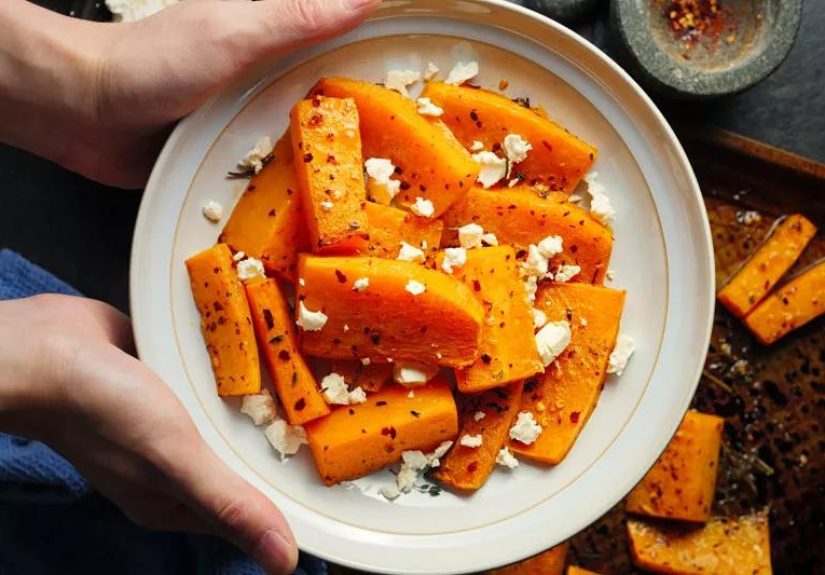
Roast cubed butternut squash with olive oil and cinnamon for a “dessert energy” side dish that still counts as
vegetables. - Add shredded zucchini to tomato sauce or chili. It disappears like a ninja but leaves behind nutrients and texture.
2) Squash Supports Eye Health (Yes, Your Screens Will Still Be Bright)
If you’ve ever been told to “eat orange vegetables for your eyes,” squash is basically the class president of that
advice. Orange and yellow squash varieties provide carotenoids that support visionespecially as you age.
Two carotenoids that get a lot of attention for eye health are lutein and zeaxanthin.
They’re concentrated in the retina and help filter high-energy light. While leafy greens are famous sources, many
colorful fruits and vegetables contribute to overall carotenoid intake, and diets rich in carotenoids are associated
with better long-term eye outcomes.
Practical examples
- Blend cooked butternut squash into soup with carrots and gingeran eye-friendly bowl that tastes like cozy.
- Sauté zucchini with a little garlic and add it to eggs for a breakfast that doesn’t feel like “health homework.”
3) Squash Can Help Heart Health Through Fiber + Potassium
Heart health isn’t a single nutrientit’s a pattern. Squash fits that pattern well because it often contributes
potassium and fiber, both linked to cardiovascular support when part of an overall
healthy diet.
Potassium helps counterbalance sodium and plays a role in blood pressure regulation. Some winter squash
(like butternut) can be a surprisingly strong potassium source. Meanwhile, fiberespecially soluble
fibercan help support healthy cholesterol levels and steadier blood sugar, both of which matter for long-term heart risk.
Heart-friendly ways to eat more squash
- Make a “half-and-half” mash: combine mashed acorn squash with mashed cauliflower to get creamy comfort with more fiber.
- Replace some pasta with spaghetti squash, then add a tomato-based sauce and lean protein.
Smart caution: If you have kidney disease or take medications that affect potassium, ask your clinician how
potassium-rich foods fit into your plan.
4) Squash Supports Digestion and Gut Health
The fiber in squash isn’t just about “keeping things moving” (although yes, it helps). Fiber supports the
gut microbiomethe community of beneficial bacteria in your digestive tract. A fiber-rich diet can also
support regularity and improve overall digestive comfort for many people.
Zucchini is especially gentle because it’s high in water and tends to be easy to digest when cooked. Winter squash can
be more filling thanks to its texture and natural starches, but it still provides fiber that supports a healthy gut
routine.
Try this if you’re increasing fiber
- Start with cooked squash (roasted, steamed, or sautéed) rather than huge raw servings.
- Increase portions gradually and drink enough waterfiber works best when it has fluid to work with.
5) Squash Can Support Balanced Blood Sugar and Weight Management
Squash shines here because it’s a “high-volume, high-satisfaction” foodespecially when you cook it in a way that keeps
added sugars and heavy sauces under control.
Fiber slows digestion and helps reduce sharp blood sugar spikes after meals. That matters for people with
insulin resistance, prediabetes, or anyone who wants steadier energy and fewer snack attacks at 3:17 p.m.
Zucchini is extremely low in calories and high in water, which makes it great for increasing portion size without
dramatically increasing energy intake. Winter squash is more carbohydrate-dense, but it’s also more fillingand it can
replace refined carbs (like white bread or some pasta portions) with a nutrient-rich option.
Specific, realistic swaps
- Add roasted butternut squash cubes to a grain bowl and reduce the grain portion slightlysame comfort, better nutrient mix.
- Use zucchini “boats” for taco filling (beans, lean meat, salsa). It’s like a taco, but your plate gets more colorful.
- Blend cooked squash into sauces to make them creamier without heavy creamgreat for mac-and-cheese-inspired dishes.
6) Squash Supports Immune Function and Skin Health Through Vitamins A and C
Here’s the underrated thing about squash: it’s not just “good for you” in a vague wayit provides nutrients your body
uses every day for tissue maintenance and immune defenses.
Vitamin A supports normal vision and immune function and helps maintain healthy tissues, including skin
and the lining of the respiratory and digestive tracts. Many orange squash varieties deliver carotenoids that your body
can convert to vitamin A.
Vitamin C plays a role in immune function and helps your body make collagen, a structural protein
important for skin and wound healing. Pair squash with other vitamin C-rich foods (like bell peppers, citrus, or broccoli)
to build a strong, balanced plate.
Make it a “skin-supporting” meal
- Roasted squash + salmon + a citrusy slaw = carotenoids + protein + vitamin C.
- Turkey chili with zucchini stirred in + a side of strawberries = cozy and nutrient-smart.
How to Eat More Squash Without Getting Bored
Squash is versatile, but it helps to think in “roles.” Instead of asking “What recipe should I make?” ask
“What job do I want squash to do today?”
- Base: puree butternut squash as a creamy soup or sauce foundation.
- Swap: spaghetti squash in place of some noodles; zucchini in place of some fries.
- Bulk: diced zucchini added to meatballs, casseroles, or pasta sauce.
- Sweet-leaning side: roasted acorn squash with cinnamon and a pinch of salt.
- Snack upgrade: roasted squash seeds (pepitas) for crunch, healthy fats, and minerals.
If you’re shopping: choose winter squash that feels heavy for its size with firm skin. For zucchini and other summer
squash, look for smooth skin and a slightly firm feel (not squishy).
Everyday Experiences With Squash (About )
When people start eating squash more often, the first “experience” is usually not a dramatic health epiphany. It’s more
like: “Wait… this is delicious, and I’m not hungry again in 20 minutes.” That’s the quiet power of squashespecially
winter squash. A bowl of roasted butternut or kabocha feels substantial in a way that a plain side salad often doesn’t.
The natural sweetness can also reduce the urge to chase dessert, because your meal ends on a warmer, more satisfying note.
Another common experience is how easily squash slips into foods you already make. Zucchini is famous for vanishing into
sauces, soups, and even baked goods. People who don’t love vegetables (or who live with someone who claims they don’t)
often tolerate zucchini because it’s mild. Add it grated into meatloaf or turkey burgers and it contributes moisture,
a bit of fiber, and extra volumewithout screaming “vegetable announcement!” That can be a practical win in busy weeks
when cooking needs to be easy, not dramatic.
Then there’s the “energy steadiness” effect many folks notice when squash replaces a more refined side. If lunch is a big
plate of white pasta, you might feel great… until you don’t. Swap in spaghetti squash for part of the noodles, or add
roasted squash cubes to a grain bowl and slightly reduce the rice, and some people report fewer post-lunch crashes.
That’s not a miracle; it’s just fiber doing its slow-and-steady thing.
Digestive comfort is another real-life observationespecially with cooked summer squash like zucchini. Because it’s high
in water and soft when cooked, it can feel gentle for people who want vegetables that don’t fight back. On the flip side,
if someone jumps from “almost no fiber” to “giant bowl of squash + beans + bran cereal,” their gut might file a complaint.
The experience here is learning the rhythm: increase fiber gradually, hydrate, and notice which squash forms (roasted,
steamed, blended) feel best.
Finally, squash tends to change the cooking vibe at home. It’s visually cheerful, it smells great when roasting, and it
encourages seasonal eating without being fussy. A sheet pan of caramelized winter squash can make a regular Tuesday feel
a little more intentional. People often end up with a few “default squash meals”like butternut soup, zucchini stir-fry,
or chili with extra vegbecause they’re reliable, budget-friendly, and easy to repeat without boredom.
Conclusion: Squash Is a Small Habit With Big Payoff
The health benefits of squash come down to a simple truth: it’s a nutrient-dense, versatile vegetable
that makes it easier to eat more plantswithout feeling like you’re punishing yourself. Squash can support
eye health, heart health, digestion, immune function,
and steady energy thanks to its mix of fiber, carotenoids, vitamins, and minerals.
Start small: roast one winter squash this week, sauté zucchini once, or blend squash into a soup or sauce you already
love. Consistency beats perfectionand squash is very consistent. (Unlike your motivation on a rainy Monday.)







 Close
Close