
Table of Contents >> Show >> Hide
- 1. Teach sound-letter relationships explicitly, not magically
- 2. Build vocabulary and oral language like you mean it
- 3. Build background knowledge, because comprehension is not floating in space
- 4. Give students daily practice with connected text to build fluency
- 5. Teach comprehension strategies through discussion, writing, and real thinking
- How these five reading strategies work together
- What teachers and parents can do this week
- Experiences from the real world: what building better readers actually feels like
- Conclusion
- SEO Tags
If you have ever watched a child stare at a page like it personally offended them, you already know the truth: reading is not a simple skill. It is a layered, messy, miraculous process that asks the brain to connect sounds, letters, words, meaning, memory, and background knowledge at lightning speed. No pressure, right?
That is exactly why building better readers takes more than handing kids books and wishing them good luck. Strong reading growth happens when adults use evidence-based literacy strategies consistently. And right now, that matters more than ever. Reading performance trends have made it painfully clear that many students need stronger support, earlier and more intentionally.
The good news is that the research is not hiding in a dusty attic wearing tweed. We know a lot about what helps children become more confident, capable readers. The best instruction does not rely on trends, cute posters, or mysterious “reading vibes.” It relies on proven practices that strengthen decoding, fluency, vocabulary, comprehension, and knowledge all at once.
So let’s talk about five research-backed ways to build better readers. Whether you are a teacher, school leader, tutor, or parent, these approaches can help turn reading from a daily wrestling match into something much closer to success.
1. Teach sound-letter relationships explicitly, not magically
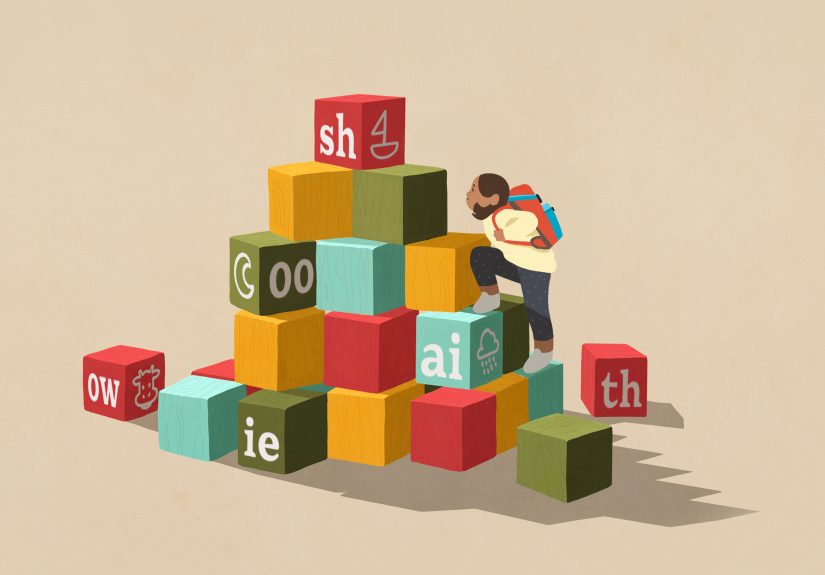
Let’s begin with the foundation. Skilled reading is not built on guessing from pictures, hoping for the best, or summoning context clues like tiny literacy fairies. Strong readers need explicit instruction in how sounds work in spoken language and how those sounds connect to print.
Why it works
Research consistently supports teaching phonemic awareness and phonics in a direct, systematic way. Students need to hear and manipulate sounds in spoken words, then connect those sounds to letters and spelling patterns. That is how they learn to decode unfamiliar words instead of memorizing every word as a separate visual object. And frankly, their brains will thank them for not having to run a storage warehouse the size of Nebraska.
When students understand that ship is made of individual sounds and that letters represent those sounds in predictable ways, they gain a transferable skill. They can attack new words, not just repeat old ones. That matters because strong word recognition frees up mental energy for comprehension later.
What it looks like in practice
- Short daily lessons in segmenting, blending, deleting, and substituting sounds
- Explicit phonics instruction that follows a logical sequence
- Practice reading and spelling words with the patterns students are learning
- Quick review of previously taught patterns so learning sticks
This is especially important for students who struggle with reading, including many with dyslexia or related language-based difficulties. Clear, structured literacy instruction is not a bonus feature. It is the engine.
2. Build vocabulary and oral language like you mean it
A child can decode every word in a sentence and still have no idea what the sentence means. That is because reading is not only about getting the words off the page. It is also about understanding language.
Why it works
Vocabulary knowledge and oral language are major drivers of comprehension. Readers need to know what words mean, how sentences work, and how ideas connect. Before students can read sophisticated text independently, they often need rich spoken language experiences that stretch their thinking and expand their word knowledge.
This is where read-alouds, discussion, and intentional word teaching shine. Research suggests that young learners especially benefit from hearing book language read aloud because it exposes them to richer vocabulary than they are likely to encounter in early decodable texts. In other words, if students only read “Sam sat” for weeks on end, their decoding may improve, but their vocabulary is not exactly headed for the penthouse.
What it looks like in practice
- Interactive read-alouds with planned vocabulary instruction
- Dialogic reading, where adults prompt children to talk about the book
- Repeated use of new words across reading, speaking, and writing
- Teaching students to use context, morphology, and discussion to refine meaning
Good vocabulary instruction is not dumping a list of words on Monday and collecting the wreckage on Friday. It is purposeful, repeated, and connected to meaningful content. Students need chances to hear words, say them, use them, and see them in action.
3. Build background knowledge, because comprehension is not floating in space
One of the most underappreciated truths about reading is that comprehension depends heavily on what a reader already knows. If two students read the same passage about volcanoes, the student with more knowledge of science terms, geography, and cause-and-effect relationships is likely to understand more, remember more, and infer more.
Why it works
Background knowledge acts like Velcro for new information. The more students know about a topic, the easier it is for them to make sense of the text, connect ideas, and retain what they read. This is one reason content-rich instruction matters so much. Reading comprehension is not just a generic skill that grows by practicing disconnected passages about llamas one day and lunar dust the next. Students become stronger readers when instruction builds coherent knowledge over time.
That means literacy instruction should not be sealed off from science, social studies, art, and the wider world. When children learn about habitats, communities, weather, or the American Revolution through texts, discussions, and writing, they are not “taking a break” from reading instruction. They are deepening the very knowledge that helps reading comprehension grow.
What it looks like in practice
- Text sets on a common topic rather than random one-off passages
- Read-alouds tied to science and social studies themes
- Topic-focused wide reading that deepens understanding over several days or weeks
- Brief visuals, videos, or concrete experiences that prepare students for text
This approach is especially useful for multilingual learners and students who need strong language support. Knowledge-building gives them more than facts. It gives them the language and concepts needed to access increasingly complex text.
4. Give students daily practice with connected text to build fluency
Fluency is sometimes treated like the middle child of reading instruction: important, but not always glamorous. Yet fluent reading matters because it helps students read accurately, at an appropriate pace, and with enough expression to preserve meaning.
Why it works
When reading is slow, choppy, and effortful, comprehension suffers. Students may spend so much energy figuring out words that they have little attention left for understanding the text. Daily reading of connected text helps bridge the gap between word-level skill and real reading.
This does not mean racing through passages like an auctioneer with espresso. Effective fluency work is about accuracy first, then smoothness, phrasing, and comprehension. Repeated reading can help in some contexts, especially when paired with feedback and appropriate text difficulty, but it works best as part of a larger reading system rather than as a lonely drill wandering the halls by itself.
What it looks like in practice
- Daily opportunities to read connected text that matches students’ skill level
- Teacher modeling of expressive reading
- Partner reading, echo reading, and choral reading
- Short repeated readings with attention to meaning, not speed alone
Fluency instruction should sound like reading with purpose, not punishment. Students need to understand the text, talk about it, and experience success as they become more automatic. A child who reads more smoothly usually reads more willingly, and that is a very nice problem to have.
5. Teach comprehension strategies through discussion, writing, and real thinking
Good readers do not simply slide their eyeballs across words and hope meaning appears. They monitor understanding, ask questions, summarize, infer, connect ideas, and adjust when the text gets tricky. These behaviors can be taught.
Why it works
Research supports teaching a variety of reading comprehension strategies, especially when teachers model them, guide practice, and use them flexibly in real reading situations. Students benefit when they learn how to summarize, question, predict, clarify, monitor understanding, and identify text structure.
Even better, comprehension instruction becomes stronger when it includes high-quality discussion and writing about text. Talking and writing force students to organize ideas, explain reasoning, and notice what they do and do not understand. That is not fluff. That is intellectual heavy lifting.
What it looks like in practice
- Teacher think-alouds that make invisible reading processes visible
- Focused text discussions with evidence-based responses
- Student-generated questions before, during, and after reading
- Short written responses, summaries, notes, and reflections about text
One important caution: comprehension strategies should not become a checklist parade. If every lesson is “today we circle the main idea and tomorrow we underline cause and effect” without meaningful reading, students may comply without truly understanding. The point is to help them think better while reading, not just decorate worksheets with heroic levels of pencil activity.
How these five reading strategies work together
The biggest mistake schools and families make is treating reading like separate boxes that never talk to each other. Phonics over here. Vocabulary over there. Comprehension in another zip code. But strong literacy development is integrated.
Better readers grow when they can decode words accurately, read text smoothly, understand the language, connect ideas to prior knowledge, and think strategically about meaning. These elements support one another. Strong phonics helps students access print. Vocabulary and knowledge help them understand what they read. Fluency helps them hold meaning together. Strategy instruction helps them repair confusion and think more deeply.
That is why the best literacy instruction feels coherent. It is not random. It is intentionally designed to move students from sounding out words to making meaning from increasingly complex texts.
What teachers and parents can do this week
If you want to build better readers without redesigning your entire existence, start small and stay consistent.
- Read aloud every day and stop to discuss a few rich words
- Teach sound-letter patterns directly and review them often
- Let students read connected text daily, even for a few focused minutes
- Use topic-based reading to build knowledge across several texts
- Ask students to summarize, question, and write about what they read
These are not flashy gimmicks. They are dependable habits. And in literacy instruction, dependable habits often beat exciting nonsense by a mile.
Experiences from the real world: what building better readers actually feels like
In real classrooms and real homes, reading growth rarely arrives with trumpet music. More often, it sneaks in through small moments that only look ordinary until you realize they are not. A first grader who used to guess every unknown word suddenly pauses, taps the sounds, blends them, and reads the whole sentence correctly. A third grader who once answered every comprehension question with “I don’t know” starts saying, “I think the character did that because…” A parent who dreaded nightly reading time notices that the child is now asking for “one more chapter” instead of bargaining like a tiny lawyer.
Teachers often describe this shift as a change in student posture as much as performance. Children who feel successful lean in more. They take risks. They stop treating books like traps. That confidence usually does not come from one giant breakthrough lesson. It comes from repeated success with the right support: explicit phonics for the child who needs decoding help, rich read-aloud discussion for the child whose oral language is ahead of print, and knowledge-building texts for the child who understands far more when the topic is familiar.
One common experience in upper elementary classrooms is discovering that a student can “read the words” but cannot explain the text. At first, that can confuse adults. The child sounds fluent enough, so why is comprehension shaky? Usually the answer lies in one or more hidden gaps: vocabulary, background knowledge, attention to text structure, or weak understanding of how to monitor meaning. Once instruction addresses those deeper issues, the change can be dramatic. Students begin underlining evidence that actually matters. They write summaries that make sense. They ask sharper questions. They move from performing reading to actually doing it.
Families notice something similar at home. Shared reading tends to go better when adults talk with children instead of only reading to them. Ask a few playful questions. Explain an interesting word. Connect the story to something the child already knows. Laugh at a weird sentence together. Reading becomes less like a test and more like an event. That matters because motivation is not separate from literacy growth. Children are more likely to practice reading when reading feels social, meaningful, and doable.
There is also a powerful emotional experience tied to reading improvement: relief. Relief for the child who no longer feels lost. Relief for the teacher whose instruction finally clicks. Relief for the parent who worried that reading would always end in frustration. Evidence-based reading instruction does not remove every challenge, but it gives adults something better than hope alone. It gives them a roadmap.
And that may be the most encouraging part of all. Better readers are not built by luck, talent, or being “book kids” from birth. They are built through careful teaching, strong materials, repeated practice, rich language, and lots of chances to think. Reading growth may start quietly, but once it gets going, it has a wonderful way of changing everything.
Conclusion
If we want to build better readers, we need to stop chasing silver bullets and start investing in solid instruction. The research points in a clear direction: teach foundational skills explicitly, develop vocabulary and oral language, build background knowledge, provide daily connected-text reading, and teach comprehension through discussion and writing. These literacy strategies work together to help children become more accurate, fluent, thoughtful readers.
In other words, better readers are not born with a secret reading superpower. They are built, one sound, one word, one discussion, one paragraph, and one successful reading experience at a time.







 Close
Close