
Table of Contents >> Show >> Hide
- Why Flooring Regret Happens So Often
- 1. Gray-Toned Wood-Look Flooring
- 2. High-Gloss Dark Floors
- 3. Hardwood in Kitchens and Bathrooms
- 4. Carpet in Bathrooms, Kitchens, and Other Moisture-Prone Spaces
- 5. Marble and Other Porous Stone in High-Traffic Areas
- How to Choose a Floor You Will Not Regret
- Real-World Experiences: What These Flooring Regrets Feel Like in Daily Life
- Conclusion
- SEO Tags
Flooring is one of those decisions that feels exciting in the showroom and deeply personal three years later when you are on your hands and knees wondering why your “dream floor” now looks like it lost a fistfight with a Labrador, two teenagers, and a spaghetti dinner. Designers see this movie all the time. The opening scene is gorgeous. The ending usually involves scuffs, stains, warped planks, endless cleaning, or the realization that the floor made the whole house feel colder than a dentist’s waiting room.
If you are renovating, building, or simply trying to avoid a pricey design facepalm, it helps to know which flooring choices professionals most often wish they had skipped. The biggest regrets are not always about looks. They are usually about maintenance, moisture, durability, and how fast a trendy finish can make a home feel dated. In other words, the floor did not fail because it was ugly on day one. It failed because life moved in.
This guide breaks down five flooring choices designers commonly regret, why they backfire in real homes, and what to choose instead if you want a space that feels stylish without requiring a daily apology to your mop. Along the way, we will cover practical alternatives, room-by-room thinking, and the small details that separate a smart flooring decision from an expensive lesson.
Why Flooring Regret Happens So Often
People tend to shop for floors with their eyes first and their routines second. That is perfectly human. A glossy sample board under perfect lighting is charming. A polished marble floor in a magazine spread looks luxurious. A cool gray plank may seem “safe” because it matches everything. But flooring is not wall art. It gets stomped on, splashed on, dragged across, dripped on, and occasionally introduced to a pet accident nobody wants to discuss in detail.
The best floors work as hard as they look good. They also age gracefully. Designers usually regret flooring when it falls into one of three traps: it is too trendy, too delicate, or too demanding. The sweet spot is a material that feels timeless, suits the room, and does not punish you for living like an actual person.
1. Gray-Toned Wood-Look Flooring
For a while, gray floors were everywhere. They swept through flipped houses, new builds, rentals, and renovations with the confidence of a trend that thought it would never be questioned. Now? Many designers are ready to wave goodbye.
Why designers regret it
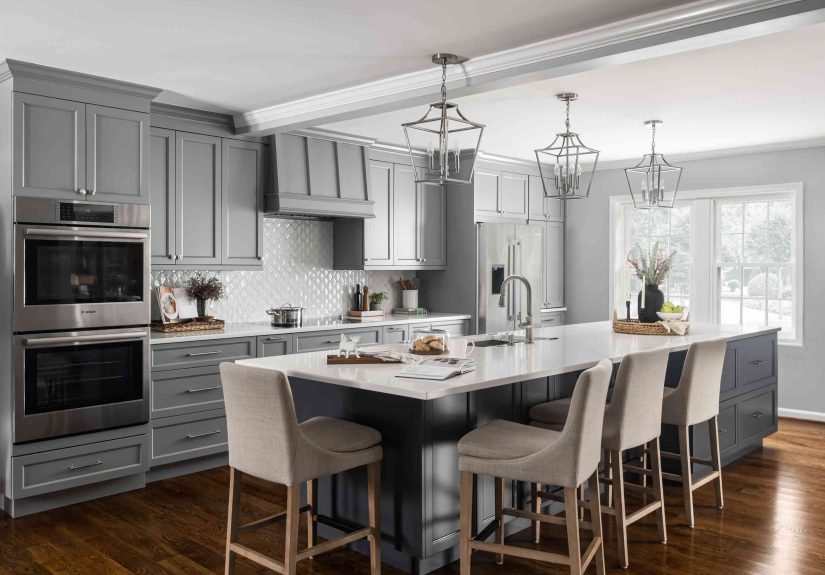
Gray-toned floors often make a room feel flat, chilly, and a little too manufactured. Instead of acting like a warm foundation, they can drain character from the space and fight with the richer, warmer palettes homeowners increasingly prefer. The problem is not gray as a color in every context. The problem is that gray flooring, especially in wood-look laminate or vinyl, can read artificial fast.
Once the trend peaked, it became easy to spot the formula: gray floors, gray walls, gray sofa, gray soul. That monochromatic look may have felt modern for a minute, but it now risks making a home feel dated in a very specific 2010s kind of way. And flooring is not like a throw pillow. Replacing it is not an impulsive Saturday decision.
What to choose instead
Warmer wood tones are the safer long-term bet. Think natural oak, honey brown, biscuit, toffee, walnut, or light neutrals with subtle variation. These shades feel more organic, pair better with changing decor, and make rooms look lived-in in the best way. Warm floors also play nicely with both modern and traditional interiors, which is exactly what you want from a major design investment.
2. High-Gloss Dark Floors
There is no denying the drama. Dark, glossy floors can make a room look polished, expensive, and magazine-ready. For approximately seven minutes. Then someone walks across them. Or breathes near them. Or owns a pet. Or has feet.
Why designers regret it
High-gloss dark floors are absolute champions at revealing everything. Dust, paw prints, footprints, lint, scratches, smudges, scuffs, and random mystery streaks all show up like they were personally invited. In busy households, these floors can look dirty again almost immediately after cleaning, which means the beautiful finish becomes a full-time job.
The issue is not only the dark color. It is the combination of darkness and shine. Gloss acts like a spotlight, and dark tones create maximum contrast. That makes every little imperfection look louder than it really is. If your dream aesthetic depends on pretending nobody ever entered the room, this floor will absolutely support your fantasy. Real life, not so much.
What to choose instead
Go for matte or satin finishes in medium to light wood tones if you want a more forgiving floor. If you love darker floors, try textured finishes, wire-brushed surfaces, or a lower-sheen product that masks dust and daily wear better. You still get depth and sophistication, just without the constant performance review from your vacuum.
3. Hardwood in Kitchens and Bathrooms
Hardwood is beloved for a reason. It is classic, warm, and beautiful. But even classics have boundaries. One of the most common designer regrets is installing wood in rooms where moisture is basically part of the job description.
Why designers regret it
Kitchens and bathrooms are tough on wood. Spills, steam, splashes, wet feet, drips from dishwashers, leaks from refrigerators, and the general chaos of daily life can all work their way into seams and edges. Over time, that can lead to staining, swelling, buckling, warping, or discoloration. In bathrooms, the danger gets even more dramatic around shower exits and vanity areas, where repeated moisture exposure can punish the flooring day after day.
Yes, some people do make wood work in kitchens with careful sealing and fast cleanup. But that is the point: it usually requires more vigilance than most homeowners want to give. A floor should not demand the reflexes of a short-order cook every time a glass tips over.
What to choose instead
In kitchens and bathrooms, waterproof luxury vinyl plank, rigid core flooring, or porcelain tile are usually smarter choices. They deliver durability, better moisture performance, easier cleanup, and lower stress. If you want a wood look, many newer products do a remarkably convincing job without turning every spilled ice cube into a property-management event.
4. Carpet in Bathrooms, Kitchens, and Other Moisture-Prone Spaces
Let us all take a moment to appreciate the confidence required to put carpet in a bathroom. It is bold. It is memorable. It is also, in most cases, a genuinely terrible idea.
Why designers regret it
Carpet and moisture are not friends. In bathrooms and kitchens, carpet can absorb water, dry slowly, trap odors, and encourage mold or mildew issues. Even when it looks dry, the layers underneath may be telling a much grimmer story. It is also harder to keep sanitary in spaces where splashes, humidity, and spills are routine.
Beyond the moisture issue, synthetic carpeting in busy zones often wears out faster than people expect. It can pill, flatten, shed, and start looking tired long before the homeowner is emotionally or financially prepared to replace it. What starts as “soft underfoot” can end as “why does this room smell vaguely suspicious?”
What to choose instead
Use a hard-surface floor in wet or messy rooms, then layer in comfort with washable rugs or bath mats that can actually be cleaned and dried properly. In dry rooms where you want softness, choose quality carpet thoughtfully and match it to the way the room is used. A great floor plan does not require wall-to-wall regret.
5. Marble and Other Porous Stone in High-Traffic Areas
Marble is undeniably gorgeous. It has old-money energy, luxury-hotel swagger, and a talent for making almost anything nearby look more expensive. But beautiful and practical are not always holding hands.
Why designers regret it
Marble and other porous stones can scratch, stain, etch, dull, and lose their glow without regular care. In high-traffic areas, that maintenance burden becomes very real. Dirt, grit, spills, and acidic messes are not just occasional annoyances. They are constant threats. Polished versions can also be slippery, which adds another layer of concern in entryways, kitchens, and bathrooms.
The real frustration is that the upkeep can feel endless. You are not just cleaning the floor. You are protecting it, babying it, choosing special products, and trying not to anger it with the wrong cleaner. That can be worth it for some homeowners, but plenty of designers have learned that clients love the idea of marble more than the relationship.
What to choose instead
Porcelain tile that mimics marble or natural stone is often the more practical move. You get the elegant look with better durability and less maintenance. Matte or honed finishes can also make daily life easier than super-polished surfaces. If you want luxury that behaves itself, this is usually where the smarter money goes.
How to Choose a Floor You Will Not Regret
If there is one lesson behind most flooring regrets, it is this: the right floor depends on your life, not just your taste. A family with kids, pets, heavy traffic, or frequent cooking needs something very different from a formal guest room or a low-traffic office. Design should reflect reality. Otherwise, reality will come stomping in wearing muddy shoes.
Ask these questions before you commit
- How much water, humidity, or spill risk does this room have?
- Will dirt, pet hair, or scratches show immediately on this surface?
- Can I realistically keep up with the maintenance this material needs?
- Does this color or finish feel timeless, or just trendy right now?
- Will this floor still make sense if my furniture, paint, or style changes?
When in doubt, prioritize durability and flexibility for the permanent surfaces, then add personality through rugs, lighting, paint, and decor. That strategy gives you style without trapping the whole house inside one passing design phase.
Real-World Experiences: What These Flooring Regrets Feel Like in Daily Life
To understand flooring regret, it helps to picture the everyday moments that create it. Not the glamorous before photos. The Tuesday moments. The coffee-spill moments. The “why does this look dirty again?” moments.
Take the glossy dark floor in a busy entryway. It looks stunning right after installation. Visitors compliment it. Sunlight hits it beautifully. Then the household starts using it. The dog trots in after a walk. Someone forgets to take off their shoes. Dust settles. Within hours, the floor starts looking like it is documenting every movement in forensic detail. The homeowner does not hate the floor because it is ugly. They hate it because it turned cleaning into a visible, never-ending sport.
Or imagine a kitchen with hardwood flooring. The warmth is lovely, and the continuous look into the dining area feels seamless. Then a small refrigerator leak goes unnoticed. Or a toddler launches a cup of juice with elite athletic form. Or somebody splashes dishwater around the sink every single day without realizing it. Over time, the boards near wet zones begin to darken or lift just enough to become noticeable. Now the floor that once felt elegant feels fragile, and the room starts dictating behavior instead of supporting it.
Bathroom carpet tells an even faster cautionary tale. It may feel cozy for a short while, especially in an older home where it once signaled comfort. But daily humidity, damp feet, and repeated splashes turn that softness into a maintenance problem. Even clean people can end up feeling like the floor is never truly fresh. The issue becomes psychological as much as practical. Nobody wants to stand in a room designed for moisture and wonder what the fabric underneath is quietly storing.
Gray flooring creates a different kind of regret. This one tends to sneak up slowly. At first, it seems neutral and easy. It works with everything in the store. But after the furniture is in and the walls are painted, the room can start to feel colder than expected. As trends shift toward warmer, more natural interiors, the floor becomes the thing that makes everything else feel slightly off. The homeowner may not even know why the space feels flat. The floor is often the reason.
Then there is marble or porous stone. The regret here usually arrives with the first scratch, etch, or stain. What was supposed to feel luxurious suddenly feels stressful. Guests set down drinks. A spill happens. The wrong cleaner gets used. The homeowner starts acting like the floor is a museum artifact with trust issues. That is when many people realize they did not want a glamorous floor. They wanted the idea of one.
In almost every case, the common thread is simple: a beautiful floor becomes a regrettable one when it asks too much from everyday life. The best flooring choices do not just impress at installation. They keep making sense after a thousand normal days.
Conclusion
The flooring choices designers regret most are usually the ones that put trendiness over function or fantasy over maintenance. Gray-toned wood-look floors can date a home. High-gloss dark floors reveal every flaw. Hardwood in wet rooms can buckle under pressure, literally. Carpet in moisture-prone spaces is a moldy gamble. Marble and porous stone can turn luxury into labor.
The good news is that there are smarter alternatives for every one of these mistakes. Warm wood tones, matte finishes, waterproof flooring, practical tile, and lower-maintenance look-alikes can all give you style without the daily drama. The goal is not to choose the flashiest floor in the showroom. It is to choose the one you will still respect after years of real use.
Because the best floor in the house is not the one that photographs well for a weekend. It is the one that quietly survives the beautiful mess of actual living.







 Close
Close