
Table of Contents >> Show >> Hide
- Why Delft Tile Still Works So Well Today
- Favorite #1: A Delft Tile Range Backsplash That Behaves Like Wall Art
- Favorite #2: A Fireplace Surround That Instantly Gains a Backstory
- Favorite #3: A Powder Room With a Sharp Suit and a Sense of Humor
- Favorite #4: A Shower Niche, Vanity Wall, or Small Bath Detail That Feels Collected
- Favorite #5: Scattered Accent Tiles and Framed Installations That Read Like Collected Art
- Design Rules for Using Classic Delft Tiles in Modern Interiors
- The Experience of Living With Delft Tile in a Modern Home
- Conclusion
- SEO Tags
If there were an award for “Most Likely to Make a Kitchen Look Instantly More Interesting Without Yelling About It,” classic Delft tile would be polishing its acceptance speech right now. These blue-and-white beauties have been charming homeowners for centuries, yet somehow they still look fresh in rooms with slab cabinets, streamlined lighting, and enough matte black hardware to make a minimalist weep with joy.
That is the magic of Delft tile. It carries history without dragging in dust. It brings pattern without chaos. And it gives a room personality without forcing you to live inside a period drama unless that is, in fact, your dream. Traditionally associated with the Netherlands and beloved for hand-painted scenes, floral motifs, pastoral imagery, ships, and whimsical little figures, Delft tiles were born from craftsmanship and storytelling. In modern interiors, they still do both jobs brilliantly.
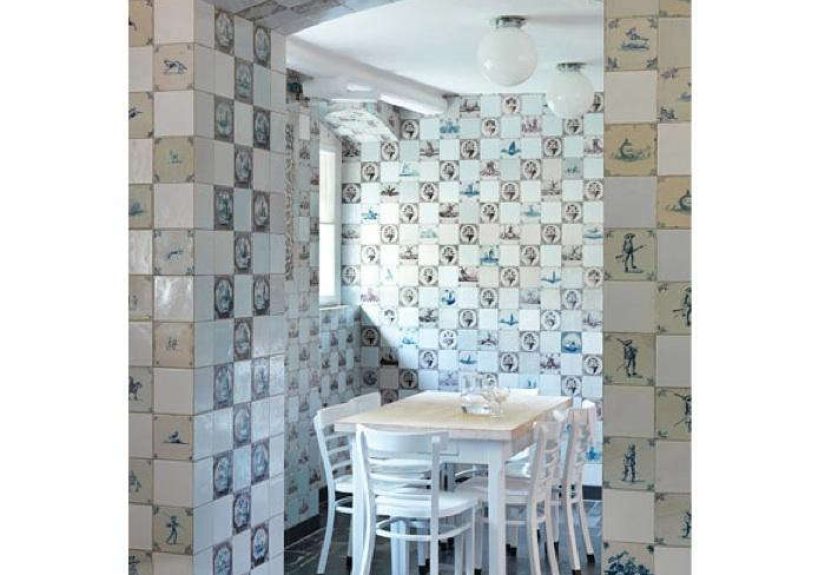
Today’s designers are using Delft tile in smarter, more edited ways. Instead of coating every available surface in blue-and-white nostalgia, they are letting it star in focused moments: a backsplash behind a range, a fireplace surround, a powder room wall, a vanity niche, or a few carefully placed accent tiles that read like tiny framed artworks. The result is less “grandma’s souvenir shop” and more “wow, this room has taste and a sense of humor.”
Here are five favorite ways to use classic Delft tiles in modern settings, plus practical styling advice, design takeaways, and a final section on the lived experience of decorating with them. Because yes, tile can be emotional. Home design is funny like that.
Why Delft Tile Still Works So Well Today
Before getting into the five favorites, it helps to understand why Delft tile keeps surviving trends that were supposedly going to replace all “old-fashioned” finishes forever. First, the color palette is almost impossible to mess up. Blue and white is one of the most flexible combinations in interior design. It can feel coastal, classic, tailored, farmhouse, European, preppy, rustic, or clean-lined depending on what surrounds it.
Second, Delft tile naturally blends decoration and utility. It is durable, wipeable, and hardworking, but it also behaves like art. Each tile can carry a tiny scene or motif, which means the installation becomes more than a surface treatment. It becomes visual storytelling. That is a big reason it feels so satisfying in modern rooms, where many finishes are intentionally quiet. When everything else is smooth, pale, and restrained, Delft tile gives the eye somewhere fun to land.
Third, there is scale. Most classic Delft tiles are modest in size, which gives them a crafted, collected look. In modern design, that smaller scale adds intimacy. It softens expansive kitchens, makes minimalist bathrooms feel less clinical, and keeps fireplaces from looking like giant blank rectangles begging for help.
Favorite #1: A Delft Tile Range Backsplash That Behaves Like Wall Art
If you only use Delft tile in one place, make it the backsplash behind the range. This is the design move that keeps showing up for good reason. It takes a hardworking zone and turns it into the soul of the kitchen.
Why It Works
The range wall is already a natural focal point. Add classic Delft tiles there, and you create a framed visual moment that feels intentional rather than random. In a modern kitchen with simple cabinetry, a stone countertop, and understated hardware, a field of hand-painted blue-and-white tile delivers contrast in the best way. It adds warmth, pattern, and a touch of wit without taking over the whole room.
This placement is especially strong when paired with painted cabinetry in soft green, warm gray, creamy white, or even deep navy. Brass, aged bronze, or polished nickel all work beautifully nearby. The old-world charm of the tile keeps the kitchen from feeling sterile, while the clean lines of the millwork keep the tile from veering into theme-park territory. Everybody wins.
How to Keep It Modern
Use Delft tile as a contained panel rather than a full-room takeover. Let it sit behind the range and maybe rise to the hood, then stop. That restraint makes it feel curated. You can also mix classic motifs with plain field tile so the decorated pieces pop more. Think of it like seasoning: enough to make the dish sing, not enough to make everyone need water.
For modern balance, avoid piling on too many competing patterns. If the backsplash is lively, let the countertop and cabinet fronts stay quiet. Wood stools, linen shades, and simple pendants help the room feel collected rather than costumed.
Favorite #2: A Fireplace Surround That Instantly Gains a Backstory
There is something almost unfair about how good Delft tile looks around a fireplace. The pairing feels natural, historical, and slightly romantic, even when the room itself is crisp and contemporary.
Why It Works
Fireplaces invite storytelling. Delft tile literally arrives with stories painted on it. That makes the surround feel layered and personal. In a modern living room, this can be the exact ingredient that prevents the fireplace from becoming a giant drywall monument with all the charisma of an office hallway.
Classic Delft tiles around a firebox look especially beautiful with plaster walls, oak floors, and a restrained mantel. The blue-and-white imagery catches the eye, while the repetition of small squares adds rhythm. You get ornament, but in an orderly, grid-based way that modern spaces appreciate.
How to Keep It Modern
Skip ornate carving if your goal is a current look. A simple painted or stone mantel lets the tile be the decorative hero. If you want an even more edited effect, tile only the surround and leave the hearth plain. Or use a few scene tiles mixed among white or pale blue solids for a quieter nod to tradition.
This is also one of the best places to use Delft tiles in unexpected colors, such as manganese, soft green, or muted polychrome, while still honoring the classic style. But if blue-and-white is your favorite, nobody will accuse you of making a bad decision. They may, however, linger by the fireplace longer than usual.
Favorite #3: A Powder Room With a Sharp Suit and a Sense of Humor
If the kitchen is the obvious place for Delft tile, the powder room is the delightful one. Small rooms can carry bold visual ideas because they do not have to behave all day in the same way large rooms do. They can flirt a little.
Why It Works
Delft tile gives a powder room immediate identity. The scale feels intimate, the imagery rewards close looking, and the blue-and-white palette keeps things fresh rather than oppressive. In a compact room, tile can act almost like wallpaper with a better work ethic. It brings pattern and history, yet it stands up to splashes, fingerprints, and the occasional guest who thinks the sink is a science experiment.
This setting also allows for bolder pairings. Delft tile can sit happily with moody paint, sculptural sconces, contemporary mirrors, and sleek floating vanities. That tension between old and new is where the real charm lives. A powder room with traditional tile and modern lighting says, “I respect history, but I also know what dimmers are.”
How to Keep It Modern
Pick one strong partner for the tile. Maybe it is a dark wall color, a minimalist mirror, or a sculptural stone sink. Then let that relationship do the heavy lifting. Floor-to-ceiling tile can look amazing in a powder room, but a wainscot-height installation is often even more elegant because it leaves breathing room above.
Use crisp grout lines, simple trim details, and modern plumbing fixtures to sharpen the whole composition. The tile brings soul; the rest of the room brings structure.
Favorite #4: A Shower Niche, Vanity Wall, or Small Bath Detail That Feels Collected
Not every modern bathroom needs a full Delft fantasia. Sometimes the smartest move is a concentrated dose. A shower niche lined with Delft tile, a vanity backsplash, or a narrow vertical panel beside the mirror can be enough to transform the room.
Why It Works
Bathrooms already rely on hard surfaces, which means they can quickly feel cold. Delft tile softens that. A small insert of hand-painted pattern interrupts the sea of plain porcelain and polished stone, making the room feel more human. It suggests that someone actually thought about how the space should feel, not just how quickly it could be hosed down.
These little moments also echo a larger trend in modern interiors: using accent tile as art. Rather than blanketing every wall, designers are placing decorative tile where the eye naturally pauses. A niche, a backsplash, a recess, a sink wall. These are functional moments with built-in frames.
How to Keep It Modern
Let the surrounding materials stay simple. Pair Delft accents with large-format white tile, pale limestone, warm oak, or a streamlined vanity. Repeat blue somewhere else in the room, perhaps through towels, a painted cabinet, or a small vase, so the installation feels connected rather than dropped in from another universe.
This approach is also practical for people who love the look but are not ready for a full commitment. A few square feet can deliver the romance without requiring a giant budget or a lifetime monogamous relationship with decorative tile.
Favorite #5: Scattered Accent Tiles and Framed Installations That Read Like Collected Art
Perhaps the most modern use of classic Delft tile is the least expected: treating it less like standard surface material and more like a collection. A handful of scattered accent tiles in a backsplash, a framed panel in a pantry, or individual tiles displayed on a shelf can feel incredibly current.
Why It Works
Modern rooms often benefit from objects that feel personal and slightly imperfect. Delft tiles deliver that in miniature. Each one reads as a tiny artwork, and together they create rhythm without uniformity. This approach is ideal for homeowners who want character but not a giant blue-and-white statement visible from space.
In a pantry, mudroom, or coffee bar, a framed group of Delft tiles can become a jewel-box moment. In a kitchen backsplash, sprinkling decorated tiles among simpler field tiles adds surprise. The room does not shout “theme.” It just seems smarter and more charming than average, which is, frankly, a wonderful thing for a room to be.
How to Keep It Modern
Think composition. Random works only when it is not actually random. Repeat motifs, maintain even spacing, and let negative space do its job. Pair these accent moments with modern shelves, slab fronts, integrated appliances, or minimal trim to create a nice push-pull between historical craft and contemporary restraint.
Design Rules for Using Classic Delft Tiles in Modern Interiors
Keep the palette grounded. Delft tile loves warm whites, soft grays, inky blues, muted greens, natural oak, limestone, and unlacquered brass. These combinations feel rich without becoming fussy.
Let one thing be ornate. If the tile is detailed, keep the cabinets, counters, or wall color quieter. Design gets messy when every element auditions for the lead role.
Use contrast wisely. Delft tile looks beautiful against both traditional millwork and sleek modern architecture. The trick is intentional contrast, not confusion.
Respect craftsmanship. Hand-painted tiles carry variation. That is the point. Perfect uniformity is for printer paper and spreadsheets.
Think in moments, not just square footage. A well-placed panel of Delft tile often has more impact than a giant installation with nowhere for the eye to rest.
The Experience of Living With Delft Tile in a Modern Home
There is a difference between admiring Delft tile in photos and living with it every day. In photos, it looks polished, composed, and a little bit noble. In real life, it does something better: it makes a home feel awake. That sounds dramatic for a set of ceramic squares, but people who love decorative surfaces know exactly what this means.
One of the most pleasant surprises is how often Delft tile changes mood throughout the day. In morning light, the blue can feel crisp and airy, almost nautical. By evening, especially with warm lamps or under-cabinet lighting, it becomes deeper and more intimate. A kitchen backsplash that looked tidy and tailored at breakfast can feel cozy and quietly theatrical at dinner. Very few materials work that kind of emotional double shift without asking for applause.
There is also the experience of proximity. Large modern finishes often make their first impression from across the room. Delft tile rewards you when you step closer. You notice the brushwork, the tiny irregularities, the little scenes, the floral swirls, the way one tile talks to the next. It encourages lingering. Guests tend to drift toward it. Someone making coffee suddenly pauses to inspect a painted windmill. Someone washing hands in the powder room returns to the table with the exact energy of a person who has just discovered a secret library passage.
Another pleasure is the way Delft tile helps modern spaces feel less anonymous. New kitchens and bathrooms can sometimes look impressive but emotionally blank, as if they were designed by a very successful committee. Delft changes that. It suggests memory, travel, collecting, inheritance, and care. Even in a new-build house, it can create the feeling that the room has been assembled thoughtfully over time rather than delivered in a box labeled “Luxury Upgrade Package B.”
Then there is the practical side, which is less glamorous but deeply reassuring. Unlike many decorative elements, tile earns its keep. It handles heat, splashes, steam, fingerprints, and daily mess with admirable calm. You are not tiptoeing around it the way you might with a precious textile or a fragile finish. It can be special and sturdy at the same time, which is a rare and wonderful character trait in both materials and people.
Perhaps the most personal part of the experience is this: Delft tile tends to become a conversation with your own taste. The longer it lives in a room, the more you learn what kind of surroundings make it shine. Maybe you start with a backsplash and later realize it wants a brass sconce nearby. Maybe a plain white wall suddenly feels too plain, and a darker paint color makes everything click. Maybe you discover that antique wood bowls, striped linen, and one slightly dramatic pendant light are the supporting cast it was waiting for all along. Good design often happens this way, not in one heroic leap but in a series of “oh, there you are” moments.
That may be the best argument for classic Delft tile in modern settings. It does not just decorate a room. It keeps the room interesting. It gives clean-lined interiors a pulse, and it gives old motifs a fresh stage. It proves that history does not have to be heavy and modern design does not have to be cold. Sometimes all you need is a little blue, a little white, and a surface with enough personality to make daily life feel less ordinary.
Conclusion
Classic Delft tile has lasted this long because it solves a problem that never really goes away: how to make functional rooms feel personal, layered, and memorable. In modern interiors, it works best not as a blanket treatment but as a strategic delight. A range backsplash, a fireplace surround, a powder room wall, a bathroom accent, or a curated cluster of decorative tiles can all deliver that old-meets-new balance designers chase so enthusiastically.
If your space feels a little too polished, a little too plain, or a little too committed to behaving itself, Delft tile might be the troublemaker you need. The good kind of troublemaker, of course. The one who shows up overdressed, tells a great story, and somehow makes everybody else in the room look better.







 Close
Close