
Table of Contents >> Show >> Hide
- What Makes a Smoothie “Anti-Inflammatory” (Without the Hype)
- The 5 Best Anti-Inflammatory Smoothie Ingredients
- How to Build an Anti-Inflammatory Smoothie That Actually Works
- Ingredient Pairings That Taste Great (And Make Nutrition Sense)
- Safety Notes (Because Your Smoothie Shouldn’t Start a Soap Opera)
- Real-World Smoothie Experiences: What People Notice (About )
- Conclusion
If inflammation had a dating profile, it would say: “I’m helpful in small doses, but I get toxic when I overstay my welcome.”
Acute inflammation is your body’s normal “fix-it crew.” Chronic inflammation is the crew that never clocks out, eats your snacks,
and slowly remodels your health in the wrong direction.
Enter: the anti-inflammatory smoothie. Not a magical potion. Not a cure. But a ridiculously efficient way to pack plants, fiber,
and beneficial compounds into one glassespecially on the mornings when making a salad feels emotionally aggressive.
The goal isn’t to “detox.” The goal is to consistently feed your body the kinds of ingredients linked with a calmer inflammatory response.
Below are five of the best anti-inflammatory smoothie ingredientsplus exactly how to use them, what to pair them with,
and a few “learn from my blender crimes” tips so your smoothie doesn’t taste like lawn clippings and regret.
What Makes a Smoothie “Anti-Inflammatory” (Without the Hype)
A smoothie earns the anti-inflammatory label when it leans hard into whole foodsespecially fruits, vegetables, nuts, seeds,
herbs, and spiceswhile keeping added sugars and ultra-processed extras on a short leash. Think:
antioxidants + polyphenols + fiber + healthy fats + (optional) protein.
Translation: we’re building a smoothie that supports steady energy, a happier gut, and fewer blood-sugar fireworks
all of which can influence inflammation over time.
The 5 Best Anti-Inflammatory Smoothie Ingredients
1) Berries (Especially Blueberries, Blackberries, and Strawberries)
Berries are small, sweet, and basically the overachievers of the fruit world. They’re rich in polyphenols and antioxidants
(including anthocyanins in darker berries), which are widely studied for their role in oxidative stress and inflammation pathways.
If your smoothie needs a “healthy boost” that doesn’t taste like punishment, berries are your best friend.
How to use them:
- Go frozen for convenience, thicker texture, and year-round affordability.
- Start with 1 cup mixed berries (or 3/4 cup if you’re very sensitive to fruit sugars).
- Balance berry sweetness with protein (Greek yogurt, soy milk, protein powder) and/or healthy fat (nut butter, chia).
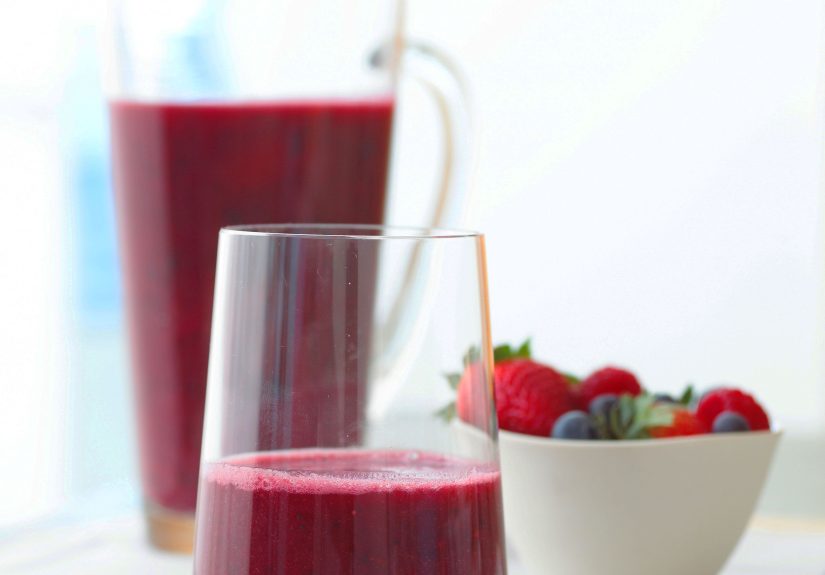
Mini recipe: “Berry Calm-Down Smoothie”
- 1 cup frozen mixed berries
- 1 cup unsweetened milk (dairy or soy/almond)
- 1/2 cup plain Greek yogurt (or unsweetened soy yogurt)
- 1 tablespoon chia seeds (or 1 tablespoon ground flax)
- Ice + cinnamon (optional)
2) Leafy Greens (Spinach or KalePick Your Fighter)
Leafy greens are the “quiet heroes” of anti-inflammatory eating: they bring vitamins, minerals, carotenoids,
and plant compounds without turning your smoothie into a dessert disguised as health food. Spinach is mild and beginner-friendly.
Kale is bolder and can taste a bit… ambitious (a banana or pineapple can help).
Bonus: greens add volume, fiber, and micronutrients for very few caloriesso you get more nutrition per sip.
That’s what we call a “high-return investment,” except your dividends are better digestion and fewer snack attacks.
How to use them (without tasting “salad smoothie”):
- Start with 1 packed cup baby spinach (mild). Work up to kale.
- Freeze greens (or buy frozen) for a smoother texture and less “green” aroma.
- Pair with bright flavors: berries, citrus, mango, pineapple, vanilla, cocoa, or a small knob of ginger.
Mini recipe: “Green Glow Smoothie”
- 1 packed cup spinach
- 1 cup frozen mango
- 1 cup unsweetened milk
- 1 tablespoon nut butter (or 1/4 avocado)
- Optional: squeeze of lime + pinch of salt (tiny, but transformative)
3) Chia Seeds (or Ground Flaxseed) for Omega-3 + Fiber
If berries are the fun friends, chia and flax are the responsible adults who bring snacks, extra phone chargers,
and a plan. Both provide plant-based omega-3s (ALA) and fibertwo things you want in a smoothie that’s meant to support
inflammation and keep you satisfied.
Chia thickens as it sits (hello, milkshake vibes). Ground flax blends smoothly and adds a slightly nutty taste.
(Whole flax often zooms through your digestive system like it’s late for a meetinggrind it for the win.)
How to use them:
- Chia: 1 tablespoon per smoothie. Let sit 5 minutes if you like it thicker.
- Ground flax: 1 tablespoon per smoothie. Store in the fridge for freshness.
- If you’re new to high fiber, start with 1–2 teaspoons and increase gradually.
Mini recipe: “Thick & Satisfying Chia-Berry Shake”
- 1 cup frozen berries
- 1 tablespoon chia seeds
- 1 scoop unsweetened protein powder (optional but helpful)
- 1–1.25 cups unsweetened milk
- Blend, then rest 5 minutes, then re-blend (for max creaminess)
4) Turmeric (With a Smart Absorption Hack)
Turmeric is the golden spice everyone knowsand for good reason. Its star compound, curcumin, is widely researched.
The catch: curcumin is notoriously hard to absorb. That’s why many approaches pair turmeric with
black pepper (piperine) and a source of fat to help it “stick the landing.”
Important grown-up note: culinary turmeric is generally fine for most people, but high-dose supplements can be a different story.
If you’re pregnant, have gallbladder issues, take blood thinners, or have a medical condition, check with a clinician before going heavy.
(Your blender is powerful, but it is not a pharmacist.)
How to use it:
- Use 1/4 to 1/2 teaspoon turmeric powder (or a small piece of fresh turmeric).
- Add a tiny pinch of black pepper.
- Include healthy fat: yogurt, nut butter, avocado, or coconut milk.
Mini recipe: “Golden Anti-Inflammatory Smoothie”
- 1 cup frozen pineapple or mango
- 1 cup unsweetened milk (or light coconut milk)
- 1/2 cup plain Greek yogurt (or soy yogurt)
- 1/2 teaspoon turmeric
- Pinch black pepper
- Optional: 1/2 teaspoon cinnamon + squeeze of lemon
5) Ginger (Fresh, Zippy, and Surprisingly Versatile)
Ginger is the ingredient that makes your smoothie taste “alive.” It adds brightness, supports digestion for many people,
and contains bioactive compounds (like gingerols) that have been studied for inflammation-related effects.
Also, it’s excellent at distracting your taste buds from the fact you just added kale.
(Ginger: the charismatic wingman of the produce drawer.)
How to use it:
- Start with a 1/4-inch knob of fresh ginger; increase to taste.
- Freeze ginger and grate it straight into the blender (no peeling drama).
- Pairs beautifully with berries, citrus, mango, carrot, and turmeric.
Mini recipe: “Citrus-Ginger Spark Smoothie”
- 1 orange (peeled) or 3/4 cup orange segments
- 1/2 cup frozen mango
- 1 small carrot (chopped) or 1/2 cup shredded carrot
- 1 cup water or unsweetened milk
- Fresh ginger to taste
How to Build an Anti-Inflammatory Smoothie That Actually Works
The best “anti-inflammatory smoothie” isn’t just a pile of healthy ingredientsit’s a balanced blend that doesn’t spike your hunger
an hour later. Use this simple template:
The Smoothie Blueprint
- Produce: 1–2 cups (berries + greens are a great combo)
- Protein: 20–30g if it’s a meal (Greek yogurt, soy milk, protein powder, silken tofu)
- Healthy fat: 1–2 tablespoons (chia, flax, nut butter, avocado)
- Flavor boosters: ginger, cinnamon, turmeric, cocoa, citrus zest
- Liquid: enough to blend smoothly (unsweetened milk, kefir, water, green tea)
Common “Healthy Smoothie” Mistakes (And How to Fix Them)
- Mistake: Using juice as the base. Fix: Use unsweetened milk or water; add whole fruit for sweetness.
- Mistake: “Fruit-only” smoothies that don’t satisfy. Fix: Add protein + chia/flax.
- Mistake: Turning your smoothie into dessert every day. Fix: Keep added sweeteners rare; use spices for flavor.
- Mistake: Going from zero fiber to a chia-flax-kale explosion overnight. Fix: Increase fiber gradually and hydrate.
Ingredient Pairings That Taste Great (And Make Nutrition Sense)
Anti-inflammatory ingredients are amazing, but your taste buds still deserve rights. Here are some combos that consistently work:
- Berries + spinach + chia = classic, balanced, not too sweet
- Mango + turmeric + yogurt + black pepper = creamy “golden” smoothie vibes
- Orange + carrot + ginger = bright, refreshing, and not “green” tasting
- Blueberries + cocoa + nut butter = tastes like dessert, behaves like breakfast
Safety Notes (Because Your Smoothie Shouldn’t Start a Soap Opera)
- Turmeric: Culinary amounts are typically fine, but be cautious with supplements or very high intakesespecially with blood thinners or certain conditions.
- Ginger: Usually well-tolerated, but large amounts may bother sensitive stomachs for some.
- Chia/flax: High fiberstart small if you’re not used to it, and drink enough water.
- If you have chronic illness, are pregnant, or take medications, consider asking a healthcare professional what’s appropriate for you.
Real-World Smoothie Experiences: What People Notice (About )
Let’s talk about the part no one puts in the glossy smoothie photos: the lived experience. In the real world, building an
anti-inflammatory smoothie habit is less “wellness goddess” and more “How do I make this taste good at 7:12 a.m. while my brain is still loading?”
One of the most common experiences people report when they start adding the five ingredients aboveberries, greens, chia/flax,
turmeric, and gingeris that their smoothies become more satisfying. Not necessarily because the smoothie got bigger,
but because it got smarter: fiber plus healthy fats plus protein can reduce the “I’m hungry again in 45 minutes” problem.
The first week, some people notice steadier energy. Others simply notice they’re not rummaging for snacks as early.
Taste-wise, there’s a predictable learning curve. Beginners often go too hard on greens or spices and end up with a drink that
tastes like a biology experiment. The fix is almost always the same: use spinach first (it’s mild), keep ginger small but present,
and let fruit do the heavy lifting for flavorpreferably berries or mango instead of syrupy add-ins. A squeeze of lemon or lime
is another “why didn’t anyone tell me this?” moment; acidity can make a smoothie taste brighter and less “flat,” even with greens.
Turmeric deserves its own mini story arc. Many people try it once, skip the black pepper, and declare it “overrated” because
they don’t feel anything dramatic. The more realistic experience is that turmeric is a long-game ingredientbest used consistently,
in culinary amounts, and paired with fat and a pinch of pepper. People who stick with it often prefer it in tropical smoothies
(mango/pineapple) where it tastes like sunshine instead of… seasoning.
Then there’s chia. Chia is the ingredient that makes you feel like you suddenly leveled up in Smoothie World. It thickens,
it adds texture, and it can help keep you full. But if you jump straight to two tablespoons without warning,
your digestive system may file a complaint. A surprisingly common “experience” is learning to ramp fiber slowly,
especially if your previous breakfast was coffee and chaos. Starting with a teaspoon, then moving to a tablespoon,
is how you keep this habit sustainable.
Finally, the biggest real-world win isn’t a perfect recipeit’s a repeatable system. People who succeed tend to batch their
ingredients: frozen berry bags, pre-portioned greens, ginger in the freezer, chia/flax on the counter, and turmeric in reach.
When the decision-making is removed, the habit sticks. And that’s the whole point: inflammation-friendly eating works best
when it’s boringly consistent, not heroically occasional.
Conclusion
The best anti-inflammatory smoothie isn’t about chasing a miracle ingredientit’s about stacking small advantages.
Start with berries and leafy greens for plant power, add chia or ground flax for omega-3 and fiber, and use turmeric and ginger
for a flavorful “spice boost.” Keep it balanced with protein, skip the sugar bombs, and build a routine your future self can repeat.
Your blender doesn’t need to be fancyjust consistent.







 Close
Close