
Table of Contents >> Show >> Hide
- Before You Redesign: 5 Quick Decisions That Save You Time (and Regret)
- 1) Choose the fireplace type that matches your lifestyle
- 2) Respect clearances like your house depends on it (because it does)
- 3) Get the scale right: the surround should fit the room, not bully it
- 4) Decide what the fireplace is “made of” visually
- 5) Choose makeover vs. rebuild (and budget accordingly)
- Stone & Brick Statements
- 1) Floor-to-ceiling stacked stone for instant lodge energy
- 2) Painted brick in a soft white for brighter, lighter rooms
- 3) Moody charcoal brick for a cozy, modern focal point
- 4) Limewashed brick for “historic, but make it breathable” charm
- 5) Rustic stone + reclaimed wood mantel for timeless warmth
- 6) German schmear (or faux schmear) for a casual, lived-in vibe
- 7) Smooth plaster around a masonry core for a modern-rustic blend
- 8) Brick arch opening for storybook character
- 9) Stone slab hearth you can actually sit on
- Tile, Color, and Pattern That Make the Fireplace the Main Character
- 10) Classic subway tile, but stacked vertically for a fresh twist
- 11) Zellige tile for imperfect, glossy, artisan texture
- 12) Patterned cement tile for a bold, graphic surround
- 13) Large-format porcelain to mimic marble (without the constant worry)
- 14) Hand-painted or mural-style tile for a one-of-a-kind statement
- 15) Thin brick veneer in a modern colorwash
- 16) Black tile with a matte finish for sleek contrast
- 17) Terrazzo surround for playful speckled texture
- 18) Full-height tile feature wall behind a linear fireplace
- 19) Painted surround in an unexpected color (yes, even green)
- Millwork, Mantels, and Built-Ins That Earn Their Keep
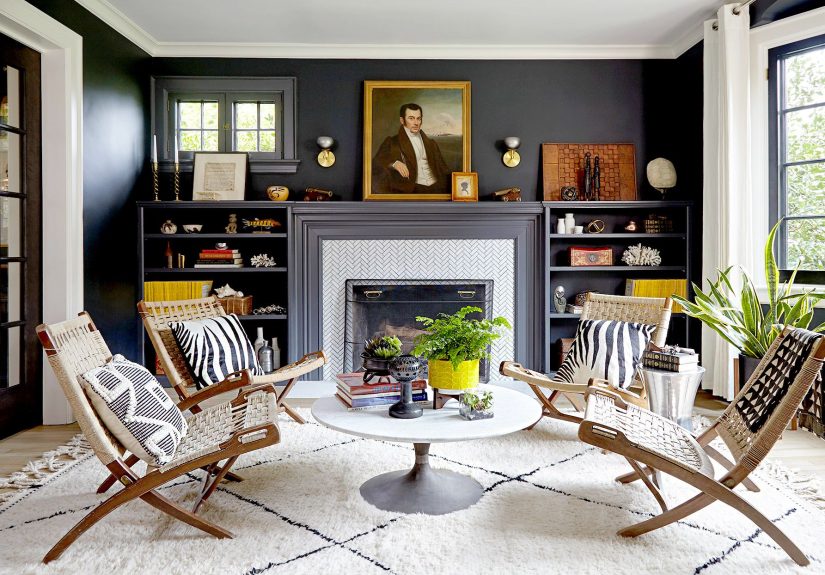
- 20) Built-in shelves flanking the fireplace for symmetry and storage
- 21) A chunky wood beam mantel for instant warmth
- 22) A slim floating mantel for a modern, uncluttered look
- 23) Picture-frame molding around the fireplace for classic polish
- 24) Shiplap (vertical or horizontal) for a casual coastal or farmhouse vibe
- 25) Hidden media strategy: frame TV or art display above the mantel
- 26) Firewood niche built into the surround for functional styling
- 27) Over-mantel paneling to pull the eye up (great for lower ceilings)
- Modern Minimal and Architectural Shapes
- 28) Linear fireplace for a long, low, modern profile
- 29) Corner fireplace that turns an awkward angle into a feature
- 30) Sculptural plaster surround with curved edges
- 31) Concrete or microcement finish for a calm, modern backdrop
- 32) Marble (or marble-look) surround with bold veining
- 33) Double-sided fireplace to connect two spaces
- Outdoor and Small-Space Wins
- Mantel Styling That Doesn’t Look Like a Holiday Explosion
- Conclusion
- Fireplace Stories: of Real-Life Cozy (and What They Teach You)
A fireplace is the only home feature that can be simultaneously a heater, a sculpture, a mood ring, and a
surprisingly effective meeting point for everyone who “wasn’t even cold.” It’s also the one place in your
living room where a single design decision (tile! stone! paint! dramatic plaster curves!) can make the whole
house feel more intentionallike you totally planned the vibe, and it didn’t just happen because you bought a
couch on sale.
Whether you’re working with a classic wood-burning hearth, converting to gas, or going electric for the
“flames-on, sweatpants-on” aesthetic in July, these fireplace design ideas focus on what actually works:
proportion, materials, color, and practical details that keep your fireplace looking great (and behaving safely).
Let’s give your room a cozy focal point that feels good in every seasonyes, even the ones where winter is just
a rumor.
Before You Redesign: 5 Quick Decisions That Save You Time (and Regret)
1) Choose the fireplace type that matches your lifestyle
Wood-burning is classic and crackly, but it comes with ash, storage, and regular chimney maintenance.
Gas options (especially sealed direct-vent systems) can be convenient and cleaner than wood, while electric
units can deliver the look with simpler installation and even “flame-only” mode for year-round ambiance.
Start here, because the type of fireplace influences everything: surround materials, clearances, and how much
heat the wall above it will feel.
2) Respect clearances like your house depends on it (because it does)
Fireplace design is not just “pretty tile season.” It’s also “don’t roast your mantel” season.
Local codes and manufacturer instructions rule, but common requirements often include noncombustible hearth
extensions that project in front of the opening and to each sidemore for larger openings. Mantels and trim
also need proper spacing from the firebox. Translation: design your dream surround, then make sure it’s allowed
to exist safely in the real world.
3) Get the scale right: the surround should fit the room, not bully it
A tiny fireplace wall in a large room can feel underwhelming; a massive surround in a small room can feel like
the fireplace is running for mayor. Use nearby architectural cuesceiling height, window trim, built-ins,
and furniture scaleto set the surround’s width and height. When in doubt, go a bit taller rather than wider;
vertical lines tend to feel elegant instead of heavy.
4) Decide what the fireplace is “made of” visually
You can mix materials, but pick a star. If you want bold tile, keep the mantel simple. If you want a chunky
reclaimed beam mantel, keep the surround quieter. If you want veiny marble drama, let it be the diva and don’t
compete with busy wallpaper inches away.
5) Choose makeover vs. rebuild (and budget accordingly)
Some upgrades are surface-level: paint brick, reface with tile, swap a mantel. Others involve inserts, venting,
gas lines, electrical, or structural changes. The safest and most cost-effective plan is the one you commit to
earlybefore your “quick refresh” turns into “we removed the wall and found a surprise.”
Stone & Brick Statements
1) Floor-to-ceiling stacked stone for instant lodge energy
Run stone all the way up to the ceiling to make the fireplace feel architectural, not decorative. Pair it with
simple furniture so the texture can do the talking.
2) Painted brick in a soft white for brighter, lighter rooms
Painting brick can update a dated fireplace fast and makes a room feel larger. Keep the finish matte or eggshell
for a modern look that doesn’t scream “freshly glossed.”
3) Moody charcoal brick for a cozy, modern focal point
Dark brick looks intentional and hides soot better than pale finishes. Add warm wood accents nearby so it feels
rich, not cold.
4) Limewashed brick for “historic, but make it breathable” charm
Limewash softens contrast and gives brick a chalky, old-world patina. It’s especially good for farmhouse,
cottage, and Mediterranean-inspired spaces.
5) Rustic stone + reclaimed wood mantel for timeless warmth
This combo works because it’s honest: rough texture plus natural wood grain. Keep decor minimalmaybe a large
mirror and a few sturdy objects that don’t look afraid of dust.
6) German schmear (or faux schmear) for a casual, lived-in vibe
That partially-mortared look adds depth and brightens the brick without fully hiding it. It reads cozy and
collected, especially with vintage-style lighting.
7) Smooth plaster around a masonry core for a modern-rustic blend
Pair a clean plaster surround with a simple firebox opening for contrast: soft, seamless surfaces around a
rugged center. Add rounded edges if you want it extra sculptural.
8) Brick arch opening for storybook character
Arches instantly soften a room full of rectangles (hello, TVs and sofas). Repeat the curve elsewherean arched
mirror or doorwayso it feels intentional.
9) Stone slab hearth you can actually sit on
An extended hearth becomes bonus seating and a cozy perch for blankets. Choose a durable stone finish that can
handle life, pets, and the occasional dramatic mug of cocoa.
Tile, Color, and Pattern That Make the Fireplace the Main Character
10) Classic subway tile, but stacked vertically for a fresh twist
Subway tile stays timeless, and a vertical stack pattern feels modern without being trendy. Use a grout color
close to the tile for a clean, calm finish.
11) Zellige tile for imperfect, glossy, artisan texture
Zellige’s variation makes even a simple color feel alive. Keep the mantel streamlined so the tile’s shine and
movement can take center stage.
12) Patterned cement tile for a bold, graphic surround
Go patterned on the surround and keep everything else quiet. The fireplace becomes art, which is helpful if the
rest of the room is more “practical beige.”
13) Large-format porcelain to mimic marble (without the constant worry)
Porcelain can deliver that luxe veining look with easier maintenance. Use minimal grout lines to keep the surface
feeling like one continuous slab.
14) Hand-painted or mural-style tile for a one-of-a-kind statement
This is your “I went for it” moment. Keep nearby decor simple and let the tile set the palette for pillows,
rugs, and artwork.
15) Thin brick veneer in a modern colorwash
Veneer can give you brick texture without a full masonry rebuild. A subtle wash (warm white, greige, or smoky
taupe) keeps it current.
16) Black tile with a matte finish for sleek contrast
Matte black around the firebox feels crisp and modern. Pair with lighter walls or pale wood tones so the
fireplace looks intentionalnot like a missing patch of drywall.
17) Terrazzo surround for playful speckled texture
Terrazzo adds color without screaming. Echo one or two flecks from the terrazzo in small accents around the
room for a cohesive look.
18) Full-height tile feature wall behind a linear fireplace
A long, modern firebox looks especially sharp centered on a tiled wall. Choose a subtle pattern so the length
feels calm and architectural.
19) Painted surround in an unexpected color (yes, even green)
Paint is the fastest way to refresh a fireplace and can modernize traditional shapes. Deep greens, inky blues,
and warm clay tones look rich and cozy year-round.
Millwork, Mantels, and Built-Ins That Earn Their Keep
20) Built-in shelves flanking the fireplace for symmetry and storage
This classic layout frames the fireplace and gives you a place for books, baskets, and “I totally read that”
decor. Add closed cabinets below to hide the real life.
21) A chunky wood beam mantel for instant warmth
A thick mantel adds grounding and makes the fireplace feel substantial. Keep the beam’s finish natural to
highlight the grain and texture.
22) A slim floating mantel for a modern, uncluttered look
If you love minimalism, go thin and clean-lined. Let negative space do the work, and style with fewer, larger
pieces instead of tiny clutter.
23) Picture-frame molding around the fireplace for classic polish
Add trim detail for traditional eleganceeven around a simple surround. Paint the molding the same color as the
wall for subtle sophistication.
24) Shiplap (vertical or horizontal) for a casual coastal or farmhouse vibe
Shiplap adds texture and height without heavy materials. Use it as a full fireplace wall, then keep the mantel
simple so it doesn’t get too “theme park.”
25) Hidden media strategy: frame TV or art display above the mantel
If the fireplace and TV are sharing custody of your focal point, make it look intentional. A frame-style TV or
art display can soften the “giant black rectangle” effect.
26) Firewood niche built into the surround for functional styling
A recessed wood nook looks warm and organic, even if you’re mostly using gas or electric. Stack logs neatly for
texture and a little cabin energy.
27) Over-mantel paneling to pull the eye up (great for lower ceilings)
Extend millwork or paneling above the mantel to add height. The trick: keep lines clean and let the paneling
guide the gaze upward.
Modern Minimal and Architectural Shapes
28) Linear fireplace for a long, low, modern profile
Linear fireboxes feel sleek and architectural. Center it on the wall and keep the surround simpleplaster,
stone slab, or large-format tile work beautifully.
29) Corner fireplace that turns an awkward angle into a feature
Corner placements can free up furniture layouts and create a cozy nook. Use a wraparound surround to emphasize
the geometry instead of hiding it.
30) Sculptural plaster surround with curved edges
Curves add softness and a custom, high-end feel. A rounded surround paired with warm neutrals reads both retro
and freshlike a boutique hotel, but with your snacks.
31) Concrete or microcement finish for a calm, modern backdrop
Smooth mineral finishes look minimalist and grounded. Warm them up with wood furniture, textured rugs, and
lighting that leans amber instead of icy white.
32) Marble (or marble-look) surround with bold veining
Veined stone is instant drama. Keep other patterns restrained so the marble doesn’t have to compete for
attention like it’s auditioning for a soap opera.
33) Double-sided fireplace to connect two spaces
A see-through fireplace can define zones without closing off flow. It’s especially impactful between living and
dining areas, or between a bedroom and bath.
Outdoor and Small-Space Wins
34) Outdoor fireplace wall for patio “third space” magic
An outdoor hearth makes evenings feel longer and gatherings more natural. Use durable materials (stone, masonry,
concrete) and plan for wind and seating placement.
35) Compact electric fireplace with built-in cabinetry for apartments
When space is tight, an electric unit can give you ambiance and supplemental heat without major construction.
Pair with storage so the fireplace earns its footprint.
Mantel Styling That Doesn’t Look Like a Holiday Explosion
The secret is scale and restraint: one large anchor (a mirror, big art, or a statement object), plus two to four
supporting pieces with different heights. Mix materialsceramic, wood, metal, glassso it feels layered. And
give your mantel some breathing room. Cozy is not the same as cluttered, even if your candle collection is
emotionally important to you.
Conclusion
The best fireplace design ideas balance beauty with real-life use: safe clearances, comfortable heat, and
materials that fit your style and your schedule. Whether you go full stone statement, sleek linear minimalism,
or a simple paint-and-mantel refresh, aim for one clear focal point and a finish palette that supports it.
Do that, and your fireplace won’t just warm the roomit’ll quietly upgrade the entire home’s mood all year long.
Fireplace Stories: of Real-Life Cozy (and What They Teach You)
The first time you sit in front of a finished fireplaceone you actually chose, planned, and didn’t inherit from
a previous owner’s “Tuscan phase”you notice something funny: the room behaves differently. People drift toward
the hearth like it’s giving out free Wi-Fi. Pets mysteriously become more affectionate. Even the friend who
“doesn’t like being indoors” suddenly wants to stay for one more episode. A fireplace doesn’t just heat air; it
changes the way a space gets used.
One of the biggest surprises is how much the surround material affects the vibe. A stone fireplace reads steady
and groundinglike your living room is wearing boots and a good jacket. Tile, on the other hand, can be playful,
crisp, and a little fashion-forward. It’s the difference between “let’s make soup” and “let’s make soup, but in
a kitchen that looks like it’s been featured somewhere.” And painted brick? That’s the glow-up that makes you
wonder why you ever tolerated the old color, like switching from harsh overhead lighting to a lamp and suddenly
feeling emotionally understood.
Then there’s the mantel: the tiny stage where your decorating habits reveal themselves. At first, most people go
too smalllittle frames and random objects that look like they were placed by a timid raccoon. Over time, you
learn the mantel wants confidence: a larger piece of art, a mirror that reflects light, and a few items with
weight. You also learn the value of negative space. A mantel with breathing room looks calm and expensive. A
mantel packed tight looks like it’s about to start selling tickets.
Living with a fireplace also teaches you “heat math.” You start noticing that the wall above a working fireplace
isn’t a neutral environment. If you’re mounting anything there (especially electronics), you become obsessed
with placement, airflow, and making sure you’re not slowly toasting something that cost real money. This is why
simple, durable finishes are so satisfying: plaster, stone, and porcelain look good and don’t panic when the
fireplace does its job.
Finally, the best lesson is seasonal flexibility. A fireplace doesn’t have to be a winter-only prop. In warmer
months, it’s still a focal point: you can style the hearth with stacked logs, greenery, candles, or even a clean,
minimalist empty opening that feels architectural. If you have an electric unit with flame-only mode, you get
the cozy visuals without turning your living room into a sauna. Either way, the real magic is that a well-designed
fireplace makes “home” feel like a place you want to lingerno special occasion required.







 Close
Close