
Table of Contents >> Show >> Hide
- What “Neutral” Really Means in a Bathroom
- 30 Neutral Bathroom Ideas That Won’t Date Themselves
- 1) Start with a warm white foundation
- 2) Choose greige when you want calm + warmth
- 3) Build a tone-on-tone palette (three neutrals, not one)
- 4) Try a two-tone wall treatment for subtle contrast
- 5) Add plaster or limewash-style texture (without visual noise)
- 6) Use classic subway tilethen modernize it with grout
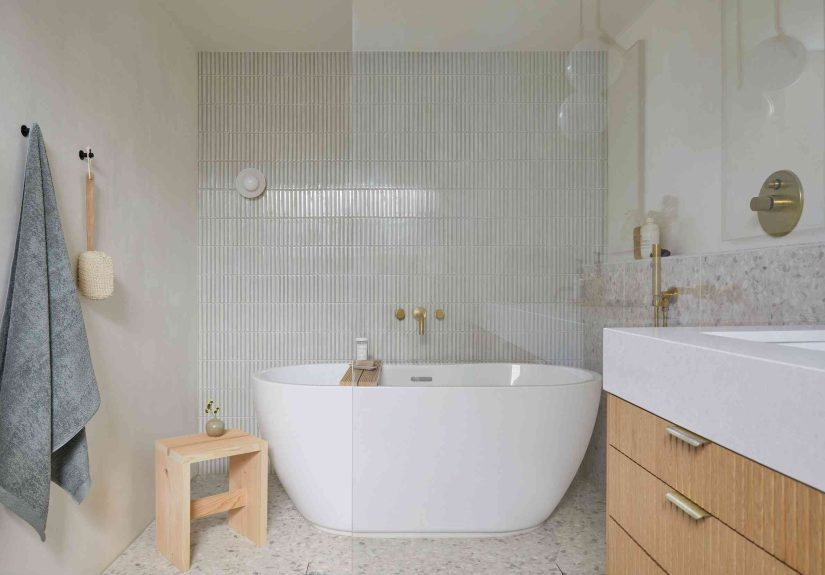
- 7) Stack subway tile vertically for a fresh-but-still-classic layout
- 8) Bring in handmade-look tile for warmth (cream zellige, anyone?)
- 9) Pick marble-look porcelain for timeless elegance with less stress
- 10) Go honed or matte on stone finishes for a spa vibe
- 11) Choose small-format mosaic floors for grip (and long-term practicality)
- 12) Use large-format tile to reduce grout lines
- 13) Try a “stone slab” look on the vanity wall
- 14) Mix matte and glossy finishes in the same color family
- 15) Add a wood vanity to warm up the room instantly
- 16) Choose reeded or fluted details for subtle sophistication
- 17) Float the vanity for a lighter, airier neutral bathroom
- 18) Pick a simple countertop with gentle movement
- 19) Use rounded shapes to soften a neutral palette
- 20) Stick with brushed nickel for forever-classic hardware
- 21) Use aged brass (sparingly) for warmth and glow
- 22) If you mix metals, keep them in the same temperature zone
- 23) Add lighting in layers (your face will thank you)
- 24) Install a backlit mirror for soft, spa-like glow
- 25) Put everything on a dimmer and choose warm bulbs
- 26) Choose a frameless glass shower for a calmer visual
- 27) Swap a stiff shower curtain for relaxed linen (in oatmeal or ivory)
- 28) Use spa textiles: plush towels, a thick bath mat, and a robe hook
- 29) Style with nature: greenery, wood, and woven storage
- 30) Add one comfort upgrade: heated towel bar or radiant floor warmth
- Putting It All Together: A Simple Neutral Bathroom Formula
- Experience-Based Notes: What Makes a Neutral Bathroom Actually Feel Relaxing
Neutral bathrooms get an unfair reputation for being “safe.” (As if choosing beige automatically means you also collect commemorative spoons.) The truth: a neutral bathroom can feel like a boutique hotel spa, a cozy Scandinavian sauna, or a clean-lined modern retreatwithout screaming for attention at 7 a.m. when you’re just trying to locate your face.
The secret is that “neutral” isn’t a single color. It’s a whole mood: warm whites, creamy ivories, soft taupes, gentle greiges, sandy beiges, and stone-inspired grayslayered with texture, light, and a few smart details that keep the space feeling calm (not bland). Below are 30 neutral bathroom ideas that hold up year after year, plus a longer experience-based section at the end to help you avoid the most common neutral-bathroom regrets.
What “Neutral” Really Means in a Bathroom
A timeless neutral bathroom starts with undertones. “White” can lean warm (creamy) or cool (icy). “Gray” can feel cozy (greige) or clinical (cool concrete). Because bathrooms often have cooler light and reflective surfaces, neutrals can shift dramatically throughout the day. So, the goal isn’t “pick one neutral and call it done.” The goal is to build a quiet palette that still has dimension: soft contrast, mixed finishes, and tactile materials.
Think of it like making a great cup of coffee: water alone is technically a beverage, but it’s not the vibe. A little milk (warmth), a little cinnamon (texture), maybe a pinch of salt (contrast), and suddenly it’s something you look forward to.
30 Neutral Bathroom Ideas That Won’t Date Themselves
Use these ideas à la cartemix two or three for a quick refresh, or combine several for a full “whoa, is this a spa?” transformation.
1) Start with a warm white foundation
Warm whites make bathrooms feel clean without looking sterile. Choose a soft, slightly creamy white for walls or trim, then layer in natural textures (wood, stone, linen) so it feels inviting rather than “operating room chic.”
2) Choose greige when you want calm + warmth
Greige (the gray-beige handshake) is a classic for bathrooms because it reads neutral in most lighting and plays nicely with stone, tile, and wood. It’s especially forgiving in windowless or north-facing bathrooms.
3) Build a tone-on-tone palette (three neutrals, not one)
A timeless neutral scheme usually includes: a light base (warm white), a mid-tone (taupe/greige), and a deeper anchor (soft charcoal, mushroom, or espresso). This prevents the “everything is the same shade of oatmeal” look.
4) Try a two-tone wall treatment for subtle contrast
Half-wall tile, beadboard, or wainscoting in a slightly deeper neutral adds structure and polish. Keep the top half lighter to bounce light aroundespecially helpful in small bathrooms.
5) Add plaster or limewash-style texture (without visual noise)
A softly mottled wall finish in sand, putty, or warm gray adds depth without bold pattern. It’s a quiet luxury movelike wearing a great cashmere sweater instead of a shirt that yells “GRAPHIC DESIGN.”
6) Use classic subway tilethen modernize it with grout
Subway tile is timeless, but white grout can age like a white T-shirt near spaghetti. Choose a warm gray or greige grout for easier maintenance and softer contrast while keeping the look classic.
7) Stack subway tile vertically for a fresh-but-still-classic layout
Same familiar tile, different rhythm. Vertical stacking elongates walls and feels clean-lined. It reads modern without being “trendy for exactly nine minutes.”
8) Bring in handmade-look tile for warmth (cream zellige, anyone?)
Slight variation in glaze and edges adds glow and personalityespecially in neutral shades like ivory, bone, or warm white. Use it in the shower or as a backsplash to keep it special.
9) Pick marble-look porcelain for timeless elegance with less stress
Natural marble is gorgeous, but it can be high-maintenance in wet zones. Marble-look porcelain gives you soft veining and a classic feel with easier caregreat for floors and shower walls.
10) Go honed or matte on stone finishes for a spa vibe
Glossy surfaces can feel shiny and busy. Honed or matte finishes diffuse light and make the room feel calmer. This works for tile, counters, and even hardware.
11) Choose small-format mosaic floors for grip (and long-term practicality)
Penny rounds, hex mosaics, or tiny squares aren’t just cutethey can improve traction in wet bathrooms. Keep the color neutral and let the pattern be subtle.
12) Use large-format tile to reduce grout lines
Fewer grout lines = a cleaner visual and less scrubbing. Large-format porcelain in warm stone tones can make a bathroom feel seamless and high-end.
13) Try a “stone slab” look on the vanity wall
A slab-style porcelain panel or large stone-look tile behind the vanity creates a quiet statement. Pair it with a simple mirror and minimal hardware for a timeless focal point.
14) Mix matte and glossy finishes in the same color family
Want depth without adding color? Use a matte wall tile with a slightly glossy accent tile (or vice versa). Same palette, richer texturelike a monochrome outfit that still looks intentional.
15) Add a wood vanity to warm up the room instantly
White bathrooms can feel crisp, but wood adds the “exhale.” Light oak, walnut, or even a warm stained finish pairs beautifully with neutral tile and makes the space feel grounded.
16) Choose reeded or fluted details for subtle sophistication
Fluted vanity fronts, ribbed glass, or slatted wood accents add texture without loud pattern. They’re classic enough to last, but interesting enough to keep neutrals from going flat.
17) Float the vanity for a lighter, airier neutral bathroom
A wall-mounted vanity shows more floor, which visually expands the room. It’s especially effective when your palette is soft and tonaleverything feels calmer when it feels less crowded.
18) Pick a simple countertop with gentle movement
For timeless appeal, avoid super-busy patterns. Look for quiet veining or a soft, speckled stone effect that adds interest up close but reads serene from across the room.
19) Use rounded shapes to soften a neutral palette
Arched mirrors, pill-shaped sconces, or a curved-edge vanity top make a neutral bathroom feel more relaxing. Hard angles can look sharp; curves read “spa.”
20) Stick with brushed nickel for forever-classic hardware
Brushed nickel works with warm and cool neutrals, doesn’t feel overly trendy, and ages gracefully. If you want “timeless” in one word, nickel is a strong candidate.
21) Use aged brass (sparingly) for warmth and glow
Brass adds richness to neutrals, especially cream and beige. Keep it consistent across faucet, shower trim, and mirror frame so it looks curatednot like you adopted random metals from the clearance aisle.
22) If you mix metals, keep them in the same temperature zone
Mixing can work, but it’s easiest when metals share an undertone (warm with warm, cool with cool). For example: brushed nickel + matte black can feel crisp; brass + bronze can feel warmly layered.
23) Add lighting in layers (your face will thank you)
A relaxing bathroom needs more than one overhead light. Combine vanity sconces (for flattering light), ambient ceiling lighting (for overall brightness), and a shower-rated light if needed.
24) Install a backlit mirror for soft, spa-like glow
Backlit mirrors add gentle light and reduce harsh shadowsgreat for early mornings and late nights. They also look sleek against neutral walls without demanding attention.
25) Put everything on a dimmer and choose warm bulbs
Dimmers turn your bathroom from “task mode” to “relax mode” instantly. Use warm color temperature bulbs so your neutrals stay cozy, not icy.
26) Choose a frameless glass shower for a calmer visual
Frameless glass keeps sightlines open and makes tile and stone the star. In a neutral bathroom, this creates that seamless, hotel-like look that feels quietly luxurious.
27) Swap a stiff shower curtain for relaxed linen (in oatmeal or ivory)
If you’re not doing glass, a textured fabric curtain softens the room. Linen-look materials in warm neutrals add movement and make the bathroom feel less “hard-surface only.”
28) Use spa textiles: plush towels, a thick bath mat, and a robe hook
Neutral bathrooms shine when the soft goods look intentional. Stick to one palette (white, sand, taupe) and vary texture: waffle weave towels, a looped cotton mat, a linen robe.
29) Style with nature: greenery, wood, and woven storage
A small plant, a teak stool, and a couple of woven baskets can transform a neutral bathroom into a retreat. Natural materials add warmth and keep the palette from feeling one-note.
30) Add one comfort upgrade: heated towel bar or radiant floor warmth
If you want “timeless and relaxing,” comfort matters. A heated towel bar feels luxurious every day. Radiant floor heating (even just in key zones) is a long-term upgrade that quietly elevates the whole bathroom experience.
Putting It All Together: A Simple Neutral Bathroom Formula
If you’re overwhelmed, try this easy recipe: Warm white base + one mid-tone neutral + one natural material (wood or stone) + one metal finish + layered lighting. You’ll get a bathroom that feels calm, looks expensive (even if it wasn’t), and won’t make you cringe when design trends shift.
Neutral bathrooms aren’t boringthey’re strategic. They let texture, light, and quality materials do the talking. And honestly, your bathroom doesn’t need to be the loudest room in the house. It just needs to be the one that makes you breathe a little deeper.
Experience-Based Notes: What Makes a Neutral Bathroom Actually Feel Relaxing
After looking at countless real bathrooms (from tiny rental powder rooms to full master-bath remodels), one thing becomes obvious: the most relaxing neutral bathrooms aren’t defined by a single “perfect” beige. They’re defined by balance. The wins happen when homeowners treat “neutral” as a layered design approachnot a paint chip decision.
First, people underestimate lighting. A neutral palette is basically a mirror for whatever light you give it. If the only light source is a bright, cool overhead fixture, even a gorgeous warm white can read cold and flat. The bathrooms that feel calm typically have at least two lighting types: a soft ambient glow for the room and a face-friendly vanity light that doesn’t make you look like you’ve been solving mysteries all night. Add a dimmer, and suddenly the bathroom can shift from “get-ready mode” to “unwind mode” without changing a single tile.
Second, texture is the difference between “timeless spa” and “sad beige box.” In practice, the most successful neutral bathrooms use texture in at least three places: a tactile surface (tile, plaster, or stone), a warm element (wood vanity, stool, or shelving), and a soft element (towels, bath mat, curtain, or window treatment). You don’t need a hundred accessories. You need a few pieces that feel good and look intentionalbecause relaxation is easier when your eyes aren’t bouncing around looking for something to land on.
Third, neutral bathrooms stay timeless when the “big choices” are classic and the “small choices” carry the personality. Think: classic tile layout, simple vanity silhouette, and a dependable finish like brushed nickel. Then let personality show up in the swap-friendly layer: art, a sculptural soap dispenser, a vintage tray, a plant, or even a playful hand towel (yes, you can be mature and still own a towel that says something mildly unhinged). Bathrooms that rely on ultra-trendy hard finishes for personality can feel dated faster because changing them is expensive. Bathrooms that use style in the soft layer can evolve easily.
Fourth, real life loves practicality. Grout and maintenance matter more than most mood boards admit. A gorgeous all-white shower can look perfect on day one and like a part-time job by day thirty if the grout color and tile size weren’t chosen with cleaning in mind. Many homeowners find that slightly deeper grout (warm gray, greige) and fewer grout lines (larger tile, or thoughtfully placed mosaics) keep the bathroom looking “new” longer. The relaxation factor goes up dramatically when you’re not constantly seeing soap scum announce itself like a celebrity entrance.
Finally, comfort features are what make a neutral bathroom feel truly restorative. A towel warmer, a quiet exhaust fan, a handheld shower, and a small niche for bath products don’t sound glamorous, but they change how the room functions every single day. A neutral palette provides the calm backdrop; comfort details create the “I actually want to spend time here” feeling. The most timeless bathrooms are the ones that look serene and work beautifully because nothing ruins a spa vibe faster than a towel that’s cold and a mirror that’s fogged like a haunted house scene.






 Close
Close