
Table of Contents >> Show >> Hide
- Before You Start: Know Your Power Drill
- Way 1: Use a Power Drill to Drill Holes
- Way 2: Use a Power Drill to Drive Screws
- Way 3: Use a Power Drill with Attachments
- How to Choose the Right Drill Setting
- Common Power Drill Mistakes to Avoid
- Real-Life Examples of Using a Power Drill
- of Practical Experience: What Using a Power Drill Teaches You
- Conclusion
- SEO Tags
A power drill is one of those tools that looks mildly intimidating until you use it once. Then it becomes the household superhero you reach for when a shelf needs hanging, a cabinet knob needs replacing, or a wobbly chair decides to audition for a disaster movie. The good news? Learning how to use a power drill does not require a contractor’s license, a secret handshake, or a garage full of mysterious metal bits. You only need to understand three core uses: drilling holes, driving screws, and using attachments for special tasks.
This guide breaks down the three most practical ways to use a power drill in standard American English, with beginner-friendly explanations, real examples, safety tips, and a few “please don’t learn this the hard way” moments. Whether you own a cordless drill, a corded drill, a drill driver, or a hammer drill, the basics are surprisingly approachable.
Before You Start: Know Your Power Drill
Before jumping into the three main uses, it helps to understand the parts of a power drill. Most drills include a trigger, chuck, clutch, forward/reverse switch, battery or power cord, speed selector, and handle. The chuck holds your drill bit or driver bit. The trigger controls speed. The clutch controls torque, which is the twisting force used to drive screws or drill into material. The forward/reverse switch changes the rotation direction, which is helpful when removing screws or backing out a stuck bit.
Think of the drill as a tiny spinning engine with manners. When you set it correctly, it behaves beautifully. When you ignore the settings, it may strip screws, split wood, or try to twist your wrist like it is opening a stubborn pickle jar.
Basic Safety Rules
Always wear safety glasses when drilling. Small chips of wood, metal, drywall, or masonry can fly faster than your reflexes. Secure your workpiece with clamps whenever possible, especially when drilling small boards or metal pieces. Keep loose clothing, jewelry, and long hair away from the spinning bit. If you are drilling into a wall, check for electrical wires, pipes, and studs before making a hole. A stud finder with wire-detection features can save you from turning a simple curtain rod project into an expensive phone call.
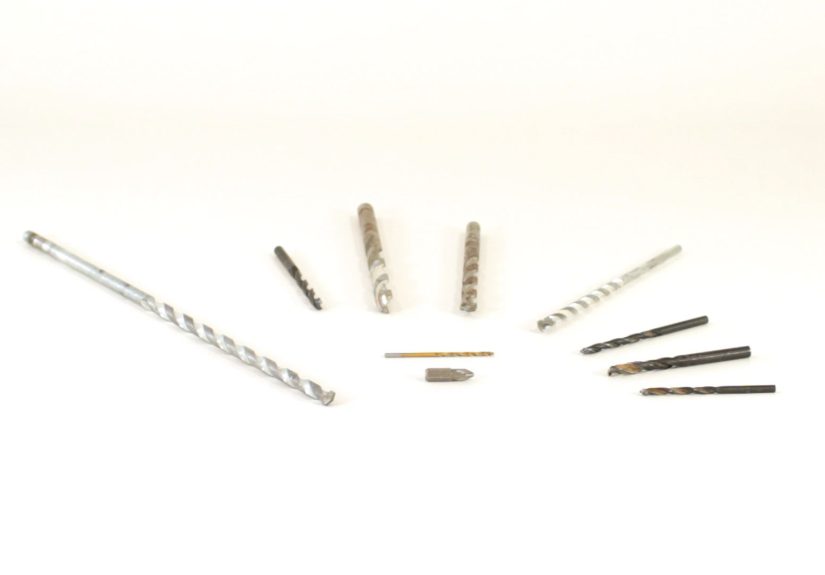
Use the right bit for the material. Wood bits are for wood. Masonry bits are for brick, block, and concrete. Metal bits are designed for metal. Driver bits are for screws. Mixing them up is like wearing flip-flops to shovel snow: technically possible, but not recommended by anyone with good judgment.
Way 1: Use a Power Drill to Drill Holes
The most obvious use of a power drill is drilling holes. You might drill holes to hang wall anchors, install hardware, run cable, assemble furniture, build shelves, or create pilot holes before driving screws. A clean hole starts with three choices: the correct drill bit, the correct speed, and steady pressure.
Choose the Right Drill Bit
For wood, use twist bits, brad-point bits, spade bits, or hole saws depending on the size and finish you need. A twist bit works well for basic holes. A brad-point bit gives cleaner, more accurate holes in wood because the center point helps prevent wandering. A spade bit drills larger holes quickly but can leave rough edges. A hole saw creates large circular openings for door hardware, plumbing, or cable access.
For metal, use high-speed steel bits or bits designed specifically for metal. Start slowly, apply moderate pressure, and consider using cutting oil on harder metals to reduce heat. Heat is the enemy of drill bits. If your bit turns blue, smokes, or smells like regret, you are probably drilling too fast or pressing too hard.
For masonry, use a masonry bit and, ideally, a hammer drill setting if your drill has one. The hammer action adds rapid forward impacts that help chip into brick, block, or concrete. A standard drill can handle some light masonry work, but concrete usually prefers a hammer drill or rotary hammer.
Mark the Hole and Start Slow
Mark the drilling spot with a pencil. For wood or drywall, a simple dot is usually enough. For metal or slick surfaces, create a small starting point with a center punch or awl so the bit does not skate across the surface. Place the bit on the mark, hold the drill straight, and begin at a low speed. Once the bit has started cutting, increase speed gradually.
Keeping the drill straight is important. If the bit leans, the hole may become angled, oversized, or messy. For critical holes, use a drill guide, a square, or a scrap block with a straight guide hole. For everyday home projects, simply step back and check the drill angle from the side and top before pulling the trigger fully.
Use Pilot Holes for Better Results
A pilot hole is a small hole drilled before a screw or larger bit goes in. Pilot holes reduce splitting in wood, make screws easier to drive, and improve accuracy. This is especially important near board edges, in hardwoods, and when installing cabinet hardware. The pilot hole should be slightly smaller than the screw’s core, not the full width of the threads.
For example, if you are installing a coat hook into a wooden board, drill pilot holes first. The screws will go in straighter, the wood will be less likely to crack, and the finished hook will look like it was installed by a careful human instead of a caffeinated raccoon.
Prevent Tear-Out
Tear-out happens when the back side of the material splinters as the bit exits. To prevent it, place a scrap board underneath the workpiece. Drill through the main piece and slightly into the scrap. This supports the fibers and leaves a cleaner exit hole. You can also drill halfway from one side, then flip the piece and finish from the other side if appearance matters on both faces.
Way 2: Use a Power Drill to Drive Screws
The second major way to use a power drill is driving screws. This is where a drill driver becomes incredibly useful. You can assemble furniture, install shelves, fasten deck boards, secure brackets, mount hinges, repair cabinets, and complete countless DIY projects faster than with a manual screwdriver.
However, driving screws with a drill is not simply “pull trigger and hope.” The trick is to match the driver bit to the screw, set the clutch correctly, and control the speed.
Pick the Correct Driver Bit
Driver bits come in different shapes: Phillips, flathead, Torx, square, hex, and others. Use a bit that fits snugly into the screw head. A loose bit can slip and strip the screw. Once a screw head is stripped, removing it becomes a mini-drama involving pliers, patience, and possibly emotional support.
Common household screws often use Phillips bits, but many construction screws use Torx or square-drive heads because they resist slipping better. If your screw box includes a matching bit, use it. That small free bit is not decorative; it is there to make your life less annoying.
Understand the Clutch Setting
The clutch is the numbered ring near the front of many drills. Lower numbers provide less torque. Higher numbers provide more torque. When driving screws, start with a lower setting and increase as needed. This helps prevent overdriving the screw, stripping the head, or damaging the workpiece.
For small screws in softwood, a low clutch setting may be enough. For longer screws or denser material, you may need a higher setting. For drilling holes, many drills have a drill symbol that bypasses the clutch and provides full power. Use that drilling mode for holes, not for delicate screw driving.
Start Slowly and Keep Pressure on the Screw
Place the driver bit firmly into the screw head. Hold the drill in line with the screw. Start slowly so the threads can bite. Apply steady forward pressure. If the bit slips, stop and realign it. Do not keep spinning after the bit cams out, because that is how screw heads get ruined.
Driving screws straight matters. A crooked screw can weaken the connection, split wood, or leave an ugly finish. For visible hardware, take your time. For hidden framing work, accuracy still matters, but at least the screw will not be judged by dinner guests.
Use Pilot Holes and Countersinks
For a stronger and cleaner result, drill pilot holes before driving screws. If you want the screw head to sit flush or slightly below the surface, use a countersink bit. A countersink creates a small tapered recess for the screw head. This is useful for woodworking, shelves, trim, and furniture projects.
Combination countersink bits can drill the pilot hole and countersink in one step. They are especially helpful when building with wood because they save time and improve consistency. If you have ever wondered why professional-looking screws sit perfectly flush, countersinking is often the reason.
Driving Screws into Walls
When mounting items on a wall, know what you are fastening into. Drywall alone is not strong enough for heavy shelves, TVs, or large mirrors unless you use proper anchors rated for the load. For heavier objects, drive screws into wall studs whenever possible. Use a stud finder, mark the stud location, drill a pilot hole, and then drive the screw.
For drywall anchors, drill the recommended hole size listed on the anchor package. Too small, and the anchor may buckle. Too large, and the anchor may spin uselessly like a tiny plastic helicopter. Follow the package instructions and check the weight rating.
Way 3: Use a Power Drill with Attachments
The third way to use a power drill is with attachments. This is where the drill becomes more than a hole-making and screw-driving machine. With the right accessory, a drill can sand, stir paint, clean surfaces, polish metal, cut holes, and even help with light-duty gardening tasks.
Attachments are useful, but they also require common sense. A drill is powerful, and accessories add spinning mass. Always read the attachment instructions, use the correct speed, and keep a firm grip.
Use a Hole Saw for Large Openings
A hole saw attaches to your drill and cuts large circular holes. It is commonly used for doorknob installation, cable pass-throughs, plumbing access, recessed lighting, and desk grommets. Hole saws come in many sizes and are available for wood, metal, tile, and masonry.
When using a hole saw, start slowly. Let the center pilot bit establish the location before the saw teeth touch the surface. Keep the drill straight and avoid forcing it. Hole saws can bind, especially in thick material, so hold the drill with both hands if possible.
Use Brush Attachments for Cleaning
Drill brush attachments can scrub tile, grout, tubs, outdoor furniture, wheels, and textured surfaces. They are popular because they turn elbow grease into battery-powered enthusiasm. Use a soft brush for delicate surfaces and stiffer brushes for durable materials.
Test in a hidden area first. A stiff brush on high speed can scratch softer surfaces. Also, cleaning sprays and spinning brushes can fling droplets around, so wear eye protection unless you enjoy surprise soap mist.
Use Sanding and Polishing Attachments
Sanding drums, flap wheels, and polishing pads can be used with a drill for small projects. They are handy for smoothing curved edges, cleaning rust from metal, polishing hardware, or touching up tight areas where a full-size sander will not fit.
Use light pressure and keep the attachment moving. Holding it in one spot can create grooves, heat buildup, or uneven results. A drill is not always a replacement for a dedicated sander or polisher, but for small jobs, it can be surprisingly helpful.
Use Mixing Attachments Carefully
A mixing paddle can help stir paint, joint compound, mortar, or thinset. Make sure your drill is powerful enough for the material. Thick compounds require more torque and can strain a small drill. Use low speed, keep the paddle submerged before starting, and hold the bucket steady.
Starting too fast near the surface is the classic way to redecorate your shoes, floor, and possibly the family dog. Low speed is your friend.
How to Choose the Right Drill Setting
Most drill drivers offer variable speed through the trigger and may include a speed selector on top. Low speed provides more control and torque, making it useful for driving screws, drilling metal, and starting holes. High speed is better for drilling smaller holes in wood and other softer materials.
If your drill has a hammer setting, use it only for masonry. Do not use hammer mode for driving screws or drilling wood. If your drill has a clutch, use numbered settings for screws and drill mode for holes. If your drill has multiple gears, choose low gear for high torque and high gear for faster drilling.
Common Power Drill Mistakes to Avoid
Using the Wrong Bit
The wrong bit can damage the material, the fastener, and the drill bit itself. A masonry bit will not give clean results in wood. A wood bit may dull quickly in metal. A poorly fitting driver bit can strip screws. Match the bit to the job before you start.
Pressing Too Hard
A sharp drill bit should cut with moderate pressure. Pressing too hard can overheat the bit, damage the drill, bend the bit, or create rough holes. Let the tool do the work. You are guiding the drill, not challenging it to a wrestling match.
Ignoring What Is Behind the Surface
Before drilling into walls, floors, cabinets, or furniture, consider what may be behind the surface. Electrical wires, plumbing pipes, glass, hardware, and finished surfaces can all be damaged by a bit that goes too far. Use depth stops, tape on the bit, or a drill guide when depth matters.
Not Charging the Battery
Cordless drills are convenient, but batteries fade at the worst possible time. Charge batteries before starting a project, and keep a spare if you are working for more than a few minutes. Nothing kills DIY momentum like one screw left and a dead battery blinking at you with zero sympathy.
Real-Life Examples of Using a Power Drill
Imagine you are hanging floating shelves. First, use a stud finder to locate studs. Mark your bracket holes. Drill pilot holes into the studs. Then use the drill driver with the correct bit to drive screws through the bracket. Check level before tightening everything fully. In this project, the drill helps with both drilling and screw driving.
Now imagine assembling a flat-pack bookcase. Use the drill on a low clutch setting to drive screws without crushing particleboard. If the drill has too much torque, it can strip the holes or damage the panels. Here, control matters more than speed.
For a third example, picture cleaning stubborn grout lines in a bathroom. Attach a drill brush, apply cleaner, start at low speed, and scrub in sections. Rinse and wipe as you go. The drill saves time, but you still need the right brush and a careful touch.
of Practical Experience: What Using a Power Drill Teaches You
The first thing experience teaches you about using a power drill is that confidence comes from setup, not speed. Beginners often think the goal is to drill quickly, but the real goal is to drill accurately. A slow, straight pilot hole is better than a fast, crooked one. When you take an extra minute to mark the spot, choose the right bit, check what is behind the surface, and test the clutch, the actual drilling becomes easy.
One of the most useful habits is keeping scrap wood nearby. Scrap wood can support a board to prevent tear-out, help test drill depth, and let you practice before touching the finished piece. If you are installing cabinet knobs, test the bit size on scrap first. If you are driving screws into hardwood, test the clutch setting before working on the real project. Scrap wood is basically the rehearsal stage where mistakes can happen without applause.
Another lesson is that drill bits matter more than many people expect. A cheap, dull bit can make a powerful drill feel weak. A sharp, appropriate bit makes the same drill feel smooth and controlled. If holes start smoking, squealing, or taking forever, the bit may be dull, dirty, or wrong for the material. Clean your bits after use, store them dry, and replace damaged ones. The drill is the motor, but the bit is the part doing the cutting.
Experience also teaches you to respect torque. A drill can twist suddenly when a bit binds or a hole saw catches. For larger bits, hole saws, and masonry work, use both hands and brace yourself. Keep your wrist straight and your stance balanced. Do not overreach from a ladder while drilling. Move the ladder instead. The extra few seconds are better than performing an unexpected acrobatic routine with a spinning tool in your hand.
When driving screws, the biggest improvement comes from slowing down at the end. Many stripped screws happen in the final half second. The screw is almost seated, the user keeps full trigger pressure, and suddenly the bit slips. Use steady pressure, listen to the drill, and ease off as the screw head reaches the surface. If your drill has a clutch, let it help you. Start low, then increase only if the screw will not seat.
Finally, experience teaches you that a power drill is not just a tool for big projects. It is useful for tiny fixes: tightening a loose hinge, installing a hook, replacing drawer pulls, assembling a plant stand, hanging blinds, or repairing a fence latch. Once you learn the basic settings and develop a feel for speed and pressure, the drill becomes less intimidating and more like a reliable kitchen knife: sharp, useful, and deserving of attention.
The best advice is simple: practice on scrap, start slow, use the correct bit, and let the tool do the work. A power drill rewards patience. Treat it well, and it will help you build, fix, hang, assemble, clean, and occasionally feel like the most competent person in the house.
Conclusion
Learning how to use a power drill comes down to three essential skills: drilling holes, driving screws, and using attachments. Once you understand bits, torque, speed, and safety, the drill becomes one of the most useful tools you can own. It can help with home repairs, DIY furniture, wall mounting, woodworking, cleaning, and countless weekend projects.
You do not need to master every accessory or setting on day one. Start with simple tasks, practice on scrap material, and build confidence project by project. The drill may spin fast, but good results come from slowing down, setting up carefully, and using the right technique. That is the difference between “I fixed it” and “I made a new problem with more holes.”
Note: This article was created from synthesized, practical guidance based on real drill-use, home improvement, manufacturer, and safety recommendations, rewritten in original language for web publishing.





 Close
Close