
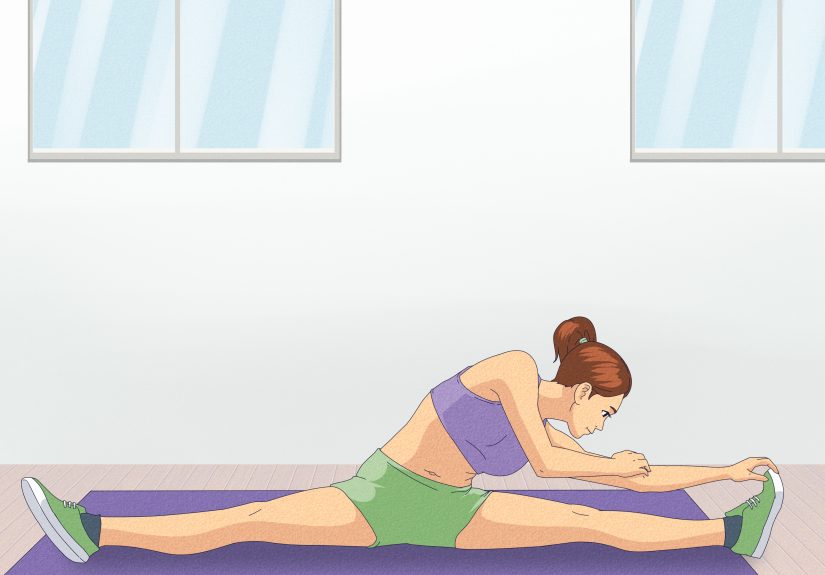
Table of Contents >> Show >> Hide
- Before You Drop Low: What the Splits Actually Require
- Way #1: Use a Dynamic Warm-Up Before Deep Stretching
- Way #2: Build the Front Split With Hip Flexor and Hamstring Stretches
- Way #3: Train the Middle Split With Adductor and Frog Variations
- How Often Should You Stretch for the Splits?
- Signs You’re Progressing the Right Way
- When to Back Off
- Real-World Experiences: What Split Training Often Feels Like
- Conclusion
Let’s be honest: the splits look magical. One minute you’re standing there like a normal human, and the next you’re gliding toward the floor like your hips signed a peace treaty. But getting there is rarely a one-stretch miracle. It takes patience, consistency, smart technique, and a deep respect for the fact that your hamstrings are not rubber bands from an office supply drawer.
If you want to learn how to stretch for the splits, the good news is that you do not need circus genetics or a dance studio from birth. What you do need is a plan that improves flexibility safely. The splits demand length and control through the hamstrings, hip flexors, glutes, and inner thighs. They also require you to stop chasing the floor like it owes you money. The best progress comes from gradual training, not forcing positions until your face says one thing and your groin says another.
This guide breaks down three effective ways to stretch for the splits, whether your goal is a front split, a middle split, or simply better lower-body mobility. You’ll also learn how to warm up, how long to hold stretches, what mistakes to avoid, and what real-life split training often feels like when you’re doing it right.
Before You Drop Low: What the Splits Actually Require
The front split and the middle split ask slightly different things from your body.
Front split flexibility
A front split mainly challenges the hamstrings of the front leg and the hip flexors of the back leg. Your glutes, calves, and core also help stabilize the position. If one side feels dramatically worse, congratulations: you are a normal person with a dominant side.
Middle split flexibility
A middle split puts more emphasis on the adductors, or inner-thigh muscles, along with the hips and glutes. It can feel less like a stretch and more like your legs are trying to negotiate a difficult treaty. That’s normal, as long as the sensation is tension and not sharp pain.
The golden rules
- Warm up first. Cold muscles are stubborn and more likely to complain.
- Move into stretches slowly and smoothly. No bouncing.
- Hold static stretches long enough to let the muscle relax, usually around 20 to 30 seconds or a little longer if comfortable.
- Stop at tension, not pain. “Intense” and “injury” are not synonyms.
- Practice consistently. Flexibility is more like watering a plant than cramming for a test.
Way #1: Use a Dynamic Warm-Up Before Deep Stretching
If you skip the warm-up and dive straight into a split stretch, your body tends to respond with the emotional warmth of a locked car door. A proper warm-up raises muscle temperature, improves blood flow, and prepares your joints for a greater range of motion. In plain English: it helps your body stop acting surprised.
This first method is not the splits stretch itself. It is the setup that makes the rest of your routine safer and more productive. Dynamic stretching works best here because it uses controlled movement instead of long passive holds.
Try this 5- to 8-minute warm-up
- March in place or brisk walk: 1 minute
- Leg swings front to back: 10 to 15 per leg
- Leg swings side to side: 10 to 15 per leg
- Walking lunges: 8 to 10 per side
- Hip circles: 10 each direction
- Bodyweight squats: 10 to 12 reps
- Low lunge with gentle reach: 5 slow reps per side
This sequence wakes up the hips, hamstrings, glutes, and inner thighs without asking them to suddenly become yoga noodles. Dynamic movement also helps you check in with your body. If your hips feel stiff, you’ll know early. If one hamstring feels tighter, you can adjust the workout instead of discovering it halfway to the floor.
Why this helps split training
Many people think flexibility is only about stretching longer. It is not. Range of motion improves more reliably when the body feels safe, warm, and in control. Dynamic preparation teaches your hips and legs to move through space before you ask them to hold a demanding position. That matters because the splits are not just about being loose. They are about being loose with control.
Best for
This method is especially useful for beginners, runners with tight hip flexors, desk workers with stiff hips, and anyone who usually starts stretching with the grace of a folding lawn chair.
Way #2: Build the Front Split With Hip Flexor and Hamstring Stretches
If your goal is the front split, this is your bread-and-butter routine. One leg needs to open at the front through the hamstrings, while the other leg lengthens behind you through the hip flexors and upper thigh. When one side is tight, the whole pose gets stuck. Think of it like trying to open a zipper with one hand wearing an oven mitt.
Stretch 1: Half split
Start in a low lunge with your front foot planted and your back knee on the floor. Shift your hips backward and straighten the front leg as much as you comfortably can. Keep a soft bend in the knee if needed and hinge forward from the hips with a long spine.
What it targets: hamstrings and calves of the front leg
Hold: 20 to 30 seconds per side, 2 to 4 rounds
Stretch 2: Kneeling hip flexor stretch
From a kneeling lunge, tuck your pelvis slightly and gently shift your weight forward until you feel a stretch in the front of the hip of the back leg. Keep your ribs stacked over your hips instead of arching your lower back like you’re posing for a dramatic perfume ad.
What it targets: hip flexors and quadriceps of the back leg
Hold: 20 to 30 seconds per side, 2 to 4 rounds
Stretch 3: Runner’s lunge with blocks or hands on floor
Step one foot forward into a long lunge. Keep the back leg extended and the front knee over the ankle. This stretch can be more active than the kneeling version and helps you open the hips while building balance and awareness.
What it targets: hip flexors, hamstrings, glutes
Hold: 15 to 20 seconds, then repeat
Stretch 4: Supported front split slide
Use yoga blocks, sturdy books, or a chair for support. From a lunge, slowly glide the front heel forward and the back knee backward, stopping well before pain. Keep your hips as square as possible. The goal is not to impress the furniture. The goal is controlled length.
What it targets: front split patterning
Hold: 10 to 20 seconds, 2 to 3 rounds
How to put it together
After your warm-up, try the following sequence on each side:
- Half split
- Kneeling hip flexor stretch
- Runner’s lunge
- Supported front split slide
Repeat the circuit 2 to 3 times. Practice 3 to 5 days per week. That schedule is frequent enough to build flexibility, but not so aggressive that your body starts filing complaints.
Common front-split mistakes
- Arching the lower back instead of actually opening the hip flexors
- Locking the front knee so hard that the stretch becomes cranky instead of productive
- Twisting the hips to fake more depth
- Forcing the position instead of using support
A useful example: if your front leg gets almost straight but your back thigh refuses to cooperate, you probably need more hip flexor work, not more drama.
Way #3: Train the Middle Split With Adductor and Frog Variations
The middle split is a different beast. It asks the inner thighs to lengthen while the hips rotate and stabilize. Many people feel this stretch much more intensely than the front split, especially if they sit a lot, lift weights, or have a long history of avoiding anything called “mobility.”
Stretch 1: Butterfly stretch
Sit tall, bring the soles of your feet together, and let your knees fall outward. Hold your feet or ankles and hinge forward slightly while keeping your spine long.
What it targets: inner thighs and hips
Hold: 20 to 30 seconds, 2 to 4 rounds
Stretch 2: Frog stretch
Come onto your hands and knees, then widen your knees and slide your feet outward so your shins stay roughly in line with your knees. Lower onto your forearms if comfortable and gently shift your hips back until you feel a stretch through the inner thighs.
What it targets: adductors and groin area
Hold: 20 to 30 seconds, 2 to 3 rounds
Stretch 3: Wide-leg forward fold
Stand with your feet wide apart and hinge forward from the hips, placing your hands on the floor, a chair, or blocks. Keep your weight balanced through both feet and avoid collapsing into your lower back.
What it targets: adductors, hamstrings, hips
Hold: 20 to 30 seconds, 2 to 4 rounds
Stretch 4: Supported middle split hold
From a very wide stance, slide the feet farther apart only as tolerated, using blocks or a chair to support your torso. You do not need to reach the floor to make this effective. In fact, most smart training happens several inches above your ego.
What it targets: middle split patterning and control
Hold: 10 to 20 seconds, repeat 2 to 3 times
How to make this routine work
For middle split flexibility, go slowly and breathe steadily. The inner thighs often respond better to calm, repeated exposure than to huge one-time efforts. Think “convince,” not “conquer.”
A practical session might look like this:
- Butterfly stretch
- Frog stretch
- Wide-leg forward fold
- Supported middle split hold
Repeat the sequence 2 times after warming up. If the frog stretch makes you feel like your legs are writing a formal complaint letter, reduce the range and add support under the chest or hips.
How Often Should You Stretch for the Splits?
Most people do well with 3 to 5 sessions per week. Daily light mobility is fine, but deep split work every single day is not automatically better. Your muscles and connective tissues need time to adapt. More is only more until it becomes too much.
A balanced weekly approach could look like this:
- Monday: Dynamic warm-up + front split routine
- Wednesday: Dynamic warm-up + middle split routine
- Friday: Full split session with both routines
- Optional: Short mobility work on one or two other days
If you are also strength training, dancing, running, or practicing martial arts, place your deep static stretching after workouts or in a separate session when your body is already warm.
Signs You’re Progressing the Right Way
- You feel strong tension, but not sharp pain.
- Your breathing stays steady instead of turning into dramatic movie acting.
- You can hold positions with better posture and less wobbling.
- The same stretches feel more comfortable after a few weeks.
- You notice better hip mobility in daily life, not just on the floor.
Progress in split training is rarely linear. Some days you’ll feel open and elegant. Other days your hips will behave like suspicious raccoons. That does not mean the plan is failing. It means you are a person, not a folding ruler.
When to Back Off
Stop or modify your routine if you feel pinching in the hip joint, sharp pulling in the hamstrings, numbness, or lingering pain that does not ease after the session. Stretching should create tension and release, not panic and regret. If you have a history of hip injuries, groin strains, hamstring tears, or chronic back pain, it is wise to get guidance from a qualified clinician or physical therapist before chasing full splits.
Real-World Experiences: What Split Training Often Feels Like
One of the funniest things about learning the splits is how different the experience feels from what social media suggests. Online, it looks like people wake up, sip lemon water, and casually slide into full extension while a sunbeam hits the floor at exactly the right angle. Real life is less cinematic. Real life is more like, “Why is my left hip dramatically different from my right one, and why do my socks suddenly feel like performance equipment?”
A lot of beginners start because they want a cool skill, better dance lines, or more flexibility for martial arts, cheer, or gymnastics. But after a few sessions, they realize the process teaches patience faster than any motivational quote ever could. The first week often feels exciting. You stretch, you breathe, you feel productive. The second week is when many people discover that the body has opinions. Hamstrings may loosen a little, but hip flexors can stay stubborn. Inner thighs may feel like they signed up for absolutely none of this.
Desk workers often notice a pattern: their front split improves once they start opening the hip flexors from all that sitting. Runners and cyclists, on the other hand, may feel especially tight in the quads and front of the hips. Dancers sometimes have better tolerance for the positions, but even they can run into imbalances from one side being more practiced. In everyday training, it is common for one leg to feel cooperative while the other behaves like a folding chair with trust issues.
Another shared experience is learning the difference between “deep stretch” and “too much.” At first, many people confuse intensity with progress. They think the more dramatic the sensation, the better the results. Then they discover that the sessions that actually move the needle are often the calmer ones: slow breathing, careful alignment, consistent holds, and just enough effort to encourage change. Flexibility training rewards maturity, even if your long-term goal is still to show off a little at family gatherings.
People also report that split training improves things they did not expect. Squats may feel smoother. Lunges may feel less cramped. Walking may feel easier. Even posture can improve because the hips are no longer arguing with every step. That is one reason the splits can be a useful flexibility goal even if you never reach a picture-perfect full split. The journey builds awareness, mobility, and control in parts of the body that modern life tends to lock down.
And then there is the emotional side. Some days you make obvious progress and feel like a mobility wizard. Other days you are three inches higher than last week and wondering whether your muscles have unionized. That swing is normal. The people who improve are usually not the ones who force the hardest. They are the ones who keep showing up, warming up properly, using support, and respecting recovery. Split training is less about heroic suffering and more about quiet repetition.
In other words, the real experience of stretching for the splits is not glamorous every day, but it is rewarding. You learn how your body responds, where it compensates, how breathing changes tension, and why consistency beats intensity. Eventually, the floor gets closer. More importantly, your movement gets better. And that is a win, even before your legs reach their final dramatic destination.
Conclusion
If you want to improve your splits safely, focus on three smart strategies: start with a dynamic warm-up, use targeted front split stretches for the hamstrings and hip flexors, and build middle split flexibility with adductor-focused work like butterfly and frog variations. Stay patient, stay consistent, and remember that the floor is not going anywhere. You do not need to rush to meet it.
The best split routine is the one you can repeat regularly with good form, steady breathing, and zero heroics. Done well, stretching for the splits can improve flexibility, mobility, body awareness, and lower-body comfort far beyond the final pose itself. So yes, chase the splits if you want. Just don’t bully your muscles into it. Persuade them like a civilized adult.






 Close
Close