
Table of Contents >> Show >> Hide
- Rust vs. Tarnish: Why Your Necklaces Change Color
- Method 1: Control Moisture and Chemicals (Your Necklace’s Worst Enemies)
- Method 2: Store Necklaces the Right Way (So They Don’t Rust While Doing Nothing)
- Method 3: Add Protection and Choose Smarter Metals
- Quick Habit Checklist to Keep Necklaces and Chains from Rusting
- Real-Life Experiences: What Actually Works to Prevent Rusting and Tarnish
- 4.1 The “Shower-Off” Routine
- 4.2 The “Travel Kit” Strategy
- 4.3 Testing Your Skin and Lifestyle with “Sacrifice Jewelry”
- 4.4 The Nail Polish Trick in Real Life
- 4.5 Switching to “Everyday Metals” Saved Many Collections
- 4.6 The “End-of-Day Wipe” Habit
- 4.7 Adjusting Expectations and Using “Rotation” Wisely
If your favorite necklace has ever turned your neck an unfortunate shade of green, welcome to the club. The good news: with a little know-how, you can keep necklaces and chains from rusting (or, more accurately in many cases, tarnishing) and stretch their life way beyond a few nights out.
In this guide, we’ll walk through three practical strategies to keep your jewelry looking bright: controlling moisture and chemicals, storing pieces correctly, and adding protective coatings plus smart metal choices. Whether you’re dealing with affordable fashion pieces or more expensive chains, these tips will help you prevent rust, slow down tarnish, and avoid that sad moment when you realize your “everyday” necklace has become an “only in the junk drawer” necklace.
Rust vs. Tarnish: Why Your Necklaces Change Color
Before we get into how to prevent rust, it helps to know what’s actually happening to your jewelry. Technically, only iron and iron-based alloys (like regular steel) rust. Rust is that flaky reddish-brown corrosion you see on old nails or tools. Many jewelry metalslike brass, copper, and silverdon’t rust, but they tarnish, which means they develop a dull, dark, or greenish surface layer over time.
- Rust: Happens on iron or steel when they react with oxygen and water. It’s more common in cheaper chains with iron-based components or low-grade metal mixes.
- Tarnish: A surface reaction where metals like silver, brass, and copper react with sulfur, oxygen, sweat, or pollution in the air, creating a darker or sometimes greenish layer.
Most “rusty-looking” jewelry problems you see on necklaces and chains are really tarnish or oxidation. The lifestyle habits that cause them are similar: moisture, chemicals, and poor storage. So even though the science differs, the prevention strategies overlap nicelyand that’s what we’ll focus on.
Method 1: Control Moisture and Chemicals (Your Necklace’s Worst Enemies)
The fastest way to make a necklace rust or tarnish is to wear it like a swimsuit: in the shower, at the pool, at the beach, at the gym, and in the saunabasically anywhere you’re sweating or soaking. Moisture and chemicals are public enemy number one for your chains.
1.1 Keep It Dry (As Much As Real Life Allows)
Water doesn’t just rinse; it reacts. Sweat, humidity, and chlorinated or salty water all speed up corrosion and tarnish. Try to:
- Take off necklaces and chains before showering, swimming, or sauna sessions.
- Avoid wearing them for intense workouts where sweat is pouring.
- Dry your skin and jewelry thoroughly if they do get wet.
If you accidentally shower with a chain on (it happens), rinse it with clean water, pat it completely dry with a soft cloth, and let it air-dry for a bit before putting it away. Leaving damp jewelry on a bathroom counter is like giving rust and tarnish a VIP spa pass.
1.2 Put Lotions, Perfume, and Sunscreen On First
Lotions, body oils, sunscreen, perfume, and hair products all contain ingredients that can react with metal or wear down plating over time. A simple rule:
Jewelry is always the last step in your routine.
- Apply lotion, perfume, sunscreen, and hair products.
- Let them fully dry or absorb into your skin.
- Then put on necklaces and chains.
This creates a barrier between your cosmetics and the metal, helping to keep plating intact and reducing discoloration.
1.3 Avoid Harsh Chemicals and Extreme Conditions
If it smells strongly like cleaning product, chlorine, or mystery industrial solvent, your jewelry wants no part of it. Harsh chemicals can pit metal, strip plating, or accelerate corrosion.
- Take off jewelry before cleaning with bleach or strong household cleaners.
- Avoid wearing necklaces in hot tubs or highly chlorinated pools.
- Don’t store jewelry near cleaning products or in a steamy bathroom.
And don’t forget heat: leaving a necklace in a hot car, on a sunny windowsill, or under direct sunlight for long periods can weaken settings, damage finishes, and speed up reactions when moisture is present.
1.4 Clean Regularly with Gentle Methods
Regular, gentle cleaning removes sweat, oil, and residue before they have a chance to break down the metal or plating. For most metal chains without fragile stones:
- Fill a small bowl with warm water and a few drops of mild dish soap.
- Swish the chain gently or use a soft-bristled or baby toothbrush to clean between links.
- Rinse thoroughly with clean water.
- Pat dry with a soft, lint-free cloth and air-dry completely before storing.
Avoid alcohol-based cleaners, bleach, or anything labeled “industrial strength.” Those may make your sink sparkle, but they’re rough on delicate metal finishes and plating.
Method 2: Store Necklaces the Right Way (So They Don’t Rust While Doing Nothing)
You can baby your necklaces all day, but if you toss them in a pile on the bathroom shelf at night, they’ll still tarnish and tangle. Storage is your silent secret weapon against rust and discoloration.
2.1 Keep Jewelry Away from Humidity
Bathrooms are the worst place to store jewelry. Every shower turns the room into a mini steam room, and humidity speeds up tarnish and rust dramatically. Instead:
- Store necklaces in a cool, dry placelike a bedroom dresser, closet shelf, or dedicated jewelry drawer.
- Avoid leaving jewelry on windowsills, car dashboards, or near radiators or heaters.
- If you live in a very humid climate, consider a dehumidifier or silica gel packets near your jewelry storage.
Humidity is invisible, but your jewelry definitely notices it.
2.2 Use Airtight or Low-Moisture Containers
For metals that tarnish easily (like silver, brass, or copper), keeping air exposure down helps a lot. Consider:
- Storing necklaces in small, sealable pouches or zip-top bags with anti-tarnish strips or silica gel packs.
- Using a jewelry box with a closing lid and soft lining instead of an open tray.
- Keeping each chain in its own compartment to prevent scratches and tangling.
If you use plastic bags, make sure the jewelry is completely dry before sealing them. Trapping moisture inside is the fastest way to sabotage your good intentions.
2.3 Separate Metals and Types of Jewelry
All jewelry is not created equalsome metals react faster than others, and certain combinations can make tarnish worse. To keep your necklaces safe:
- Store silver with silver, gold with gold, and fashion jewelry separately.
- Keep costume jewelry apart from fine jewelry so cheaper alloys don’t accelerate tarnish on more delicate pieces.
- Use dividers or hooks so chains don’t scratch each other or get hopelessly knotted.
This isn’t just about being organized (though it’s a nice bonus)it’s about preventing tiny metal-on-metal battles that your favorite chain will eventually lose.
2.4 Untangle and Inspect Regularly
When chains knot up, moisture and air get trapped between links and against surfaces. That can encourage rust and tarnish in those tight little tangles.
Do a quick monthly check:
- Untangle any chains that are clumped together.
- Look for dark spots, flaking plating, or green marks.
- Wipe down pieces you wear often with a soft cloth before putting them away.
A few minutes of maintenance can save you from having to say goodbye to a favorite necklace later.
Method 3: Add Protection and Choose Smarter Metals
If you love wearing necklaces daily but don’t want to constantly baby them, you can shift from pure “avoid damage” strategies to proactive protection and smarter buying choices.
3.1 Use Clear Nail Polish or Jewelry Sealants (for Inexpensive Pieces)
For fashion or costume jewelry that tends to discolor quickly, a thin protective coating can help slow down the process:
- Clear nail polish: Lightly paint the parts that touch your skin (like the underside of a chain or the clasp). This creates a temporary barrier between your skin’s oils/sweat and the metal.
- Jewelry protectant sprays or clear coats: There are sprays specifically designed to seal jewelry and protect it from tarnish and rust. These are often more durable and even than nail polish.
Keep in mind:
- These coatings wear off over time and need to be reapplied.
- Too many layers can make chains stiff or gummy, so go thin and even.
- Always test on a small, less visible area first to be sure it doesn’t change the color or texture.
3.2 Choose Metals That Resist Rust and Tarnish
If you’re constantly fighting rusty or discolored chains, it may be time to upgrade your baseline metals. Some metals are naturally more resistant to corrosion and tarnish than others:
- Stainless steel: Durable, rust-resistant, and usually budget-friendly. Great for everyday chains that might see sweat, water, and busy life.
- Titanium or tungsten: Very strong, corrosion-resistant, and lightweight (titanium) or heavy (tungsten). Often used in rings but increasingly found in chains and pendants.
- Gold-filled or vermeil: Thicker gold layers than basic gold-plated jewelry, so they last longer and are more resistant to discoloration.
- Sterling silver: Tarnishes, but doesn’t “rust,” and tarnish can be polished off. With proper storage and cleaning, it can last a lifetime.
Brass and copper can look gorgeous but tend to tarnish fast and may leave green marks on some people’s skin. They’re great for occasional statement pieces, but maybe not for the necklace you forget to take off.
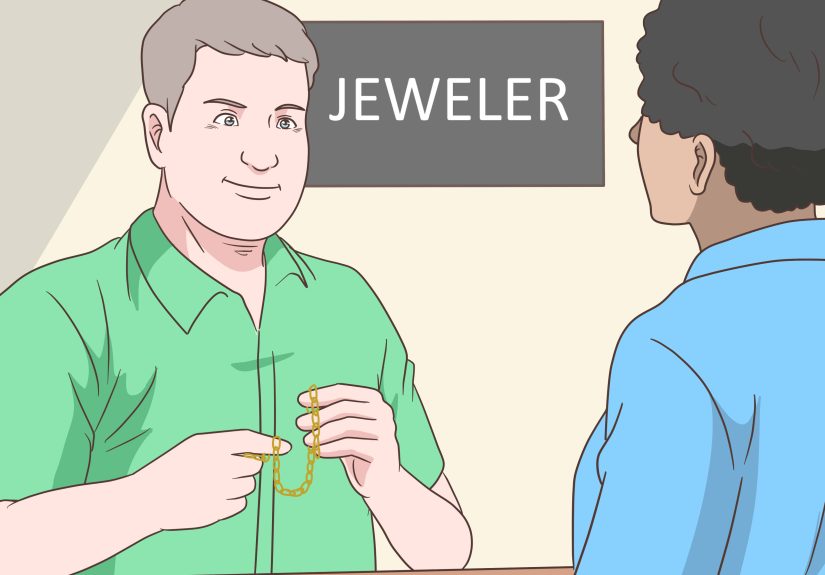
3.3 Get Professional Help for Sentimental or Valuable Pieces
If you have a chain that’s expensive, sentimental, or vintage, DIY hacks might not be the best option. Instead:
- Take it to a jeweler for professional cleaning and polishing.
- Ask if it can be re-plated (for example, re-gold-plating a cherished chain that’s fading).
- Get advice on the best cleaning methods for any gemstones or delicate elements.
Think of this like taking your car in for service: it’s more effort than a quick rinse at home, but it can dramatically extend the life and look of the piece.
Quick Habit Checklist to Keep Necklaces and Chains from Rusting
To make all this less overwhelming, here’s a simple habit checklist you can mentally run through:
- Put necklaces on after lotion, perfume, and sunscreen.
- Remove chains before showering, swimming, or sweaty workouts.
- Clean regularly with mild soap, warm water, and a soft cloth.
- Store in a dry place, not the bathroom, and away from direct sunlight.
- Use pouches, compartments, and anti-tarnish strips for storage.
- Separate metals and keep costume jewelry away from fine jewelry.
- Use clear nail polish or protectant sprays for inexpensive pieces.
- Choose rust-resistant metals if you’re buying new chains.
It seems like a lot, but once you build the habits, they become as automatic as taking off your shoes before bed (hopefully).
Real-Life Experiences: What Actually Works to Prevent Rusting and Tarnish
Advice is great, but real-life experience is where jewelry care really gets tested. Here are some practical, lived-in tricks and observations many necklace wearers swear by when trying to keep necklaces and chains from rusting.
4.1 The “Shower-Off” Routine
One of the easiest habits people adopt is a “jewelry off before shower” rule. A small dish or jewelry tray near the bathroom door or on a bedroom dresser becomes the designated “drop zone.” Before a shower, gym session, or pool trip, necklaces and chains go straight there.
This works because it removes friction from doing the right thing. If your only storage option is a tangled jewelry box on the top shelf of the closet, you’ll be tempted to say, “Eh, I’ll just shower with it on this one time.” (Spoiler: it’s never just once.) A simple tray in a visible spot makes it quick and painless to develop a protective habit.
4.2 The “Travel Kit” Strategy
Travel is where many people accidentally destroy their favorite chains. Humid hotel bathrooms, overstuffed bags, ocean swims, and sunscreen galoreit’s a corrosion festival. Experienced travelers often create a dedicated jewelry travel kit:
- A small, zippered jewelry case with hooks for chains and compartments for earrings and rings.
- Anti-tarnish strips tucked inside the case, especially for silver or brass pieces.
- A tiny microfiber cloth for quick wipe-downs after a long day of sweat, sunscreen, and city grime.
Some people even bring two “tiers” of jewelry: daily, durable pieces (stainless steel, gold-filled, titanium) and “special occasion only” necklaces that stay in the hotel unless they’re actually needed. This way, if something gets wet or exposed to chemicals, it’s usually the tougher, more forgiving metals.
4.3 Testing Your Skin and Lifestyle with “Sacrifice Jewelry”
Different people’s skin chemistry can affect how quickly jewelry tarnishes. Some people can wear the same fashion chain for months with no issues; others can turn a necklace dull in a weekend. If you’re not sure how reactive your skin isor how lazy you’re likely to be with caremany jewelry lovers recommend experimenting with what you might call “sacrifice jewelry.”
You pick one inexpensive necklace and wear it the way you naturally live for a couple of weeks: workouts, errands, the occasional forgetful shower. If it’s destroyed in days, that’s a sign you should stick to more resistant metals and be stricter with care. If it survives, you know you have a bit more wiggle room.
4.4 The Nail Polish Trick in Real Life
Clear nail polish isn’t just a Pinterest myth. People who use it successfully usually follow a few unwritten rules:
- They apply a thin layer only to the areas that touch skin the mostlike the back of the chain and the clasp.
- They let it dry completely before wearing the necklace.
- They reapply every few weeks if they wear the chain often.
It doesn’t magically make cheap metal last forever, but it can significantly slow down discoloration and help prevent green marks on the neck. Think of it as a clear raincoat for your necklacehelpful, but not invincible.
4.5 Switching to “Everyday Metals” Saved Many Collections
A common turning point for people frustrated with constantly rusting or tarnishing chains is when they decide to build a small collection of “everyday metals.” Often, this means:
- One or two stainless steel chains for gym days, travel, or beach trips.
- A gold-filled or vermeil necklace for daily wear that still feels a bit elevated.
- A sterling silver piece that gets stored carefully and cleaned regularly.
Once they reserve fashion or heavily plated pieces for shorter wear or special occasions, they stop losing favorites to rust and tarnish disasters. The jewelry lasts longer, and they feel less nervous actually wearing it.
4.6 The “End-of-Day Wipe” Habit
Another small but powerful habit: wiping necklaces with a soft cloth at the end of the day before putting them away. It only takes 10–20 seconds but removes sweat, oil, and airborne grime that would otherwise sit on the metal all night.
People often keep a dedicated microfiber or jewelry cloth next to their storage spot. When you create a tiny ritualtake off necklace, wipe, storeyou’re basically giving your jewelry a daily reset, which dramatically slows down discoloration and surface buildup.
4.7 Adjusting Expectations and Using “Rotation” Wisely
Even with perfect care, no piece of jewelry is immortal, especially if it’s plated or made from softer metals. Experienced jewelry wearers know this and use “rotation” to their advantage.
Instead of wearing one necklace every single day until it dies a noble but early death, they rotate between a small set of chains. Each piece gets time to rest, fully dry, and avoid constant exposure to sweat and products. The result: every necklace lasts longer, and you get more variety in your look.
In the end, keeping necklaces and chains from rusting isn’t about perfectionit’s about stacking small, smart choices. Dry them. Store them well. Protect cheaper pieces. Choose better metals when you can. If you put those together, your chains will stay bright, your neck will stay non-green, and your jewelry box will feel a lot more like a long-term collection than a graveyard of once-cute necklaces.







 Close
Close