
Table of Contents >> Show >> Hide
- What Does It Mean to Be Indie?
- Way 1: Build Your Own Taste Instead of Borrowing Everyone Else’s
- Way 2: Dress Indie by Mixing Personality, Comfort, and Story
- Way 3: Create Something and Support Independent Communities
- Common Indie Mistakes to Avoid
- How to Be Indie on a Budget
- Indie Experiences: What It Feels Like to Live More Independently
- Conclusion: Being Indie Is Really About Choosing for Yourself
Being indie is not about buying one cardigan, lowering your voice in coffee shops, and pretending you discovered every band before the drummer’s parents did. At its best, “indie” means independent: independent taste, independent thinking, independent creativity, and the confidence to enjoy things before the algorithm hands them to you on a shiny plate.
The indie lifestyle grew from many overlapping worlds: independent music, small press publishing, DIY fashion, local bookstores, handmade markets, zines, art scenes, thrift culture, and people who prefer personality over polish. Today, you can be indie whether you live in Brooklyn, Boise, Austin, Portland, Nashville, or a tiny town with one diner and a surprisingly excellent used-record bin.
This guide breaks it down into three practical ways to be indie: develop your own taste, dress with personality, and create or support independent culture. No gatekeeping. No fake mysteriousness required. Just curiosity, creativity, and maybe a tote bag that has seen things.
What Does It Mean to Be Indie?
“Indie” is short for “independent.” In music, it originally described artists and labels working outside the major-label system. Over time, the word expanded into a broader cultural attitude. Indie can describe music, films, books, fashion, games, crafts, businesses, and even the way someone chooses to live.
Being indie is not the same as being obscure for the sake of being obscure. You do not have to reject everything popular. You can love a tiny garage band and still enjoy a blockbuster movie. You can buy from a local ceramic artist and still own a very normal phone charger. The real point is intention. Indie people tend to ask: Do I actually like this, or was I simply told to like it?
That question is powerful. It turns style into self-expression, music into discovery, and shopping into a vote for the kind of culture you want to see survive.
Way 1: Build Your Own Taste Instead of Borrowing Everyone Else’s
The first way to be indie is to become an active explorer. Indie culture rewards curiosity. Instead of waiting for trending lists, celebrity endorsements, or social media feeds to decide your favorites, go digging.
Listen Beyond the Obvious
Independent music is one of the easiest entry points into indie culture. Start with genres you already enjoy, then explore the smaller artists around them. If you like folk, try indie folk, bedroom pop, or local singer-songwriters. If you like rock, explore garage rock, shoegaze, post-punk, or college-radio classics. If you love hip-hop, look for independent producers, underground mixtapes, and artists releasing music directly to fans.
You do not need to become a walking encyclopedia of rare vinyl pressings. Just make listening a little more intentional. Follow local venues. Check community radio playlists. Search for bands playing small shows in your city. Browse independent music platforms and artist pages. Ask friends what they are listening to and actually listen before replying, “Cool,” like a haunted mailbox.
Read, Watch, and Browse Like a Curious Human
Indie taste is not limited to music. Visit independent bookstores, local libraries, small cinemas, art fairs, zine festivals, campus galleries, and neighborhood markets. These spaces often introduce you to voices that do not always dominate mainstream media.
Try reading a small-press poetry collection, watching an independent film, picking up a handmade comic, or buying a zine from someone who printed it at 2 a.m. with questionable toner and heroic dedication. Indie culture thrives when people support creative work that is personal, strange, specific, and not sanded down for mass appeal.
Create a Personal Discovery Ritual
To make indie discovery part of your life, build a simple weekly habit. For example, every Friday you could listen to one new album from an independent artist. Once a month, visit a bookstore, record shop, flea market, craft fair, or local show. Keep a note on your phone titled “Things I Actually Like” and fill it with songs, films, artists, designers, books, cafés, and ideas that feel like you.
The goal is not to become cooler than everyone else. The goal is to know yourself better. Indie taste is less about impressing strangers and more about building a small, weird museum of joy inside your life.
Way 2: Dress Indie by Mixing Personality, Comfort, and Story
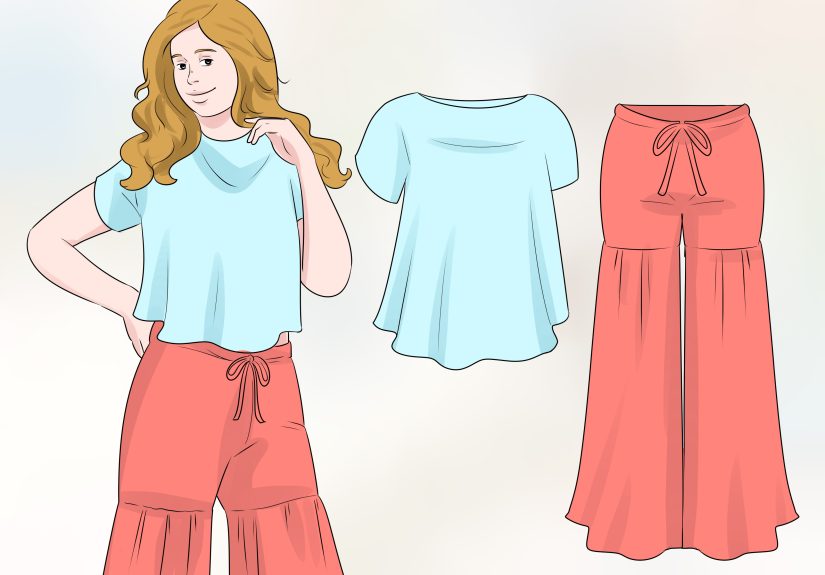
Indie fashion is often described with words like vintage, thrifted, artsy, casual, retro, handmade, layered, and slightly allergic to looking too perfect. But there is no single indie uniform. In fact, the more it looks like a uniform, the less indie it feels.
Good indie style looks collected rather than copied. It might include a faded band tee, relaxed jeans, a thrifted jacket, canvas sneakers, handmade jewelry, a floral dress with boots, a beanie, corduroy pants, a denim overshirt, or glasses that say, “Yes, I have opinions about fonts.”
Start with Thrift and Vintage Pieces
Thrifting is popular in indie style because it gives clothes a second life and makes your wardrobe harder to duplicate. Instead of buying a full outfit from one store mannequin, you build looks piece by piece. A vintage cardigan, old leather belt, oversized button-down, worn-in denim jacket, or patterned skirt can become the anchor of an outfit.
When shopping secondhand, look for quality fabrics, good fit, and pieces that can work in several outfits. Do not buy something just because it is “quirky.” A sweater covered in tiny saxophones is only a good purchase if you will wear it with confidence, not if it will spend three years in your closet judging you.
Mix Old and New Without Overthinking It
You do not have to dress like you fell out of a 1998 college radio station. Indie style works best when it feels natural. Pair thrifted items with modern basics. Wear vintage jeans with a plain white tee. Add handmade earrings to a simple dress. Put a worn flannel over a clean graphic shirt. Balance texture, shape, and comfort.
One useful rule: make one part of your outfit interesting and let the rest breathe. If your jacket is loud, keep the pants simple. If your shoes are bright, let them be the star. If every item is screaming, the outfit becomes a committee meeting with no chairperson.
Support Independent Makers
Indie fashion is not only about thrift stores. It also includes handmade and small-batch items from independent creators. Look for local jewelers, screen printers, ceramicists, knitters, illustrators, and designers. Handmade goods often cost more than fast fashion, but they usually carry a story, a person, and a process behind them.
You can also customize what you already own. Add patches to a jacket, crop an old tee, embroider a tote bag, replace boring buttons, paint canvas shoes, or mend jeans visibly instead of hiding the repair. DIY style has deep roots in punk, art, and maker cultures because it says, “I do not need permission to make this mine.”
Way 3: Create Something and Support Independent Communities
The third and most important way to be indie is to participate. Indie culture is not a spectator sport. You do not have to be a professional musician, filmmaker, writer, designer, or business owner. You just need to make, share, organize, support, or show up.
Make Your Own Work
Create a playlist. Start a zine. Record bedroom demos. Write essays. Take film photos. Make collages. Sell handmade stickers. Host a tiny reading night. Start a blog. Build a personal website. Publish a comic. Learn screen printing. Create a small online shop. Start badly if necessary. Most interesting creative lives begin with “I have no idea what I’m doing, but I brought snacks.”
Zines are a perfect indie project because they are low-cost, flexible, and personal. A zine can be about music, recipes, mental health, fashion, film, neighborhood history, poetry, gardening, comics, or your ranking of gas station snacks by emotional complexity. You can print it at home, photocopy it, trade it, sell it, or share a digital version.
Support Local and Independent Spaces
Indie communities survive when people support them. Buy tickets to small shows. Tip artists when you can. Purchase books from independent bookstores. Visit local coffee shops that host open mics. Go to craft fairs. Share an artist’s work with credit. Leave thoughtful reviews. Pay for music instead of only streaming it. Sign up for newsletters from local venues and creative spaces.
Support does not always require spending a lot of money. Showing up matters. Bringing a friend matters. Posting about an event matters. Listening closely matters. Culture is not built only by stars on stages; it is also built by the people in the room.
Think Like an Independent Creator
Indie creators often wear many hats. They make the work, promote it, manage costs, connect with audiences, and build community. If you want to take your indie project seriously, borrow a few habits from small-business thinking: define your audience, keep expenses realistic, learn basic marketing, and understand what makes your work different.
This does not mean turning every hobby into a hustle. Please, let some things remain joyfully unmonetized. But if you want to sell prints, release music, publish writing, run a small shop, or build a creative brand, independence works better with planning. Romantic chaos is fun until you need to find the receipt for 300 enamel pins.
Common Indie Mistakes to Avoid
Trying Too Hard to Look Effortless
Indie style should feel personal, not like a costume assembled from a “cool person starter pack.” If you hate beanies, do not wear one. If you love bright colors, wear them. Authenticity beats aesthetic obedience every time.
Confusing Indie with Expensive Minimalism
Being indie does not require a $90 plain T-shirt that looks emotionally unavailable. Many indie looks come from creativity, reuse, and mixing pieces with imagination. A thrifted jacket with personality can beat a designer basic with the charisma of printer paper.
Gatekeeping Other People’s Taste
Nothing ruins indie energy faster than acting superior. Let people enjoy things. Share discoveries without turning them into pop quizzes. The coolest person in the room is usually the one who makes others feel invited, not examined.
How to Be Indie on a Budget
You can be indie without draining your bank account. Start with free or low-cost options: library cards, free local concerts, used bookstores, clothing swaps, open mic nights, public art walks, community bulletin boards, online archives, and DIY projects using materials you already own.
Host a swap night with friends where everyone brings clothes, books, records, art supplies, or accessories they no longer use. Organize a living-room movie night featuring independent films. Make a shared playlist of local artists. Visit a flea market with a strict cash limit. Budget constraints can actually make your taste sharper because you choose with more care.
The secret is to value imagination over consumption. Buying indie things is nice when you can, but being indie is not just shopping with better lighting. It is a mindset of curiosity, resourcefulness, and self-directed taste.
Indie Experiences: What It Feels Like to Live More Independently
The first real indie experience many people have is discovering something before it becomes part of their social circle. Maybe it is a band playing in the back room of a bar where the floor is sticky and the sound system has a personal grudge. Maybe it is a self-published comic at a local fair. Maybe it is a thrifted jacket that fits perfectly and costs less than lunch. The moment feels small, but it changes how you see culture. You realize the best things are not always waiting on the front shelf.
Another classic indie experience is going to an event where you know almost nobody. At first, it can feel awkward. You check your phone. You study the wall art with suspicious intensity. Then someone asks what you thought of the opening band, or you compliment a handmade necklace, or you discover the person next to you also came alone. Suddenly, the room feels less like a test and more like a doorway. Indie communities often grow from these tiny, low-pressure conversations.
Thrifting also teaches patience. You may walk into a store hoping for the perfect vintage coat and leave with a chipped mug, a cookbook from 1976, and a shirt that might be genius or might be curtains. That is part of the fun. Unlike fast fashion, secondhand shopping does not always give instant results. It asks you to look carefully, imagine possibilities, and accept that not every trip needs a trophy.
Making something yourself is even more powerful. The first zine, song, poem, collage, photo series, or handmade product may look rough. Good. Rough means alive. When you create independently, you learn that polish is not the same as personality. A slightly crooked hand-drawn flyer can have more soul than a perfect template. A homemade demo can carry more feeling than a studio track with all the human fingerprints removed.
Supporting independent creators also changes the way you spend money. Buying a book from a neighborhood shop feels different from tossing it into a giant online cart. Purchasing a print directly from an artist feels different from buying wall decor produced by the acre. You begin to notice the people behind the things: the musician carrying their own amp, the ceramicist wrapping mugs in newspaper, the bookseller recommending a novel with the seriousness of a treasure map.
Living indie does not mean rejecting convenience forever. Some days you will still stream popular shows, wear basic sneakers, and order the same sandwich as everyone else. That is fine. The point is not purity. The point is to keep a part of your life handmade, local, curious, and chosen. Indie living is a reminder that culture is not something you only consume. It is something you can help make.
Conclusion: Being Indie Is Really About Choosing for Yourself
To be indie, start with three simple habits: build your own taste, dress with personal style, and participate in independent culture. Listen widely. Read curiously. Shop thoughtfully. Make things. Show up for small artists, local businesses, and creative communities.
Indie is not a contest to see who can name the most unknown band or own the most distressed denim. It is a way of moving through the world with more intention. You choose what you like. You support what matters. You create before you feel completely ready. And occasionally, yes, you carry a tote bag full of books, records, and one mysterious thrift-store object you cannot explain but deeply believe in.







 Close
Close