
Table of Contents >> Show >> Hide
- The Beginner Houseplant Rulebook (Short, Practical, and Slightly Judgy)
- 25 Easy-Care Houseplants for Beginners
- 1) Snake Plant (Dracaena trifasciata)
- 2) ZZ Plant (Zamioculcas zamiifolia)
- 3) Golden Pothos / Devil’s Ivy (Epipremnum aureum)
- 4) Heartleaf Philodendron (Philodendron hederaceum)
- 5) Spider Plant (Chlorophytum comosum)
- 6) Cast Iron Plant (Aspidistra elatior)
- 7) Chinese Evergreen (Aglaonema spp.)
- 8) Rubber Plant (Ficus elastica)
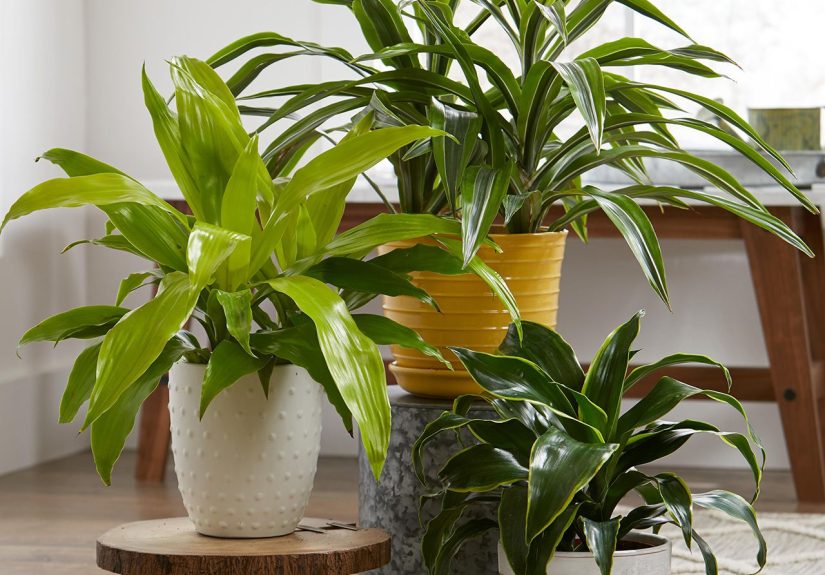
- 9) Dracaena (e.g., Dracaena marginata)
- 10) Peace Lily (Spathiphyllum)
- 11) Parlor Palm (Chamaedorea elegans)
- 12) Ponytail Palm (Beaucarnea recurvata)
- 13) Aloe Vera (Aloe vera)
- 14) Jade Plant (Crassula ovata)
- 15) Haworthia (Haworthia spp.)
- 16) Hoya / Wax Plant (Hoya spp.)
- 17) Peperomia (Peperomia obtusifolia and friends)
- 18) Tradescantia / Inch Plant (Tradescantia zebrina)
- 19) Swiss Cheese Plant (Monstera deliciosa)
- 20) Dieffenbachia / Dumb Cane (Dieffenbachia spp.)
- 21) Schefflera / Umbrella Plant (Schefflera arboricola)
- 22) Lucky Bamboo (Dracaena sanderiana)
- 23) Prayer Plant (Maranta leuconeura)
- 24) Christmas Cactus (Schlumbergera)
- 25) Bird’s Nest Snake Plant (Dracaena ‘Hahnii’ types)
- Beginner Troubleshooting (Because Plants Don’t Come With Error Messages)
- Conclusion: Your First Indoor Jungle Starts With One Unkillable Plant
- of Real-World Beginner Experiences (A Composite of What New Plant Parents Go Through)
Want a home that looks like a cozy jungle… without the heartbreak of becoming a serial plant murderer?
You’re in the right place. The secret to keeping houseplants alive isn’t “having a green thumb.”
It’s picking beginner-friendly plants that forgive missed waterings, tolerate less-than-perfect light,
and don’t throw dramatic tantrums when you look at them wrong.
This guide covers 25 easy-care houseplants for beginners, plus the simplest care rules
(so you’re not stuck decoding cryptic plant-influencer captions like “bright, indirect vibes”).
You’ll also get quick troubleshooting tipsbecause the fastest way to learn plant care is to make
one mistake and then never emotionally recover (kidding… mostly).
The Beginner Houseplant Rulebook (Short, Practical, and Slightly Judgy)
1) Light: your windows are basically “plant food menus”
Plants don’t need perfect lightthey need appropriate light. If you’ve got a bright window,
you’ll have more options. If your place is more “romantic cave,” don’t panic: several plants on this
list thrive in low to medium light.
- Bright, indirect light: near a window with sheer curtains or a few feet back from direct sun.
- Low light: spots where you can still read comfortably during the day (no, your closet doesn’t count).
- Too little light often looks like slow growth or “leggy” stretching toward the window.
2) Water: schedule-free is stress-free
Beginners usually lose plants to overwatering, not underwatering. The fix: stop watering
on a calendar and start watering based on the soil. When a plant needs water, water thoroughly until
it drains out the bottomthen empty the saucer so the roots don’t sit in a swamp.
Cheat code: for many common houseplants, if the top inch (or two) of soil is still moist, wait.
If it’s dry, water. If your plant is wilting and the soil is wet, that can still be “too much water”
(roots can’t breatheyes, plant roots are dramatic like that).
3) Pots and soil: drainage holes are non-negotiable
Want to make any “easy-care indoor plant” instantly harder? Put it in a pot with no drainage.
Use a container with drainage holes and a quality potting mix. If you love decorative cachepots,
keep the plant in a plastic nursery pot inside the pretty oneso you can lift it out to water and drain.
4) “Less fertilizer” beats “more fertilizer”
Fertilizer is not a life potion. If light and watering are off, fertilizer won’t fix itit may just
stress the plant more. In general, feed lightly during active growth (spring/summer) and ease up
when growth slows (often fall/winter).
25 Easy-Care Houseplants for Beginners
Each pick below is popular, widely available, and forgiving. Your mission: start with 1–3 plants,
keep them alive for a month, then expand your indoor plant empire with confidence.
1) Snake Plant (Dracaena trifasciata)
The MVP of neglect tolerance. Handles low light, forgetful watering, and your “I’ll deal with it next week” lifestyle.
Let the soil dry between waterings.
2) ZZ Plant (Zamioculcas zamiifolia)
Thick stems and underground rhizomes store water, so this plant laughs at missed waterings.
Best in bright, indirect light but adapts to lower light. Water only after the mix dries out well.
3) Golden Pothos / Devil’s Ivy (Epipremnum aureum)
Fast-growing, easy to propagate, and tolerant of a range of indoor conditions.
Give it medium to bright, indirect light for prettier variegation, but it survives low light too.
4) Heartleaf Philodendron (Philodendron hederaceum)
A close cousin vibe to pothos, with heart-shaped leaves and a laid-back attitude.
Great trailing plant for shelveswater when the top layer dries.
5) Spider Plant (Chlorophytum comosum)
The “starter plant” that keeps on giving: it produces baby plantlets you can pot up.
Likes bright, indirect light but adapts; don’t keep it constantly soggy.
6) Cast Iron Plant (Aspidistra elatior)
Named for its resilience. Tolerates low light, irregular watering, and average home humidity.
Keep it out of harsh direct sun and let the potting mix dry somewhat between waterings.
7) Chinese Evergreen (Aglaonema spp.)
One of the best low-light houseplants for beginnersslow-growing, steady, and forgiving.
Water when the top couple inches of soil feel dry.
8) Rubber Plant (Ficus elastica)
Bold leaves, easy routine. Likes bright, indirect light but can manage medium light.
Let the top of the soil dry before watering; rotate occasionally for even growth.
9) Dracaena (e.g., Dracaena marginata)
Architectural, tough, and beginner-friendly. Prefers bright, indirect light but tolerates lower light.
Overwatering is the main enemylet it dry between waterings.
10) Peace Lily (Spathiphyllum)
If you want an easy-care plant that also blooms indoors, this is a classic.
It’ll droop dramatically when thirsty (a helpful reminderif you ignore it, it will guilt-trip you).
11) Parlor Palm (Chamaedorea elegans)
A palm that behaves indoors. Tolerates medium to low light and looks instantly “grown-up.”
Water when the top inch is dry; avoid soaking it constantly.
12) Ponytail Palm (Beaucarnea recurvata)
Technically a succulent-ish plant with a water-storing base. Loves bright light and infrequent watering.
Perfect if your style is “I water… sometimes.”
13) Aloe Vera (Aloe vera)
A sun-lover that prefers drying out between waterings. Use a cactus/succulent mix and bright light.
If you overwater it, it will turn into mushy regret.
14) Jade Plant (Crassula ovata)
Long-lived, slow-growing, and forgivingif it gets bright light and you don’t water too often.
Great “first succulent” for sunny windows.
15) Haworthia (Haworthia spp.)
A small succulent that tolerates indoor life better than many. Bright light is ideal, but it handles less sun than some succulents.
Water sparingly after the mix dries.
16) Hoya / Wax Plant (Hoya spp.)
Thick leaves = less frequent watering. Slow-growing but rewarding, and some varieties bloom with starry flowers.
Likes bright, indirect light and drying slightly between waterings.
17) Peperomia (Peperomia obtusifolia and friends)
Compact, cute, and low-drama. Many peperomias like to dry a bit between waterings.
Great for desks and small spaces with bright, indirect light.
18) Tradescantia / Inch Plant (Tradescantia zebrina)
Grows fast, trails beautifully, and propagates easily from cuttings. Likes bright, indirect light.
If it gets leggy, trim itthis plant responds like it just got a fresh haircut.
19) Swiss Cheese Plant (Monstera deliciosa)
The trendy giant that’s surprisingly beginner-friendly if you don’t overwater it.
Bright, indirect light helps it develop those famous split leaves.
20) Dieffenbachia / Dumb Cane (Dieffenbachia spp.)
A lush, leafy option that tolerates indoor conditions well. Medium to bright, indirect light is best.
Keep evenly moistbut not soggyand don’t let it sit in water.
21) Schefflera / Umbrella Plant (Schefflera arboricola)
A sturdy, woody houseplant that can look like a mini indoor tree.
Likes bright, indirect light; water after the top layer of soil dries.
22) Lucky Bamboo (Dracaena sanderiana)
Often grown in water, which feels like cheating (and beginners love that).
Use clean water, keep it out of harsh sun, and swap water regularly to prevent funk.
23) Prayer Plant (Maranta leuconeura)
Not the most “desert tough,” but very doable for beginners who can keep consistent (not excessive) moisture.
Leaves fold a bit at nightlike the plant is politely clocking out.
24) Christmas Cactus (Schlumbergera)
Unlike many cacti, it prefers a bit more regular watering and bright, indirect light.
If you want seasonal blooms without a fussy routine, it’s a strong pick.
25) Bird’s Nest Snake Plant (Dracaena ‘Hahnii’ types)
A compact snake plant form that’s great for small surfaces. Same “please don’t drown me” rule.
An easy win for apartments, dorms, and “I have one windowsill” homes.
Pet note: Many common houseplants can irritate pets if chewed. If you have cats or dogs,
double-check toxicity before bringing a plant home and place plants out of reach when needed.
Beginner Troubleshooting (Because Plants Don’t Come With Error Messages)
If leaves are yellowing
Yellow leaves can mean several things, but beginners should suspect too much water first.
Check soil moisture, drainage holes, and whether the pot is sitting in drained water.
If your plant is “leggy” and leaning
That’s usually a light issue: the plant is stretching toward the brightest spot.
Move it closer to a window or rotate it weekly.
If tips turn brown
Common culprits: inconsistent watering, dry indoor air, or mineral buildup from hard water/fertilizer.
Water thoroughly (then drain), and consider using filtered water for sensitive plants.
If the plant looks sad after moving
Some leaf drop is normal after a location change. Give it a couple of weeks, keep the routine steady,
and avoid “fixing” it with extra water or fertilizer.
Conclusion: Your First Indoor Jungle Starts With One Unkillable Plant
If you take nothing else from this list of beginner houseplants, remember this:
light + drainage + not overwatering solves an impressive number of problems.
Start with a snake plant, ZZ plant, or pothos, and you’ll build confidence fast.
Once you’ve kept a few easy-care indoor plants alive, you’ll notice something dangerous:
you’ll start browsing plant shops “just to look.” And that’s how it begins.
of Real-World Beginner Experiences (A Composite of What New Plant Parents Go Through)
Week one usually starts with optimism and a new plant sitting in the exact center of the room like a trophy.
It looks amazing. You take a photo. You name it something dramatic like “Sir Photosynthesis.”
Then you immediately begin negotiating with yourself: “Should I water it? I watered it yesterday… but it looks thirsty.
Or is it just… existing?”
This is the Overwatering Era. It’s a rite of passage. Beginners often assume care equals attention,
and attention equals water. The plant disagrees. The soil stays wet, the roots sulk, and suddenly you’re googling
“why is my plant drooping even though I’m being so supportive?” The plot twist is that wet soil can cause the same
sad look as dry soil. Plants are complicated like that: they want help, but they don’t want you to hover.
Around week two, you enter the Light Awareness Era. You realize your “bright living room” is bright for humans,
not for plants. A pothos forgives you. A ZZ plant shrugs. A sun-loving succulent looks at your north window and files
a formal complaint. You start moving plants a foot closer to the window like you’re playing interior design chess.
Some plants perk up, others keep their poker face, and you learn the beautiful truth: many easy-care houseplants
don’t need perfectionthey just need you to stop sabotaging them.
Week three is when you get your first New Leaf Moment. It’s a tiny unfurling leaf, but emotionally it’s a parade.
You’ll inspect it from three angles, announce it to someone in your home (or your group chat), and feel like you
personally invented photosynthesis. This is when houseplants become addictivebecause progress is visible,
measurable, and oddly wholesome.
By week four, you develop “plant instincts.” You pick up the pot to feel its weight. You poke the soil like a tiny detective.
You notice patterns: snake plants prefer to dry out; spider plants like a steadier rhythm; pothos grows faster in better light.
You also learn that a slightly imperfect plant is still a successful plant. Leaves get old. Growth slows in winter.
A few brown tips happen. Your job isn’t to create a flawless botanical showroomit’s to build a routine that fits your life.
And somewhere along the way, you’ll realize the big win: easy-care plants don’t just decorate your space.
They teach patience, consistency, and the joy of small improvements. Also they make your room look expensive.
Which is basically therapy, but with leaves.







 Close
Close