
Table of Contents >> Show >> Hide
- Why the cheesiest sitcom themes were often the best
- The signature ingredients of a classic 90s sitcom theme song
- The sitcom themes that still own real estate in our brains
- Why these songs still work now
- What “cheesy” really means here
- The experience of hearing a 90s sitcom theme song in real life
- Conclusion
Some songs win Grammys. Some songs win Oscars. And some songs do something far more impressive: they burrow into your brain forever after a single blast from a tube television in a living room that smelled faintly like microwave popcorn and whatever your dad was “fixing” in the garage.
That is the weird, glorious power of cheesy theme songs from 90’s sitcoms.
They were loud. They were sincere. They were often one saxophone solo away from total chaos. And yet they worked. In less than a minute, these songs could explain a premise, establish a mood, introduce a family, suggest a neighborhood, and tell you whether you were about to watch hugs, wisecracks, slapstick, or some combination of all three. They were basically musical mission statements wearing oversized sweaters.
And that is exactly why they still feel awesome.
When people talk about great TV music, they often focus on prestige dramas, moody instrumentals, or cinematic openings that look like they cost more than a starter home. But cheesy sitcom themes deserve their own standing ovation. They did not whisper. They did not flirt with mystery. They walked in, made eye contact, and announced the vibe with the confidence of a neighbor who never knocks.
If you grew up anywhere near the 1990s, you probably still have at least one of these tunes sitting in your memory like a permanent tenant who never pays rent. Maybe it is the clap-happy comfort of Friends. Maybe it is the rap-story setup of The Fresh Prince of Bel-Air. Maybe it is the cozy optimism of Full House, the family warmth of Family Matters, the swagger of Living Single, the playful bounce of The Nanny, or the brass-and-grunt nonsense of Home Improvement. Whatever your personal poison, the point is the same: the cheese was the feature, not the bug.
Why the cheesiest sitcom themes were often the best
Let’s defend the cheese properly. In modern culture, “cheesy” is sometimes used like an insult, as if anything direct, emotional, or catchy should be embarrassed for existing. But 90s sitcom theme songs were not interested in irony. They were interested in getting the job done, and they did it with the emotional subtlety of a confetti cannon.
They told you the whole story right away
This was one of the genre’s secret weapons. A lot of 90s sitcom themes were glorified trailers with better melodies. Before the first scene even started, you already knew the setup. A kid moves to Bel-Air. A nanny from Queens lands in a fancy Manhattan household. A family navigates everyday life together. The song was not background decoration; it was part orientation video, part pep talk.
That kind of storytelling is deeply satisfying. It makes television feel welcoming. You do not have to decode anything. The show opens the door, hands you a snack, and says, “Here’s the family, here’s the problem, here’s the emotional temperature, now come laugh with us.”
They made ordinary life feel big
Most sitcoms are built from small, familiar things: sibling fights, awkward dates, bad jobs, school drama, weird neighbors, burnt dinners, broken appliances, and the occasional emotional speech delivered in a kitchen. The theme song had to convince you that all of that was worth showing up for every week.
So the music went big. Big hooks. Big smiles. Big choruses. Big “this family may be chaotic, but you are going to miss them when the credits roll” energy. That is why even a show about everyday life could feel almost mythic once the opening theme kicked in.
They understood that repetition is not the enemy
Streaming taught us to hit “skip intro” like we are being chased. The 90s taught the opposite lesson. Repetition was part of the pleasure. Hearing the same theme every week did not wear it out; it wore it in. The song became part of your routine. You were not just watching a sitcom. You were re-entering a tiny world you knew by heart.
That kind of ritual matters. It is comforting. It is branding, sure, but it is also emotional architecture. A good sitcom theme song built the doorway you walked through before the jokes began.
The signature ingredients of a classic 90s sitcom theme song
Not every show used the exact same formula, but the best cheesy themes usually pulled from the same glorious toolbox.
A hook you could learn before the first commercial break
If the melody could not be hummed badly by a child carrying a bowl of cereal, it probably was not sitcom-ready. These themes were designed for maximum recall. Even the instrumental-heavy ones had a simple, recognizable identity. You heard two or three seconds and knew exactly what house, apartment, brownstone, or suburban driveway you were about to enter.
Lyrics with zero fear of being obvious
Subtlety was not invited. If a song could summarize the whole premise in plain English, even better. Theme songs did not mind sounding like they were written by someone who had just read the pilot script in the parking lot. That directness is part of their charm. They were catchy because they were clear.
A tone so bright it could sandblast your cynicism
Even when a sitcom had a little edge, the opening often nudged it toward warmth. Friends sounded like companionship. Full House sounded like comfort. Family Matters sounded like home. Roseanne gave us a rougher, more working-class groove, but it still told you this family was loud, alive, and absolutely worth spending time with.
Visuals that matched the musical overcommitment
The music did not work alone. It teamed up with montage shots, dancing casts, city skylines, picnic scenes, couch bits, family glances, and enough freeze-frame smiling to power a medium-sized town. This was not elegance. This was enthusiasm. And enthusiasm ages much better than people think.
The sitcom themes that still own real estate in our brains
There is no shortage of contenders, but a few categories explain why these songs endure.
The story-song champions
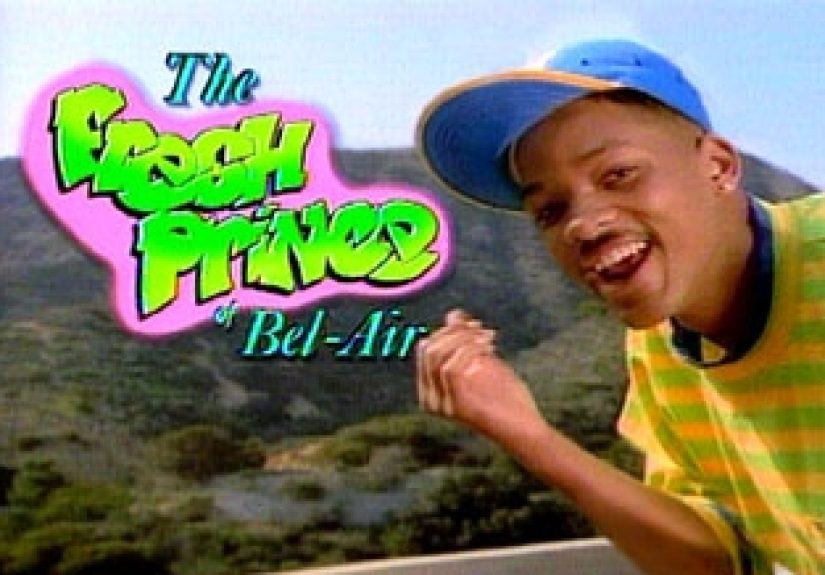
The Fresh Prince of Bel-Air may be the king of premise-explaining themes. It does not merely introduce a show; it practically performs the pilot. That is why it became more than a theme song. It became a party trick, a memory test, and a multigenerational cultural handshake.
The Nanny follows a similar strategy. It is quick, witty, and delightfully blunt about who Fran is and how she got there. The melody feels like a grin in audio form. You hear it and instantly know that elegance and chaos are about to crash into each other wearing leopard print.
The comfort-food anthems
Full House is almost aggressively wholesome, which is exactly the point. The song sounds like a hug with a key change. It tells you that no matter how messy the episode gets, emotional safety is available within 22 minutes.
Family Matters hits a similar sweet spot. It captures that idealized family-sitcom warmth without feeling sterile. It is domestic, optimistic, and just earnest enough to make you believe a kitchen table can solve almost anything.
The vibe-setters
Friends may be the ultimate example of a theme song becoming larger than the show that birthed it. The track is punchy, communal, and instantly social. Even people who have never seen every episode know the clap. That is branding sorcery.
Roseanne proves that cheesy does not always mean sugary. Its theme had grit. The music felt lived-in, like the couch had seen things. It announced a show about a working-class family without pretending life was tidy, and that roughness gave it personality.
Home Improvement is a reminder that a theme does not need polished lyrics to become iconic. Sometimes you just need percussion, chaos, and the faint suggestion that someone is about to misuse a power tool. It is ridiculous. It is effective. It is television.
The cool-kid themes with real swagger
Living Single had style. It sounded confident, urban, social, and smart. The song fit the show’s rhythm: friendship, ambition, romance, and banter in constant motion. It did not simply invite you into the world; it told you the world already had plans and you had better keep up.
Martin brought its own flavor too. The opening had bounce, attitude, and enough personality to match a show powered by big performances and even bigger comic energy. It felt less like an introduction and more like a warm-up lap before the jokes sprinted in.
Why these songs still work now
The weird part is that many of these themes should feel dated by now. Some of the production choices are unapologetically of their time. The vocals can be extra. The lyrics can be corny. The visual montages can feel like they were edited by optimism itself.
And yet that is why they still work.
They come from a moment when television was less afraid to be direct. Shows wanted you to remember them. Networks wanted a signature. Audiences expected a tone-setting ritual instead of a ten-hour binge blur. A great theme song did not just support a sitcom; it helped turn it into a habit, and then into a memory.
Today, a lot of openings are mood pieces. That can be great. But 90s sitcom themes were handshake songs. They greeted you. They reassured you. They said, “We know exactly what we are, and frankly, we hope you sing along.”
That confidence feels refreshing now. There is something lovely about art that is not embarrassed by pleasure.
What “cheesy” really means here
In this context, “cheesy” means emotionally available. It means catchy enough to survive decades of reruns. It means broad, bright, and occasionally one step away from absurdity. It means a song is willing to oversell the fun because deep down it knows fun does not need defending.
And honestly, the best sitcom themes understood something modern entertainment sometimes forgets: being memorable is a skill. A song that people can sing 25 or 30 years later has done real work.
So yes, the synths are dramatic. Yes, the choruses sometimes sound like a pep rally hosted by a jukebox. Yes, the cheese level could probably be measured in pounds. But these songs endure because they were built to connect, not merely decorate.
The experience of hearing a 90s sitcom theme song in real life
What makes these songs especially powerful is not just how they sounded on TV. It is how they attached themselves to actual life. Hearing one of them now is rarely just about the show. It is about the room, the hour, the weather, the furniture, the people, and the version of you that first heard it.
Maybe the theme starts and suddenly you are eight years old again, standing too close to the television because the remote has disappeared into the couch cushions. Maybe you are home from school, dropping a backpack by the door and waiting for the microwave to finish with a snack that could probably remove paint. Maybe a parent is half-watching from another room, claiming they are not interested while somehow laughing at all the best lines. The song becomes a kind of shortcut. You do not remember only the series. You remember being there.
That is why these intros still hit harder than they have any business hitting. They are tiny time machines disguised as catchy nonsense. A few notes from Full House can bring back the emotional temperature of an entire afternoon. A few seconds of Friends can conjure the era when hanging out seemed simple and coffee shops somehow looked like viable economic plans. The Fresh Prince of Bel-Air can make a room full of adults suddenly behave like competitive middle schoolers trying to prove they still know every word.
There is also something deeply communal about them. These were not private headphone songs at first. They were household songs. Sibling songs. Rerun songs. Cable songs. Songs you heard while someone else held the remote and you pretended not to care what was on. Songs that floated through kitchens, dens, apartments, dorm rooms, and waiting rooms. Songs that meant, for half an hour, the world was about to become manageable and funny.
And then there is the embarrassment factor, which is part of the fun. Nobody wants to admit how instantly they respond to these themes until one starts playing. Then the body betrays the truth. A finger taps. A line gets quoted. A clap happens. A grin sneaks in. You can spend years cultivating impeccable taste, and one old sitcom intro will still reduce you to a delighted raccoon rummaging through nostalgia.
That, more than anything, is why they remain awesome. They are not cool in the sleek, curated sense. They are cool in the human sense. They remind us that entertainment can be corny and still be excellent. That familiarity can be artful. That repetition can be comforting. That a theme song can feel like an old friend barging through the front door without texting first.
So whenever one of these songs shows up in the wild, do the right thing. Do not act above it. Do not pretend you are too sophisticated. Let the memory happen. Let the chorus roll. Let the cheese melt. For one glorious minute, be the person who still thinks a sitcom theme song can fix the mood of an entire day. Because, honestly, it kind of can.
Conclusion
Cheesy theme songs from 90’s sitcoms are awesome because they understood television at its most human. They welcomed us in, told us what kind of emotional ride we were about to take, and made sure we could hum our way back later. They were catchy on purpose, sentimental without apology, and unforgettable by design.
In an era that often rewards understatement, these songs remind us of the beauty of going all in. They were bright. They were corny. They were musically overcaffeinated. And they are still some of the most effective pieces of pop culture packaging ever made.
So here’s to the intros that explained too much, smiled too hard, and made ordinary sitcom worlds feel huge. Long live the clap breaks, the overcommitted choruses, the montage jogs, the family grins, the brownstones, the cul-de-sacs, and the impossible confidence of a song that thinks it can become part of your life in 45 seconds.
Most of them were right.





 Close
Close