
Table of Contents >> Show >> Hide
- How October Planting Really Works
- 1. Garlic
- 2. Spinach
- 3. Kale
- 4. Lettuce
- 5. Radishes
- 6. Turnips
- 7. Beets
- 8. Carrots
- 9. Bok Choy and Other Asian Greens
- 10. Shallots and Overwintering Onions
- How to Get Better Results from October Planting
- Common October Gardening Mistakes to Avoid
- Final Thoughts
- Gardener Experiences and Lessons from Planting in October
- SEO Tags
Note: Body-only HTML, ready to copy/paste, with unnecessary citation artifacts removed.
If summer gardening is all about heat, hustle, and tomatoes acting like celebrities, October gardening is the cooler, smarter sequel. This is when savvy gardeners stop chasing one last cucumber and start building a fall-and-winter garden that keeps producing long after the patio chairs have been folded up. In many parts of the United States, October is the sweet spot for cool-season vegetables, especially if you want harvests that stretch into winter and a few bonus surprises waiting for you in spring.
Now, let’s be honest: “Plant in October” is not a one-size-fits-all slogan. A gardener in Arizona is playing a very different game from one in Minnesota. In colder regions, October is often the month for protection, overwintering, and quick crops under row covers or cold frames. In milder regions, it can still be prime sowing time for leafy greens, roots, and alliums. Either way, October is not the end of the season. It is the moment you change strategy.
The secret is simple: grow vegetables that enjoy cool weather, tolerate frost, or settle in over winter and explode back to life in spring. If you give them decent soil, consistent moisture, and a little cold-weather protection when needed, they will make your garden feel far more productive than it has any right to in late fall.
How October Planting Really Works
Before you run outside with a packet of seeds and blind optimism, keep three things in mind. First, know your first frost date and your USDA hardiness zone. Second, pick vegetables that either grow quickly in cool weather or overwinter well. Third, understand that October gardening is often less about giant instant harvests and more about extending the season, protecting growth, and setting up future crops.
That means fast growers like radishes and baby greens can give you food in a matter of weeks, while garlic and shallots are more like a delicious long-term investment. Spinach and kale are the overachievers of the group: they can keep producing through cold weather and often taste even better after a frost. Yes, a little cold can actually improve flavor. Nature is funny like that.
1. Garlic
If October had a mascot vegetable, garlic would be wearing the crown. Planting garlic in fall gives cloves time to root before winter, then they take off again when temperatures rise in spring. The result is usually bigger, better bulbs than spring-planted garlic.
Why garlic belongs on your October list
Garlic is low drama, high reward, and almost suspiciously easy once you get the timing right. Break apart healthy bulbs into individual cloves, plant the largest cloves pointy side up, and mulch well. Then walk away feeling productive.
Best use
Plant garlic if you want a dependable crop that bridges winter and pays you back in late spring or early summer. It is the gardener’s version of putting money into a savings account that smells fantastic when you cash out.
2. Spinach
Spinach is one of the smartest crops for October, especially if you want a winter garden with actual ambition. In many areas, spinach can survive cold weather beautifully, particularly under row cover, in a cold frame, or in a tunnel. It may slow down in the darkest part of winter, then surge again in late winter and early spring.
Why gardeners love it
Spinach is compact, productive, and versatile in the kitchen. It also handles cool weather far better than the heat of summer, when it tends to bolt and become moody.
Best use
Use spinach for a mix of baby-leaf harvests in late fall and a stronger flush of leaves as the weather warms again. Few crops make you feel as clever in March as spinach you planted back in October.
3. Kale
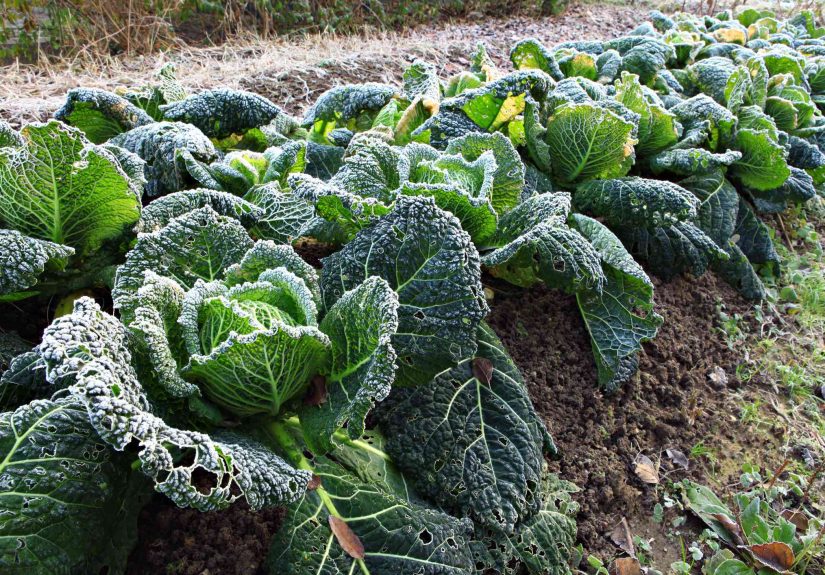
Kale is the cold-weather workhorse that refuses to quit. It handles frost well, keeps producing after many tender vegetables are gone, and often tastes sweeter after chilly weather settles in.
Why it shines in fall
Kale is forgiving, sturdy, and less fussy than its smoothie reputation suggests. Once established, it can keep you in greens for soups, sautés, salads, chips, and those healthy lunches you swear you are definitely going to pack.
Best use
Plant kale for steady harvests through fall and winter in mild regions, or under protection in colder ones. Harvest outer leaves first and let the plant keep going like the marathon runner of the vegetable patch.
4. Lettuce
Lettuce may look delicate, but many loose-leaf and romaine types do quite well in cool weather. In fact, fall lettuce is often sweeter, crisper, and less bitter than what you grow during warm months.
Why it works in October
Cool air helps lettuce stay tender and delays bolting. In milder climates, you can sow it straight into beds throughout October. In chillier places, protect it with fabric, hoops, or a cold frame and you can still keep salads on the menu longer than expected.
Best use
Grow lettuce for quick baby greens, cut-and-come-again harvests, and easy succession planting. If you want the smallest amount of effort for the highest “look at me, I garden year-round” payoff, lettuce is a strong candidate.
5. Radishes
Radishes are the instant gratification crop of cool-season gardening. Some varieties mature in under a month, which makes them almost absurdly useful when the season feels short.
Why they are ideal for October
Radishes prefer cool soil and cool air, and many types develop better flavor in fall than in hot weather. They are also excellent for filling gaps in the garden while slower crops get established.
Best use
Plant radishes if you want a fast harvest before winter really clamps down. They are also great for keeping momentum alive when everything else in the garden seems to be moving at the speed of a sleepy turtle.
6. Turnips
Turnips deserve a better publicist. They grow quickly, tolerate cold, and give you two crops in one: roots below ground and greens above it. That is excellent value from a small amount of garden space.
Why turnips are underrated
In cool weather, turnips stay tender and develop a sweeter flavor. The greens are also worth your attention, especially when harvested young. They cook beautifully and bring a little old-school kitchen wisdom back into the garden.
Best use
Plant turnips for dependable late fall harvests and, in mild climates, a longer season that can carry into winter. They are practical, productive, and unfairly overlooked.
7. Beets
Beets are another two-for-one winner. The roots store well, the greens are edible, and cool weather helps them develop beautifully. In warmer areas, October planting can produce great winter crops. In colder areas, they are excellent for protected culture or for extending late sowings.
Why beets earn their spot
Beets are efficient and versatile. Roast them, pickle them, shave them raw, or use the greens like chard. They are one of those vegetables that quietly make you feel more competent in the kitchen and the garden at the same time.
Best use
Grow beets for roots, greens, and cold-tolerant performance. They are especially worthwhile if you want a crop that bridges fresh eating and storage.
8. Carrots
Carrots in October require a little nuance. In mild-winter climates, October sowing can still work very well. In colder zones, October is often more about protecting late-summer carrot plantings for continued harvest. Either way, carrots deserve a place in the conversation because they thrive in cool conditions and often become sweeter after frost.
Why they matter
Carrots are one of the most satisfying winter garden crops because they can often stay in the ground longer than you expect. With mulch or protection, they become a kind of edible buried treasure.
Best use
Plant or protect carrots if your goal is sweet roots for late fall and winter meals. Just make sure the soil is loose and stone-free unless you are trying to grow abstract sculpture.
9. Bok Choy and Other Asian Greens
Bok choy, tatsoi, mizuna, and related Asian greens are excellent cool-season choices for October. They grow quickly, look great in the garden, and turn into dinner faster than many larger brassicas.
Why they are so useful
These greens mature relatively fast and are perfect for stir-fries, soups, salads, and side dishes. They also bring variety to the fall garden, which is helpful if you are tired of pretending every meal can be fixed by adding more kale.
Best use
Plant Asian greens in October for quick harvests in mild climates or under protection. They are especially valuable in small gardens because they grow fast and make a big visual impact.
10. Shallots and Overwintering Onions
If you like the idea of planting once and harvesting earlier next season, shallots and certain overwintering onions are a smart move. Fall planting allows roots to establish before hard winter weather, and the plants resume growth when spring arrives.
Why they are worth it
Like garlic, shallots reward patience. They are not the flashy choice, but they are a practical one. And gardeners who love cooking know that a good shallot is rarely a wasted crop.
Best use
Plant them for a strong spring comeback and an earlier allium harvest. Think of them as future-you’s very thoughtful gift to present-you.
How to Get Better Results from October Planting
- Use row covers or low tunnels: Even light protection can make a huge difference in cold snaps.
- Mulch strategically: Mulch helps stabilize soil temperature and protect roots.
- Water consistently: Fall gardens still need moisture, especially while seeds are germinating.
- Choose quick or hardy varieties: Late planting works best when the crop is naturally cold-tolerant or fast to mature.
- Lower your expectations for speed, not for success: Growth slows as days shorten. That does not mean the crop has failed. It means the calendar has opinions.
Common October Gardening Mistakes to Avoid
The biggest mistake is treating October like a smaller version of May. It is not. Warm-season vegetables are basically done auditioning. Another common problem is planting without protection in a region where hard freezes arrive fast. And finally, many gardeners underestimate how important timing is. A crop that is perfect in early October may be too late by the end of the month in a colder zone.
The fix is straightforward: know your climate, choose crops that match it, and use simple season-extension tools. You do not need a fancy greenhouse to keep a fall garden going. A few hoops, some row-cover fabric, mulch, and decent planning can carry you surprisingly far.
Final Thoughts
If you have been treating October as cleanup season only, you are leaving a lot of food on the table. This month can be one of the most productive times in the gardening year, especially for cool-season vegetables that welcome the drop in temperature. Garlic sets up your future harvest. Spinach and kale keep the present going. Lettuce, radishes, turnips, beets, carrots, bok choy, and shallots help bridge the gap between fall abundance and spring optimism.
In other words, October is not the gardening goodbye. It is the quiet, slightly muddy beginning of the next really smart chapter.
Gardener Experiences and Lessons from Planting in October
One of the most common experiences gardeners share about October planting is simple surprise. People expect the garden to wind down, but cool-season vegetables often do the opposite. A bed that looked tired in late September can suddenly become the most useful part of the yard once it is replanted with spinach, lettuce, radishes, and kale. There is something deeply satisfying about stepping outside in a jacket, cutting a bowl of greens, and realizing the garden did not get the memo that the season was supposed to be over.
Another familiar lesson is that protection matters more than perfection. Many gardeners discover that they do not need a huge greenhouse to keep food growing. A lightweight row cover, a homemade hoop tunnel, or even a basic cold frame can change the entire outcome of an October planting. Crops that would normally stall or get damaged can hold on, stay tender, and keep producing. That first successful cold-weather harvest tends to change the way people think about their gardening calendar forever.
Garlic planting in October is also a rite of passage for a lot of home growers. The experience usually starts with skepticism because it feels strange to plant something just as everything else is shutting down. Then spring arrives, green shoots pop up early, and suddenly the logic makes perfect sense. Gardeners often say garlic teaches patience better than almost any other crop. You plant it during sweater weather, forget about it for a while, and later feel like an absolute genius.
Spinach and kale create a different kind of excitement. Many gardeners notice that these crops are not just surviving in cold weather; they are actually improving. The leaves become sweeter, the texture stays pleasant, and the plants often look better in cool conditions than they ever did in summer. That experience can be oddly persuasive. After one good fall crop of spinach, it is hard to go back to believing that leafy greens only belong to spring.
There is also a practical lesson people learn from October carrots, beets, and turnips: the garden becomes easier to manage when the weather cooperates. Weeding pressure usually drops, watering becomes less intense, and some pests calm down. Instead of battling heat and constant stress, gardeners get to work in cooler air with vegetables that actually want to be there. The whole process feels less like survival and more like collaboration.
Of course, October planting also teaches humility. Sow too late, skip protection, or choose the wrong crop for your climate, and the garden will hand back a very clear opinion. But even those misses are useful. Over time, gardeners learn which beds stay warmest, which varieties bounce back best, and which simple protections are worth using every year. That experience is what turns an ordinary fall garden into a reliable winter-and-spring food strategy. And once that happens, October no longer feels like the end of anything. It feels like a smart beginning.







 Close
Close