
Table of Contents >> Show >> Hide
- Quick Jump
- What counts as “living folklore”?
- The 10 Places Where Folklore Still Has a Pulse
- 1) New Orleans, Louisiana: Where Spirits, Saints, and Street Parades All RSVP
- 2) Central Appalachia: Ballads, “Jack Tales,” and Stories That Travel Better Than Cell Service
- 3) Point Pleasant, West Virginia: The Mothman That Became a Hometown Mascot
- 4) Roswell, New Mexico: UFO Folklore With a Desert Backdrop and Excellent Branding
- 5) Salem, Massachusetts: Where History Turned Into Legendand Then a Whole Season
- 6) Sleepy Hollow, New York: The Headless Horseman’s Hometown (and He Still Has Fans)
- 7) Pueblo Country, New Mexico: Feast Days, Dances, and the Responsibility of Being a Guest
- 8) Hawaiʻi Island, Hawaiʻi: Pele, Place-Based Belief, and “Please Don’t Take the Rocks”
- 9) Sitka, Alaska: Totem Poles, Clan Histories, and Legends You Can Walk Beside
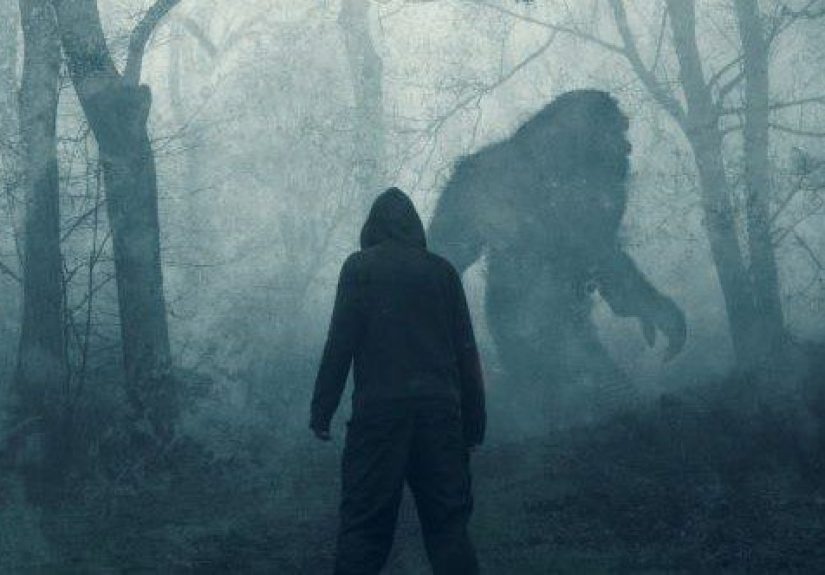
- 10) The Pacific Northwest: Bigfoot Country and the Art of Believing “Just Enough”
- Bonus: of Folklore-Fueled Travel Experiences (Because Stories Deserve a Second Serving)
- Wrap-Up: Where Legends Live, People Gather
Folklore isn’t a dusty thing you keep in a museum like your aunt’s “good” china. It’s the stuff people still dostories told on porches,
songs sung in kitchens, rituals repeated because “that’s how it’s always been,” and local legends that refuse to move out even when rent prices skyrocket.
In other words: folklore is the original community Wi-Fi. The signal gets stronger the more people share it.
Below are ten U.S. places where folklore feels less like a chapter in a textbook and more like a living roommatesometimes charming, sometimes spooky,
occasionally loud at 2 a.m., but always part of the neighborhood.
What counts as “living folklore”?
Folklore isn’t only myths and monsters (though, yes, we are absolutely getting to the monsters). It also includes community celebrations, spiritual traditions,
place-based beliefs, oral history, music, dance, craft, and the unwritten rules that make a place feel like itself.
A simple test: if locals can say “My grandma told me…” and the story still shapes how people act todaywhere they gather, what they avoid,
what they celebratethen folklore is alive and well. You don’t need a crown, a cauldron, or a cursed amulet. You need people.
The 10 Places Where Folklore Still Has a Pulse
1) New Orleans, Louisiana: Where Spirits, Saints, and Street Parades All RSVP
New Orleans runs on tradition the way some cities run on espresso. Voodoo (often described locally as a syncretic blend shaped by West African beliefs,
Catholic influence, and local history) remains part of the city’s cultural imaginationnot as a Halloween prop, but as a living thread in storytelling,
iconography, and community memory.
Then there’s Mardi Gras: not just a party, but a ritual calendar of krewes, costumes, music, and neighborhood pride. The point isn’t merely beadsit’s
belonging. If you want to feel folklore as an ecosystem, follow the sound of brass bands, watch how locals talk about “their” krewe, and notice how
the city tells its own story through procession.
- Do: Take a history-forward tour (not a “we totally saw a ghost” speedrun).
- Don’t: Treat spiritual traditions like novelty props. Respect matters more than your camera roll.
2) Central Appalachia: Ballads, “Jack Tales,” and Stories That Travel Better Than Cell Service
In parts of Appalachia, folklore isn’t a performanceit’s a method of staying connected across ridges, hollows, and generations.
Long before playlists, communities carried songs and stories by voice. Traditional ballads, shape-note hymns, and local legends
persist through family gatherings, regional festivals, and a strong culture of storytelling.
The “living” part here is the transmission: elders teaching a tune, neighbors swapping a tale, a fiddler passing down a melody that arrived from the
British Isles and got remixed by American life. Appalachia is proof that the oldest technology for entertainment is still undefeated:
a human voice, a good hook, and a story with a sharp turn.
- Do: Seek community music events and heritage centers; listen more than you talk.
- Don’t: Reduce the region to stereotypes. The real story is complexitywork songs, faith traditions, migration, humor.
3) Point Pleasant, West Virginia: The Mothman That Became a Hometown Mascot
Some towns have a mascot like “Eagles.” Point Pleasant said, “How about a red-eyed cryptid with wings?” and honestly, commitment deserves respect.
The Mothman legendrooted in reported sightings in the late 1960shas evolved into modern folklore with a full civic glow-up:
festival weekends, statues, souvenirs, and a local economy that politely asks you to leave room in your trunk.
What makes this folklore feel alive isn’t whether you believe the creature exists. It’s that the story functions like a shared language.
People gather, trade theories, laugh, shiver, and collectively re-tell the legendover and overuntil it becomes part of the town’s identity.
- Do: Go with a playful, curious mindset. Folklore can be serious and fun at the same time.
- Don’t: Forget that real community history also lives here. Make room for the town beyond the legend.
4) Roswell, New Mexico: UFO Folklore With a Desert Backdrop and Excellent Branding
Roswell is the rare place where modern legend has street-level infrastructure. The 1947 incidentdebris, headlines, official statements,
and decades of theoriesbecame a cultural engine. Whether you lean “government cover-up” or “misunderstood military tech,” Roswell demonstrates how
folklore can form in real time, powered by uncertainty and imagination.
Today, the city embraces its alien identity with museums, iconography, festivals, and the kind of souvenir economy that makes you wonder
why every town doesn’t pick a mysterious sky object and commit. Roswell’s lesson: once a story grips the public, it stops being just “an event”
and becomes a tradition of retelling.
- Do: Enjoy the spectaclebut also read about the historical timeline so you can separate facts, theories, and pop culture.
- Don’t: Treat locals like background characters in your conspiracy movie.
5) Salem, Massachusetts: Where History Turned Into Legendand Then a Whole Season
Salem’s folklore runs on two tracks: documented history and the mythmaking that followed. The 1692 witch trials are a real, grim chapter of colonial
America, and modern Salem lives with that legacy in museums, memorials, and a tourism culture that peaks when the leaves turn
and the costumes come out.
The “alive” part isn’t just spooky tours. It’s how a community negotiates identity: remembrance, education, commerce, and the human tendency to tell
cautionary tales. Salem’s stories are constantly being reinterpretedsometimes thoughtfully, sometimes with a plastic broomstickbut always with
the awareness that stories shape how we see one another.
- Do: Include a historically grounded stop (memorials, exhibits) alongside the fun.
- Don’t: Turn tragedy into a punchline. You can be witty without being careless.
6) Sleepy Hollow, New York: The Headless Horseman’s Hometown (and He Still Has Fans)
Washington Irving’s “The Legend of Sleepy Hollow” gave America one of its most durable pieces of spooky folklore: a ghostly horseman, a dark road,
and the evergreen fear of running late to something you can’t explain. The Hudson Valley leans into the story with landmark sites, seasonal events,
and that delicious feeling of stepping into a tale that everyone “knows,” even if they’ve never read it cover to cover.
The magic here is place-based storytelling. You’re not just hearing the legendyou’re walking it. And when a story has physical geographybridges,
churches, graveyardsit becomes easier for folklore to stick around, because it has somewhere to live besides your imagination.
- Do: Visit story-linked landmarks and learn what inspired the setting.
- Don’t: Assume folklore equals “fake.” Folklore is about meaning, not lab results.
7) Pueblo Country, New Mexico: Feast Days, Dances, and the Responsibility of Being a Guest
If you want living folklore in its most literal form, look toward Native communities where ceremonies, dances, and feast days continue as community
practicenot staged entertainment. In Pueblo communities, these traditions are tied to faith, seasonal cycles, and identity.
The key word here is etiquette. Some events welcome visitors under specific rules (including restrictions on photography and behavior),
and schedules can change for community reasons. The most respectful approach is also the simplest: call ahead, follow guidelines, stay quiet when asked,
and remember that witnessing something doesn’t make it yours to explain on the internet.
- Do: Treat attendance as a privilege, not a product.
- Don’t: Push for access, details, or photos where they’re not allowed.
8) Hawaiʻi Island, Hawaiʻi: Pele, Place-Based Belief, and “Please Don’t Take the Rocks”
Hawaiian folklore (moʻolelo) is deeply rooted in land, ocean, genealogy, and respect. Stories about Pele, the volcano deity, are among the most widely
known to visitorsbut what often gets missed is the cultural framework: the relationship between people and place, and the responsibility that comes
with stepping onto sacred ground.
Even traveler lore reflects this. “Pele’s curse” is frequently cited as a reason not to take lava rocks or sandand beyond belief, there’s a practical
and legal reality: removing natural materials from national parks is illegal, and culturally, it can be disrespectful. In Hawaiʻi, folklore isn’t just
a storyit’s guidance for how to behave in a living landscape.
- Do: Learn local rules and cultural context before you hike, swim, or photograph.
- Don’t: Treat sacred stories like a dare. The land is not a theme park.
9) Sitka, Alaska: Totem Poles, Clan Histories, and Legends You Can Walk Beside
In Sitka, Indigenous heritage and storytelling show up not only in words, but in carved forms and living practice. At Sitka National Historical Park,
totem poles represent clan histories and legends, and visitors may see artists demonstrating carving, weaving, or metalworking.
This is folklore as visual narrativehistory, identity, and moral teaching embedded in art.
The “alive” part here is continuity: traditions adapted across time, still carried by communities and interpreted in the present.
If you want to understand folklore beyond “once upon a time,” this is a place where a story can stand six feet tall and still be unfinishedbecause
the people who carry it are still here.
- Do: Read interpretive materials and prioritize Native-led perspectives when available.
- Don’t: Flatten diverse Alaska Native cultures into one generic label.
10) The Pacific Northwest: Bigfoot Country and the Art of Believing “Just Enough”
Bigfootalso known as Sasquatchlives in the cultural imagination of the Pacific Northwest like a permanent houseguest who never pays rent,
but somehow still gets invited to dinner. The legend draws from a mix of Indigenous story traditions, local sightings, and mid-20th-century media
that turned a regional tale into a national obsession.
What’s fascinating is how the folklore functions socially. People use Bigfoot as entertainment, yes, but also as a symbol of wilderness,
mystery, and the feeling that the woods are bigger than our explanations. Whether you’re a skeptic, a believer, or a “maybe, but only before coffee,”
the Pacific Northwest shows how folklore thrives when it attaches to a landscape that already feels mythic.
- Do: Approach with curiosity and respectespecially when discussing Indigenous roots of names and stories.
- Don’t: Assume the legend is “new.” Many cultures carried related stories long before headlines did.
Bonus: of Folklore-Fueled Travel Experiences (Because Stories Deserve a Second Serving)
If you want folklore to feel real, try traveling like a listener instead of a collector. The biggest mistake people make is treating legends like
Pokémon“Gotta catch ’em all!”then wondering why everything feels staged. Folklore isn’t a checklist; it’s a relationship. And like any relationship,
it gets better when you show up with manners.
Start in New Orleans, where tradition isn’t whisperedit’s played at full volume. Spend an evening hearing how locals describe their city: not as a
destination, but as a personality. Listen for the way stories braid togethersaints and spirits, ancestors and neighborhoods, joy and griefuntil the
line between “history” and “legend” becomes less important than the fact that people still gather to tell it. Then, when you watch a parade, notice
the choreography of community: who cheers for whom, how families stake out space, how every bead toss comes with a tiny, unspoken rulebook.
In Appalachia, the experience flips: folklore feels quieter, closer. Sit at a local music event (or any place where people trade songs like family
recipes) and you’ll realize stories aren’t always “performed.” Sometimes they’re just how people pass time, grieve, tease each other, and make meaning.
A ballad isn’t “old” here; it’s durable. You can almost hear a melody traveling through time like it has good boots and a packed lunch.
If you chase the modern monstersMothman in Point Pleasant or aliens in Roswellgo with a sense of play and context. The best version of these
trips isn’t “I proved it!” It’s “I saw how a town turned a story into a gathering.” Festivals, museums, and local lore shops become community bulletin
boards: places where people argue, laugh, remember, and keep the legend circulating. You’ll meet skeptics who still show up every year, which is its own
kind of belief: faith in the fun of shared storytelling.
In Salem and Sleepy Hollow, let the place teach you how geography amplifies folklore. Walking past a landmark linked to a famous tale is oddly powerful,
even if you know you’re in a modern town with modern traffic. That’s the point: folklore doesn’t require isolation. It requires attention.
The best experience is balancing the theatrical with the truthfulenjoying the spooky season while still learning what really happened, and why we keep
retelling it.
Finally, in places tied to living Indigenous traditionsPueblo communities, Hawaiʻi, Sitkayour experience should be guided by respect, not entitlement.
Call ahead. Follow etiquette. Accept “no photos” without pouting. Buy art directly from artists when possible. And when you hear a story, don’t rush to
translate it into a viral post. Some folklore survives precisely because it’s carried carefully, not broadcast carelessly. The best souvenir isn’t a
trinket. It’s the memory of having been a good guest in someone else’s living story.
Wrap-Up: Where Legends Live, People Gather
Folklore stays alive when communities keep using itfor celebration, for caution, for identity, for humor, for comfort. These ten places prove that
stories don’t die when they get old. They die when nobody needs them. So travel with curiosity, tip well, listen hard, and remember:
the best folklore isn’t the kind you “find.” It’s the kind you’re invited into.






 Close
Close