
Table of Contents >> Show >> Hide
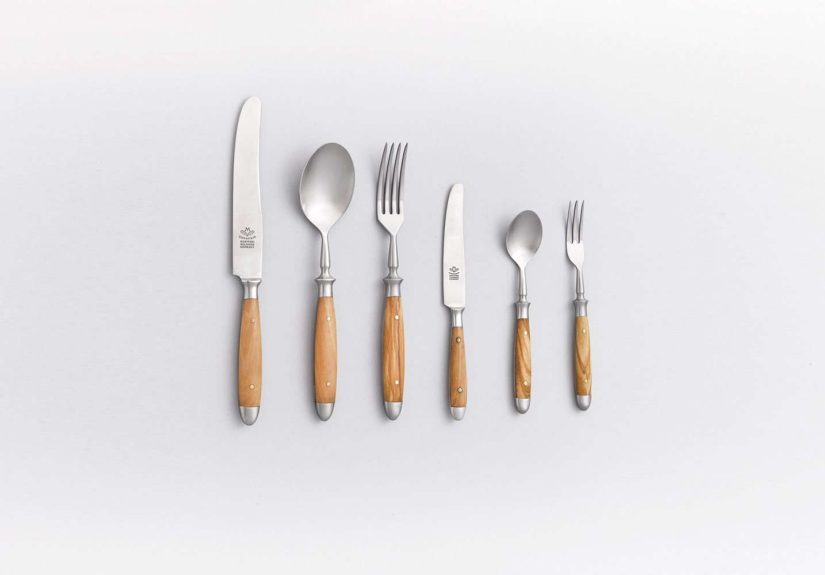
If your dinner table feels a little underdressed, German-designed flatware may be the quiet luxury move you did not know you needed. It does not shout. It does not sparkle like it is auditioning for a reality show. It simply shows up, feels terrific in the hand, and makes even a Tuesday bowl of pasta seem like it has opinions about architecture.
That is the magic of German flatware. The best examples combine sharp-looking minimalism, serious craftsmanship, and the kind of practicality that says, “Yes, I am beautiful, but I also survive the dishwasher.” In other words, this is design with excellent posture.
From the iconic workshops of Solingen to the restrained modernism of Mono and the sculptural boldness of Pott, German-designed flatware has earned its reputation for precision, balance, and longevity. Some patterns lean Bauhaus-clean. Others are heavier, moodier, and more dramatic. All of them share a certain confidence. They do not need gimmicks. They have steel, proportion, and a plan.
Below, a closer look at what makes German-designed flatware so enduring, plus 10 standout pieces and collections worth knowing if you want your table to look smarter without becoming fussy.
Why German-Designed Flatware Still Matters
Germany has long been associated with industrial design that takes function seriously. That philosophy shows up everywhere in flatware. The best sets are not just decorative objects; they are tools engineered for daily use. A fork should spear cleanly. A spoon should feel smooth on the lip. A knife should cut dinner, not your confidence.
One reason Germany became such a force in the category is Solingen, the city often linked with blades and cutlery production. The region’s manufacturing history helped build a culture where metalwork, finishing, and durability were not afterthoughts. They were the whole point. The result is flatware that often feels more substantial than trend-driven alternatives and more considered than bargain-bin sets that bend if you glare at them too hard.
German-designed flatware also tends to avoid pointless ornament. Even when a pattern is formal, the decoration is usually disciplined. You get clean geometry, thoughtful curves, and proportions that feel resolved. That clarity is why so many of these patterns age gracefully. Good German flatware does not chase a moment. It settles in and waits for the moment to catch up.
What to Look for in Flatware Before You Buy
1. Stainless Steel Quality
If you keep seeing “18/10 stainless steel,” that is not marketing confetti. It generally refers to the chromium and nickel content in the steel. Higher-quality 18/10 stainless is often prized for corrosion resistance, shine, and durability. In plain English: it looks good, wears well, and is less likely to become the kitchen equivalent of a cautionary tale.
2. Weight and Balance
Good flatware should not feel flimsy, but it also should not feel like arm day. German-designed sets often strike that sweet spot: enough heft to feel premium, enough balance to feel comfortable. This matters more than people think. You notice it every single meal. Flatware is one of the few design objects you literally hold to your face several times a day. Make it count.
3. Forged vs. Stamped Knives
Many buying guides point out that forged knives typically offer better strength and a more substantial feel than stamped versions. In a well-made set, the knife is often the giveaway. If it feels awkward, too light, or poorly finished, the rest of the set probably is not doing any miracles either.
4. Finish
Mirror-polished flatware looks crisp and formal. Matte and satin finishes feel quieter, softer, and often more modern. German brands do both well, but they are especially good at the understated matte look that whispers sophistication instead of waving at it from across the room.
5. Everyday Reality
A gorgeous set that requires a monk-like maintenance schedule is not ideal for most households. Dishwasher-safe construction, stain resistance, and comfortable handling matter. Flatware should elevate dinner, not become a part-time job.
10 Easy Pieces Worth Knowing
1. Mono A
If German-designed flatware had a greatest-hits album, Mono A would be on the cover. Designed by Peter Raacke in the late 1950s, it is one of the landmark modern flatware patterns from Germany. The shape is stripped down almost to its essence: slim handles, precise lines, no wasted gestures. It feels disciplined in the best possible way.
This is the set for people who love modernism and do not need their spoon to look like it came from a royal estate sale. Mono A works beautifully in minimalist interiors, but it also plays well with ceramic-heavy, casual tables. It is the design equivalent of someone who wears a plain white shirt and somehow looks better than everyone else.
2. Pott No. 35
Pott No. 35 brings a stronger geometric edge. Designed by Carl Pott, it has a sculptural profile and a matte stainless finish that gives it a composed, architectural look. It is assertive without being loud, which is harder to pull off than it sounds.
This is a strong choice for formal tables that still want to feel contemporary. It adds structure to the place setting and looks especially good with monochrome dinnerware, linen napkins, and the kind of lighting that makes everyone look like they suddenly have very good skin.
3. Pott 33
Pott 33 is one of the more interesting patterns in the German flatware canon because it blends restraint with subtle innovation. It is known for details like fine grooves near the handle base and, in some descriptions, a distinctive five-tined fork that improves scooping. Functional? Yes. Slightly nerdy? Also yes. We love that for it.
The appeal here is tactile as much as visual. Pott 33 feels substantial and intentional. It is ideal for design enthusiasts who appreciate when a product solves small problems elegantly instead of inventing silly new ones.
4. Carl Mertens Worpswede
Worpswede is one of those patterns that proves longevity is not an accident. Produced for decades, it has a softer, more classic silhouette than some of its sharper-edged cousins. The hollow handle contributes to a balanced, lighter feel that many people find especially comfortable for everyday use.
If Mono A is the cool modernist cousin, Worpswede is the friendly classic who still has impeccable taste. It works in traditional homes, modern homes, and anywhere in between.
5. Carl Mertens Senso Sky
Senso Sky leans more contemporary. It has a clean, streamlined profile and the kind of polished restraint that makes a table feel edited rather than decorated. This is flatware for people who like subtle luxury and do not need a million flourishes to feel fancy.
It pairs well with stoneware, matte glazes, and neutral table linens. Basically, if your dinnerware says “earth tones and standards,” this set gets the memo.
6. Carl Mertens Fina
The name says it all. Fina is fine, lean, and elegant. Designed by Thomas Feichtner for Carl Mertens, it has a lighter visual footprint than bulkier European patterns. The silhouette feels almost drawn rather than manufactured, which gives it a refined edge.
Fina is a great option if you want German design credibility but prefer flatware that looks airy and modern rather than heavy and formal. It is especially good for smaller tablescapes where oversized cutlery can feel visually crowded.
7. Herder Breakfast Cutlery
Herder Breakfast Cutlery is delightfully specific, and that is part of its charm. Produced in Solingen by Robert Herder, it often features the traditional rounded “buckels” breakfast knife style associated with German bread-and-butter culture. It feels practical, charming, and rooted in ritual.
This is not the set for a giant formal banquet. This is for jam, good bread, soft cheese, and coffee that deserves a real cup. It brings a little European breakfast romance to the table without requiring anyone to actually wake up cheerful.
8. Picard & Wielpütz Ticino
Ticino has one of the best backstories in the group: it has been associated with airline service, including historical use by Lufthansa before plastic took over. That alone gives it a kind of design-world cool. More importantly, the pattern looks clean, efficient, and durable.
It is a reminder that some of the best flatware design comes from high-use contexts where comfort and function are non-negotiable. Ticino is understated, practical, and deeply usable.
9. Gehring Spaten
Spaten-style flatware is one of those classic German forms that keeps resurfacing because it simply works. Gehring’s version has the familiar spade-like silhouette: direct, balanced, and quietly traditional. It is not flashy, but it has presence.
If you want something that nods to historic German table culture without feeling precious, this is a smart direction. It looks especially good on tables that mix old and new elements, like handmade ceramics with crisp modern glassware.
10. Zwilling Opus or King
Not every great German-designed flatware story has to live in the ultra-design niche. Zwilling offers more accessible collections like Opus and King that still emphasize strong materials, balanced handling, and a polished European look. Many Zwilling sets use 18/10 stainless steel and forged knives, which makes them appealing for households that want quality without entering museum-acquisition territory.
These sets are practical workhorses. They suit families, registries, frequent hosts, and anyone who wants daily-use flatware that feels grown up. Think of them as the gateway drug to German table design.
How to Style German Flatware Without Making the Table Feel Stiff
The beauty of German-designed flatware is that it does not require a formal dining room or a violin quartet. In fact, it often looks best when paired with simpler pieces. Matte stainless flatware works beautifully with linen, handmade ceramics, and clear glass. Polished sets can dress up white porcelain without turning the table into a period costume.
Try pairing sharper modern patterns like Mono A or Pott 35 with rustic plates for contrast. Or use a softer, classic design like Worpswede with contemporary stoneware to keep things from feeling too expected. The point is not matching every element into submission. The point is creating a table that feels intentional, relaxed, and good to live with.
Care Tips So Your Flatware Ages Gracefully
Even excellent stainless flatware benefits from basic care. Rinse off acidic food if pieces are sitting for long periods. Avoid harsh detergents when the manufacturer says so. Dry thoroughly if your dishwasher leaves moisture behind. And do not toss delicate finishes into a chaotic drawer where they can knock around like bumper cars.
For wood-handled or specialty pieces, check care instructions before assuming the dishwasher is your friend. Stainless steel may be durable, but “durable” is not the same as “indestructible.” That lesson has been learned by many a beautiful spoon with one mysterious scratch too many.
Final Thoughts
German-designed flatware is a category where looks and performance genuinely meet. The best patterns offer clean design, durable materials, and the kind of everyday pleasure that sneaks up on you. You buy them for aesthetics, then keep loving them because the fork feels right, the spoon feels right, and somehow dinner feels a little more composed.
That is the real appeal. These pieces are not just table accessories. They are small examples of design doing what it is supposed to do: making daily life more functional, more beautiful, and slightly more civilized. Even when dinner is frozen dumplings eaten over the sink, a good German spoon can still make a convincing argument for standards.
Experiences Related to German-Designed Flatware
Living with German-designed flatware, or even just using it regularly, changes the way you notice a meal. At first, that sounds dramatic. It is still a fork, after all, not a spiritual awakening. But the experience is surprisingly real. The biggest difference is not visual; it is physical. The handle feels balanced. The knife does not wobble. The spoon has enough weight to feel stable without becoming clunky. After a while, you stop noticing the flatware because it is doing its job so well, and that may be the highest compliment any design object can receive.
There is also something satisfying about the quietness of it. Some flatware demands attention with shiny finishes or oversized shapes. German-designed pieces, especially the more minimal ones, often do the opposite. They settle into the table. They make everything around them look a little better. A simple bowl of soup looks more considered. Weekend scrambled eggs seem weirdly dignified. Leftover cake eaten directly from the plate at 10:30 p.m. suddenly has a tiny bit of ceremony. Not enough to make it healthy, unfortunately, but enough to make it feel deliberate.
One of the most memorable things about using these pieces is how well they bridge everyday life and special occasions. You can set them out for a holiday dinner, then use the same pieces the next morning for toast and coffee without feeling silly. That flexibility is a huge part of the appeal. Many people want tableware that feels elevated but not fragile, stylish but not intimidating. German flatware often lands exactly there. It has self-respect, but it is not high-maintenance about it.
There is a social side to the experience too. Guests notice good flatware more often than you might expect. They may not name the designer or discuss chromium content over salad, but they notice when a piece feels nice to hold. They notice when the table looks calm and coherent. And they definitely notice when the knife cuts cleanly instead of behaving like a decorative suggestion. Good flatware creates a subtle sense of care. It tells people the meal was thought through, even if the cook was frantically Googling “how long can roasted carrots sit before serving” twenty minutes earlier.
What makes the experience stick, though, is the long-term relationship. Trendy objects can be fun, but flatware lives with you. It goes through weekday dinners, birthday cakes, takeout nights, and holidays. German-designed flatware tends to improve in that kind of real life because it was designed with repetition in mind. The best pieces do not become less interesting with use. They become more trustworthy. And trust, in a kitchen, is not glamorous, but it is priceless.





 Close
Close