
Table of Contents >> Show >> Hide
- Why Insulin Might Be Part of a Type 2 Diabetes Plan
- Insulin 101: What It Actually Does
- Types of Insulin: Fast, Slow, and “Works While You Sleep”
- When Clinicians Typically Start Insulin in Type 2 Diabetes
- How Starting Insulin Usually Works (Without Turning Your Life Into a Math Final)
- What If Basal Insulin Isn’t Enough?
- How to Take Insulin: Syringes, Pens, Pumps, and Inhaled Options
- Injection Technique: Small Details That Make a Big Difference
- Monitoring: Fingersticks, CGMs, and What You’re Looking For
- Safety First: Hypoglycemia (Low Blood Sugar) and What to Do
- Side Effects and Common Concerns
- Insulin Storage and Travel: Keeping It Effective (and Not Accidentally Cooking It)
- Cost and Access in the U.S.: Paying Less Without Playing “Insurance Roulette”
- FAQs: The Questions People Whisper (and Google at 2 a.m.)
- Wrapping It Up: A Simple Way to Think About Insulin Success
- Real-World Experiences: What It’s Like to Start (and Live With) Insulin in Type 2 Diabetes
- 1) The “I failed” feeling shows up fastthen fades
- 2) The first injection is the hardestbecause your brain is loud
- 3) Confidence grows when the plan is simple
- 4) Glucose patterns become “storytelling,” not just numbers
- 5) Hypoglycemia fear is realand planning makes it smaller
- 6) Social situations get easier with a script
- 7) Cost stress is commonand asking early helps
If you have type 2 diabetes and your clinician brought up insulin, you might be thinking one of two things:
(1) “I failed,” or (2) “Do I need to carry a tiny cooler like a celebrity skincare routine?”
Let’s clear the air. Insulin isn’t a punishment, a last-chance buzzer beater, or a sign you “did it wrong.”
It’s a toolsometimes the best toolfor getting blood sugar into a safer range and keeping it there.
This guide explains why insulin is used in type 2 diabetes, the different types, how people commonly start,
how dosing is adjusted, and how to avoid the most common problems (hello, low blood sugar and injection-site drama).
You’ll also get practical examples and real-world experience tips at the endbecause diabetes doesn’t happen in a textbook,
it happens in traffic, at family dinners, and occasionally in the TSA line.
Important: This article is educational and not personal medical advice. Insulin plans should be individualized with your healthcare team.
Why Insulin Might Be Part of a Type 2 Diabetes Plan
Type 2 diabetes is largely about insulin resistance (your cells don’t respond well to insulin) and, over time,
reduced insulin production (your pancreas can’t keep up). Early on, lifestyle changes and non-insulin medications
can often manage blood glucose well. But diabetes can progresseven when you’re doing many things right.
Insulin may be recommended when A1C stays above your target despite other treatments, when blood sugars are very high,
or when symptoms suggest your body needs more support right away (think significant thirst, frequent urination, unintended weight loss,
or other signs of severe hyperglycemia). Sometimes insulin is used temporarily (for example, during illness, steroid treatment, or surgery);
other times it becomes a longer-term strategy.
Insulin is not “the end of the road”
Many people assume starting insulin means their routine will instantly become complicated. In reality, many type 2 insulin plans start simply:
one daily “background” insulin dose (called basal insulin) plus monitoring. If you need more later, you add steps gradually.
The goal is not “more injections.” The goal is “better glucose with fewer surprises.”
Insulin 101: What It Actually Does
Insulin is a hormone that helps move glucose from your bloodstream into your cells for energy and helps your liver manage glucose output.
When insulin isn’t doing enough (because of resistance, decreased production, or both), glucose builds up in the blood.
Insulin therapy helps lower blood sugar by replacing or supplementing what your body isn’t able to do effectively.
A helpful way to think about insulin is as a “key” and your cells as a “door.” With insulin resistance, the lock is sticky.
Sometimes you can fix the sticky lock with lifestyle changes and non-insulin medications. Sometimes you also need more keys.
Types of Insulin: Fast, Slow, and “Works While You Sleep”
Different insulins are designed to work over different timeframes. Your plan depends on whether you need help with fasting blood sugar,
after-meal spikes, or both.
Basal insulin (long-acting or intermediate-acting)
Basal insulin handles your body’s background needsespecially overnight and between meals. Many people with type 2 diabetes start here.
Basal insulin is often taken once daily (sometimes twice daily depending on the type and your needs). It’s aimed at improving fasting glucose.
Bolus or mealtime insulin (rapid-acting or short-acting)
Mealtime insulin helps cover the rise in blood sugar after eating. It’s usually used before meals, particularly when post-meal glucose
is driving a high A1C even after fasting glucose is improved.
Premixed insulin
Premixed insulin combines a basal-like component with a mealtime-like component in one product. It can reduce injections for some people,
but it’s less flexible if your meal schedule changes often. It can be a good fit for consistent routines and predictable eating patterns.
Concentrated insulins and special cases
Some people require higher doses; concentrated formulations can help reduce injection volume. These require careful prescribing
and education to avoid dosing errorsso they’re usually used with clear guidance and follow-up.
When Clinicians Typically Start Insulin in Type 2 Diabetes
Not everyone with type 2 diabetes needs insulin. But insulin is commonly considered when:
- A1C remains above goal despite lifestyle efforts and multiple glucose-lowering medications.
- Blood glucose is very high at diagnosis or during a crisis period, and rapid control is needed.
- You have symptoms of severe hyperglycemia or evidence of catabolism (your body is breaking down fat and muscle for energy).
- Other medications aren’t appropriate due to side effects, kidney issues, cost barriers, or personal preference.
- Temporary insulin is needed during illness, hospitalization, pregnancy planning, or steroid therapy.
Many modern treatment approaches also consider non-insulin injectables (like GLP-1 receptor agonists) before insulin for many people,
especially when weight loss and cardiovascular benefits are priorities. But if insulin is preferred or clearly needed, it can be started
in a structured, stepwise way.
How Starting Insulin Usually Works (Without Turning Your Life Into a Math Final)
Step 1: Start with basal insulin
A common starting approach for basal insulin is a simple fixed dose (often 10 units daily) or a weight-based dose
(commonly around 0.1–0.2 units per kilogram per day). The specific choice depends on your A1C, fasting glucose patterns,
other medications, and your clinician’s judgment.
Step 2: Titrate (adjust) gradually based on fasting glucose
“Titration” sounds like a medieval spell, but it just means small, planned adjustments to reach a target.
Many evidence-based approaches increase basal insulin by small amounts every few days until fasting glucose reaches the agreed target
without causing hypoglycemia. If low blood sugar occurs without a clear cause, clinicians often reduce the dose by a percentage
(commonly in the 10–20% range) and reassess.
A practical example (for understanding, not self-prescribing)
Example: A person starts basal insulin at bedtime. Their fasting glucose is consistently above target for a week.
Their clinician recommends increasing by a small fixed amount every 3 days until fasting readings stabilize.
If they wake up shaky with low readings, the plan is adjusted down and potential causes are reviewed:
Did they skip dinner? Increase exercise? Drink alcohol? Take a new medication?
The point is: insulin success is usually less about “perfect dosing” and more about a calm, consistent feedback loopmeasure, adjust, repeat.
What If Basal Insulin Isn’t Enough?
Sometimes fasting glucose improves, but A1C remains above goal because after-meal spikes are still high.
That’s when clinicians may:
- Add a GLP-1 receptor agonist (if not already used and appropriate),
- Add a single mealtime insulin dose with the largest meal (“basal-plus”),
- Move stepwise toward multiple mealtime doses (basal-bolus), or
- Consider a premixed insulin approach for simpler scheduling.
Over-basalization: when “more basal” stops helping
There’s a point where increasing basal insulin doesn’t fix after-meal highs and instead increases hypoglycemia risk.
Signs can include large bedtime-to-morning drops, frequent lows, or big variability. When that happens, the solution is often
not “more basal,” but rather addressing meals, timing, additional medications, or adding targeted mealtime coverage.
How to Take Insulin: Syringes, Pens, Pumps, and Inhaled Options
Insulin pens
Pens are popular because they’re discreet, portable, and reduce measuring steps. You dial the dose and inject with a pen needle.
Many people find pens easier than drawing from a vial.
Syringe and vial
This is the classic method and can be cost-effective. It requires drawing up the correct dose and injecting.
For some people, the simplicity is appealing; for others, pens feel less intimidating.
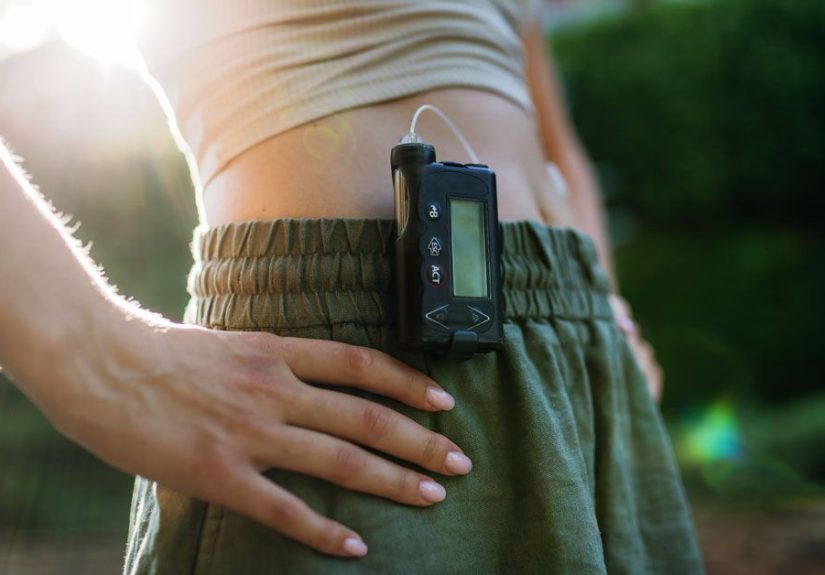
Pumps and automated insulin delivery (for selected cases)
Insulin pumps are more common in type 1 diabetes but can be used in type 2 diabetes for certain individuals
(often those needing complex regimens). Pump therapy usually requires training and ongoing support.
Inhaled insulin
Inhaled insulin exists for adults and acts quickly, but it’s not for everyone and isn’t as commonly used as injections.
If needles are a major barrier, it’s worth asking your clinician whether any alternative delivery method makes sense for you.
Injection Technique: Small Details That Make a Big Difference
Insulin is injected into the fatty tissue under the skin (not into muscle). Technique matters for comfort, absorption,
and preventing skin changes.
- Rotate sites: Repeated injections in the same spot can cause lipohypertrophy (lumpy fatty tissue), which can make insulin absorption unpredictable.
- Avoid problem areas: Don’t inject into bruised, scarred, inflamed, or lumpy areas.
- Angle basics: Depending on body composition and needle length, injections may be given at a 90-degree angle or sometimes 45 degrees.
- Hold briefly: After injecting, keeping the needle in place for a few seconds can reduce leakage.
If your blood sugar becomes “mysteriously chaotic,” it’s worth checking injection sites and technique before blaming yourself or your breakfast.
Diabetes is tricky, but it shouldn’t be haunted.
Monitoring: Fingersticks, CGMs, and What You’re Looking For
Insulin works best when it’s paired with feedback. Your clinician may recommend checking fasting glucose daily when starting basal insulin,
and possibly checking before meals or after meals if you’re adjusting mealtime doses.
Continuous glucose monitors (CGMs)
CGMs track glucose throughout the day and can show trends: overnight lows, post-meal spikes, and patterns you’d never catch with occasional checks.
For people using insulin (especially multiple daily injections), CGM data can help fine-tune dosing and reduce surprises.
A1C versus daily readings
A1C reflects your average glucose over about three months, while fingersticks/CGM show daily patterns.
You need both: A1C to see the big picture, and daily data to know what’s driving the numbers.
Safety First: Hypoglycemia (Low Blood Sugar) and What to Do
Hypoglycemia is generally defined as blood glucose below 70 mg/dL, and it’s a key safety concern with insulin.
Symptoms can include shakiness, sweating, hunger, confusion, irritability, fast heartbeat, and weakness.
Some people have fewer warning signs over time, which is why monitoring and dose adjustments matter.
The “15-15 rule” for mild to moderate lows
A common approach is to take about 15 grams of fast-acting carbohydrate (like glucose tablets or regular juice),
wait 15 minutes, and recheck. Repeat if needed until you’re back in range. Then follow with a snack or meal
that includes longer-lasting carbs and protein if your next meal isn’t soon.
Severe hypoglycemia: when you need help
If someone is confused, unconscious, or unable to swallow safely, they need emergency help.
Glucagon (available as an injection or nasal spray) can rapidly raise blood glucose and is often prescribed
for people at risk of severe lows. Make sure family, friends, or coworkers know where it is and how to use it.
Side Effects and Common Concerns
Weight gain
Some people gain weight after starting insulin because glucose is used more efficiently and less is lost in the urine.
Weight changes are not inevitable, and strategies like mindful carbohydrate intake, strength training, and (when appropriate)
pairing insulin with weight-friendly medications can help.
Injection-site issues
Mild redness or irritation can happen. More importantly, repeated injections in the same area can cause lipohypertrophy,
which can lead to unpredictable absorption. Site rotation is your unsung hero.
Fear of needles
Totally normal. Many people are surprised by how small modern pen needles are. A good diabetes educator can help with technique,
confidence, and troubleshootingoften in one session that feels like it should come with a cape.
Insulin Storage and Travel: Keeping It Effective (and Not Accidentally Cooking It)
Unopened insulin is typically stored in the refrigerator, while in-use insulin may often be kept at room temperature for a limited time
(depending on the product label). Avoid extreme heat and freezingboth can reduce potency.
- Heat: Don’t leave insulin in a hot car, direct sunlight, or next to a heater.
- Cold: Don’t freeze insulin. If it has been frozen, it should generally be discarded.
- Travel tip: Use an insulated bag for temperature protection, but avoid placing insulin directly against ice packs.
When in doubt, check the specific product instructions and ask your pharmacist. Insulin is powerful medicinebut it’s also a bit like
a picky houseplant: it hates being toasted or frozen.
Cost and Access in the U.S.: Paying Less Without Playing “Insurance Roulette”
Insulin costs can be stressful, and stress is already on diabetes’ teamso let’s not add a star player.
Practical options to explore:
- Medicare: Medicare Part D covers many insulins, and insulin may have a monthly cost cap for covered products.
- Manufacturer savings programs: Many companies offer copay cards or patient assistance for eligible people.
- Ask about alternatives: Different insulin types, devices, or biosimilar options may change your out-of-pocket cost.
- Pharmacist help: Pharmacists can often identify formulary-friendly options and prior-authorization shortcuts.
If cost is an issue, say so early. Clinicians can’t fix what they don’t know, and “quiet suffering” is not a recommended dosing strategy.
FAQs: The Questions People Whisper (and Google at 2 a.m.)
Will insulin stop working if I “use it too long”?
No. Insulin doesn’t “wear out” from use. What changes is your body’s needs over time. Your dose may need adjustment as insulin resistance,
weight, activity, stress, illness, and other medications change.
Can I ever come off insulin?
Sometimes, yesespecially if insulin was started during a temporary period of severe hyperglycemia, illness, or steroid therapy.
Some people reduce insulin needs significantly with sustained lifestyle changes, weight loss, or other medications.
Others need ongoing insulin support. The “win” is safe glucose control, whichever tools get you there.
What if I miss a dose?
Don’t double up without guidance. The safest move is to follow your clinician’s instructions for missed doses
(many practices provide a written plan) and monitor your glucose more closely. If you’re unsure, contact your care team.
Wrapping It Up: A Simple Way to Think About Insulin Success
Insulin for type 2 diabetes isn’t about perfection. It’s about patterns.
When your insulin plan matches your real lifeyour meals, sleep, work schedule, stress level, and budgetit becomes manageable.
When it doesn’t, it becomes frustrating. If something feels off, you’re not “bad at diabetes.” You’re getting data that your plan needs tuning.
The most successful insulin users aren’t the ones with superhuman willpower. They’re the ones who:
(1) learn the basics, (2) track a few key numbers, (3) adjust with support, and (4) keep going even when Tuesday was a mess.
Which, to be fair, is most Tuesdays.
Real-World Experiences: What It’s Like to Start (and Live With) Insulin in Type 2 Diabetes
The medical instructions are only half the story. The other half is emotional, practical, and occasionally absurd.
Below are common experiences people report when starting insulin for type 2 diabetesshared here as composite examples,
not as any one person’s medical story.
1) The “I failed” feeling shows up fastthen fades
Many people describe insulin as an emotional milestone. They’ve tried “everything,” and insulin feels like a final exam they didn’t study for.
But after a couple of weeks, a surprising shift often happens: the shame fades and relief moves in.
Better sleep, fewer bathroom trips at night, less constant thirst, and improved energy can make insulin feel less like a verdict
and more like a support beam. People often say, “I wish I hadn’t waited so long to feel better.”
2) The first injection is the hardestbecause your brain is loud
A very common experience is spending 30 minutes psyching yourself up for something that takes 10 seconds and feels like… almost nothing.
Modern pen needles are tiny, and the anticipation is usually worse than the injection. People who struggle most often benefit from:
practicing with a diabetes educator, using a consistent routine (same time, same place), and treating the first week like skill-building,
not a moral test. The goal is “good enough” technique, not Olympic form.
3) Confidence grows when the plan is simple
Many insulin newcomers do best with a very clear starting plan: one dose, one daily check (often fasting), one adjustment rule approved by their clinician.
The people who feel most overwhelmed are often given too many variables at oncemultiple checks, multiple dose changes, complicated meal rules
before they’ve built the habit. A stepwise approach helps insulin fit into life instead of taking it over.
4) Glucose patterns become “storytelling,” not just numbers
After a few weeks, people start noticing patterns: a late-night snack raises morning glucose, a long walk drops it,
stress at work makes it climb, and poor sleep can act like a secret ingredient in every reading.
This is where CGMs or structured fingerstick checks can feel empowering. The best mindset is curiosity:
“What’s the story behind this number?” rather than “I’m in trouble.”
5) Hypoglycemia fear is realand planning makes it smaller
If someone has one scary low, they can become afraid to take insulin at all. In real life, the fix is usually practical:
keeping fast carbs handy, learning the 15-15 routine, reviewing what triggered the low (missed meal, extra exercise, alcohol),
and having a clear plan for dose adjustments. People also feel safer when family members know what hypoglycemia looks like
and where emergency glucagon is stored. Preparedness doesn’t make you anxiousit makes you free to live normally.
6) Social situations get easier with a script
Restaurants, holidays, and “just try a bite” relatives can be tricky. People often say what helped most was having a simple script:
“I’m managing my blood sugar, so I’m going to eat what works for me,” or “I’ll take dessert home.” No debate, no lecture.
Insulin doesn’t mean you can’t enjoy food; it means you’re balancing enjoyment with predictability. Also: nobody gets a medal for eating cake out of politeness.
7) Cost stress is commonand asking early helps
People frequently report delaying refills or “stretching” doses when costs spike. The best experience-based advice is:
bring up cost at the first sign of trouble. Clinicians can often switch to a formulary option, adjust device choices,
connect you with assistance programs, or recommend pharmacy strategies. People who speak up early are more likely to stay consistent,
and consistency is what makes insulin work smoothly.
Bottom line: the lived experience of insulin is usually less dramatic than the fear beforehand.
With a simple plan, solid education, and a little practice, insulin becomes just another routinelike brushing your teeth,
except it has a bigger impact on how you feel day to day (and it doesn’t require mint flavor unless you really want it).






 Close
Close