
Table of Contents >> Show >> Hide
- What Ferrofluid Actually Is
- Why VHS Tapes Are Part of the Story
- How the Cheap DIY Version Works
- Why Homemade VHS Ferrofluid Is Both Brilliant and Imperfect
- Where Ferrofluids Show Up in the Real World
- Safety, Because Acetone Does Not Care About Your Weekend Plans
- Should You Try It?
- Experiences From the Bench: What This Project Feels Like in Real Life
- Conclusion
There are two kinds of people in this world: people who threw out their VHS tapes years ago, and people who now have a completely new reason to look at a dusty copy of Speed and say, “You know what? You might still have value.” That value, surprisingly, is magnetic. More specifically, it may be hiding in the iron-oxide-rich coating that once helped old video tapes store movies, wedding footage, and mysterious recordings labeled only “TV STUFF.”
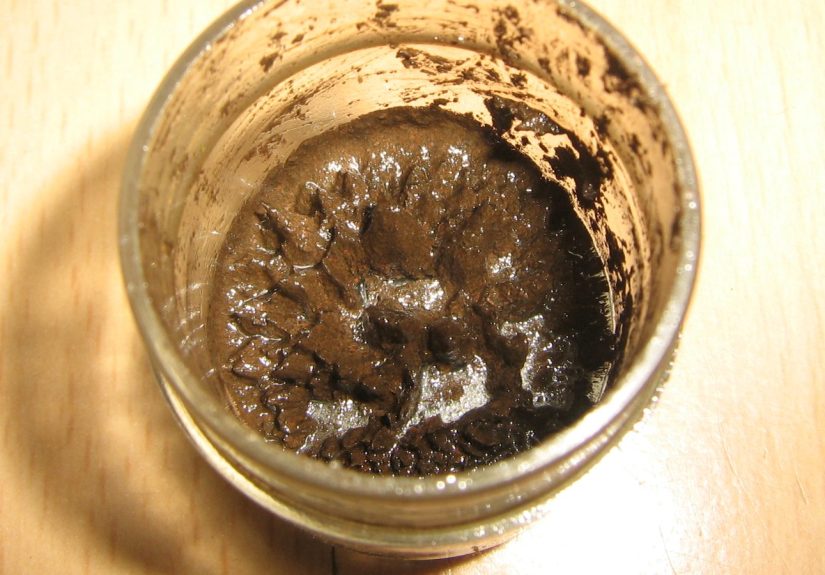
The internet loves a good budget science trick, and making cheap ferrofluid from VHS tapes sits right at the intersection of nostalgia, chemistry, and gloriously messy experimentation. It sounds like a prank dreamed up by a magnet-obsessed raccoon, but the idea is rooted in real material science. Magnetic tape contains compounds that respond to magnets, and with the right processing, hobbyists can turn that old recording media into a dark, wriggly fluid that behaves in some of the same mesmerizing ways as commercial ferrofluid.
That said, this is where the science party needs an honest host. A homemade VHS-based version can be fascinating, but it is not always the same thing as a professional, lab-stable ferrofluid. Sometimes it is closer to a magnetic slurry with a good publicist. Still, as a low-cost maker project and a clever lesson in how magnetic materials work, it is absolutely worth talking about.
What Ferrofluid Actually Is
Real ferrofluid is not just black liquid that likes magnets. It is a carefully balanced suspension of extremely tiny magnetic particles, usually based on iron oxides such as magnetite, dispersed in a carrier liquid. Those particles are coated with a surfactant, which keeps them from clumping together like guests at a boring party trying to avoid small talk. Without that stabilizing layer, the particles agglomerate, settle out, and the fluid stops behaving like the silky, responsive material people expect.
That tiny-particle part matters more than most people realize. In stable ferrofluids, the magnetic particles are generally in the nanometer range. At that scale, the suspension can remain smooth and responsive, especially when the surfactant and carrier liquid are compatible. That is why commercial ferrofluid produces those dramatic spikes, glossy domes, and weirdly elegant movements under a strong magnetic field. It is a balancing act between magnetism, particle size, surface chemistry, and fluid behavior.
So when people say, “I made ferrofluid at home,” the honest follow-up question is: How close is it to the real thing? Sometimes the answer is “pretty close for a DIY build.” Sometimes the answer is “this is magnetic mud wearing a tuxedo.” Both can be fun. Only one belongs in a lab catalog.
Why VHS Tapes Are Part of the Story
VHS tape was designed to store information magnetically, which means the tape needed a magnetic coating. In many magnetic media formats, that coating included iron oxide or related magnetic pigments embedded in a binder and attached to a polymer base. In plain English, the tape is not just shiny ribbon for tangling around your VCR. It is a layered material engineered to hold a magnetic signal.
That makes old tape interesting to tinkerers. If you can strip away the magnetic material from the plastic backing and collect the fine dark particles, you have the core ingredient for a magnetic fluid experiment. This is the key insight behind the “cheap ferrofluid from VHS tapes” idea. Instead of buying specialized magnetic powders or expensive prepared ferrofluids, you use obsolete media as your raw material. It is recycling, but with more magnets and a slightly higher chance of staining your workbench.
The catch is that not every tape formulation is identical. Different magnetic tapes used different pigments, binders, and coatings. Some used ferric oxide, some used cobalt-modified formulations, and later media could vary even more. That means one batch of scavenged tape material may behave differently from another. In other words, your homemade ferrofluid may be delightfully spooky, mildly underwhelming, or somewhere in the middle depending on what kind of tape you sacrificed to science.
What Makes the VHS Trick So Appealing
The attraction is obvious. Commercial ferrofluid can be expensive for what is, essentially, a tiny bottle of science goblin ink. A VHS-based approach lowers the cost, uses easy-to-find materials, and turns a forgotten storage format into something visually dramatic. It is the kind of project that feels equal parts chemistry experiment, salvage art, and “look what I made from junk in my closet.”
It also scratches a deeper itch. People love seeing old technology transformed into something modern and surprising. There is a special joy in watching a dead format come back as a living, twitching fluid that dances under a magnet. It is like giving your old tapes a second career in experimental theater.
How the Cheap DIY Version Works
At a high level, the method is straightforward. The tape’s magnetic coating is separated from the plastic base, the magnetic material is collected, and that material is then mixed into a liquid so it can respond to a magnetic field. In hobbyist versions, solvents may be used to help break down or loosen the binder layer, while oils and soap-like additives may help produce a more fluid mixture.
That broad approach makes scientific sense. You are isolating the magnetic fraction of the tape and trying to suspend it in a carrier liquid. If the particles are small enough and the mixture is stable enough, the result can behave in a way that resembles ferrofluid. The stronger the magnetic response and the better the suspension, the more satisfying the effect.
But here is where reality politely clears its throat. Tape-derived particles are not automatically ideal ferrofluid nanoparticles. They may be too large, irregular, poorly coated, or not evenly dispersed. If the surfactant is weak or the carrier liquid is not a great match, the particles can settle, clump, or behave more like gritty sludge than glossy magnetic liquid. That does not make the project fake. It simply means the cheap version often lands somewhere on a spectrum between “classroom demo,” “maker hack,” and “authentic colloidal ferrofluid.”
Why Homemade VHS Ferrofluid Is Both Brilliant and Imperfect
This is the part that separates the clickbait from the chemistry. The VHS method is clever because it uses a real magnetic source material. It is not nonsense. Old magnetic tape really does contain magnetically responsive compounds, and those compounds can absolutely be made to move under a strong magnet. That is the solid, science-based heart of the project.
At the same time, professional ferrofluids are engineered for stability. Researchers tune particle size, oxidation state, surface treatment, carrier liquid, and concentration to create reliable behavior. In more advanced formulations, the chemistry is controlled with a precision that home methods usually cannot match. That is why commercial and research-grade ferrofluids have smoother motion, better suspension, and more dramatic repeatable effects.
So yes, you can make a cheap magnetic fluid from VHS tapes. No, it will not always rival the elegant black mirror goo sold for demonstrations, speakers, seals, or research work. But that does not make the homemade version less interesting. In some ways, the imperfections are the lesson. They reveal exactly how much careful chemistry is required to turn raw magnetic material into a stable, responsive fluid.
The Difference Between “Magnetic Sludge” and the Good Stuff
If you want a quick rule of thumb, here it is: the more uniform the particles, the better the coating, and the more stable the suspension, the closer you get to true ferrofluid behavior. When one of those pieces is missing, the mixture may still move with a magnet, but it often loses the smoothness and precision that make ferrofluids famous.
That is why many educational demonstrations use simplified versions that are visually effective without pretending to be industrial-grade materials. The science still lands. You still see magnetism shape matter in real time. You just do not need to pretend you have built a NASA-derived fluid in a spaghetti-sauce jar.
Where Ferrofluids Show Up in the Real World
One reason this topic stays so fascinating is that ferrofluids are not just YouTube bait. They have a real technological history. Early work on magnetic liquids grew out of aerospace research, and over time ferrofluids found uses in rotating seals, loudspeakers, electronics, and other specialized applications. They have also been studied in biomedical fields, microfluidics, sensing, and energy systems.
That practical history makes the VHS experiment more than a novelty. It connects a kitchen-table project to a material with serious engineering credentials. The same broad idea that makes black liquid jump around under a magnet also underlies technologies used for damping, sealing, heat management, and precision control. Of course, the fluid in a commercial device is far more refined than something brewed from an old tape and weekend optimism. But the family resemblance is real.
And that is part of the magic: a project that starts with obsolete media and a curious mind leads straight into materials science, colloid chemistry, magnetism, and the long arc of engineering innovation. Not bad for something pulled from a box labeled “miscellaneous cables and sadness.”
Safety, Because Acetone Does Not Care About Your Weekend Plans
Any article about making cheap ferrofluid from VHS tapes should be fun, but not recklessly fun. Solvents commonly mentioned in DIY approaches are flammable and irritating, and they should not be handled casually. Good ventilation matters. Open flames are a terrible idea. Skin and eye protection are sensible. So is common sense, which, sadly, is not sold in hardware stores.
Magnets also deserve more respect than they usually get. Strong magnets can pinch skin, damage electronics, and pose severe risks if swallowed, especially around children. A dramatic fluid display is not worth turning your craft table into a safety bulletin.
There is also the obvious but important point: homemade magnetic fluid is not food-safe, not toy-safe, and not something to leave uncapped near pets, keyboards, or white furniture. Ferrofluid has a gift for finding the one surface you did not want it to touch. If you have ever spilled printer toner, imagine that, but moodier.
Should You Try It?
If you are a curious maker, a science teacher, a vintage-media tinkerer, or someone who simply enjoys turning discarded stuff into conversation pieces, the answer is yeswith proper safety precautions and realistic expectations. The VHS-tape approach is inexpensive, educational, and visually rewarding. It is a terrific example of how scientific ideas can emerge from everyday objects that most people overlook.
If you want pristine, stable, highly responsive ferrofluid for repeat demonstrations or device building, buying a properly prepared product is still the smarter move. But if your goal is learning, experimenting, and enjoying the weird joy of magnetic liquids without spending a fortune, the cheap DIY route has real charm.
In a way, that is the whole appeal of maker culture. It is not always about perfection. Sometimes it is about understanding a phenomenon deeply enough to recreate part of it with humble materials. Sometimes it is about seeing a thrift-store relic become a science exhibit. And sometimes it is just about making black spiky goo because black spiky goo is objectively cool.
Experiences From the Bench: What This Project Feels Like in Real Life
The experience of working on a VHS-tape ferrofluid project is part science experiment, part salvage mission, and part “I hope this stain never becomes a permanent design feature.” On paper, the idea sounds elegantly simple: take old tape, isolate the magnetic material, suspend it in liquid, and enjoy the show. In practice, it feels more hands-on and a lot more human than that. You are not just making a fluid. You are negotiating with old materials, messy variables, and the stubborn fact that chemistry does not care how good your thumbnail image would look.
What surprises most people first is how physical the process feels. VHS tape is not a neat little packet of iron waiting politely to be repurposed. It is an aging media format with layers, residues, and decades of storage history baked into it. Some tapes seem eager to give up their secrets. Others behave like they signed a confidentiality agreement in 1994. That unpredictability becomes part of the experience. You begin to understand that magnetic media was engineered, not improvised, and that taking it apart teaches you as much as putting the fluid together.
Then comes the moment when the black material starts to look promising. This is usually the emotional high point of the project. Up to that stage, the setup can feel like a lot of fuss for a result that may or may not arrive. But once you see the dark concentrate respond to a magnet, even imperfectly, the whole thing clicks. Suddenly, the dusty old tape is no longer junk. It is a working example of stored magnetism becoming visible in motion. That little transformation is wildly satisfying.
The second surprise is how quickly respect replaces overconfidence. The internet makes these experiments look smooth, cinematic, and almost effortless. Real life is less glamorous. The mixture may separate. The response may be weaker than expected. The fluid may be more clumpy than glossy. And your first thought is usually not “I have failed,” but rather “Ah, so this is why commercial ferrofluid costs actual money.” That realization is valuable. It turns a casual DIY project into a genuine lesson about particle size, dispersion, and material control.
There is also a strange emotional layer to the project. VHS tapes are nostalgic objects, and using them this way can feel oddly poetic. A format designed to preserve moving images ends up becoming a moving image itself. Instead of replaying a movie, the tape becomes the performance. For people who grew up rewinding rentals and smacking the VCR when it got moody, that transformation feels delightfully absurd in the best possible way.
By the end, the biggest takeaway is not just that cheap ferrofluid can be made from old magnetic tape. It is that everyday objects contain hidden engineering stories. This project lets you touch one of those stories directly. Even if the final result is more “magnetic swamp creature” than “museum-grade ferrofluid sculpture,” the experience is memorable, educational, and undeniably fun. And frankly, if a retired VHS tape can come back as dancing black science goo, that is a better second act than most technologies ever get.
Conclusion
You can make ferrofluid on the cheap with VHS tapes, and that idea is more than a gimmick. It works because magnetic tape really does contain magnetically responsive material that can be reclaimed and reimagined. The project is clever, affordable, and deeply satisfying for anyone who likes science with a little chaos around the edges.
The important nuance is that homemade VHS ferrofluid is usually best understood as a DIY approximation of a much more refined material. Real ferrofluids depend on nanoscale particles, stabilizing chemistry, and careful formulation. The tape-based version is rougher, less predictable, and more experimental. But that is exactly why it makes such a great story. It shows how advanced materials science can be explored with ordinary objects, curiosity, and a willingness to get your hands a little dirty.
In short, this is the rare project that delivers nostalgia, science, recycling, visual drama, and a respectable lesson in humility. Not bad for a format most people assumed had already taken its final bow.






 Close
Close