
Table of Contents >> Show >> Hide
- The Viral Story in Plain English
- Why the Sitter Probably Made the Right Medical Call
- So Why Did the Owner Explode?
- The Real Villain Here Is the Missing Plan
- Who Should Pay the Vet Bill?
- What Pet Owners Should Do Before Leaving a Dog With Anyone
- What Dog Sitters Should Do in a Similar Emergency
- Why a $1,400 Vet Bill Feels Both Huge and Weirdly Plausible
- The Emotional Bottom Line
- Related Experiences: Why This Kind of Situation Happens More Often Than People Think
- Conclusion
Leaving your dog with a friend is supposed to be the budget-friendly, trust-filled, “Thanks, you’re a lifesaver” version of pet care. It is not supposed to end with an emergency surgery, a four-figure invoice, and a friendship hanging by a thread like a chewed-up tug toy. And yet, that exact kind of drama has exploded online after a viral story about a dog owner returning home to a $1,400 vet bill and, well, completely losing it.
The internet ate it up for a reason. This story hits every emotional land mine at once: pet health, money, consent, guilt, friendship, responsibility, and the terrifying reality that dogs are adorable little chaos goblins with a talent for turning an ordinary week into an emergency.
At the center of the story is a simple but brutal question: if you leave your dog with a friend and that friend makes an emergency medical decision while you’re away, who was right? The answer is messy on the human side, but a lot clearer on the animal-care side. When a dog starts vomiting, stops eating, and is diagnosed with a blockage, this is not the time for crossed fingers and vibes. It is the time for action.
The Viral Story in Plain English
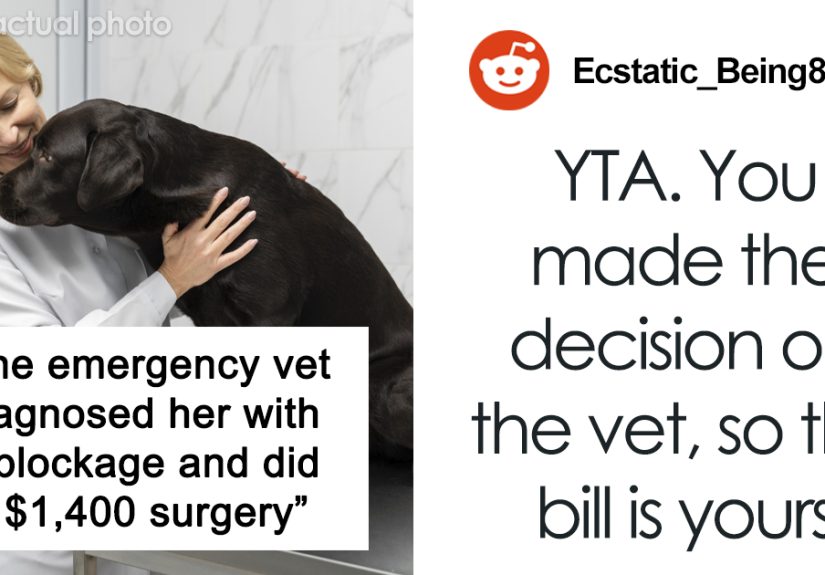
According to reports about the Reddit post that kicked off the debate, a young man was watching his friend’s dog, Cherry, while the owner was away. On the third day, Cherry reportedly began vomiting and refused food. The sitter tried to reach the owner, but she did not answer. He panicked, took the dog to an emergency veterinarian, and Cherry was diagnosed with a blockage that required surgery. The total bill came to $1,400.
Cherry was fine. The friendship? Less fine.
When the owner returned, she was furious. She said she never would have approved an expense that large, argued that she would have waited to see whether the dog improved, and claimed the sitter had effectively forced her into debt. Meanwhile, plenty of commenters sided with the sitter, pointing out that a blockage can become dangerous fast and that ignoring symptoms like vomiting and refusing food is a terrible plan unless your hobby is collecting disasters.
That split reaction is exactly why this story works so well as a case study. It is not just a tale of one angry dog owner. It is a snapshot of what happens when emergency pet care collides with real-world money stress and zero advance planning.
Why the Sitter Probably Made the Right Medical Call
From a veterinary standpoint, the sitter’s decision makes sense. A dog that is vomiting, lethargic, refusing food, and potentially dealing with a blockage can go downhill quickly. Intestinal blockages are not quirky little tummy aches that deserve a cup of tea and a nap. They can lead to dehydration, severe pain, tissue damage, perforation, infection, and life-threatening complications.
This is one reason pet health experts repeatedly warn owners and caregivers not to “wait and see” when symptoms point to a possible obstruction or poisoning. Dogs swallow things they absolutely should not swallow all the time: socks, toys, bones, wrappers, fruit pits, string, and enough mystery objects to keep emergency veterinarians employed for eternity. When something gets stuck, time matters.
That does not mean every episode of vomiting requires surgery. But in this case, the dog was examined, diagnosed, and treated by a veterinarian who determined the situation was serious enough to require intervention. That matters. The sitter did not diagnose Cherry by consulting a search engine and a prayer. He took the dog to professionals.
There is also a practical point here: when you are the person physically responsible for a dog in distress, your duty is not to win a future argument about money. Your duty is to prevent the animal from suffering while you still can. If the owner is unreachable and the dog is visibly sick, doing nothing is also a decision. It just happens to be the risky one.
So Why Did the Owner Explode?
Because people do not react to money, fear, and guilt like perfectly calm robots with spreadsheets and emotional maturity. They react like people.
The owner’s anger was probably about more than the bill itself. Yes, $1,400 is a lot of money for many households. For some people, it is an inconvenience. For others, it is rent, groceries, gas, and a full month of “guess I’m not sleeping tonight.” Surprise expenses hit especially hard when someone feels they did not consent to them.
There is also the issue of control. Pet owners tend to view their animals as family members, which means medical decisions feel deeply personal. Coming home to learn that your dog had surgery while you were unavailable can trigger a weird cocktail of relief, shame, powerlessness, and panic. Relief because your dog survived. Shame because someone else had to step in. Powerlessness because you missed a critical moment. Panic because now there is an invoice attached to all of it.
None of that necessarily makes the owner right. But it does make her reaction understandable on a human level. She was probably not just seeing a bill. She was seeing her own lack of preparation in fluorescent emergency-room lighting.
The Real Villain Here Is the Missing Plan
If this story has a villain, it is not necessarily the dog sitter or even the furious owner. It is the total absence of an emergency plan.
Too many pet owners hand over the leash with a casual “She’s easy, just feed her twice a day,” as if dogs cannot possibly turn into furry ER patients between Tuesday and Thursday. But responsible pet care does not stop at food bowls and walk schedules. It includes clear instructions for what happens if something goes wrong.
A solid pet-sitting plan should include the name and number of the primary veterinarian, the nearest 24-hour emergency clinic, poison-control contacts, medication details, feeding instructions, behavior notes, and written permission for the sitter to seek treatment if the owner cannot be reached. Ideally, it should also answer the awkward but essential money question: who pays, how, and with what limit?
That part is not romantic. It is not cute. It will not get framed and hung in the kitchen. But it is exactly the kind of practical planning that keeps a medical scare from turning into a friendship-ending battle.
Who Should Pay the Vet Bill?
Legally, the answer can vary based on local law, the facts of the arrangement, and whether the sitter had explicit authority. Ethically, though, the argument is much stronger: the pet owner is generally responsible for the cost of necessary care for their animal, especially if the sitter acted in good faith during a legitimate emergency.
If the sitter rushed the dog to the clinic because the dog seemed mildly dramatic after inhaling dinner too fast, that would be one thing. But if the dog was vomiting, refusing food, and diagnosed with a blockage that required surgery, the sitter did not create the emergency. He responded to it.
That said, there is room for compassion when the owner truly cannot pay the full amount immediately. A decent solution in real life may be a repayment plan, partial reimbursement, or a calm conversation that starts with “thank you for helping my dog” and ends with “let’s figure this out.” What usually does not help is screaming at the person who made sure your dog came home alive.
What Pet Owners Should Do Before Leaving a Dog With Anyone
1. Leave written medical authorization
Do not assume your friend can smoothly approve treatment on your behalf. Leave a written authorization form, especially if your sitter may need to work with your regular clinic or an emergency hospital. Include your dog’s age, medical history, current medications, allergies, insurance information, and your veterinarian’s details.
2. Name the nearest emergency clinic
When a dog is sick, no one wants to spend twenty frantic minutes searching “emergency vet near me” while also trying to stop a Labrador from eating a throw pillow. Pick the clinic in advance.
3. Provide poison and emergency contacts
If your dog eats something strange, time is precious. Your sitter should know which poison hotline to call, which emergency hospital you prefer, and which nearby friend or family member can help if you are unreachable.
4. Be painfully specific about food and forbidden items
Write down what your dog eats, when they eat, what treats are allowed, and what they should never have. Mention if your dog steals socks, shreds toys, counter-surfs, chews wrappers, or thinks decorative corn is a snack. This is not oversharing. This is survival.
5. Handle the money part like an adult
Leave a credit card on file with the vet if possible. Decide whether the sitter is authorized to approve treatment up to a certain amount. If you have pet insurance, explain how reimbursement works. If you do not have a financial cushion, say so in advance and create a backup plan. Silence is not a strategy.
What Dog Sitters Should Do in a Similar Emergency
If you are the sitter in this scenario, your job is not to become a veterinarian, a magician, or a philosopher. Your job is to act quickly and document everything.
First, call and text the owner. Then call the dog’s primary clinic if that information is available. If the symptoms look urgent and the owner still does not respond, go to the emergency vet. Take photos if relevant. Save receipts. Ask the clinic to document your attempts to contact the owner. Stay calm, but do not drag your feet.
You should also avoid home remedies unless directed by a veterinary professional. Do not make your own call to induce vomiting. Do not feed random “soothing” foods from the internet. Do not assume that because the dog wagged once, everything is magically fine. Dogs are weirdly brave; they can be very sick and still act like somebody might throw a tennis ball.
Why a $1,400 Vet Bill Feels Both Huge and Weirdly Plausible
One reason this story sparked such fierce debate is that $1,400 sits in the uncanny valley of pet-care costs. It is a lot of money, full stop. But in emergency veterinary medicine, it can also sound almost modest depending on the problem, the region, the diagnostics, and whether surgery or hospitalization is required.
Emergency exams alone can cost more than a standard office visit, and once imaging, lab work, anesthesia, surgery, medication, and aftercare enter the chat, the total rises fast. In other words, the number is financially shocking but not medically unbelievable. That is exactly why owners need to plan ahead instead of assuming the worst-case scenario will politely never occur.
The bigger lesson is not that veterinary care is overpriced or that friends should never dog-sit. It is that pet ownership includes emergency risk whether we like it or not. Dogs are living creatures, not furry subscription boxes. Sometimes they need help suddenly, inconveniently, and expensively.
The Emotional Bottom Line
This story resonates because almost everyone can picture themselves in it. Maybe you are the sitter, staring at a sick dog and an unanswered phone. Maybe you are the owner, stepping through the front door only to be hit with a bill that makes your soul briefly leave your body. Maybe you are both, depending on the week.
But if we strip away the online outrage and the dramatic headline, the lesson is surprisingly ordinary: good pet care depends on preparation, communication, and quick action when things go wrong. A handwritten note, an authorization form, and one honest conversation about emergency costs could have prevented most of this chaos.
Instead, Cherry got surgery, the sitter got blamed, the owner got blindsided, and the internet got a fresh morality play featuring a dog with expensive taste in crises.
Not ideal. Educational, yes. Ideal, no.
Related Experiences: Why This Kind of Situation Happens More Often Than People Think
If the viral story feels dramatic, that is because it is dramatic. But it is not unusual. Similar situations happen all the time, just without millions of strangers arguing in the comments. One common scenario involves the “sock dog,” the pet who seems perfectly normal until he suddenly vomits, refuses breakfast, and starts acting miserable. The sitter may assume it is a mild stomach bug, only to learn later that the dog swallowed laundry like he was training for a fabric-eating contest. By the time the owner is reached, the dog is already getting X-rays.
Another common experience is the holiday-food disaster. A dog stays with a friend or relative, charms everyone with sad eyes, and gets slipped table scraps, greasy leftovers, or mystery treats. A few hours later, the dog is vomiting, pacing, whining, or showing signs of abdominal pain. The sitter did not mean to cause harm; they were trying to be kind. But kindness without instructions can turn into a veterinary invoice with terrifying speed.
Then there is the owner who assumes “call me if anything happens” is a complete emergency plan. It is not. Phones die. Flights get delayed. Concerts are loud. Festivals are chaos. People miss calls. In real emergencies, sitters often have to decide whether to wait, rush to urgent care, or gamble that things will improve by morning. That is a brutal choice to dump on a friend who thought they were signing up for belly rubs and a couple of walks.
Some of the most stressful experiences involve poison scares rather than blockages. A dog gets into grapes, xylitol gum, medication, chocolate, marijuana edibles, or a household product. Suddenly everyone is counting missing pills like amateur detectives. In those moments, a sitter with clear instructions can act fast. A sitter without them is stuck trying to contact the owner while panic does wind sprints through the room.
Financial stress adds another layer. Many pet owners love their animals deeply but are not prepared for a surprise bill. That does not make them heartless. It makes them human. Still, love and budgeting are supposed to be teammates, not distant cousins who never speak. Real-world pet ownership means understanding that emergencies do not check your bank balance before arriving.
The most successful experiences usually share the same boring ingredients: written instructions, emergency contacts, a nearby clinic, clear rules about food and toys, and permission to seek treatment if needed. None of that feels dramatic when you are packing for a trip. It feels dramatic later, when your dog is safe, your friend is not traumatized, and nobody is screaming over Venmo.
That is the quiet truth behind this viral story. It is not really about one woman, one friend, or one dog. It is about a totally avoidable gap between love and preparation. And dogs, being dogs, are experts at discovering that gap the second you leave town.
Conclusion
Woman leaves dog with friend, returns to a $1,400 vet bill, completely loses it is the kind of headline that invites instant judgment. But once you look closer, the story is less about outrage and more about responsibility. The sitter appears to have acted in a genuine emergency. The owner’s anger makes emotional sense, even if it does not make practical sense. And the dog, as usual, is the one innocent party in the entire circus.
The smartest takeaway is simple: if you own a dog, plan for the emergency before the emergency plans itself for you. Because the only thing worse than coming home to an unexpected vet bill is coming home to regret.







 Close
Close