
Table of Contents >> Show >> Hide
- The Truth Revealed: Tucking Hair Behind Your Ears Is Usually Fine, but Not Always
- Why Tucking Hair Behind Ears Can Sometimes Be a Bad Habit
- When Tucking Hair Behind Your Ears Is Usually Harmless
- Who Should Be More Careful With This Habit?
- How to Tuck Hair More Safely
- Signs the Habit May Be Causing Trouble
- Everyday Experiences People Commonly Notice
- Conclusion
- SEO Tags
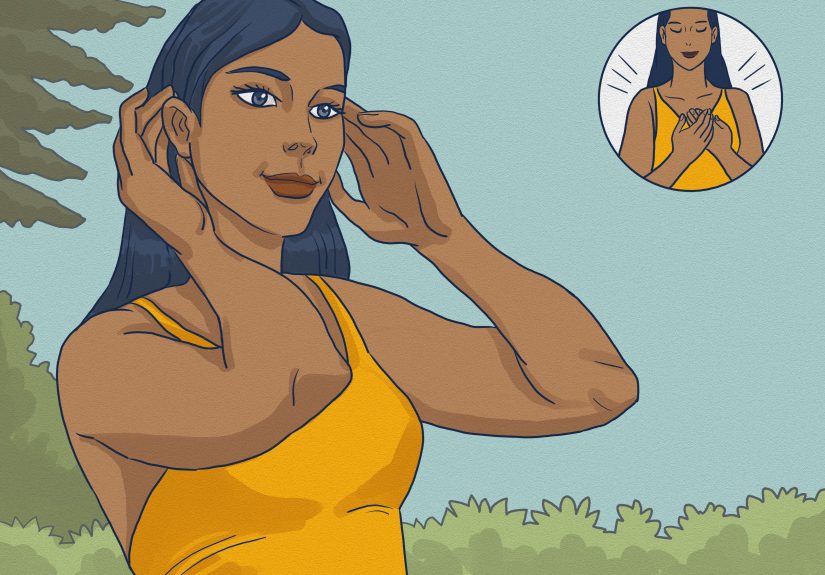
Let’s start with a small but important plot twist: tucking your hair behind your ears is not some villainous beauty habit lurking in the bathroom mirror, waiting to ruin your life. If that were true, half the population would be filing a class-action lawsuit against windy weather, Zoom calls, and coffee shop selfies.
Still, the phrase “why tucking hair behind ears is not good” did not appear out of thin air. There is a grain of truth hiding under all that drama. Tucking hair behind your ears can sometimes make certain skin, scalp, and hair issues worse. It can move oil and product onto the skin, add friction around delicate areas, and place repeated stress on strands near the temples and around the ears. In people who already deal with acne, dandruff, scalp irritation, or hair breakage, that innocent little tuck can become less of a styling trick and more of a tiny daily annoyance.
So the truth is not, “Never tuck your hair behind your ears again.” The truth is smarter than that. It is this: the habit itself is usually harmless, but the way you do it, the condition of your hair and skin, and the products you use can turn a casual motion into a problem.
The Truth Revealed: Tucking Hair Behind Your Ears Is Usually Fine, but Not Always
If you casually move a few strands behind your ears once in a while, you are probably not doing major damage. For most people, that is just normal grooming. But when tucking becomes constant, tight, or mixed with greasy products, sweat, irritation, or already fragile hair, it can create a few very real issues.
That is why the more accurate headline would be: Tucking hair behind your ears is not automatically bad, but it can be unhelpful if it adds oil, friction, or tension to an area that is already sensitive. Not as clicky, perhaps, but far more honest.
Why Tucking Hair Behind Ears Can Sometimes Be a Bad Habit
1. It Can Transfer Oil and Hair Product to Your Skin
This is one of the biggest reasons people think the habit is “bad.” Hair does not just carry itself around like a polite little silk ribbon. It carries scalp oil, leave-in products, dry shampoo residue, styling cream, hairspray, and whatever else you worked into it before leaving the house. When you keep pressing that hair against your temples, cheeks, jawline, and the area in front of and behind the ears, some of that residue can land on your skin.
If your skin is acne-prone, that matters. Oil-heavy hair products can contribute to tiny bumps, clogged pores, and breakouts along the hairline. This is especially true if you use pomades, oils, heavy creams, or greasy serums and then keep folding your hair neatly against the sides of your face like you are gift-wrapping your pores.
People with oily scalps may notice this even more. By the end of the day, the tucked sections can feel slightly grimy, and the skin they touch may become shiny, congested, or irritated. So no, the tuck itself is not evil. But hair plus oil plus product plus repeated skin contact? That combo can absolutely be annoying.
2. It Can Increase Friction Around the Hairline and Ears
The skin and hair around the ears are not always thrilled about repeated rubbing. Tucking creates a small loop of contact: hair rubs skin, skin rubs hair, and if you add glasses, headphones, earbuds, masks, or headbands, the friction party gets louder.
That does not mean every tuck causes a problem. But if you are already sweaty, wearing accessories all day, or dealing with sensitive skin, the repeated rubbing can irritate hair follicles and surrounding skin. Some people notice tenderness, itchiness, or little bumps in the area. Others describe the spot as feeling “sore for no reason,” which is skin’s charming way of saying, “I would like less nonsense, please.”
Friction is especially worth watching if you are active, spend a lot of time outdoors, or constantly adjust your hair. The more you re-tuck, re-smooth, and re-press the same section, the more likely that area is to become irritated.
3. It May Contribute to Breakage Near the Temples
Here is where people often get confused. Tucking hair behind the ears is not the same thing as wearing a severely tight ponytail or braids that pull on the scalp. Those styles are much more strongly linked to traction alopecia, a form of hair loss caused by repeated tension.
However, frequent tucking can still stress delicate strands near the temples and around the ears, especially if:
you do it tightly every day, your hair is already dry or fragile, you combine the habit with clips or tight styling, or you keep forcing the same section backward against its natural fall pattern.
Over time, this can show up as bent strands, snap-prone pieces, frizz near the hairline, or short broken hairs that never seem to “grow out nicely.” If you are already wearing tight buns, slicked-back styles, heavy extensions, or snug head coverings, constant tucking can add to the tension burden rather than acting alone.
In other words, the issue is not a single gentle tuck. The issue is repeated stress in the same vulnerable area.
4. It Can Make Existing Scalp Conditions More Noticeable
Sometimes people blame the tuck when the real issue is an underlying skin or scalp condition. Areas behind the ears and along the hairline are common places for seborrheic dermatitis, scalp psoriasis, and certain types of contact dermatitis to show up. If you already have flakes, redness, itchiness, greasy patches, or scaling, tucking hair back can expose the area, rub against it, and make it feel worse.
This is one reason the habit gets a bad reputation. A person tucks their hair, notices itching or flaky skin behind the ear, and concludes that the tuck caused the whole thing. In reality, the motion may simply be revealing or aggravating a condition that was already there.
That distinction matters. If you have a persistent rash, heavy flaking, thick scale, soreness, or skin that cracks behind the ear, the answer is not “never tuck again and hope for a miracle.” The answer is to figure out whether dandruff, psoriasis, irritation from products, or another skin issue is involved.
5. It Can Trap Sweat and Residue in Warm Weather
Hot weather makes everything more dramatic, including your scalp. When you tuck hair behind the ears on a warm day, the area can become a cozy little zone for sweat, oil, product buildup, and friction. If you also wear headphones, hats, or glasses, you may wind up with a humid micro-environment that is less “fresh and breezy” and more “tiny skincare obstacle course.”
For some people, this leads to itchy skin, scalp pimples, or mild follicle irritation. For others, it simply makes the tucked section feel dirtier faster. Either way, when sweat is part of the picture, daily tucking may be less ideal than a looser style that allows a bit more airflow.
When Tucking Hair Behind Your Ears Is Usually Harmless
Now for the good news: if your hair is clean, your scalp is calm, your products are not super greasy, and you are not forcing the same section back all day long, the occasional tuck is usually no big deal.
It is also less likely to cause problems if:
you use lightweight, non-greasy hair products; you wash your hair often enough for your hair type; you avoid tight styles that already strain the hairline; you do not constantly re-tuck the same strands; and you are not dealing with acne, dermatitis, or visible breakage around the area.
So if you are reading this with your hair currently tucked behind one ear, do not panic. This article is not a restraining order against a normal human gesture.
Who Should Be More Careful With This Habit?
Some people should pay closer attention because they are more likely to notice side effects.
People with Acne-Prone Skin
If you regularly break out around the temples, forehead, jawline, or near the ears, hair and product contact could be part of the story. A tucked style may keep that contact going longer than you realize.
People with Oily Scalps or Heavy Styling Products
If your roots get oily quickly or your routine includes thick creams, pomades, or oils, frequent tucking can become a direct delivery system from scalp to skin.
People with Dandruff, Seborrheic Dermatitis, or Psoriasis
If the area behind your ears already gets red, flaky, itchy, or greasy, rubbing hair over it all day can increase irritation and make symptoms feel more noticeable.
People with Fragile Hair or Tension-Related Breakage
If you already notice thinning at the temples, short broken hairs, or soreness from tight styling, constant tucking may not be helping. It probably is not the only cause, but it may be adding a little extra wear to an already stressed zone.
How to Tuck Hair More Safely
You do not need to ban the habit. You just need to make it less irritating.
Keep Products Light Near the Front Sections
If you know you will tuck your hair, avoid coating the front pieces with heavy oils or sticky styling products. Your pores do not need a leave-in conditioner internship.
Wash According to Your Hair Type
Let your scalp oil level guide your routine. The goal is not over-washing. The goal is not letting buildup pile up until your hairline starts negotiating with your pores.
Loosen the Motion
A soft tuck is one thing. A hard, repeated fold that pins the same section tightly back all day is another. Keep it relaxed.
Switch Sides or Let Hair Fall Naturally Sometimes
If you always tuck the exact same side, try giving that area a break. Hair, like people, does not love being pushed around nonstop.
Watch for Irritation From Accessories
If you wear glasses, earbuds, headphones, or headbands, check whether the tucked hair is being pressed into the skin. Sometimes the combination is the real problem.
See a Dermatologist if the Area Looks Persistently Inflamed
If you have rash, thick flakes, crusting, painful bumps, or visible thinning, it is worth getting checked. That is especially true if the hairline is receding or the skin feels sore when you style your hair.
Signs the Habit May Be Causing Trouble
Pay attention if you notice:
tiny bumps along the hairline, pimples near the temples or ears, itching or greasy flakes behind the ears, soreness where hair bends back, broken baby hairs that never seem to improve, or thinning near the temples that is getting worse.
None of those signs prove that tucking is the only culprit, but they do suggest the area is not loving your current routine.
Everyday Experiences People Commonly Notice
One reason this topic keeps floating around online is because it feels familiar. A lot of people have had the experience of wearing their hair tucked behind their ears all day, only to notice by evening that the skin around the temples feels oily, the area behind the ears feels itchy, or a few front strands look tired and oddly bent. It is not dramatic enough to call a medical emergency, but it is annoying enough to make people wonder whether the habit is secretly sabotaging them.
For example, someone with fine hair may tuck it back at work because it keeps falling into their face during meetings. By the end of the week, they notice tiny bumps near the hairline and assume the universe has singled them out for punishment. In reality, the issue may be a combination of scalp oil, dry shampoo residue, and repeated skin contact. Another person may keep one side tucked because they wear glasses and like a cleaner look. Then they start noticing short snapped hairs near one temple and realize that the same little section has been bent backward, rubbed by frames, and reheated with a blow-dryer every morning for months.
People with textured or curly hair often describe a different experience. The tuck itself may not feel harsh in the moment, but if the front pieces are dry or the style is paired with a tight bun, edge control, or frequent brushing, the hairline can start looking stressed. What appears to be “mysterious frizz” is sometimes just breakage sending a tiny protest letter. On the flip side, some people discover that once they stop using heavy oils near the face or stop forcing the same section behind the ear all day, the bumps and irritation calm down noticeably.
Then there are the people dealing with dandruff or flaky patches behind the ears. They may think tucking caused the flakes because that is when they first see them. But more often, the tuck acts like a spotlight, revealing what was already there. Once they switch to a better scalp routine or treat the underlying skin issue, the area becomes much less bothersome.
The biggest takeaway from these everyday experiences is not that tucking is forbidden. It is that small grooming habits add up. A tiny motion repeated dozens of times a day, combined with oil, tension, sweat, product buildup, accessories, and sensitive skin, can create results that feel bigger than the habit itself. That is why paying attention to patterns matters. If your hair and skin seem perfectly happy, there is no need to wage war on the tuck. But if the same area keeps getting irritated, breaking out, or breaking off, your mirror may be giving you useful feedback.
Conclusion
So, why is tucking hair behind ears not good? The most truthful answer is: it is not always bad, but it is not always harmless either. The danger is not in the motion alone. It is in the buildup of oil, product residue, friction, sweat, and tension that can come with doing it repeatedly, especially if your skin or hair is already sensitive.
If your scalp is oily, your skin is breakout-prone, your hairline is fragile, or the area behind your ears is itchy and flaky, frequent tucking may be making things worse. If none of those issues sound familiar, an occasional tuck is probably just a tuck.
In other words, this is not a beauty crime. It is a habit worth watching. And sometimes, the smartest hair advice is not “never do that again.” It is “do it more gently, more cleanly, and with a little more awareness.”






 Close
Close