
Table of Contents >> Show >> Hide
- First: What Does “Not Interested” Actually Look Like?
- Common Reasons He Might Seem Less Interested in Sex
- 1) Stress, Burnout, and “My Brain Won’t Shut Up”
- 2) Depression and Anxiety (Yes, Even If He Doesn’t Call It That)
- 3) Medication Side Effects (The Sneaky Libido Thief)
- 4) Low Testosterone or Other Health Factors
- 5) Performance Anxiety and the “Avoidance Loop”
- 6) Relationship Tension, Resentment, or Emotional Distance
- 7) Mismatched Libidos (A Common Couple Problem, Not a Personal Failure)
- 8) Porn, Masturbation Patterns, or Different Turn-Ons
- How to Talk About It Without Making It Worse
- Practical Ways to Rebuild Sexual Connection
- 1) Lower pressure, widen the definition of intimacy
- 2) Try “connection first” scheduling
- 3) Build a stress-to-sexy transition ritual
- 4) Address the “invisible blockers”
- 5) If health or meds are involved, take the medical route seriously
- 6) Consider couples therapy or sex therapy (especially for desire discrepancy)
- Red Flags You Shouldn’t Ignore
- When It’s Time to Get Extra Help
- Bottom Line: It Might Not Be About YouBut It Is About “Us”
- Experiences People Commonly Share (500+ Words)
When your boyfriend seems sexually uninterested, it can feel like someone quietly unplugged your confidence and forgot to plug it back in.
You might start spiraling: Is he not attracted to me anymore? Did I do something wrong? Is this… the beginning of the end?
Take a breath. A dip in sexual interest is common, usually explainable, and often fixablebut it does deserve honest attention.
Here’s the tricky truth: sexual desire isn’t a simple “wants you / doesn’t want you” switch. It’s more like a mood-sensitive dimmer connected to
stress, sleep, mental health, relationship vibe, hormones, medications, and the general chaos of being a human with a calendar.
Sometimes the issue is desire. Sometimes it’s arousal. Sometimes it’s performance anxiety. Sometimes it’s “I’m exhausted and my brain is still at work.”
And sometimes, yes, it’s relationship stuff.
This guide breaks down realistic reasons your boyfriend may not seem interested in sex, what signs to look for, and what you can do nextwithout turning
your bedroom into a courtroom. (No one gets turned on by cross-examination. Even the hottest lawyers will confirm.)
First: What Does “Not Interested” Actually Look Like?
Before you assume the worst, get specific. “Not interested sexually” can mean a few different things:
- He initiates sex less often than he used to.
- He rarely seems aroused, or he loses arousal quickly.
- He avoids sexual situations (bedtime, showers together, making out).
- He’s affectionate in non-sexual ways but stops short of sex.
- He’s distant overallless touching, less flirting, less connection.
- He wants sex sometimes, but it feels “scheduled” or lower-energy than before.
These patterns matter because they point to different causes. Low desire is not the same as erectile dysfunction. Relationship distance is not the same as
stress fatigue. And “not initiating” is not the same as “not attracted.” Many people experience responsive desiremeaning they don’t feel
turned on until intimacy starts (kissing, touch, closeness), rather than feeling spontaneous desire out of nowhere.
If you’re expecting fireworks on demand, and his desire runs more “slow cooker,” you’ll keep thinking the stove is broken.
Common Reasons He Might Seem Less Interested in Sex
Let’s walk through the most common (and most fixable) explanations, from everyday life factors to health and relationship dynamics.
1) Stress, Burnout, and “My Brain Won’t Shut Up”
Chronic stress can reduce sexual desire and arousal. When the body is stuck in “problem-solving mode,” sex can feel like another taskone more thing
to do correctly, with energy he doesn’t have. Work pressure, financial stress, family conflict, school, moving, grief, or even positive stress
(new job, new baby) can shrink libido fast.
Clues: He’s tired, distracted, irritable, sleeping poorly, or mentally “elsewhere” even during downtime.
He may still love you deeplyhis nervous system is just busy treating every email like a bear attack.
What helps: Less pressure, more recovery. Sleep, decompression time, exercise, reduced alcohol, and routines that signal “we’re safe”
can bring desire back online.
2) Depression and Anxiety (Yes, Even If He Doesn’t Call It That)
Depression can reduce pleasure and motivation across the boardincluding sex. Anxiety can do the same, especially if he worries about performance,
pleasing you, or “not being enough.” Men also sometimes mask depression with irritability, withdrawal, overworking, or numbing behaviors rather than
saying, “I feel sad.”
Clues: He’s less interested in things he used to enjoy, has low energy, feels hopeless, avoids closeness, or seems tense and worried.
Sometimes low libido is an early, visible sign that something deeper is going on.
What helps: Gentle conversation, support, andwhen neededprofessional help. Treating mental health often improves sex, but it may take time.
3) Medication Side Effects (The Sneaky Libido Thief)
Many common medications can affect sex drive, arousal, erection quality, or orgasm. Antidepressants (especially SSRIs/SNRIs) are famous for this,
but they’re not alonesome blood pressure meds, antihistamines, and other drugs can also play a role.
Clues: The change started after a new medication, dosage shift, or longer-term use finally caught up. He may seem frustrated,
embarrassed, or avoid sex to dodge awkward moments.
What helps: A medical conversation (not a DIY medication breakup). Clinicians can sometimes adjust dose, timing, switch meds,
or add strategies that protect sexual function.
4) Low Testosterone or Other Health Factors
Hormones can affect libido, but they’re only one part of the picture. Low testosterone, endocrine disorders, chronic illness, pain, and fatigue can all
reduce interest in sex. Additionally, erectile dysfunction can be linked to physical health issues, including cardiovascular risk factors,
so it’s worth taking seriouslynot as a “manhood” issue, but as a health one.
Clues: Low energy, decreased morning erections, reduced muscle/drive, changes in mood, or new erection difficulties.
Sometimes he wants sex mentally, but his body isn’t cooperating.
What helps: A check-in with a healthcare professional, basic labs when appropriate, and addressing sleep, alcohol, nicotine, and activity.
If erectile dysfunction is present, treating the cause can improve both confidence and desire.
5) Performance Anxiety and the “Avoidance Loop”
If he’s had a few experiences where he couldn’t stay aroused, couldn’t finish, or felt judged (even unintentionally), he may start avoiding sex to avoid
embarrassment. Avoidance temporarily reduces anxietybut it also makes the problem bigger over time. The bedroom becomes a stage, not a connection.
Clues: He’s affectionate but pulls away when things get sexual, jokes to change the subject, or suddenly becomes very interested in
reorganizing the sock drawer at 11:47 p.m.
What helps: Reassurance, reducing goal-focused sex (“We have to do intercourse / orgasm”), and rebuilding confidence with
low-pressure intimacy (more on that below).
6) Relationship Tension, Resentment, or Emotional Distance
Desire often struggles in relationships where someone feels criticized, unappreciated, controlled, or disconnected. If there’s frequent conflict, unresolved
hurt, or a “roommate” vibe, sex can start to feel unsafe, stressful, or emotionally complicated. For many people, emotional closeness is the on-ramp to
physical closeness.
Clues: Less warmth overall, more irritability, less curiosity about each other, recurring arguments, or avoidance of deeper conversations.
What helps: Repair conversations, kindness rituals, time together that isn’t about problems, and counseling if you’re stuck in the same loop.
7) Mismatched Libidos (A Common Couple Problem, Not a Personal Failure)
Many couples experience a libido gapone partner wants sex more often than the other. Over time, this can create a painful cycle:
the higher-desire partner feels rejected and pushes for reassurance; the lower-desire partner feels pressured and pulls away; both feel lonely.
Nobody is the villain, but the pattern can be brutal.
Clues: You feel like you’re always initiating, or always negotiating. He may love you but prefer less frequency or different timing.
What helps: A shared plan that respects both partnersoften involving better communication, creative intimacy, and sometimes scheduling.
(Scheduling isn’t unsexy if it reduces pressure. It’s basically a reservation for your relationship.)
8) Porn, Masturbation Patterns, or Different Turn-Ons
Porn use affects people differently. Some couples use it without issue; others find it shifts arousal patterns or reduces partnered interestespecially if
it becomes a stress-coping habit, a secrecy issue, or the primary sexual outlet. Sometimes it’s not “porn vs. you,” but “easy dopamine vs. vulnerability.”
Clues: He’s less interested in partnered sex but still masturbates, is secretive about phone use, or avoids intimacy while insisting
“everything is fine.” Or, he may simply have different turn-ons he’s never felt comfortable discussing.
What helps: Non-shaming honesty. If there’s secrecy or conflict, consider a therapist who can help you talk about it without turning it into
a moral trial.
How to Talk About It Without Making It Worse
If you want real answers, timing and tone matter. The goal is not to “win the argument.”
The goal is to understand what’s going on and build a path forward together.
Pick the right moment
- Choose a calm time outside the bedroom (not right after rejection, not mid-argument).
- Aim for neutral ground: a walk, a drive, or a quiet evening when you’re not rushed.
- Keep it short at first. One good conversation beats five tense interrogations.
Use “I” language and curiosity
Try scripts like:
- “I’ve been feeling a little unwanted lately, and I miss being close to you. Can we talk about what’s been going on?”
- “I’m not trying to pressure youI just want to understand. Have you noticed your desire changing?”
- “Is this stress, mood, health, or something between us? I’m on your team.”
- “What helps you feel more relaxed and interested? What shuts it down?”
Avoid common landmines
- Don’t diagnose (“You’re depressed,” “You’re addicted,” “You never want me”).
- Don’t compare (“My ex wanted me all the time,” “Other guys…”). Instant shutdown.
- Don’t make it a character flaw (“You’re selfish,” “You don’t care”). Focus on patterns and feelings.
- Don’t treat sex as proof of love (“If you loved me, you would…”). That turns intimacy into obligation.
Practical Ways to Rebuild Sexual Connection
Once you understand the likely cause(s), you can experiment with solutions. Think “small changes, consistent practice,” not “one magical date night fixes everything.”
1) Lower pressure, widen the definition of intimacy
If every touch is interpreted as a demand for sex, the lower-desire partner often avoids touch altogether. Create a menu:
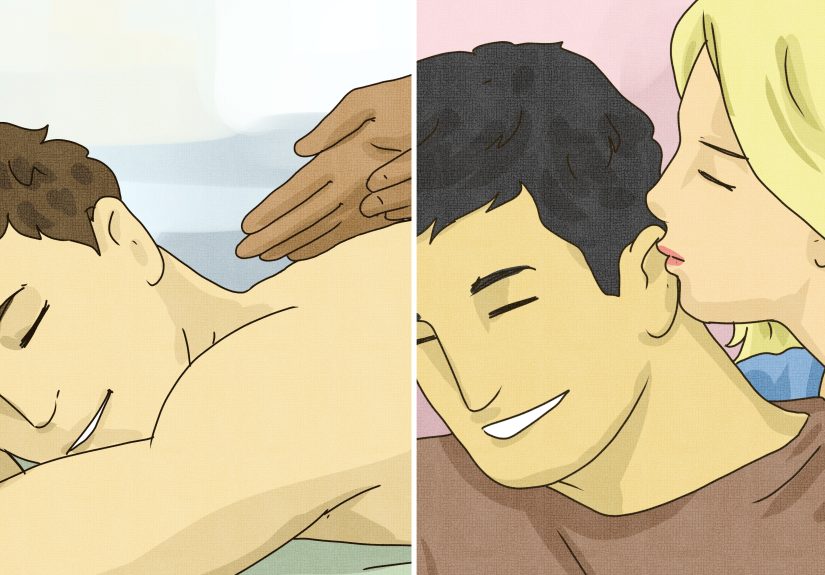
cuddling, kissing, massage, showering together, making out, mutual masturbation, oral sex, or “intimacy nights” that don’t require intercourse.
When intimacy isn’t a high-stakes performance, desire has room to breathe.
2) Try “connection first” scheduling
Scheduling doesn’t mean robotic sex at 8:00 p.m. sharp. It can mean: “Saturday night is us timephones down, closeness on.”
This helps responsive desire show up because the body has time to warm up. It also reduces the exhausting “Will it happen tonight?” guessing game.
3) Build a stress-to-sexy transition ritual
Many people can’t shift directly from spreadsheets to seduction. Create a 20–30 minute decompression routine:
a shower, a walk, music, stretching, or just lying together and talking. Your nervous systems need a bridge, not a shove.
4) Address the “invisible blockers”
If resentment is killing the vibe, talk about it. If the relationship feels unbalanced (chores, emotional labor, financial stress), make a fair plan.
If conflict is constant, practice repair: apologies, accountability, and changing patternsnot just “moving on.”
Emotional safety is foreplay for a lot of adults.
5) If health or meds are involved, take the medical route seriously
If erection issues, fatigue, sudden libido loss, or medication side effects are likely, encourage a non-shaming medical check-in.
Frame it as teamwork: “I want you to feel good in your body,” not “Go fix your broken parts.”
6) Consider couples therapy or sex therapy (especially for desire discrepancy)
Therapy can help when you’re stuck in the same fight, when sex has become a power struggle, or when either of you feels shame.
Many clinicians focus on communication, reducing pressure, rebuilding trust, and creating intimacy that works for both partners.
Look for qualified sex therapists or relationship therapists comfortable discussing sexual health.
Red Flags You Shouldn’t Ignore
Not being in the mood is normal. But some patterns are not “just a phase” and deserve serious attention:
- Coercion or guilt: If either partner uses pressure, threats, sulking, or manipulation around sex.
- Contempt or cruelty: Mocking your body, your needs, or your worth.
- Weaponized withholding: Using sex as punishment or control in a broader abusive dynamic.
- Sudden major change + secrecy: Especially if paired with emotional withdrawal or unexplained behavior shifts.
- You feel unsafe bringing up the topic at all.
If you’re dealing with emotional abuse, fear, or intimidation, prioritize safety and support. A therapist or trusted support system can help you sort out what’s happening.
When It’s Time to Get Extra Help
Consider professional support if:
- The libido shift is sudden, intense, or unexplained.
- There are erection problems, pain, or other sexual functioning changes.
- Depression, anxiety, or substance use might be involved.
- You’ve tried talking, but you keep circling the same conflict.
- Either of you feels persistent shame, dread, or pressure around sex.
A primary care clinician can check medical contributors. A couples therapist can address relationship patterns.
A certified sex therapist can help with desire discrepancy, arousal issues, and sexual communication in a structured, non-awkward way
(yes, it’s possible for a professional to make sex conversations feel normallike talking about knee pain, but with better lighting).
Bottom Line: It Might Not Be About YouBut It Is About “Us”
Feeling sexually rejected hurts. You deserve compassion for that. But your boyfriend’s lower interest doesn’t automatically mean you’re unattractive,
unlovable, or doomed. More often, it’s a signal: stress is too high, health needs attention, the relationship needs repair, or your desire styles don’t match.
The most effective approach is teamwork: get curious, reduce shame, talk kindly, address the root cause, and rebuild intimacy in ways that feel good for both of you.
You’re not asking for perfection. You’re asking for connection. That’s a reasonable thing to want.
Experiences People Commonly Share (500+ Words)
The stories below are composite examples based on common patterns therapists and clinicians describe (not identifiable real people).
If you’re living this, you’re not aloneand you’re not “too needy” for wanting closeness.
Experience #1: “He loves me… but he’s exhausted.”
One of the most common patterns is simple burnout. A boyfriend works long hours, scrolls into the night to numb out, sleeps poorly,
and wakes up already behind. Sex doesn’t disappear because he doesn’t want his partnerit disappears because he barely feels human.
In these couples, the higher-desire partner often thinks, “If he really wanted me, he’d make time,” while the lower-desire partner thinks,
“If she knew how drained I am, she wouldn’t take it personally.”
When they finally talk, it’s not one big revelation. It’s smaller: they create a decompression ritual after work, cut late-night doom-scrolling,
and agree that intimacy can start with cuddling that doesn’t have to “go anywhere.” Pressure drops, safety increases, and desire often returns gradually.
Not like a rom-com. More like a plant you water consistently.
Experience #2: “He’s afraid of failing.”
Another frequent experience is performance anxiety. A boyfriend has a couple of nights where he can’t stay hard, can’t finish, or feels “off.”
Instead of saying, “I’m anxious,” he avoids sex. The partner feels rejected and brings it up angrily. He feels cornered, and avoidance increases.
The bedroom becomes a place where he might disappoint someone he lovesso he chooses the safest option: not trying.
Couples who break this cycle usually shift away from “goal sex.” They agree on low-pressure intimacy where erections and orgasms are welcome but not required.
They reintroduce playful touch and make-out sessions, and the partner with anxiety learns he won’t be shamed for having a human body.
Once fear drops, arousal becomes possible again.
Experience #3: “The relationship feels like roommates.”
Sometimes it’s not stress or biologyit’s emotional distance. Couples describe living efficiently: bills paid, chores done, shows watched,
but little flirting, little novelty, and not much warmth. When sex does happen, it can feel transactional: “We should,” “It’s been a while,”
“Let’s get it over with.” Nobody wants to be the unpaid intern in their own love life.
Reconnection often starts outside the bedroom: appreciation, affection without an agenda, date time that isn’t a negotiation,
and fixing the “tiny daily cuts” (sarcasm, criticism, not listening). Once emotional closeness returns, physical closeness feels safer and more natural.
Experience #4: “It was the meds. We didn’t know.”
Many couples are shocked to learn that medications can dampen libido or affect orgasm and arousal. A boyfriend starts an antidepressant or a blood pressure med,
and suddenly sex is harder, slower, or less appealing. He may not connect the dotsor he may feel too embarrassed to admit it.
The partner reads it as lack of attraction, and resentment builds.
In healthier outcomes, the couple treats it like a medical puzzle, not a moral failure. He talks to a clinician, adjustments are explored,
and the couple stays connected through non-pressured intimacy in the meantime. Just naming the cause can reduce the emotional damage dramatically.
Experience #5: “We simply want different amounts of sex.”
Libido mismatch is incredibly common, especially after the “new relationship energy” phase. Some couples stop fighting about who’s “right”
and start building a shared system: planned intimacy time, a broader menu of sexual connection, and clear consent boundaries.
The higher-desire partner gets reassurance and closeness; the lower-desire partner gets safety and autonomy.
It’s not about meeting a quota. It’s about designing a sex life that fits two real people.
If any of these feel familiar, the takeaway isn’t “your relationship is broken.” The takeaway is: there’s a map.
And with the right conversationand sometimes the right professional supportyou can usually find your way back to each other.







 Close
Close