
Table of Contents >> Show >> Hide
- CGM 101: Why Real-Time Beats Guesswork
- Why Dexcom, Specifically, Gets People Excited
- The Ecosystem Effect: Dexcom Isn’t Just a SensorIt’s a Platform
- Access and Coverage: The Quiet Reason Dexcom Is Everywhere
- Evidence: Why Clinicians Keep Recommending CGM
- OTC CGM and the Metabolic Health Wave
- So… Why Is Dexcom CGM “Hot” Right Now?
- What to Watch Out For (Because Real Talk)
- Real-World Experiences: Why Dexcom Diabetes CGM Technology Is So Hot (The Human Edition)
- Conclusion
Remember the “good old days” when checking your blood sugar meant carrying a tiny vampire kit, sacrificing a fingertip, and hoping you timed it right? Dexcom’s continuous glucose monitoring (CGM) changed that entire vibe. Instead of a handful of “snapshot” readings, Dexcom gives you a near real-time movie of your glucosecomplete with trend arrows, alerts, and shareable data. In other words: less guessing, fewer surprises, and a lot more “Ohhh, that’s why my afternoon crashed.”
So why is Dexcom CGM technology so hot right nowhotter than your glucose after a cinnamon roll the size of a steering wheel? Because Dexcom sits at the intersection of what people with diabetes actually need (clarity, safety, confidence) and what modern tech does best (sensors, connectivity, automation, and data that’s usablenot just “interesting”). Let’s break it down.
CGM 101: Why Real-Time Beats Guesswork
Traditional fingerstick checks are useful, but they’re also… limited. They tell you what your glucose is right now, not where it’s headed. CGM fills the gaps by tracking glucose trends throughout the day and night, updating automatically every few minutes, and alerting you when you’re rising or falling fast. That trend awareness can be a big deal for avoiding lows, catching highs early, and learning what meals, workouts, stress, sleep, and medication changes actually do to your body.
The “trend arrow” is basically a crystal ball (but science)
A single glucose number can be misleading. A CGM number plus a trend arrow and context is actionable. Example: 110 mg/dL can be “all good” or “brace yourself,” depending on whether you’re cruising steady or dropping like your phone battery at 2%.
Why Dexcom, Specifically, Gets People Excited
Plenty of devices measure glucose. Dexcom’s edge is how it packages the experience: accuracy, comfort, simplicity, and an ecosystem that plays nicely with the rest of your life (phones, watches, clinicians, caregivers, andimportantlyinsulin delivery systems).
1) The hardware got smaller, smarter, and less “medical gadget”
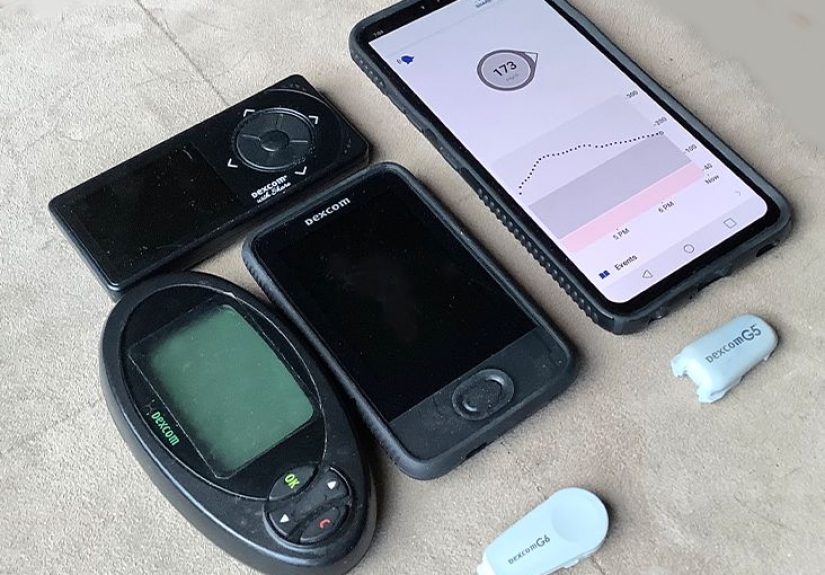
Dexcom’s newer generation sensors lean into what users have been begging for: less bulk, fewer parts, and faster start-up. The Dexcom G7 shrank the form factor dramatically, moved to an all-in-one design (sensor + transmitter together), and shortened warmup time so you’re not stuck staring at “warming up” while your lunch makes questionable decisions.
2) Longer wear time is a bigger deal than it sounds
It’s not just convenience. Fewer sensor changes can mean fewer interruptions, fewer “oops I forgot to reorder,” and fewer moments where you’re temporarily flying blind. Dexcom’s G7 15 Day system pushed wear duration further (including a grace period), making it easier to keep continuous coveragebecause the best CGM data is the data you actually have.
3) Accuracy that supports real decisions
Accuracy isn’t a nerdy spreadsheet metricit’s trust. If the sensor is consistently reliable, users are more likely to respond to alerts, adjust insulin confidently, and avoid overtreating highs or lows. Dexcom has published performance claims and supported them through regulatory clearances and peer-reviewed research, helping clinicians and users feel comfortable using CGM for day-to-day decision-making.
The Ecosystem Effect: Dexcom Isn’t Just a SensorIt’s a Platform
This is where Dexcom gets extra spicy (in a good way). Dexcom CGM is not only about reading glucoseit’s about using glucose information across a connected system.
Real-time sharing: your “support squad” can see what you see
Dexcom’s sharing features let users send glucose data to trusted followers (parents, partners, caregivers, roommates who know where the snacks are). For many families, especially with kids or older adults, remote monitoring can reduce anxiety and improve safetywithout constant “Are you okay?” texts every 12 minutes.
Clinician-friendly reporting: less chaos, more patterns
Glucose data is only useful if you can interpret it. Dexcom’s reporting tools help summarize patterns like time-in-range, overnight lows, post-meal spikes, and variability. That means conversations with clinicians can move from “So… how’s it been?” to “Your mornings trend highlet’s adjust X.”
Automated insulin delivery: the “closed-loop-ish” future is already here
One of the biggest reasons Dexcom is hot is its role in automated insulin delivery (AID) systemswhere CGM data helps guide insulin dosing via compatible pumps and algorithms. This is the difference between manually steering every minute and letting a smart system handle more of the routine adjustments.
For people using compatible AID setups, CGM data can help smooth out highs and reduce lows, especially overnight. It’s not magic. You still need judgment, setup, and follow-through. But it’s closer to “assisted driving” than “hand-crank your glucose control while riding a unicycle.”
Apple Watch “Direct to Watch”: fewer pockets, more freedom
Dexcom has also leaned into convenience features like watch connectivity, including options that reduce dependence on keeping a phone glued to your hand. For some users, that’s not a luxuryit’s normal life. Think: kids at school, runners without pockets, nurses on shift, or anyone tired of playing “Where did I put my phone?” while also managing a chronic condition.
Access and Coverage: The Quiet Reason Dexcom Is Everywhere
Innovation matters, but access is what turns innovation into everyday reality. In the U.S., CGM has become more widely covered over the last few yearsespecially for people on insulin or those with problematic hypoglycemia. Broader coverage means more people can get CGM through insurance rather than paying full price out of pocket.
Medicare and policy updates changed the game
When coverage criteria expand, adoption expands. That means more older adults, more people with type 2 diabetes on insulin, and more individuals at risk of severe lows can benefit from real-time monitoring and alerts. The result: CGM moves from “premium gadget” to “standard-of-care level tool.”
Evidence: Why Clinicians Keep Recommending CGM
Dexcom’s popularity isn’t just hypeit’s also backed by a growing body of evidence that CGM can improve outcomes for many people with diabetes. Depending on the population and how CGM is used, studies have shown improvements in A1C, time-in-range, and reduced hypoglycemia. That matters because long-term glucose control is tied to risk of complications, while hypoglycemia risk affects safety right now.
CGM in type 2 diabetes: not just for “pump people” anymore
One well-known randomized clinical trial in adults with type 2 diabetes on basal insulin showed greater A1C reduction in the CGM group compared with standard blood glucose monitoring. That’s a big signal: CGM can help beyond type 1 diabetes and beyond intensive insulin regimens, especially when people use the data consistently and get support interpreting it.
The “behavior feedback loop” is powerful
CGM turns vague advice (“eat better,” “exercise more,” “avoid spikes”) into immediate feedback. You learn what your breakfast does, what a 12-minute walk does, what stress does, what sleep does, what “just one cookie” does (spoiler: cookies rarely travel alone).
OTC CGM and the Metabolic Health Wave
Now let’s talk about the plot twist: CGM is no longer only about diabetes management in the clinic. The U.S. has seen the rise of broader “metabolic health” interestpeople curious about glucose responses to food, exercise, and lifestyle. Dexcom stepped into that trend with an over-the-counter option cleared by the FDA for certain adults who aren’t using insulin.
Why this matters
- Lower barrier to entry: No prescription for eligible users means more people can access glucose insights.
- Earlier awareness: People with type 2 diabetes not using insulin may still benefit from understanding glucose patterns.
- More normalization: As CGM becomes more common, stigma drops and education rises.
Important note: CGM is informative, but it’s not a toy. It can create anxiety if people obsess over every wiggle. Glucose naturally fluctuates. The goal is understanding and safer decision-makingnot turning every meal into a moral referendum.
So… Why Is Dexcom CGM “Hot” Right Now?
Put it all together and Dexcom checks a rare number of boxes at once:
- Better day-to-day safety: alerts for highs and lows, plus trends.
- More actionable data: time-in-range, patterns, reports, and context.
- Tech that blends into life: smaller sensors, faster warmups, longer wear options, watch connectivity.
- Compatibility with modern diabetes tech: integration with automated insulin delivery ecosystems.
- Growing access: insurance and Medicare coverage changes that expand eligibility.
- Mainstream momentum: OTC CGM and broader consumer interest in glucose insights.
What to Watch Out For (Because Real Talk)
No device is perfect, and CGM isn’t a replacement for clinical judgment. A few practical realities:
- CGM measures interstitial fluid glucose, which can lag behind blood glucose during rapid changes (like intense exercise or treating a low).
- Compression lows can happen if you sleep on the sensor and it temporarily reads lower than reality.
- Confirm when symptoms don’t matchif you feel low but the CGM says you’re fine (or vice versa), follow clinical guidance and use a fingerstick meter when appropriate.
- Data overload is realit helps to focus on trends and time-in-range rather than chasing perfection.
This article is for informational purposes only and isn’t medical advice. If you’re adjusting medication or insulin, work with a qualified healthcare professional.
Real-World Experiences: Why Dexcom Diabetes CGM Technology Is So Hot (The Human Edition)
Let’s get out of brochure-land for a minute. The real “heat” around Dexcom CGM isn’t just specsit’s the lived experience of not feeling blindsided by your own body. People often describe a weird mental shift that happens once CGM becomes routine: diabetes stops feeling like a pop quiz and starts feeling more like an open-book test.
Experience #1: The “I didn’t know that food did that” moment. A lot of users report their first week with CGM is basically a reality show. You eat what you always eat, then watch your glucose do something you didn’t expect. Maybe your “healthy” smoothie spikes you like it’s auditioning for a rocket launch. Maybe pizza takes its sweet time and hits you later like a surprise sequel. Dexcom’s trend arrows and graphs turn those mysteries into patterns you can actually plan around.
Experience #2: The 2 a.m. peace-of-mind upgrade. Nighttime is when many people (and caregivers) worry most about hypoglycemia. CGM alerts can act like a smoke detector for lowssomething you hope never screams, but you’re grateful it exists. Parents of kids with diabetes often talk about sleeping better because they can monitor remotely. Partners sometimes become accidental glucose DJs: “Babe, your graph is droppingdo we need juice?” It’s not romantic in a movie way, but it’s very romantic in a “I want you safe” way.
Experience #3: Freedom during workouts. Exercise can send glucose up, down, sideways, or into a philosophical crisis depending on the type, intensity, timing, and your insulin on board. Many active users like being able to glance at a phone or watch and see trends mid-workout. It’s not about perfectionit’s about avoiding the classic dilemma: “Do I push through or am I about to bonk?”
Experience #4: The confidence to make small, smart tweaks. The biggest day-to-day win people mention is making smaller corrections earlier. Instead of waiting until you’re way out of range, CGM lets you nudge soonermaybe a short walk after a meal, a snack before a drop, or a conversation with your clinician about dose timing. Over time, those small adjustments can add up to better time-in-range and fewer extreme swings.
Experience #5: The emotional sideless guilt, more information. Diabetes comes with a lot of “shoulds.” CGM can help reframe the narrative from “I failed” to “I learned.” The graph isn’t judging you. It’s reporting. When you treat the data as feedback instead of a grade, it becomes empowering. And honestly, that mindset shift might be the most underrated feature of all.
Conclusion
Dexcom CGM technology is “hot” because it solves real problems in a real-world way: safer awareness, better decisions, easier routines, and smoother integration with modern diabetes carefrom sharing features to automated insulin delivery to watch connectivity and expanding access. It’s not just a device. It’s a daily support system you wear.
If you’re considering CGM, talk with your healthcare team about what’s appropriate for your situation, coverage options, and how to use the data without getting overwhelmed. The goal isn’t to become a glucose micromanager. The goal is to live your lifewith better information and fewer surprises.







 Close
Close