
Table of Contents >> Show >> Hide
You glance in the mirror and suddenly your pupils look like they are auditioning for a sci-fi movie. Before you panic, take a breath. Dilated pupils are not always a medical emergency. Pupils naturally get larger in dim lighting, during strong emotions, and sometimes after a routine eye exam. Still, when pupil dilation appears suddenly, lasts longer than expected, affects only one eye, or comes with other symptoms, it deserves attention.
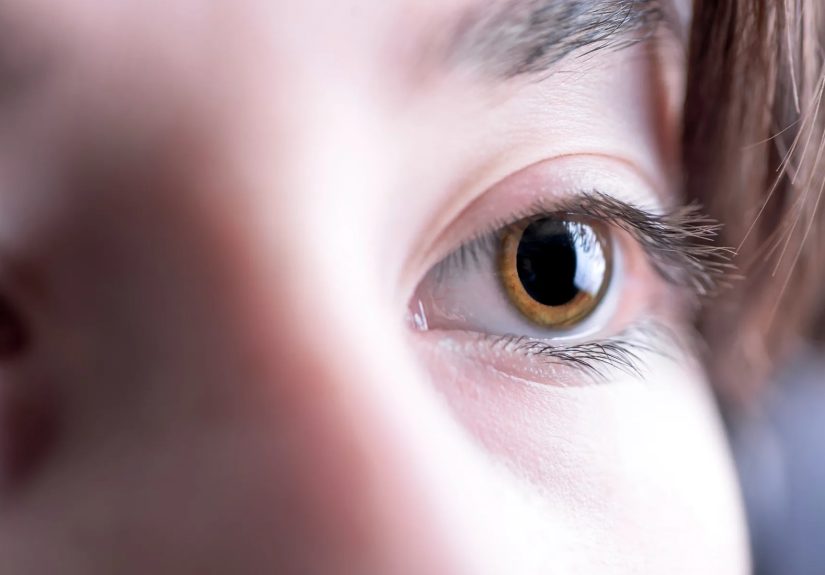
Dilated pupils, medically called mydriasis, happen when the black center of the eye becomes larger than usual. Your pupil is not actually a black dot painted onto the eye like a cartoon button. It is an opening controlled by tiny muscles in the iris, the colored part of the eye. These muscles adjust pupil size so the right amount of light enters your eye. In bright sunlight, pupils usually shrink. In a dark room, they widen. In other words, your pupils are basically the camera aperture of your face, only less expensive and far more dramatic.
This guide explains the most common causes of dilated pupils, when mydriasis is harmless, when it may signal a medical problem, and what an eye doctor or healthcare provider may do to evaluate it.
What Is Mydriasis?
Mydriasis means pupil dilation. A normal pupil size can vary from person to person and depends heavily on lighting. In bright light, pupils are typically smaller. In dim light, they enlarge to let more light into the eye. That is normal and useful, especially when you are trying to find your phone charger in a dark bedroom without stepping on something pointy.
Mydriasis becomes more concerning when the pupil stays large even in bright light, reacts poorly to light, appears much larger than the other pupil, or develops along with symptoms such as blurred vision, eye pain, headache, dizziness, confusion, drooping eyelid, double vision, nausea, or weakness.
Common Symptoms That May Come With Dilated Pupils
Dilated pupils may appear alone, or they may come with other signs. Some people notice light sensitivity, especially after eye dilation drops. Others experience blurry near vision, trouble reading, glare, or a strange “everything is too bright” feeling. When the cause is medication-related, symptoms may fade as the medicine wears off. When the cause is injury, nerve involvement, or eye disease, symptoms may be more persistent.
Pay close attention to whether both pupils are equally enlarged or only one pupil is larger. Unequal pupil size is called anisocoria. Mild, long-standing anisocoria can be harmless in some people, but a new or sudden difference in pupil size should be checked, especially after trauma or with neurological symptoms.
5 Causes of Dilated Pupils
1. Low Light, Strong Emotions, and Natural Body Responses
The most ordinary cause of dilated pupils is lighting. When the environment is dark, your pupils widen to help you see. This is why your eyes may look different in a dim restaurant than they do under a bathroom light bright enough to interrogate a sandwich.
Emotions can also affect pupil size. Stress, fear, excitement, attraction, and adrenaline can stimulate the nervous system and cause temporary dilation. This happens automatically; you cannot simply command your pupils to be chill. Once the emotional trigger passes or lighting changes, the pupils usually return to their usual size.
Natural dilation is usually harmless when both pupils respond normally to light, vision is normal, and there are no alarming symptoms. If your pupils dilate after walking into a dark movie theater, that is your biology doing its job, not your eyeballs plotting a rebellion.
2. Eye Exam Drops and Certain Medications
One of the most common and harmless reasons for enlarged pupils is a dilated eye exam. Eye doctors use special drops to widen the pupils so they can examine the retina, optic nerve, and other structures inside the eye. This helps detect conditions such as glaucoma, diabetic eye disease, retinal problems, and age-related macular degeneration.
After dilation drops, your vision may be blurry and your eyes may be sensitive to light for several hours. Some people recover quickly; others feel like they have accidentally upgraded the sun to high-definition mode. Sunglasses help, and it is wise to avoid driving until your vision feels safe and clear.
Beyond eye exam drops, certain medicines can also cause pupil dilation. These may include some antihistamines, decongestants, motion sickness patches, antidepressants, anti-nausea medicines, muscle relaxants, and medications with anticholinergic effects. Some medications influence the muscles that constrict or widen the pupil. Others affect brain chemicals or the autonomic nervous system, which helps control automatic body functions.
Do not stop a prescribed medication on your own just because your pupils look larger. Instead, call your doctor or pharmacist and explain what you are seeing, when it started, and whether you have other symptoms. If dilated pupils occur with agitation, fever, confusion, fast heart rate, muscle stiffness, severe sweating, or diarrhea after a new medication or dose increase, seek medical care promptly because this can sometimes point to a serious drug reaction.
3. Substance Exposure or Toxic Reactions
Some substances can enlarge the pupils by stimulating the nervous system or changing how the pupil muscles react. Stimulants and hallucinogenic substances are commonly associated with dilated pupils, while other substances may do the opposite and make pupils unusually small. Because pupil size alone is not a reliable way to identify substance exposure, doctors look at the whole picture: behavior, vital signs, sweating, temperature, alertness, eye movement, and other symptoms.
The practical takeaway is simple: dilated pupils do not automatically mean substance use, and assuming that can lead to awkward conversations and terrible detective work. However, if someone has dilated pupils along with confusion, chest pain, severe agitation, fainting, overheating, seizure, or trouble breathing, treat it as urgent.
Accidental exposure can also happen. For example, certain plant chemicals, aerosolized medications, or residue from medicated patches can reach the eye and cause one pupil to dilate. This kind of pharmacologic mydriasis may affect one eye more than the other and may not respond normally to light until the substance wears off.
4. Eye Injury, Eye Surgery, or Eye Conditions
Trauma to the eye can damage the iris muscles that control pupil size. A hit to the eye, a scratch, chemical exposure, or complications after eye surgery may cause the pupil to look larger, irregularly shaped, or less responsive to light. In these cases, the pupil may not simply be “wide”; it may look distorted or uneven, like it lost the instruction manual.
Eye conditions can also influence pupil size. Acute angle-closure glaucoma, for example, can cause a mid-dilated pupil along with severe eye pain, blurry vision, halos around lights, headache, nausea, or vomiting. This is an emergency because eye pressure can rise quickly and threaten vision.
Another condition linked with a large pupil is Adie tonic pupil. This usually affects one eye and causes a pupil that reacts poorly to light but may respond better when focusing on a near object. It is often benign, but it should still be diagnosed by an eye care professional because other causes must be ruled out.
If your pupil changed after an eye injury, do not wait to “see if it gets bored and fixes itself.” Eye trauma needs professional evaluation, especially if there is pain, redness, vision change, bleeding, light sensitivity, or an oddly shaped pupil.
5. Brain Injury, Nerve Problems, Migraine, or Serious Neurological Causes
The pupils are connected to the nervous system, so changes in pupil size can sometimes reflect what is happening in the brain or nerves. This is why medical professionals often check pupils after head injuries. A dilated pupil that reacts poorly to light, especially if it affects one side, may point to pressure on a nerve or other neurological problem.
One important concern is a third cranial nerve problem. The third cranial nerve helps control several eye muscles and also affects the pupil. When this nerve is compressed or damaged, symptoms may include a dilated pupil, drooping eyelid, double vision, eye movement problems, or an eye that seems to drift “down and out.” In rare but serious cases, this can be related to an aneurysm or brain swelling.
Head trauma, bleeding inside the skull, stroke, infection around the brain, tumors, and increased intracranial pressure can also cause pupil changes. Migraine can sometimes be associated with temporary pupil differences, but a new pupil change should not be casually blamed on migraine without medical guidance.
Seek emergency care immediately if dilated pupils appear after a head injury or occur with severe headache, confusion, fainting, weakness on one side of the body, seizure, trouble speaking, sudden vision loss, double vision, severe dizziness, or a drooping eyelid. This is the part where the article stops being cute and tells you to take symptoms seriously.
When Should You Worry About Dilated Pupils?
Dilated pupils are usually less concerning when they happen in both eyes, follow dim lighting or a known eye exam, and fade as expected. They become more concerning when the change is sudden, unexplained, persistent, or one-sided.
Call a healthcare provider or eye doctor if your pupils stay dilated longer than expected after an eye exam, you develop new light sensitivity or blurred vision, you recently started a medication, or one pupil looks consistently larger than the other.
Go to urgent care or the emergency room if dilation comes with severe headache, eye pain, nausea, vomiting, confusion, weakness, facial drooping, double vision, loss of vision, a recent head injury, or a pupil that does not react to light. These symptoms can suggest conditions that need fast treatment.
How Doctors Evaluate Dilated Pupils
Evaluation usually starts with a history. A doctor may ask when the dilation began, whether it affects one or both eyes, whether you used eye drops, whether you started any new medication, and whether there was trauma. They may also ask about headaches, vision changes, pain, dizziness, or neurological symptoms.
An eye exam may include checking visual acuity, eye pressure, pupil reaction to light, eye movement, eyelid position, and the shape of the pupil. In some cases, special drops may be used to help distinguish pharmacologic dilation from nerve-related causes. If a serious neurological cause is suspected, imaging such as CT, MRI, CTA, or MRA may be needed.
Treatment depends on the cause. Eye exam dilation usually only requires time, sunglasses, and patience. Medication-related dilation may require adjusting a drug under medical supervision. Eye injury, glaucoma, infection, or nerve problems require targeted treatment. The pupil is a clue; the real job is finding out what it is pointing toward.
Can You Prevent Dilated Pupils?
You cannot prevent normal pupil changes, and you would not want to. Your pupils help you adapt to light and focus. However, you can reduce avoidable problems by wearing protective eyewear during sports, yard work, and DIY projects; using medications only as directed; washing hands after handling medicated patches or eye drops; and keeping routine eye exams.
If you are scheduled for a dilated eye exam, bring sunglasses and plan for blurry near vision afterward. If you have never been dilated before, consider arranging a ride, especially if you are sensitive to light or unsure how you will respond.
Everyday Experiences: What Dilated Pupils Can Feel Like in Real Life
Many people first notice dilated pupils in ordinary, slightly ridiculous moments. One person may leave an eye appointment, step outside, and feel as if the sidewalk has become a white-hot movie set. The doctor warned them about light sensitivity, but the warning sounded theoretical until the parking lot looked like it was sponsored by a flashlight company. This experience is common after dilation drops. The eyes are letting in more light than usual, so sunglasses become less of a fashion statement and more of a survival tool.
Another common scenario happens at home. Someone checks the mirror after watching a suspenseful movie in a dark room and notices huge pupils. They may wonder if something is wrong, but the cause may simply be darkness plus adrenaline. The pupils widen to help the eyes capture more light, and stress can add an extra nudge. Once the person turns on brighter lights and relaxes, the pupils usually shrink again. The key detail is whether both pupils behave similarly and whether there are symptoms.
Medication-related experiences can be more confusing. Imagine starting a new allergy medicine or using a motion sickness patch, then noticing blurry vision and larger pupils. Because the eyes are not usually mentioned in casual conversations about side effects, the discovery can feel surprising. This is why it helps to read medication labels and ask a pharmacist about new symptoms. The goal is not to panic or self-diagnose; the goal is to connect the dots responsibly.
People with migraines may also report strange visual experiences, including light sensitivity and occasional pupil differences. Still, a new one-sided dilated pupil should not be brushed off as “just migraine,” especially if the headache is different from usual, unusually severe, or comes with weakness, confusion, double vision, or drooping eyelid. Your body may sometimes be dramatic, but it is still worth listening when it changes the script.
Eye injury stories often sound minor at first: a child’s finger pokes an eye, a branch snaps back during yard work, or a small object hits the face during sports. Later, the pupil looks bigger or irregular. Even when pain is mild, the iris or internal eye structures may be affected. Protective eyewear may not win a style award, but neither does explaining to an eye doctor that you lost a fight with a bungee cord.
The most important lived experience is uncertainty. Dilated pupils can be harmless, annoying, medication-related, or rarely a sign of something serious. The smartest approach is to observe the context: lighting, timing, medications, eye drops, injuries, and symptoms. If the reason is obvious and symptoms are mild, it may simply need time. If the change is sudden, one-sided, painful, or paired with neurological symptoms, do not wait. Pupils may be small parts of the eye, but they can send big messages.
Conclusion
Dilated pupils, or mydriasis, can happen for many reasons. The most common causes include normal light and emotional responses, eye exam drops, medications, substance exposure, eye injury, and neurological conditions. Most cases are temporary, especially after a routine eye exam or in dim lighting. However, sudden or unexplained pupil dilation should be taken seriously when it affects only one eye, follows an injury, causes eye pain, or appears with symptoms such as severe headache, confusion, double vision, weakness, or vision loss.
Your pupils are tiny, but they are excellent reporters. They react to light, emotion, medication, injury, and nerve signals. When they change in a way that does not make sense, do not rely on mirror-based detective work alone. An eye doctor or healthcare provider can help determine whether your dilated pupils are harmless, medication-related, eye-related, or something that needs urgent care.
Note: This article is for educational purposes only and does not replace professional medical advice, diagnosis, or treatment. If pupil dilation is sudden, one-sided, painful, or connected to head injury or neurological symptoms, seek urgent medical care.







 Close
Close