
Table of Contents >> Show >> Hide
- First: Decide What “Old Stuff” You’re Dealing With
- Option 1: Donate It (The “Do Good, Feel Good, Clear Space” Route)
- Option 2: Sell It (Turn “Old Stuff” Into New Money)
- Option 3: Give It Away (Because Free Is Everyone’s Favorite Price)
- Option 4: Recycle It (Especially Electronics, Batteries, and Paint)
- Option 5: Use Special Drop-Off Programs for Regulated Items
- Option 6: Bulk Pickup or Junk Removal (When It’s Big, Heavy, or Broken)
- How to Prep Items So They Actually Leave Your House
- Quick “Where Should This Go?” Cheat Sheet
- Conclusion: The Best Place to Get Rid of Old Stuff Is the Place That Fits the Item
- Field Notes: What It’s Actually Like Getting Rid of Your Old Stuff (About )
You know that chair. The one you’re “totally going to fix” that’s been living in the corner like a small, disappointed landlord. Or the drawer of mystery chargers that could power a spaceship… if only any of them matched a device you still own. If you’re searching for where to get rid of old stuff without turning your garage into a long-term storage facility (again), you’re in the right place.
This guide is built from real-world policies and programs used across the United Statesthink donation giants (Goodwill, Salvation Army), home-improvement heroes (Habitat ReStore), electronics retailers (Best Buy), environmental directories (Earth911), and official safety guidance (EPA, FDA, DEA), plus specialty programs for paint, batteries, and more. Translation: practical options that actually exist, not “put it in a magical upcycling fairy box and manifest a clutter-free life.”
First: Decide What “Old Stuff” You’re Dealing With
The fastest way to declutter is to match each item to its best exit door. Use this simple sorting logic:
- Still useful + clean + safe → Donate or gift
- Still useful + desirable → Sell (online or local)
- Not useful, but recyclable → Recycle (especially electronics, batteries, paint)
- Hazardous or regulated → Special drop-off (meds, chemicals, certain batteries)
- Huge, broken, or “why do I own this?” → Bulk pickup or junk removal
Option 1: Donate It (The “Do Good, Feel Good, Clear Space” Route)
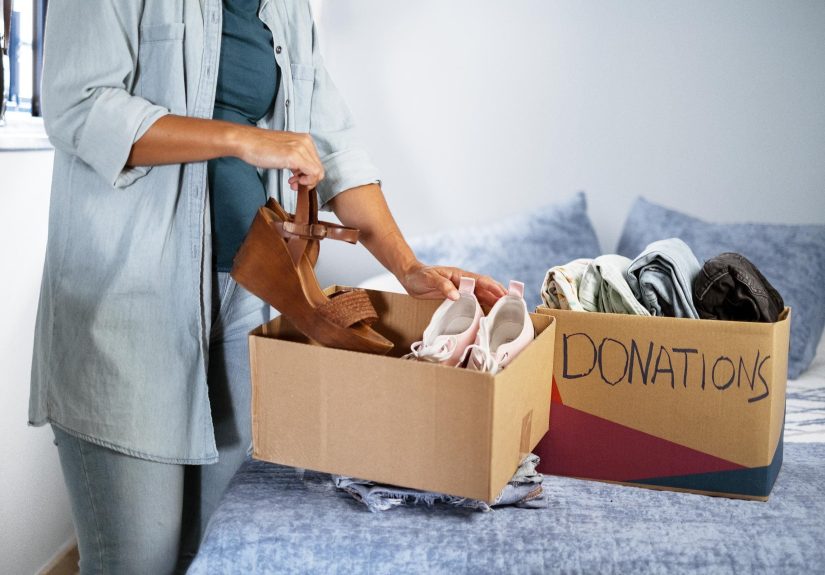
Donating is often the quickest way to get rid of clutter while helping someone else. The key is donating responsibly: if it’s dirty, broken, unsafe, missing parts, or smells like it survived three cats and a flood, donation centers may have to trash it which costs them money.
Goodwill: Great for Everyday Household Donations
Goodwill locations commonly accept clothing, shoes, books, housewares, small appliances, and many other household itemsgenerally clean and in usable condition. Some regions also accept electronics, but rules vary by location, so check your local donor guidelines before loading your trunk.
Pro tip: If you’re unsure whether your item is acceptable, search your local Goodwill’s donation guidelines. Many Goodwill regions publish “yes/no” lists (and those lists are oddly specific for a reason).
The Salvation Army: Similar to Goodwill, With Clear “No Thanks” Categories
Salvation Army donation centers often take clothing, household goods, and furniture that’s in good condition. They also publish detailed “we can’t accept” listscommonly including certain old TVs, damaged appliances, chemicals, and some baby items due to safety and liability concerns.
Habitat for Humanity ReStore: Best for Furniture, Appliances, and Building Materials
If your “old stuff” is more like “renovation leftovers” or “furniture that still has hope,” Habitat ReStores are a powerhouse option. They accept many new or gently used home goodsfurniture, appliances, cabinets, lighting, hardware, and building materialsthen resell them to fund Habitat’s housing work.
This is one of the best answers to where to donate used items when those items are home-improvement adjacent. Many ReStores also offer pickup for larger items (availability varies), which is basically the decluttering equivalent of having your future self high-five you.
Special Donation Targets (The “Right Item, Right Place” Strategy)
- Linens & towels: Some animal shelters accept clean towels/blankets. Call first.
- Books: Libraries, schools, and literacy nonprofits. Better World Books works with donation partners and programs in many areas.
- Professional clothing: Local workforce nonprofits may accept interview-ready attire (requirements vary).
- Tools & supplies: Community workshops, maker spaces, and school programs may welcome usable tools.
Option 2: Sell It (Turn “Old Stuff” Into New Money)
If you’ve got items with resale value, selling can be worth the effortespecially for furniture, electronics, and name-brand clothing. The trick is choosing the platform that matches your patience level.
Fast Local Sales: Facebook Marketplace, OfferUp, and Craigslist
For bulky items (couches, dressers, bikes), local marketplaces are your best friend because shipping a coffee table is a hobby reserved for people who enjoy cardboard engineering. Use clear photos, honest descriptions, and set pickup rules:
- Meet in a safe public place for small items (many police stations offer “safe exchange zones”).
- For porch pickup, use contactless payment and don’t advertise that you’re leaving for a week.
- Price slightly higher than your “yes” number so you can negotiate without emotional damage.
Nationwide Selling: eBay (Stuff), Poshmark (Closets), Specialty Sites (Luxury)
For shippable items, eBay is a classic for collectibles, gadgets, and niche items. For clothing and accessories, platforms like Poshmark make listing simplephotos, description, ship when it sells.
If you’re staring at designer pieces and thinking, “This deserves an adultier adult than me,” consignment and luxury-focused platforms can handle authentication and higher-end buyersoften with higher fees, but less chaos.
Low-Effort Clothing Resale: ThredUp Clean Out
Want to avoid photographing 43 shirts and writing “worn once, loved deeply” 43 times? Services like ThredUp let you send in clothing for them to sort, list, and sell. Your payout depends on what sells and the brand/condition, but your effort level is dramatically lower.
Trade-In Programs for Tech: Apple and Amazon
For devices, trade-in programs can be the sweet spot between “I want money” and “I don’t want to deal with strangers.” Apple offers trade-in or free recycling for Apple devices, and Amazon’s trade-in program covers eligible devices and electronics for gift cards (with refurbish-or-recycle handling).
Option 3: Give It Away (Because Free Is Everyone’s Favorite Price)
If selling feels like a part-time job and donating feels like a scavenger hunt, gifting is the low-friction middle ground. This is also one of the best ways to get rid of old furniture quicklysomeone will adopt that bookshelf like it’s a rescue puppy.
Buy Nothing: Hyper-Local Gifting
Buy Nothing groups are neighborhood-based gifting communities where people give and receive items for free. It’s fast, local, and surprisingly heartwarming. Also, it’s the only place where someone will be genuinely excited about your extra mason jars.
Freecycle: Grassroots “Keep It Out of Landfills” Sharing
Freecycle is built around giving and getting items for free in local communities. Great for the random-but-useful category: moving boxes, gardening pots, spare chairs, and that bread maker you used exactly once.
Option 4: Recycle It (Especially Electronics, Batteries, and Paint)
Recycling is where a lot of decluttering plans go to diemainly because nobody wants to google “how to recycle a half-broken printer at 10:47 p.m.” Let’s make it easy.
Use Earth911 to Find Local Recycling Drop-Offs
Earth911 maintains a large recycling search directory where you can type in a material (like “laptop,” “paint,” or “batteries”) and your ZIP code to find nearby drop-off options. If you’re ever stuck wondering where to recycle old electronics, this directory is a solid first stop.
Best Buy Recycling: Convenient for Electronics (Rules Vary by State)
Best Buy stores offer electronics recycling for many categories, including TVs, computers, and other techoften with daily item limits and state-specific restrictions. Some locations may charge fees for certain items (commonly TVs/monitors in some states), so check the details for your ZIP code before you haul in your entire “museum of obsolete screens.”
Batteries: Do Not Toss the Spicy Ones in the Trash
Rechargeable lithium-ion batteries can be a fire risk if damaged or improperly discarded. Federal guidance commonly recommends using dedicated drop-off locations or household hazardous waste programs for many battery typesespecially rechargeable and lithium varieties.
- Call2Recycle drop-offs are commonly available through participating retailers and sites.
- Home improvement stores often host collection boxes for certain rechargeable batteries.
- When in doubt: Use Earth911 or your county’s waste services page.
Leftover Paint: PaintCare Is the MVP in Many States
Old paint is a classic “I’ll deal with it later” item. PaintCare operates paint stewardship programs in multiple states and provides a drop-off site locator for leftover paint recycling. Many participating sites accept limited quantities per visit, and rules can vary by product type and location.
Option 5: Use Special Drop-Off Programs for Regulated Items
Unused or Expired Medications: Use Take-Back Programs
The safest and most recommended option for disposing of many medications is a drug take-back program. The DEA runs National Prescription Drug Take Back Day events and also lists year-round authorized collector locations. The FDA also publishes guidance for disposal when take-back isn’t available (including when certain medicines are on “flush lists” due to safety concerns).
Documents You Shouldn’t Just “Rip Up a Little”
For sensitive paper (old tax returns, medical statements, anything with account numbers), shredding services at places like The UPS Store and FedEx Office can be an easy solution. Community shredding events also pop up in many areas.
Option 6: Bulk Pickup or Junk Removal (When It’s Big, Heavy, or Broken)
Sometimes the right answer to where to get rid of old stuff is: “Call in the cavalry.” If you’re dealing with bulky furniture, remodel debris, or a garage purge that got… emotionally intense… you have two common paths:
- Municipal bulk pickup: Many cities/counties offer scheduled bulky-item pickup or drop-off days.
- Junk removal services: They haul it away; some prioritize donation and recycling where possible, depending on item type and local facilities.
Money-saving move: Separate donations and recyclables before the truck arrives. The more you pre-sort, the less likely good items get treated like landfill snacks.
How to Prep Items So They Actually Leave Your House
Clean It (Not “Museum Quality,” Just “Not Gross”)
Wipe down surfaces, wash textiles, and toss obvious trash. Donation centers and buyers aren’t looking for perfectionjust usable condition.
Make It Complete
Put hardware in a bag taped to the item. Gather cords and remotes. If something needs a special part to function, label it honestly.
Protect Your Data
For phones, tablets, and computers: back up what you need, sign out of accounts, and factory reset. Remove storage devices when appropriate. “My old laptop still had my taxes on it” is not the kind of plot twist anyone wants.
Quick “Where Should This Go?” Cheat Sheet
- Clothes in good shape: Donate (Goodwill/Salvation Army) or sell (Poshmark/ThredUp)
- Clothes in poor shape: Textile recycling (USAgain bins or local textile programs)
- Furniture in good shape: Sell local or donate (ReStore, some thrift programs)
- Electronics: Recycle (Best Buy) or use directories (Earth911), or trade in (Apple/Amazon)
- Batteries: Dedicated drop-offs (Call2Recycle partners, participating retailers)
- Paint: PaintCare drop-off sites (where available)
- Medications: DEA take-back events or authorized collectors; follow FDA guidance if no take-back
- Documents: Shredding services or community shred events
Conclusion: The Best Place to Get Rid of Old Stuff Is the Place That Fits the Item
Decluttering isn’t about finding one perfect placeit’s about using the right channel for the right pile. Donate usable goods, sell what’s valuable, gift what’s still helpful, recycle what’s recyclable, and treat hazardous items like the tiny legal liabilities they are. Most importantly: get it out of your home in a way that doesn’t create problems for someone else.
Field Notes: What It’s Actually Like Getting Rid of Your Old Stuff (About )
Here’s the part nobody tells you: the hardest step isn’t deciding where to get rid of old stuffit’s deciding that you’re emotionally ready to watch your old stuff leave and thrive without you. A surprising number of people discover that their “clutter” is actually a museum of former selves. The bread maker represents the month you were going to become a homemade-sourdough person. The treadmill is your “fitness era,” which lasted exactly as long as the free trial.
In real households, the smoothest decluttering wins usually come from picking one lane per category. Clothing? Choose either “sell the good brands” or “donate everything” for that round. When people try to sell every single shirt, they end up living in a laundry pile while negotiating over $4. A common, workable compromise is a two-tier approach: pull out the genuinely high-value items for resale (name brands, unworn shoes, special occasion pieces), and donate the rest the same day. If you can’t do “the same day,” put it in your calendar like an appointment. Your future self needs structure.
Furniture is where expectations go to learn humility. People list a well-used couch for $300 because it was $1,200 new… and then realize buyers do not pay retail for “lightly seasoned.” The fastest furniture exits usually happen when the listing is honest, the photos are bright, and the price leaves room for a little negotiation. The phrase “must pick up” saves you from accidentally becoming a free delivery service with lower-back issues. If you want it gone quickly, dropping the price by 10–20% often works better than rewriting the description into a love letter.
Electronics have their own drama: cords, accounts, passwords, and that one device you’re afraid to factory reset because “what if I lose the photos from 2017?” People who have the best experience usually do two things: (1) back up first, and (2) treat wiping data as non-negotiable. After that, recycling or trade-in feels oddly satisfyinglike closing tabs you didn’t know were open.
The biggest “aha” moment tends to come with the free-gifting options (Buy Nothing, Freecycle). Folks expect it to be messy, but often it’s the opposite: neighbors are thrilled, pickups are quick, and you get the bonus dopamine of knowing your stuff didn’t go to a landfill. The most successful givers keep pickups simpleporch pickup when possible, clear time windows, and one message thread per item so it doesn’t turn into a customer service queue.
Finally, the underrated secret: momentum beats perfection. A single trunk-load donation trip can create enough spaceand reliefthat you’ll want to keep going. Start with an easy win, laugh at the absurd items you’ve been storing (why do you own three ladles?), and keep moving. Your home isn’t a storage unit, and you don’t have to earn the right to have breathable closets.






 Close
Close