
Table of Contents >> Show >> Hide
- What Is the Little White Thing in an Egg?
- Is the Chalaza Safe to Eat?
- Does the White String Mean the Egg Is Fresh?
- What the Chalaza Is Not
- Why Do Some Eggs Have a Bigger White Thing Than Others?
- Should You Remove the Chalaza Before Cooking?
- How the Chalaza Affects Cooking and Baking
- Egg Safety Tips Every Home Cook Should Know
- Common Questions About the White Thing in Eggs
- Real Kitchen Experiences With the Little White Thing in an Egg
- Conclusion: The Little White Thing Is Your Egg’s Yolk Anchor
Crack an egg into a bowl and there it is: a tiny white string clinging to the yolk like it has signed a long-term lease. It looks mysterious, slightly dramatic, and not exactly invited to breakfast. Many home cooks have paused mid-scramble and wondered, “Is this normal, or did my omelet just develop a plot twist?”
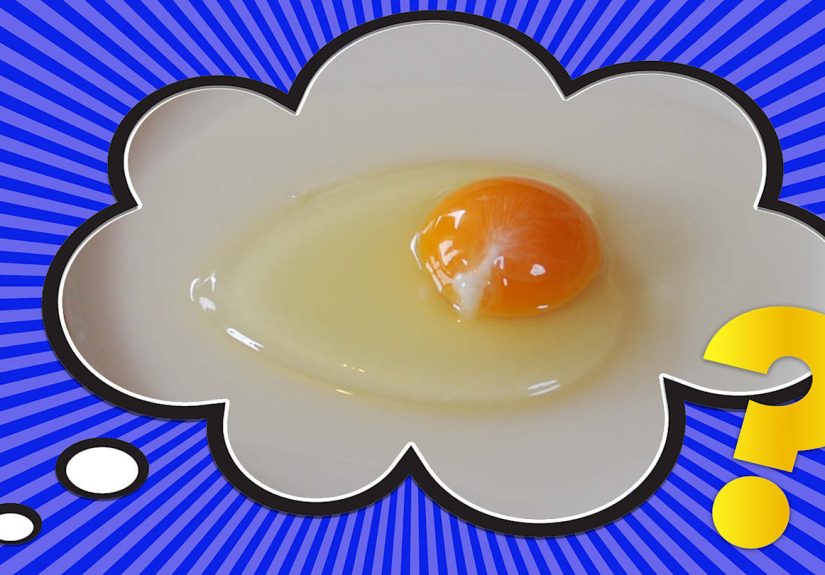
Good news: that little white thing in an egg is completely normal. It is called the chalaza, pronounced kuh-LAY-zuh. If you see two of them, the plural is chalazae. They are natural strands of egg white protein that help hold the yolk in place inside the shell. In other words, the chalaza is not a defect, not a worm, not an embryo, and not a reason to panic-text your entire family group chat.
In fact, a visible chalaza is often a sign that the egg is fresh. So instead of treating it like a suspicious kitchen intruder, think of it as the egg’s built-in seat belt for the yolk. Not glamorous, perhaps, but very useful.
What Is the Little White Thing in an Egg?
The little white stringy thing in an egg is the chalaza. It is part of the egg’s internal structure and is made mostly from egg white protein, also called albumen. A typical egg has two chalazae, one on each side of the yolk. These twisted, rope-like strands connect the yolk to the inner membrane of the egg and help keep it suspended in the center.
Without the chalazae, the yolk could drift around inside the shell and press against the sides. That might not matter much once the egg is in your frying pan, but inside the shell, yolk position is important. The egg is a carefully designed little package: shell on the outside, membranes beneath it, egg white around the yolk, and the yolk held in place by those small white cords.
The chalaza is usually easiest to see when the egg is raw. It may look like a cloudy white string, a small knot, or a thicker blob attached to the yolk. Once the egg is cooked, it usually blends into the egg white and becomes much less noticeable.
Is the Chalaza Safe to Eat?
Yes, the chalaza is safe to eat. It is a natural part of the egg and is made from the same kind of protein found in the egg white. It does not indicate contamination, spoilage, or anything weird happening inside the shell. If the egg smells normal, looks normal, and has been stored properly, the chalaza itself is not a problem.
For most recipes, you can leave it alone. Scrambled eggs, fried eggs, omelets, pancakes, muffins, quick breads, cakes, breakfast casseroles, and cookies will not be ruined by a chalaza. Once heated, it becomes part of the cooked egg white. It is not going to leap out of the skillet and demand its own seasoning.
Some cooks remove the chalaza for texture reasons, especially when making very smooth foods such as custard, lemon curd, crème brûlée, flan, or silky pastry cream. In those recipes, even tiny bits of thicker egg white can affect the final texture. The fix is simple: strain the beaten eggs through a fine-mesh sieve before adding them to the recipe.
Does the White String Mean the Egg Is Fresh?
A prominent chalaza often suggests freshness. Fresh eggs usually have thicker whites and more visible internal structure. As eggs age, the whites gradually thin, the yolk membrane weakens, and the chalazae become less obvious. That is why a bright, firm, visible chalaza is usually a welcome sign rather than a warning sign.
However, freshness is not the same as safety. An egg can have a visible chalaza and still need proper handling. Eggs should be refrigerated, kept in their carton when possible, and cooked appropriately. The chalaza can give you a clue about freshness, but your best safety checks are still smell, appearance, storage, and cooking.
How to judge an egg after cracking it
After cracking an egg into a clean bowl or plate, look for these signs:
- Normal egg: clear or slightly cloudy white, intact yolk, mild or no smell, and possibly a visible chalaza.
- Older but not automatically bad egg: thinner white, flatter yolk, less visible chalaza.
- Egg to discard: foul odor, unusual discoloration, mold, or an appearance that makes you question your life choices.
The nose test is powerful. A spoiled egg usually announces itself with a smell that does not require detective work. If an egg smells bad, throw it away. Do not try to “cook the weird out of it.” That is not a culinary technique; that is optimism wearing an apron.
What the Chalaza Is Not
The chalaza has inspired plenty of kitchen myths. Because it looks stringy and sits near the yolk, people often guess incorrectly. Let’s clear the breakfast table.
It is not a baby chick
The chalaza is not an embryo. Grocery store eggs in the United States are usually unfertilized, and the chalaza is present whether or not an egg could ever develop into a chick. It is simply part of the egg’s structure.
It is not an umbilical cord
Chickens do not grow inside eggs the same way mammals grow in the womb, so calling the chalaza an umbilical cord is inaccurate. It does not feed a chick. It holds the yolk in place.
It is not a worm or parasite
The chalaza does not move on its own, does not have a body, and does not mean the egg is infested. It is a strand of albumen. Admittedly, it is not winning any beauty contests, but neither are many useful kitchen things. Have you seen a potato masher?
Why Do Some Eggs Have a Bigger White Thing Than Others?
The size and visibility of the chalaza can vary from egg to egg. Freshness is one factor, but it is not the only one. The hen’s age, the egg’s grade, how long the egg has been stored, and natural variation all play a role.
Younger hens often produce eggs with firmer whites, which can make the chalaza more noticeable. Very fresh eggs may also have thicker whites and a more centered yolk. Older eggs tend to spread more when cracked onto a plate because the white has thinned over time. That is why fresh eggs are often preferred for poaching and frying: they hold together better instead of wandering across the pan like they are looking for better opportunities.
Egg grade can also relate to appearance. Grade AA and Grade A eggs generally have firm whites and yolks that stand up well, while lower-grade eggs may have thinner whites. A visible chalaza often fits with those signs of quality, but it is only one small detail in the larger egg story.
Should You Remove the Chalaza Before Cooking?
Most of the time, no. Removing the chalaza is optional. If you are making scrambled eggs on a sleepy Tuesday morning, leave it alone. If you are baking brownies, muffins, pancakes, or a basic cake, it will not matter. If you are frying an egg, the chalaza may show while raw but usually disappears visually as the white cooks.
You may want to remove it when texture is the star of the recipe. Custards, curds, puddings, soufflés, and delicate sauces benefit from extra smoothness. Professional bakers and careful home cooks often strain eggs for these preparations. It is not because the chalaza is unsafe; it is because silky desserts are divas, and divas notice lumps.
Easy ways to remove it
If you prefer to remove the chalaza, try one of these simple methods:
- Use a fork: Beat the egg lightly, then lift out the thicker strand.
- Use clean tweezers: Helpful for fried eggs when you want the yolk intact.
- Use a fine-mesh strainer: Best for custards, curds, and sauces.
Do not overthink it. The chalaza is not a cooking emergency. It is more like a tiny egg accessory you can keep or remove depending on the outfit.
How the Chalaza Affects Cooking and Baking
For everyday cooking, the chalaza has almost no noticeable effect. In scrambled eggs, it blends in. In baked goods, it disappears into the batter. In omelets, it becomes part of the cooked egg structure. Most people have eaten chalazae for years without noticing, which is probably the greatest public relations success story in egg anatomy.
Where it can matter is in recipes that depend on a perfectly smooth texture. A custard should feel creamy and even, not slightly stringy. A lemon curd should glide across a spoon. A flan should wobble elegantly, not reveal tiny bits of cooked egg white. In those cases, straining is the best move.
For meringues and foams, the bigger concern is egg freshness and clean separation of whites from yolks. Older egg whites may foam differently than fresher ones, and any yolk fat in the whites can interfere with whipping. The chalaza itself is not the villain. It is just standing nearby wearing a suspicious hat.
Egg Safety Tips Every Home Cook Should Know
Since we are already peering into raw eggs like kitchen scientists, it is worth covering basic egg safety. The chalaza is safe, but eggs still need smart handling.
Refrigerate eggs properly
In the United States, shell eggs are typically washed and refrigerated before sale. Keep them cold at home, ideally in their original carton. The carton helps protect them from absorbing odors and makes it easier to track dates.
Crack eggs into a separate bowl
When baking or cooking with several eggs, crack each egg into a small bowl before adding it to the recipe. This gives you a chance to check smell and appearance. It also prevents one bad egg from ruining a beautiful batter. Few tragedies are as preventable as losing a bowl of brownie mix to egg number four.
Cook eggs thoroughly when needed
For everyday safety, cook eggs until the whites and yolks are firm, especially when serving children, older adults, pregnant people, or anyone with a weakened immune system. For recipes that call for raw or lightly cooked eggs, pasteurized eggs or pasteurized egg products are the safer choice.
Common Questions About the White Thing in Eggs
Why do I only see the chalaza sometimes?
You may notice it more in fresh eggs because the whites are thicker and the structure is firmer. In older eggs, the chalaza may weaken and become less visible. Lighting, bowl color, and how the egg lands after cracking can also make it easier or harder to spot.
Does a big chalaza mean the egg is bad?
No. A large or visible chalaza usually points toward freshness. If the egg smells fine and looks normal, the chalaza is not a warning sign.
Can I eat eggs with no visible chalaza?
Yes, as long as the egg is otherwise safe. A missing or hard-to-see chalaza may mean the egg is older, but it does not automatically mean it is spoiled. Use your senses and follow proper storage and cooking practices.
Does the chalaza change the taste?
Not in any meaningful way. Most people cannot taste it. Texture-sensitive eaters may notice it in lightly cooked eggs, but in most dishes it disappears.
Is the white thing the same as a blood spot?
No. A chalaza is white and stringy. A blood spot is a small red or brown spot that can appear on or near the yolk. Blood spots are a different natural occurrence and are not the same thing as the chalaza.
Real Kitchen Experiences With the Little White Thing in an Egg
The first time many people notice the chalaza, it is usually not during a calm, educational moment. It is more likely to happen when guests are coming over, the pan is already hot, and the cook has just cracked an egg into a bowl with the confidence of a breakfast champion. Then the little white strand appears, and suddenly everyone becomes an unpaid food inspector.
One common experience is seeing the chalaza while making scrambled eggs. You crack two eggs into a mug, reach for the fork, and there it is, clinging to the yolk like a tiny white shoelace. If you beat the eggs well, it usually breaks up enough that nobody notices. The finished scramble tastes exactly like scrambled eggs, not like scrambled mystery. A little cheese, a pinch of salt, and the chalaza becomes yesterday’s drama.
Another moment happens during baking. Imagine preparing a vanilla cake, carefully measuring flour, sugar, butter, and milk, only to spot that white string in the mixing bowl. Many bakers instinctively fish it out because cake batter feels like sacred territory. That is fine. Removing it does no harm. But leaving it in would also be fine because the egg will be beaten into the batter and baked. By the time the cake comes out of the oven, the chalaza has vanished into the crumb like a magician with excellent job security.
Custard is where experience teaches a different lesson. Anyone who has made homemade pudding, pastry cream, or lemon curd knows that eggs can cook into tiny bits if handled carelessly. In these recipes, straining the mixture is a small step with a big payoff. It catches chalazae and any other thicker egg pieces, leaving the final texture smoother. This is one of those kitchen habits that makes you feel instantly more professional, even if you are still wearing pajama pants and using a cereal bowl as a prep dish.
Fried eggs offer the most visual experience. A fresh egg hits the skillet, the white stays fairly tight, the yolk sits high, and the chalaza may show as a pale strand near the yolk. Some people remove it for appearance, especially if they want a picture-perfect sunny-side-up egg. Others ignore it completely. Once the white turns opaque, the strand becomes much harder to spot. The toast does not complain. The coffee does not judge.
Parents often notice the chalaza when cooking for children because kids are professional question machines. A child may point at the bowl and ask, “What is that?” This is a perfect chance to explain that eggs have natural parts inside, and the white string helps hold the yolk in the center. That answer is usually enough, unless the child has follow-up questions, in which case congratulations: breakfast has become science class.
Home cooks who raise backyard chickens may see more variation than people who buy standard cartons from the store. Some eggs have bold, obvious chalazae; others are subtler. Size, freshness, and natural differences between hens can all show up in the bowl. The main lesson is simple: eggs are natural foods, not factory-stamped plastic models. A little variation is normal.
Over time, the chalaza becomes less strange. At first, it may look like something that needs an explanation. Later, it becomes a quiet sign that the egg is fresh and structurally sound. Eventually, you may even feel oddly proud when you crack an egg and see a firm white, a centered yolk, and a visible chalaza. That is when you know you have crossed into true kitchen confidence: not only do you know what the little white thing is, you have stopped letting it boss you around.
Conclusion: The Little White Thing Is Your Egg’s Yolk Anchor
The little white thing in an egg is called the chalaza, and it is one of the most misunderstood parts of a raw egg. It is natural, edible, and usually a sign of freshness. Its job is to anchor the yolk in the center of the egg white, helping protect the yolk while the egg is still inside the shell.
You do not need to remove the chalaza for most recipes. It is safe to eat and normally disappears during cooking. If you are making an ultra-smooth custard, curd, sauce, or pudding, straining the eggs is a smart move. Otherwise, let the chalaza do its humble little job and carry on with breakfast.
So the next time you crack an egg and spot that white string, do not panic. You have not discovered a kitchen monster. You have discovered egg engineering. Tiny, protein-packed, slightly weird-looking engineeringbut engineering all the same.





 Close
Close