
Table of Contents >> Show >> Hide
- Why Venting Matters (More Than You Think)
- Step One: Identify Your Water Heater Type
- Venting Basics in Plain English
- Where the Exhaust Ends Up: Termination Done Right
- Combustion Air: The Other Half of “Venting” People Forget
- Red Flags That Your Water Heater Venting Needs Attention
- Common Replacement Mistakes (AKA: How Good Installs Go Bad)
- So… What Can a Homeowner Safely Do?
- Quick “Good Venting” Checklist (Use This Before You Approve an Install)
- Real-World Experiences: What People Commonly Run Into (500+ Words)
- Wrapping It Up
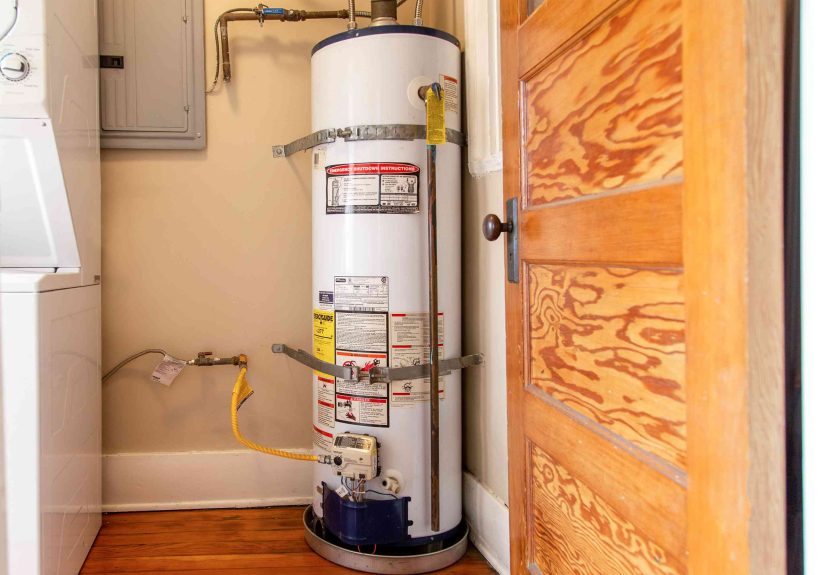
Your hot water heater is basically a small, hardworking dragon in a metal jacket. If it burns fuel (natural gas or propane),
it creates hot exhaust gases that must leave your home safely. That’s where water heater venting comes in:
it’s the “escape route” for combustion byproducts like water vapor and, in unsafe situations, carbon monoxide (CO).
Venting isn’t just a box to check for an inspection sticker. Done right, it helps your heater run efficiently, protects your
indoor air, and keeps the appliance from backdrafting (that’s when exhaust comes back into your living spacean extremely bad plot twist).
Done wrong, it can lead to corrosion, nuisance shutdowns, or serious safety hazards.
Why Venting Matters (More Than You Think)
A gas water heater produces exhaust every time it runs. Venting routes that exhaust outdoors and helps maintain proper combustion.
If venting is inadequate, you can get spillage or backdraftingmeaning flue gases don’t go up and out like they should.
- Safety: Poor venting can allow CO and other combustion byproducts to enter your home.
- Performance: Draft problems can make burners run poorly, reduce efficiency, or cause shutdowns.
- Durability: Exhaust contains moisture; if it cools and condenses in the wrong place, it can rust out vents and fittings.
Step One: Identify Your Water Heater Type
The biggest mistake homeowners make is assuming all water heaters vent the same way. They don’t. Your venting method depends on how the unit
produces heat and moves exhaust.
Electric Tank Water Heater
Electric water heaters do not burn fuel, so they generally do not require venting for combustion gases.
(They still have important safety components like a temperature-and-pressure relief valve with a discharge pipebut that’s not “venting” in the flue-gas sense.)
Atmospheric Vent (Natural Draft) Gas Water Heater
These are the classic, common units that rely on natural drafthot exhaust rises up through a draft hood
and into a vent or chimney. They usually use metal venting and are sensitive to home pressure changes (kitchen hoods, bath fans, tight new windows).
Power Vent Gas Water Heater
Power vent models use a fan to push exhaust out, often through a sidewall. Because they can operate under positive pressure,
their venting materials and layout rules are stricter and must match the manufacturer’s approved vent system.
Direct Vent / Sealed Combustion
Direct vent units pull combustion air from outdoors and send exhaust outdoors through a sealed system.
They’re often a good solution when indoor air is tight or when backdrafting risk is high.
High-Efficiency Condensing Water Heater
Condensing models extract more heat from exhaust, so the exhaust is cooler and produces more condensation.
That typically means corrosion-resistant venting (often plastic or specialized systems) and a condensate management plan.
Venting Basics in Plain English
Draft Is the Engine Behind Natural Venting
Natural draft water heaters depend on buoyancy: hot gases rise, creating an upward pull that carries exhaust outdoors.
Anything that fights that upward flowblocked chimneys, downdrafts, poor vent sizing, long horizontal runs, or a depressurized housecan cause spillage.
Vent Sizing Isn’t a Guess (It’s Math + Tables + Manufacturer Rules)
Proper vent sizing depends on factors like appliance input, vent height, vent type, and the “equivalent length” of fittings (elbows add resistance).
Codes provide vent sizing tables, and manufacturers provide model-specific limits. In practice, pros use both: code requirements and
the installation manual for your exact unit.
Key idea: Your new water heater might not be allowed to share the same vent setup as the old oneeven if it “fits.”
Higher-efficiency appliances can change exhaust temperature and draft behavior, and that changes everything.
Common Vent Materials (And Why the Wrong One Can Be Dangerous)
- Single-wall metal connector: Often used as a short connector in open spaces, but it typically needs larger clearances from combustibles.
- Type B gas vent (double-wall): Common for Category I gas appliances; designed to maintain flue temperature and reduce clearance requirements.
- Masonry chimney (often with a liner): Older homes may vent through a chimney; liners may be needed for safety and performance.
- Plastic venting (PVC/CPVC/polypropylene systems): Used only when the water heater is listed for it and local code allows itoften on power vent or condensing units.
Slope, Support, and Sealing
Vent connectors generally need a consistent upward pitch toward the chimney or vertical vent (no sags, no dips),
and they must be properly supported so they don’t separate over time. Joints must be secured using approved methods.
Details vary by vent type and appliance listingso think of this as a concept, not a DIY blueprint.
Where the Exhaust Ends Up: Termination Done Right
Vent termination is where exhaust exits the building. It must be placed to prevent exhaust from re-entering through windows, doors,
soffit vents, attic vents, or fresh-air intakes. Sidewall venting also needs careful placement so exhaust doesn’t become your patio’s “new scent experience.”
Roof Termination
Roof venting must account for roof pitch, nearby structures, and local requirements. Proper caps help reduce downdrafts, keep out rain,
and discourage animals from moving in (because nobody wants a squirrel in the flue).
Sidewall Termination (Common with Power Vent Models)
Sidewall terminations must follow the water heater’s manual and local code for distances from openings and for acceptable vent lengths and fittings.
Many power vent systems use “equivalent feet” calculations to keep the fan from working harder than it was designed to.
Combustion Air: The Other Half of “Venting” People Forget
Even if the vent pipe is perfect, a gas water heater still needs enough oxygen for clean combustion.
Homes are increasingly airtightnew windows, spray foam, weatherstrippingso the air the heater used to “borrow” from indoors might not be available anymore.
If your water heater is atmospheric vented and installed in a small closet, tight utility room, or near strong exhaust appliances
(range hoods, dryers), pressure can go negative and interfere with draft. That’s when backdrafting risk increases.
- Atmospheric vent units often rely on indoor air unless configured for dedicated combustion air per code.
- Direct vent units bring air from outside, reducing indoor air competition and draft problems.
- Power vent units move exhaust with a fan, but they still need proper combustion air and correct venting layout.
Red Flags That Your Water Heater Venting Needs Attention
You don’t need to be a chimney wizard to spot warning signs. If you notice any of the following, treat it as a “pause and investigate” moment:
Visual and Smell Clues
- Rust streaks, corrosion, or white powdery residue on vent sections
- Soot, scorch marks, or discoloration near the draft hood
- A persistent “exhausty” smell near the heater
- Moisture damage near vent penetrations or on nearby building materials
Performance and Safety Clues
- CO alarm activation (always take this seriously)
- Water heater shutting down frequently (especially power vent models)
- Draftiness issues that appear when exhaust fans run
- Headaches or irritation that improve when you leave the home (don’t ignore thisget fresh air and call for help)
Common Replacement Mistakes (AKA: How Good Installs Go Bad)
1) Assuming “Same Vent as Before” Is Automatically Fine
Replacements are tricky because the home’s original venting may have been sized for a different applianceor may have been “working”
while still being unsafe or marginal. A new, higher-efficiency heater can change draft characteristics and condensation risk.
2) The “Orphaned Water Heater” Chimney Problem
If a water heater used to share a chimney with an older furnace and the furnace gets upgraded to a different venting system,
the remaining water heater may be left venting into an oversized chimney flue. That can reduce draft and increase condensation inside the chimney.
Sometimes the fix involves resizing/lining the chimney or switching to a different water heater venting approach.
3) Mixing Vent Types or Using the Wrong Materials
Power vent and condensing units often require specific vent materials and joint methods because exhaust can be under pressure and contain moisture.
Using the wrong pipe, incorrect sealants, or unapproved fittings can cause leakage or premature failure.
4) Ignoring Vent Length and Elbow Limits
Manufacturer installation manuals commonly set maximum vent lengths and equivalent footage limits for fans to operate correctly.
Exceeding those limits can lead to lockouts, poor performance, or unsafe operation.
So… What Can a Homeowner Safely Do?
You can’t (and shouldn’t) “wing it” with combustion venting. But you can handle several helpful, low-risk tasks:
Homeowner-Safe Checks
- Keep the area clear: Don’t store paint, boxes, or cleaning chemicals against the vent or water heater.
- Look for obvious damage: Disconnected vent sections, heavy rust, or soot are reasons to call a pro.
- Check your CO alarms: Test them regularly and replace batteries as directed.
- Schedule professional inspection: Especially after renovations that tighten the home or add stronger exhaust fans.
When It’s Time to Call a Pro Immediately
- Any CO alarm activation that might be related to combustion appliances
- Visible soot or scorch marks at the draft hood
- Backdrafting symptoms (especially when fans run)
- Water heater replacement where venting must be altered or resized
Quick “Good Venting” Checklist (Use This Before You Approve an Install)
- The venting method matches the exact water heater type (atmospheric, power vent, direct vent, condensing).
- Materials used are approved by the manufacturer and allowed by local code.
- Vent runs are properly supported, with no sagging or “creative” routing.
- Termination location reduces risk of exhaust re-entry and follows clearance rules.
- Combustion air needs are addressed (especially in tight homes or closets).
- CO alarms are installed and working.
Real-World Experiences: What People Commonly Run Into (500+ Words)
If water heater venting were a sitcom, it wouldn’t be the loud main characterit’d be the “quiet one” in the background that causes
all the drama when nobody’s paying attention. Here are some very common experiences homeowners and technicians run into, and what they usually mean.
The Case of the “Only Backdrafts When We Cook” Mystery
A classic scenario: everything seems fine… until someone turns on the range hood to sear a steak, and suddenly the house smells “off,”
a smoke/CO alarm chirps, or you feel drafty air near the water heater. What’s happening is often simple physics and not-so-simple building pressure.
Strong exhaust fans can depressurize a tight home and pull air down the easiest available pathwaysometimes the chimney or vent.
Atmospherically vented water heaters are especially sensitive because they rely on gentle upward draft.
This is why an installer might talk about “make-up air,” combustion air requirements, or recommend a sealed combustion/direct vent model.
It’s not upselling; it’s preventing your dinner from coming with a side of flue gases.
“Why Is There Rust on the Vent Pipe… and Water on the Floor?”
Another frequent experience is discovering rust at vent joints, white crusty residue, or damp staining nearby.
People sometimes assume it’s a plumbing leakthen spend a weekend chasing phantom drips. Often, the culprit is condensation.
When exhaust cools too quickly (because of an oversized chimney, poor draft, or an appliance change), water vapor can condense inside the vent.
That moisture doesn’t politely stay hidden. It finds seams, runs down fittings, and leaves evidence.
The fix might be as straightforward as correcting a venting layout problemor as involved as lining/resizing a chimney so the flue stays warm enough to draft properly.
The “We Upgraded the Furnace, and Now the Water Heater Acts Weird” Surprise
This one catches people off guard because the water heater wasn’t touched. But venting systems are sometimes shared.
When an old furnace is replaced with a high-efficiency model that vents through a sidewall, the chimney is no longer warmed by the furnace exhaust.
Now the water heater is “alone” on a vent system that may be too large and too cold. Draft can weaken; condensation can increase.
Homeowners report intermittent smells, corrosion, or unusual performance. The solution might be a chimney liner, vent resizing,
or switching the water heater to a power vent/direct vent model. This is a perfect example of why “It worked for 20 years” is not the same as “It meets today’s conditions.”
The Wildlife Edition: Birds, Nests, and Blocked Vents
Yes, it happens. Termination caps exist for a reasonkeeping out rain, debris, and curious animals who view warm vents as luxury condos.
A partially blocked vent can cause poor draft and spillage. The homeowner experience here usually starts with “We noticed a weird smell”
or “The heater seems louder/finicky,” and ends with someone finding debris where it absolutely shouldn’t be.
Annual inspection helps, especially in regions where nesting is common.
The thread connecting all these experiences is that venting is not a decorative accessoryit’s an active system affected by your home’s airflow,
appliance changes, and installation details. Treat it like you’d treat brakes on a car: you don’t have to rebuild them yourself,
but you should know when something feels off and get it checked fast.
Wrapping It Up
Venting a hot water heater comes down to three essentials: get exhaust out safely, get enough air in for clean combustion, and follow the rules
that apply to your specific heater model and your local code. If you remember only one thing, make it this:
the installation manual and local code aren’t suggestionsthey’re the guardrails that keep your home comfortable and safe.







 Close
Close