
Table of Contents >> Show >> Hide
- First, define “cure” like you mean it
- Second, admit the obvious: “cancer” is many diseases
- What a real cure should look like: a four-part blueprint
- What “cure” should feel like for patients
- What “cure” should look like for society
- So… will the cure be one thing or many?
- Experiences that reveal what a “cure” really means (and what it should become)
Quick note: This article is for general education, not personal medical advice. If you’re dealing with cancer, your oncology team is the right place for decisions that fit your diagnosis, goals, and life.
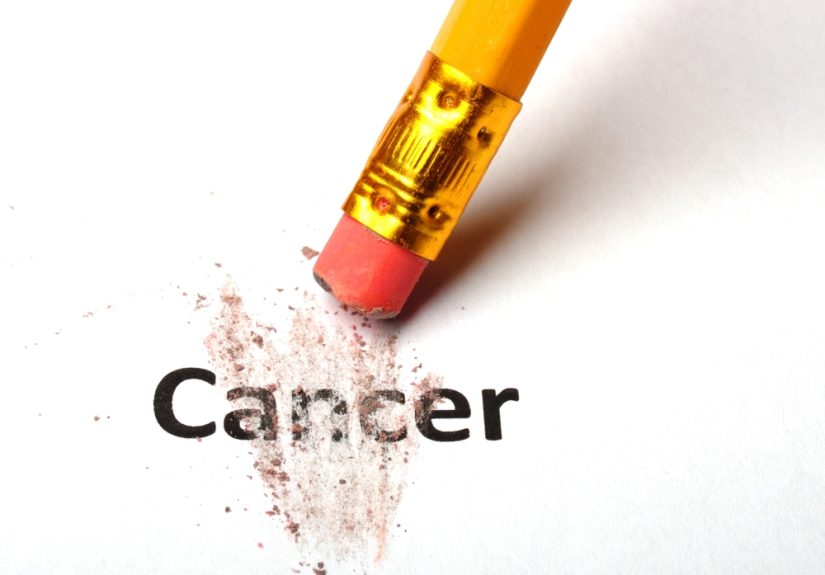
“A cure for cancer” is one of those phrases that sounds simplelike a single magic eraser in a single heroic hand. But cancer is less like one villain and more like a whole cinematic universe of villains, side quests, plot twists, andannoyinglysequels.
So if we’re serious about the question, we need to define what “cure” should mean, what it should feel like for patients, and what it should deliver for society. The best answer is not a single pill labeled CURE in 72-point font (although the marketing team would love that). A real cure would look like a system: prevention where possible, early interception when prevention fails, treatments that reliably eliminate disease (or render it harmless), and follow-up that protects long-term health and quality of life.
First, define “cure” like you mean it
In everyday conversation, “cure” means the cancer is gone and never comes back. In medicine, clinicians use more precise terms because cancer can be sneaky. You’ll often hear:
- Complete remission: no signs of cancer can be found with available tests.
- Partial remission: the cancer has shrunk or decreased but hasn’t fully disappeared.
- Durable remission: remission that lastsoften the practical goal in cancers where long-term control is possible.
A cure, ideally, is durable complete remission for the rest of a person’s natural life, without ongoing treatment. But because “forever” is hard to measure in a clinical trial (researchers do not have time machines), we often use outcomes like long-term disease-free survival and overall survival, plus how people function and feel during and after treatment.
Here’s the key: a cure shouldn’t be defined only by scans and lab values. A cure should also mean:
- People live as long as they otherwise would.
- They live wellwith manageable side effects and preserved daily function.
- They can plan a future without cancer constantly auditioning for an unexpected comeback episode.
Second, admit the obvious: “cancer” is many diseases
When people say “cancer,” they’re naming a category, not a single diagnosis. Cancers differ by tissue of origin, genetics, behavior, and how they interact with the immune system. Even within one tumor type (say, lung cancer), there are multiple subtypes and molecular profiles. And inside one person’s tumor, cells can vary from each otherlike a chaotic group project where nobody agreed on the rubric.
This heterogeneity matters because it’s one reason cancer can resist therapy, relapse, or spread. Metastatic disease (cancer that spreads to other parts of the body) is a major driver of cancer deaths, and it often behaves differently than the primary tumor. A cure that ignores heterogeneity is like trying to win chess by only learning how the pawns move.
So a “cure for cancer” can’t be one thing. It has to be a portfolio of cures, each tailored to a cancer’s biologyand increasingly, to the individual patient’s tumor.
What a real cure should look like: a four-part blueprint
If we zoom out, a cure for cancer (as a public-health and medical reality) should look like four big wins working together:
- Prevention: fewer cancers start in the first place.
- Early detection and interception: catch cancers (or precancers) before they become dangerous.
- Decisive, precise treatment: eliminate disease with the least collateral damage.
- Survivorship that actually supports living: long-term health, monitoring, and quality of life.
1) Prevention: the cure that happens before you need it
The most reliable cure is the one you never have to test because the cancer never happens. Prevention includes reducing exposure to carcinogens (like tobacco), vaccines for cancer-causing viruses, and evidence-based screening that can remove precancerous lesions.
One of the clearest examples is HPV vaccination, which protects against HPV types that cause most cervical cancers and many other cancers (including oropharyngeal, anal, vulvar, vaginal, and penile cancers). In a world where prevention is fully delivered, HPV-associated cancers become rare in vaccinated populationsless “inevitable tragedy,” more “historical footnote.”
Prevention can also mean “risk reduction” for high-risk individualslike genetic counseling, enhanced screening, chemoprevention in specific settings, and in some cases risk-reducing surgery. These aren’t casual decisions; they’re personalized, high-stakes choices. A true “cure ecosystem” makes them accessible, understandable, and ethically supported.
2) Early detection and interception: find it when it’s beatable
When cancer is detected early, it’s often more treatableand sometimes curable with local therapy alone. Screening tests for breast, cervical, colorectal, and lung cancer are widely recommended in appropriate populations because they can detect cancer earlier, and in some cases prevent cancer by finding and removing precancerous lesions (colorectal screening is the classic example).
But early detection is evolving beyond traditional screening. Researchers are developing tools that look for tiny traces of cancer, such as circulating tumor DNA (ctDNA) in bloodoften discussed under the umbrella of “liquid biopsy.” Today, liquid biopsies are increasingly used to guide care in certain contexts and are being studied to help detect minimal residual disease (MRD) after treatment or to help decide who may benefit from additional therapy.
The “cure” version of early detection has three features:
- Accuracy: detects meaningful cancers, not harmless findings that trigger unnecessary fear and procedures.
- Equity: works for diverse populations and is available in real communities, not only at elite centers.
- Actionability: leads to clear, evidence-based next steps.
3) Treatment: less carpet-bombing, more precision (and persistence)
Traditional curative cancer care often depends on combinations of surgery, radiation, and systemic therapies (like chemotherapy). That toolkit still cures many cancers todayespecially when disease is localized. But the future “cure look” is increasingly:
- Biology-driven (precision oncology and targeted therapies)
- Immune-driven (immunotherapy, including checkpoint inhibitors and cellular therapies)
- Combination-driven (because resistance is real and tumors adapt)
Precision oncology aims to match therapies to specific molecular features of a tumor. Large research efforts have tested “tumor-agnostic” and mutation-directed strategies, and newer trial designs are building on what those studies taught usespecially that matching a drug to a target is powerful when the target is truly driving the cancer, and less helpful when biology is more complicated.
Immunotherapy has reshaped expectations for a subset of cancers and patients. Immune checkpoint inhibitors can produce deep and sometimes long-lasting responses in some peoplealthough not everyone benefits, and side effects can occasionally be serious or long-term. Still, when immunotherapy works well, it offers a glimpse of what “cure-like” outcomes can feel like: durable remission without continuous treatment.
Cellular therapies such as CAR T-cell therapy show how dramatic responses can be, especially in certain blood cancers. CAR T is sometimes described as a “living drug” because engineered immune cells can persist and continue surveilling for cancer. It’s also a lesson in humility: cancers can evolve, lose targets, or find escape routesso next-generation approaches often focus on multi-target strategies and smarter designs.
For solid tumors, the cure challenge is tougher: heterogeneity, the tumor microenvironment, and metastasis all raise the difficulty. A “cure-worthy” treatment approach should therefore include:
- Eradication of the main tumor (local control)
- Control of micrometastatic disease (the cells you can’t see yet)
- Resistance management (preventing the cancer from adapting mid-therapy)
- Tolerable toxicity (because the point is living, not merely surviving)
4) Monitoring and survivorship: a cure that stays cured
Even after successful treatment, life after cancer can come with long-term health concerns, fear of recurrence, and side effects that show up late. Survivorship care is not a nice extrait’s part of what a real cure should include.
Monitoring might involve imaging, lab tests, symptom check-ins, and increasingly, biomarkers like ctDNA in certain settings. The goal is to:
- Detect recurrence early when it’s most treatable
- Manage long-term effects (heart health, hormone changes, neuropathy, fatigue, cognitive changes)
- Support mental health, relationships, work, and identitybecause cancer loves to rearrange a person’s life furniture without asking
And importantly, survivorship care should be coordinated. People shouldn’t have to become their own project manager just to understand follow-up schedules, late effects, and what symptoms matter.
What “cure” should feel like for patients
If you ask patients what they want, you’ll hear words like: normal, safe, predictable, and free. A cure shouldn’t require someone to spend years chained to infusion chairs or navigating side effects that erase their ability to work, parent, sleep, eat, or think clearly.
So a cure should be measured in outcomes that patients actually experience:
Time toxicity matters
Two treatments might have similar survival outcomes but wildly different demands on timeappointments, travel, paperwork, waiting rooms, recovery days, lost wages. A cure should minimize the life-capture of treatment whenever possible.
Quality of life is not a side quest
Some therapies can cause long-term or chronic side effects. The “best cure” is not necessarily the most aggressive regimenit’s the one that achieves durable control or eradication with the least harm.
Affordability is part of effectiveness
A cure that exists only on paperor only for people with exceptional insurance, proximity to major centers, and the ability to take months off workis not a cure in the real world. It’s a prototype. Real cures must be deliverable at scale.
What “cure” should look like for society
A society-level cure is not just better drugs. It’s better systems:
Equitable access from prevention to survivorship
Cancer outcomes differ across populations due to a web of factorsaccess to screening, timely diagnosis, quality treatment, environmental exposures, and social and economic conditions. People without reliable access to health care are more likely to be diagnosed at later stages, when cancers are harder to treat. A cure-worthy society closes these gaps by making prevention, early detection, and high-quality treatment consistently available.
Learning health systems that improve continuously
Cancer care should get smarter over timeusing clinical trials, real-world evidence, and data-sharing to learn what works for whom. Smarter trial designs (including biomarker-driven trials) can speed progress, but they must remain grounded in outcomes that matter: living longer and living better.
Better endpoints, better proof
Drug approvals and clinical trials use endpoints like overall survival, progression-free survival, response rates, and sometimes measures like MRD in certain blood cancers. Each endpoint has strengths and limitations. A cure-centered pipeline values rigorous evidence while also pushing for faster, smarter ways to identify therapies that create durable benefitand confirming those benefits over time.
So… will the cure be one thing or many?
Many. But it can still be unified by a single standard: durable benefit with minimal harm, delivered equitably.
In practice, “a cure for cancer” will look like:
- Vaccines and prevention programs that make some cancers rare
- Screening and early detection that find cancers before they spread
- Precision therapies that target what’s driving a tumor
- Immune-based treatments that create durable remissions for more people
- Smart combinations that prevent resistance
- Monitoring that catches relapse early (or confirms you’re truly clear)
- Survivorship care that protects long-term health and quality of life
And maybe most importantly: it will look like a future where a cancer diagnosis is far less terrifyingbecause the path ahead is clearer, kinder, and more reliably effective.
Experiences that reveal what a “cure” really means (and what it should become)
People often imagine a cure as a dramatic moment: a doctor walks in, smiles, and says, “You’re cured,” while inspirational music swells in the background. Real life is usually less cinematic and more… paperwork-forward. But the lived experiencewhat patients and families go throughshows exactly what a cure should look like.
1) The prevention moment nobody celebrates (but should)
A parent brings an 11-year-old for routine vaccines. The kid is brave until the alcohol swab appears, then suddenly becomes a philosopher: “Why do shots exist?” The parent says, “This one helps prevent some cancers later.” The kid shrugs, negotiates for ice cream, and moves on with life. That’s the point. Prevention should be boring. When cancer prevention works, nothing happensand that “nothing” is a triumph.
2) The early detection fork in the road
Someone does a screening test they didn’t feel like scheduling. They nearly cancel. They go anyway. Something suspicious shows up. Follow-up happens quickly (in the best version of the system). Treatment is simpler because the cancer is caught early. The person is grateful…and also quietly annoyed because the universe rewarded the one time they acted like a responsible adult. A cure-friendly world makes this path common: easy access, fast follow-up, clear next steps, and minimal delays.
3) The “remission” word that lands like a complicated gift
After months of treatment, a scan shows no evidence of disease. Friends say, “So you’re cured!” The patient smiles, but inside they’re thinking, “I hope so.” This is where language matters. The best cure isn’t just biologyit’s psychological safety. Better monitoring tools and clearer risk communication can reduce the limbo feeling. People deserve to understand what remission means for their specific cancer, and what the plan is to keep it that way.
4) The side-effect trade no one warned you would feel so personal
Some treatments work, but leave behind a souvenir bag of side effects: fatigue that doesn’t quit, numb fingers, brain fog, new anxiety, or hormone changes. A cure should not demand unnecessary suffering as proof of seriousness. In a more advanced future, patients get therapies that are not only effective but also gentlerand they get survivorship care that treats long-term effects as real medical issues, not character-building exercises.
5) The survivorship chapter: “after” is not automatically easy
There’s a strange quiet after treatment ends. The calendar opens up, but fear can fill the space. Follow-up appointments become milestones. Every ache auditions for the role of “symptom.” A cure should include a survivorship plan that supports mental health, rehab, long-term screening, and practical life rebuilding. The goal is not merely to stop cancer; it’s to help people return to themselvesor become themselves again in a way that feels whole.
When you stitch these experiences together, the shape of a cure becomes obvious: prevention that’s accessible, detection that’s timely, treatment that’s precise and durable, and survivorship support that makes “life after” actually livable. If a cure doesn’t include all of that, it may still be a breakthroughbut it’s not the finish line.







 Close
Close