
Table of Contents >> Show >> Hide
- What Wheat Flour Actually Is
- How Wheat Flour Is Made
- Types of Wheat Flour You’ll See Most Often
- What Makes Wheat Flour Work in Baking?
- Wheat Flour vs. Whole Wheat Flour
- Is Wheat Flour Healthy?
- Who Should Avoid Wheat Flour?
- How to Choose the Right Wheat Flour
- How to Store Wheat Flour
- Common Myths About Wheat Flour
- Real-World Experiences With Wheat Flour
- Final Thoughts
- SEO Tags
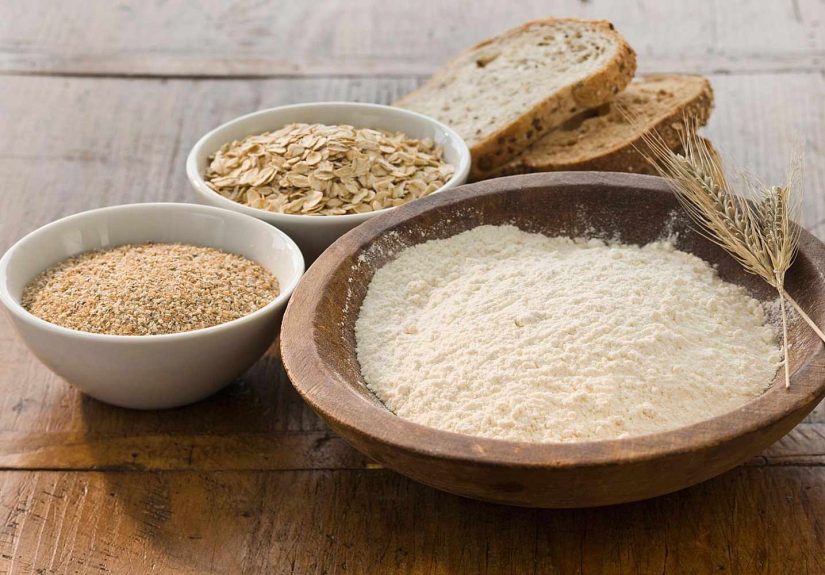
Wheat flour is one of those quiet kitchen celebrities. It rarely gets the spotlight, but it shows up to every important event: bread, cookies, pancakes, pizza dough, muffins, gravy, and that one pie crust that looked confident until it hit the oven. In simple terms, wheat flour is a powder made by grinding wheat kernels. Depending on how the wheat is milled and which parts of the kernel stay in the mix, wheat flour can be soft or strong, pale or nutty, fluffy or hearty.
If that sounds suspiciously dramatic for a pantry staple, fair enough. But wheat flour really does matter. It affects texture, flavor, nutrition, color, structure, and even whether your loaf rises like a dream or sits there like it has given up on life. Understanding what wheat flour is can make you a smarter shopper, a better baker, and a lot less likely to stare blankly at a bag labeled “white whole wheat” as if it has personally betrayed you.
What Wheat Flour Actually Is
Wheat flour is made from wheat berries, which are the edible seeds of the wheat plant. A whole wheat kernel has three main parts: the bran, the germ, and the endosperm. The bran is the fiber-rich outer layer. The germ is the nutrient-packed core that contains healthy fats, vitamins, and minerals. The endosperm is the starchy middle, which provides most of the carbohydrate and a good share of the protein.
When all three parts are ground together, the result is whole wheat flour. When the bran and germ are removed and mostly the endosperm is milled, the result is refined wheat flour, often sold as white flour or simply wheat flour. That distinction matters because it changes both baking performance and nutrition.
So when someone asks, “What is wheat flour?” the most accurate answer is this: it is flour made from wheat, but the exact type depends on how much of the original grain remains and what kind of wheat was used. In other words, wheat flour is not one-size-fits-all. It is a whole family of flours wearing very similar packaging.
How Wheat Flour Is Made
The process starts with cleaning the wheat to remove debris and separate out kernels that are not fit for milling. The wheat may then be conditioned with moisture so the bran and endosperm separate more cleanly. Next comes milling, where rollers or stones grind the grain into smaller particles.
Modern milling can produce very specific flour textures and compositions. Millers can sift out the bran and germ for refined flour, or keep the full kernel together for whole wheat flour. Some refined flours are also enriched, meaning certain nutrients such as B vitamins and iron are added back after processing. Enrichment improves the nutrient profile, but it does not fully recreate the fiber and naturally occurring compounds lost when the bran and germ are removed.
That is why two bags can both say “wheat flour” and still behave very differently in your mixing bowl. One may produce a soft cake, while another delivers chewy bread with serious backbone.
Types of Wheat Flour You’ll See Most Often
All-Purpose Flour
All-purpose flour is the kitchen multitasker. It is usually made from a blend of hard and soft wheat, giving it a moderate protein level that works for cookies, quick breads, muffins, pancakes, biscuits, and many cakes. It is called “all-purpose” because it can do a lot of jobs reasonably well, even if it is not the absolute specialist for every single one.
Bread Flour
Bread flour is higher in protein than all-purpose flour. More protein means more gluten-forming potential, which helps yeast breads develop structure, elasticity, and chew. If you want a lofty sandwich loaf or a pizza crust with attitude, bread flour is often the better pick.
Whole Wheat Flour
Whole wheat flour includes the bran, germ, and endosperm. It has more fiber, a fuller flavor, and a denser texture than white flour. It also tends to absorb more liquid, which means recipes may need slight adjustments. Think of it as the earnest overachiever of the flour aisle: more nutrients, more flavor, and slightly more demanding.
White Whole Wheat Flour
White whole wheat flour is still whole grain, but it is milled from a lighter-colored variety of wheat. It offers the benefits of whole grain flour with a milder taste and softer color. For families who hear “whole wheat” and immediately assume “cardboard adjacent,” this is often a friendlier starting point.
Cake and Pastry Flour
These flours are lower in protein, which means less gluten development and a more tender crumb. They are ideal for delicate cakes, pastries, and some cookies. If bread flour is a gym coach, cake flour is a ballet instructor.
Self-Rising Flour
Self-rising flour is wheat flour with baking powder and salt already added. It is convenient for biscuits, pancakes, and certain quick breads, but it is not a direct substitute in every recipe unless you adjust the leavening and seasoning.
Semolina and Durum Flour
Semolina is a coarse flour made from durum wheat, a hard wheat with strong gluten potential. It is widely used for pasta and can also appear in breads. Durum flour is similar but more finely ground. These flours bring a golden color and hearty bite to doughs.
What Makes Wheat Flour Work in Baking?
The magic word is gluten. Wheat contains proteins called glutenin and gliadin. When flour is mixed with water and worked through stirring, kneading, or mixing, those proteins link up and form gluten. Gluten gives dough elasticity and helps trap gas, which allows breads and many baked goods to rise and hold shape.
That is why protein percentage matters so much. Higher-protein flours are better for chewy breads and structured doughs. Lower-protein flours are better for tender cakes and pastries. Using the wrong flour will not necessarily ruin a recipe, but it can absolutely change the texture. This is how you end up with a muffin that thinks it is a hockey puck.
Flour also contributes starch, which absorbs liquid and helps set the structure of baked goods. Beyond structure, flour affects browning, mouthfeel, and crumb. In short, wheat flour is not just filler. It is the framework.
Wheat Flour vs. Whole Wheat Flour
This is one of the most common points of confusion. In U.S. labeling, wheat flour usually means refined white flour unless it specifically says whole wheat flour. Whole wheat flour contains the entire grain kernel. Regular wheat flour does not.
Whole wheat flour generally provides more fiber and naturally occurring nutrients because the bran and germ are still present. Refined flour is often softer in texture and lighter in color, which many classic baked goods rely on. Enriched white flour may add back some vitamins and minerals, but it is still lower in fiber than whole wheat flour.
Neither flour is “good” or “evil.” The smarter view is that they serve different purposes. Whole wheat flour is often the better choice when you want more fiber and a nuttier flavor. Refined wheat flour may be more useful when you want tenderness, loft, or a very delicate crumb.
Is Wheat Flour Healthy?
That depends on the type, the amount, and the rest of your diet. Whole wheat flour can be part of a nutrient-dense eating pattern because it contains fiber, B vitamins, minerals, and plant compounds that are reduced during refining. Diets that include more whole grains are often linked with better heart health, improved digestion, and better blood sugar control than diets heavy in refined grains.
Refined wheat flour is not nutrition-free, especially if it is enriched, but it is less complete than whole grain flour. It tends to digest more quickly and usually has less fiber. That does not mean your birthday cake is a moral failure. It just means everyday choices matter more than one slice of celebratory frosting architecture.
For most people, wheat flour can fit into a healthy diet. A practical rule is to make room for more whole-grain choices overall while still using refined flour when the recipe or occasion calls for it.
Who Should Avoid Wheat Flour?
People with celiac disease need to avoid wheat flour because it contains gluten, which can trigger an immune response that damages the small intestine. People with a wheat allergy also need to avoid it, though a wheat allergy is different from celiac disease. Some people report non-celiac gluten sensitivity as well, though diagnosis can be more complex.
If eating foods made with wheat flour causes symptoms such as digestive discomfort, rash, swelling, wheezing, or ongoing fatigue, it is important to speak with a qualified healthcare professional rather than self-diagnosing based on one dramatic pasta night.
How to Choose the Right Wheat Flour
For Bread
Choose bread flour or a strong all-purpose flour if you want more chew, a higher rise, and better structure.
For Cakes and Tender Bakes
Choose cake flour, pastry flour, or all-purpose flour depending on how light and soft you want the final result.
For Everyday Cooking
All-purpose flour is the best all-around choice for thickening sauces, making pancakes, baking cookies, and handling general kitchen duty.
For More Fiber and Nutty Flavor
Choose whole wheat flour or white whole wheat flour. You can replace part of the all-purpose flour in many recipes to add whole-grain benefits without making the texture too heavy.
For Pasta or Rustic Doughs
Try semolina or durum flour for a more robust bite and a slightly golden color.
How to Store Wheat Flour
Wheat flour should be stored in an airtight container in a cool, dry place. Refined white flour lasts longer because it has less fat from the germ. Whole wheat flour is more perishable and benefits from refrigeration or freezing, especially if you buy it in larger amounts. Flour may seem immortal because it sits quietly in the pantry, but it absolutely has limits.
If flour smells sour, musty, or off, it is time to let it go. No heroic muffin experiment is worth questionable flour.
Common Myths About Wheat Flour
“Brown Bread Means Whole Grain”
Not always. Color alone is not a reliable clue. Some products are darkened with molasses or coloring and still rely mostly on refined flour.
“Gluten Is Bad for Everyone”
No. Gluten is a problem for people with celiac disease and some others with specific medical issues, but many people tolerate it just fine.
“Whole Wheat Flour and Wheat Flour Are the Same”
Also no. Whole wheat flour uses the whole kernel. Standard wheat flour in the U.S. usually refers to refined white flour.
“All Flour Works the Same”
Definitely not. Protein level, milling method, and grain composition all change how flour behaves in baking and cooking.
Real-World Experiences With Wheat Flour
One of the most common experiences people have with wheat flour happens the first time they swap whole wheat flour into a favorite recipe without changing anything else. The result is often educational. Pancakes may come out a little heartier, muffins a bit denser, and cookies slightly less delicate. That does not mean the flour “failed.” It means whole wheat flour brings more fiber, more flavor, and more thirst for liquid. Many home bakers learn quickly that better results come from replacing only part of the white flour at first, then adjusting from there.
Another familiar experience is the surprise of using bread flour for the first time. People mix the dough and immediately notice that it feels stronger, stretchier, and more cooperative. Then the loaf rises higher, slices more neatly, and chews with that bakery-style texture people love. It is one of those small kitchen revelations that makes someone say, “So that’s why the recipe writer kept insisting on bread flour.”
Parents often describe white whole wheat flour as a peace treaty. It looks lighter and tastes milder than traditional whole wheat flour, so it works well in waffles, banana bread, muffins, and sandwich bread without triggering immediate household rebellion. For families trying to eat more whole grains, this flour often becomes the gateway ingredient that sneaks nutrition in without announcing itself with a trumpet.
Then there are the cooks who mostly experience wheat flour outside baking. They use it to thicken gravy, dust chicken before pan-frying, make a roux for macaroni and cheese, or turn leftovers into quick flatbreads. For them, wheat flour is less about artisan crumb structure and more about reliability. It helps sauces turn silky, coatings turn crisp, and dough come together with just a few pantry ingredients. It is the behind-the-scenes stagehand of comfort food.
Some people discover wheat flour through pasta-making. The first time semolina or durum flour is mixed into dough, the texture feels different right away: firmer, drier, and more substantial. The finished noodles have more bite, and suddenly boxed pasta seems a little less magical because now you know how the trick works.
There are also practical shopping experiences. Many consumers assume any loaf labeled “wheat bread” is automatically whole grain, only to learn later that ingredient lists tell the real story. After that, label reading becomes less of a chore and more of a skill. People start spotting terms like “whole wheat flour,” “enriched flour,” and “multigrain” with sharper eyes and fewer assumptions.
Perhaps the most universal experience is that wheat flour teaches patience. Dough needs mixing, resting, proofing, and time. Pie crust needs a gentle hand. Biscuits punish overworking with the emotional energy of a brick. But once people understand how wheat flour behaves, cooking becomes less mysterious and more enjoyable. You stop guessing. You start choosing the right flour on purpose. And that is when the humble bag in the pantry starts to feel less like powder and more like possibility.
Final Thoughts
Wheat flour is more than a baking basic. It is a versatile ingredient shaped by the type of wheat, the milling process, and the amount of bran and germ left in the flour. Whether you are working with all-purpose flour, bread flour, whole wheat flour, or semolina, each variety brings its own strengths to the table.
If you remember just one thing, let it be this: the label matters. “Wheat flour” and “whole wheat flour” are not interchangeable terms, and understanding the difference can help you make better decisions for both cooking and nutrition. Once you know how wheat flour works, recipes get easier, shopping gets smarter, and your baked goods stand a much better chance of living up to their ambitions.







 Close
Close