
Table of Contents >> Show >> Hide
- Quinoa 101: What It Actually Is
- What Does Quinoa Taste Like?
- Quinoa Nutrition: Why People Call It a “Superfood” (Eye Roll Optional)
- Is Quinoa Gluten-Free?
- Do You Need to Rinse Quinoa?
- How to Cook Quinoa (Without Regrets)
- Types of Quinoa: White vs. Red vs. Black
- Quinoa Benefits: What It Can (and Can’t) Do
- Possible Downsides (Because No Food Is Perfect)
- How to Eat Quinoa: Easy, Real-World Ideas
- Quinoa in Real Life: Common Experiences (About )
- Conclusion
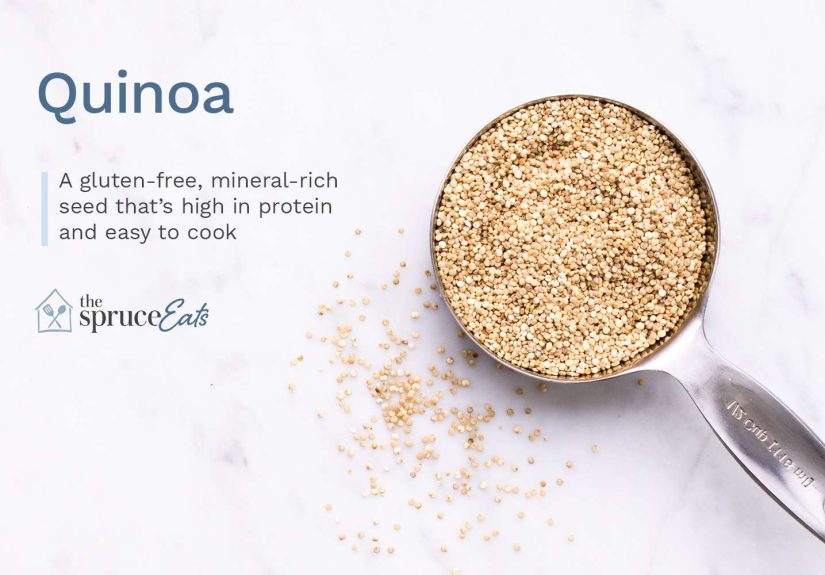
Quinoa (keen-wah) is the food world’s ultimate plot twist: it looks like a grain, cooks like a grain, and hangs out with rice and couscous like it pays rent…
but it’s actually a seed. So yes, quinoa is basically the “I’m not like other grains” of the pantry.
People love quinoa because it’s tasty in a mild, nutty way, it’s easy to cook, and it brings a surprisingly impressive nutrition résumé to the table.
If you’ve ever wondered what quinoa is, why it got so popular, or how to cook it without turning it into sad mush, you’re in the right place.
Quinoa 101: What It Actually Is
Quinoa comes from the plant Chenopodium quinoa, traditionally grown in the Andes region of South America. Botanically speaking,
it’s related to leafy greens like spinach and beetswhich is a fun fact you can casually drop at dinner like you’re the host
of a cooking show.
Even though quinoa isn’t a true cereal grain (like wheat, rice, or oats), it’s often grouped with grains because it’s used the same way in meals.
You’ll also see it called a pseudocereal (a fancy word meaning “grain-like seed”).
Why quinoa became a pantry staple
Quinoa’s rise wasn’t just a trend-fueled moment. It’s genuinely useful: it cooks fast, works in both sweet and savory dishes,
and fits into many eating patternsincluding gluten-free and plant-forward meals.
The United Nations even highlighted quinoa’s global importance by declaring 2013 the International Year of Quinoa.
What Does Quinoa Taste Like?
Quinoa has a mild, slightly nutty flavor and a texture that’s a bit like a cross between rice and tiny pasta pearls.
Properly cooked quinoa should be tender with a little bounceplus those cute little “tails” (the germ) that curl out when it’s done.
Taste issues usually come from two things:
- Not rinsing it (hello, bitterness).
- Overcooking it (hello, quinoa oatmeal… and not the cute breakfast kind).
Quinoa Nutrition: Why People Call It a “Superfood” (Eye Roll Optional)
“Superfood” is more marketing than science, but quinoa does earn plenty of respect. One cup of cooked quinoa (about 185g) is commonly listed around:
222 calories, 8g protein, and 5g fiber, plus a mix of minerals like magnesium, iron, and manganese.
Quinoa is a complete protein (yes, really)
One standout feature: quinoa is one of the few plant foods often described as a complete protein, meaning it contains all nine
essential amino acids your body can’t make on its own. That doesn’t mean you need quinoa to “complete” your dietpeople can meet protein needs in many ways
but it’s a helpful option, especially for vegetarian and vegan meals.
Fiber and “stick-with-you” energy
Quinoa includes both protein and fiber, which can help you feel satisfied after eating.
That’s one reason it’s often used as a swap for more refined carbs when someone wants a meal to feel more substantial
(without needing a snack 17 minutes later).
Micronutrients that matter
Quinoa is commonly noted as a source of minerals such as magnesium (involved in muscle and nerve function),
iron (important for oxygen transport), and manganese (involved in metabolism and antioxidant systems).
Exact amounts vary by brand and preparation, but it’s broadly considered nutrient-dense compared with many refined grain products.
Is Quinoa Gluten-Free?
Quinoa is naturally gluten-free. That’s great news for people avoiding gluten. But there’s a practical catch:
quinoa can be exposed to gluten through cross-contact during harvesting, processing, or packaging.
If gluten-free eating is a medical need (like celiac disease), look for quinoa labeled “gluten-free” (and ideally certified).
In the U.S., the FDA’s “gluten-free” labeling standard generally means the food contains less than 20 parts per million (ppm) of gluten.
Do You Need to Rinse Quinoa?
Short answer: yes, it’s usually a good idea.
Quinoa is naturally coated with compounds called saponins that help protect the plant from pests.
Saponins aren’t a villain in a superhero movie, but they can make quinoa taste bitter or “soapy.”
Many packaged quinoas are pre-rinsed, yet a quick rinse is still a simple way to improve flavor consistency.
How to rinse quinoa like a normal person
- Put quinoa in a fine-mesh strainer (fine mesh matters because quinoa grains are tiny escape artists).
- Rinse under cool running water for 20–30 seconds, swishing with your hand.
- Drain well before cooking.
How to Cook Quinoa (Without Regrets)
Quinoa is fast, forgiving, and pretty low-dramaif you use the right ratio and don’t treat it like pasta.
A common stovetop method uses a 1:2 ratio: 1 cup dry quinoa to 2 cups water or broth.
Basic stovetop quinoa
- Rinse 1 cup quinoa and drain.
- Add quinoa + 2 cups water or broth to a pot. Add a pinch of salt.
- Bring to a boil, then reduce to a gentle simmer and cover.
- Simmer about 15 minutes, until liquid is absorbed.
- Turn off heat and let it rest 5 minutes (this helps texture).
- Fluff with a fork and pretend you’ve always been good at cooking grains.
Two upgrades that make quinoa taste fancy
- Toast it first: After rinsing and draining, toast quinoa in a dry pot (or with a little oil) for a few minutes until nutty-smelling, then add liquid.
- Use broth: Swap water for broth, or add garlic, bay leaf, or a squeeze of lemon at the end.
Types of Quinoa: White vs. Red vs. Black
Most grocery stores carry three main colors. Nutritionally, they’re broadly similar, but texture differs.
- White quinoa: Mild flavor, softest texture, great starter quinoa.
- Red quinoa: Slightly firmer, holds shape well in salads.
- Black quinoa: Earthier flavor, firmest bite, visually dramatic (in a good way).
If you’re making a quinoa salad that needs to survive meal prep, red or black quinoa often stays pleasantly chewy.
If you want quinoa to blend into a cozy bowl situation, white quinoa tends to be the smooth operator.
Quinoa Benefits: What It Can (and Can’t) Do
Quinoa is nutritious, but it’s not magical. Think of it as a strong supporting actor in a balanced dietreliable, versatile,
and not likely to cause scandal.
1) Helps build balanced meals
Because quinoa provides carbohydrates, protein, and fiber, it’s an easy “base” ingredient that can make meals feel complete.
A quinoa bowl with roasted vegetables and beans? That’s a meal with actual staying power.
2) A helpful option for plant-forward eating
For people cutting back on meat (for health, budget, or preference), quinoa is a convenient protein-containing ingredient.
It won’t replace every protein source, but it can make vegetarian meals more satisfying without requiring a chemistry degree.
3) Supports heart-healthy patterns (in context)
Many U.S. nutrition resources encourage choosing whole grains and fiber-rich foods as part of heart-healthy eating patterns.
Quinoa fits that general “more whole foods, more fiber” direction. The big benefits come from the overall patternnot from crowning one grain as royalty.
Possible Downsides (Because No Food Is Perfect)
Saponins and stomach sensitivity
If quinoa makes someone feel a little off, it’s sometimes related to saponins or simply a sudden jump in fiber.
Rinsing well, starting with smaller portions, and drinking enough water can help.
Antinutrients (the “sounds scary” category)
Like many seeds and grains, quinoa contains compounds such as phytic acid, sometimes called an “antinutrient” because it can reduce
absorption of certain minerals in lab contexts. In real-life diets, this is usually not a big problemespecially when someone eats a varied diet.
Rinsing, soaking, sprouting, and cooking can reduce some of these compounds.
Calories still count (even for wholesome foods)
Quinoa is nutrient-dense, but it’s also energy-dense compared with non-starchy vegetables. If your plate is half quinoa and half quinoa,
you’ve basically made quinoa the entire plot. Pair it with vegetables and protein foods for balance.
How to Eat Quinoa: Easy, Real-World Ideas
Quinoa is a culinary chameleon. It can play “rice,” “oatmeal,” “salad base,” and even “burger binder” without complaining.
Quick meal ideas
- Quinoa salad: Cooked quinoa + cucumber + tomato + feta + olive oil + lemon + herbs.
- Breakfast bowl: Warm quinoa + milk (or alt milk) + cinnamon + berries + nuts.
- Swap for rice: Use quinoa under stir-fry, chili, curry, or roasted veggies.
- Soup upgrade: Stir cooked quinoa into soup for extra body and protein.
- Meal prep base: Cook a batch, then season differently each day (Mexican-ish, Mediterranean, sesame-ginger, etc.).
Quinoa vs. rice: when to choose which
Rice is delicious and culturally important in many diets. Quinoa isn’t here to replace rice; it’s here to give you options.
If you want a grain-like side with more protein and fiber, quinoa is often a solid choice.
If you want the specific comfort and texture rice brings, rice winsand nobody should argue with comfort food.
Quinoa in Real Life: Common Experiences (About )
People’s first quinoa experience often follows a predictable storyline: excitement, a little confusion, and then either love or polite indifference.
The biggest “aha” moment usually comes when someone realizes quinoa isn’t meant to taste like much on its ownjust like plain rice, plain pasta, or plain toast.
Quinoa is a canvas. The flavor comes from what you do with it.
A very common beginner experience is the “Why does this taste bitter?” phase. That’s almost always a rinsing issue. Once quinoa gets a quick rinse in a fine-mesh strainer,
many people notice the flavor becomes cleaner and more nutty. Another classic moment: someone cooks quinoa like pasta (boil, stir, drain), and it comes out waterlogged or uneven.
Switching to the simmer-and-steam method (like rice) tends to improve texture immediately.
Texture surprises are also normal. Quinoa has a slightly springy bite and those tiny curls (the germ) that pop out during cooking. Some people love that “light fluff” texture.
Others need a bridge ingredientlike mixing quinoa half-and-half with brown rice, tossing it into soup, or folding it into a salad with crunchy vegetables and a strong dressing.
If quinoa feels too “healthy” in an emotional way (we’ve all been there), seasoning is the fix: broth instead of water, a squeeze of lemon, toasted garlic,
chopped herbs, or a spoonful of salsa can turn quinoa from “responsible” to “actually craveable.”
Meal prep fans often report quinoa is easier than they expected. Cook a batch, cool it, store it, and suddenly weekday lunches stop being a scavenger hunt.
A typical pattern is using quinoa in three different roles: (1) a base for bowls, (2) a salad ingredient that holds up in the fridge, and (3) a breakfast option when oats feel boring.
People who prefer salads that stay crisp often like red or black quinoa because it holds its shape and doesn’t get as soft.
Another real-life experience: quinoa can feel “too filling” if you jump from low-fiber meals to a big quinoa bowl overnight. That’s not quinoa being dramatic;
it’s fiber doing fiber things. Many people do better starting with smaller portions, combining quinoa with vegetables and protein foods, and drinking enough water.
And for gluten-free households, a frequent experience is learning the difference between “naturally gluten-free” and “processed in a gluten-y world.”
People who need strict gluten-free eating often stick to quinoa clearly labeled gluten-free, which reduces worry and makes pantry staples feel safer.
The best part? Once quinoa becomes familiar, it stops being “that trendy health seed” and becomes just… dinner.
And that’s the real win: a practical ingredient that can quietly make meals more balanced without requiring a personality change.
Conclusion
So, what is quinoa? It’s a small seed with big flexibilitycooked like a grain, naturally gluten-free, and known for offering protein, fiber, and useful nutrients.
Quinoa won’t single-handedly transform anyone into a superhero, but it can absolutely upgrade everyday meals: bowls, salads, soups, breakfast porridge, and quick sides.
Rinse it, cook it with the right ratio, season it like you mean it, and quinoa turns from “healthy idea” into “weeknight staple.”







 Close
Close