
Table of Contents >> Show >> Hide
- First, Decide If the Tin Can Is Safe to Keep
- Can You Recycle a Smashed Rusty Tin Can?
- Turn It Into Rustic Garden Décor
- Make a Tin Can PlanterBut Do It Safely
- Create a Desk Organizer With Industrial Style
- Use It for Craft Experiments
- Make a Candle Holder or LanternWith Caution
- Use It as a Photography Prop
- Use It in an Environmental Lesson
- What Not to Do With a Smashed Rusty Tin Can
- Simple Project Ideas for a Smashed Rusty Tin Can
- How to Clean a Rusty Tin Can Before Reuse
- Why Upcycling a Tin Can Makes Sense
- Personal Experience: What a Rusty Tin Can Taught Me About Creativity
- Conclusion: Give the Can a Job or Let It Go
A smashed rusty tin can is not exactly the kind of object that inspires a standing ovation. It sits there looking like it lost a wrestling match with a lawn mower, a rainstorm, and possibly a raccoon with strong opinions. But before you kick it toward the trash can like a tiny metal tumbleweed, pause for a second. That bent, rusty, forgotten can may still have a few useful lives leftif you handle it safely and choose the right project.
The short answer is this: you can recycle it, repurpose it, use it as rustic décor, turn it into garden art, convert it into a small planter, make it part of a craft project, or use it as a teaching tool about sustainability. The longer answer is more interesting, because a rusty tin can comes with both creative potential and practical warnings. Rust, sharp edges, old food residue, and unknown contents can turn a “cute DIY idea” into a “why am I holding a bandage?” situation faster than you can say “upcycled farmhouse aesthetic.”
This guide explores safe, smart, and surprisingly stylish things you can do with a smashed rusty tin can. Whether you found one in the garage, rescued it from a forgotten craft bin, or discovered it behind the shed like an archaeological artifact from the Age of Soup, here are the best ways to give it a second chance.
First, Decide If the Tin Can Is Safe to Keep
Before you turn a smashed rusty tin can into anything, inspect it carefully. Not every can deserves a craft-table redemption arc. Some should go directly to the proper waste or recycling stream, especially if they are contaminated, extremely sharp, or too degraded to handle.
Check for sharp edges
A smashed can often has jagged rims, torn seams, or curled metal edges. These edges can cut skin easily, so always wear thick work gloves when handling one. If the can is split open, crushed into sharp points, or too unstable to hold safely, do not use it for home décor or crafts. Recycling or disposal is the better choice.
Check for unknown contents
If the can once held food and is still sealed, swollen, leaking, badly dented, or heavily rusted, do not open it for a project. Damaged food cans can be unsafe, especially when rust, swelling, leakage, or deep dents are present. When in doubt, keep it sealed, bag it if necessary, and dispose of it according to your local guidelines.
Check the rust level
Light surface rust can sometimes add rustic charm, especially for garden art or decorative displays. Heavy rust, however, weakens metal. If the can flakes apart when touched, leaves rust dust everywhere, or has holes from corrosion, it may not be strong enough for reuse. At that point, it is not “vintage.” It is “retired.” Let it retire.
Can You Recycle a Smashed Rusty Tin Can?
In many areas, steel and tin-plated steel food cans are recyclable, but local rules matter. Some recycling programs accept metal food cans if they are empty and reasonably clean. Others may reject crushed or sharp items because they can be difficult for sorting equipment or unsafe for workers. The safest move is to check your city or county recycling guidelines before tossing the can into a curbside bin.
If the can is only lightly smashed and empty, rinse it, let it dry, and place the lid inside if your local program allows it. If the lid is sharp, fold it inside the can only if you can do so safely. If the can is badly crushed into sharp metal pieces, it may belong with scrap metal recycling instead of household curbside recycling. Small sharp metal fragments can be dangerous for recycling workers and machinery, so do not assume “metal equals bin.” Recycling is wonderful, but recycling with surprise metal teeth is less wonderful.
Turn It Into Rustic Garden Décor
A rusty tin can may look tragic on a kitchen counter, but in a garden? Suddenly it has character. Rustic garden décor has a way of making weathered metal look intentional, especially when paired with herbs, flowers, twine, wood, or stone. The trick is to make the can safe before displaying it.
Mini garden sculpture
If the can is already flattened, you can use it as part of a small garden sculpture or mixed-media outdoor art piece. Attach it to a scrap wood board, surround it with old bottle caps, seed packets, stones, or driftwood, and create a playful “found object” design. Think of it as a tiny museum exhibit titled: “Lunch, 2017, After the Rain.”
Rustic plant label holder
A small piece of flattened can may become a rustic plant marker if the edges are smoothed or covered. Paint a section with outdoor paint, write the herb or flower name, and attach it to a wooden stake. This works best with light rust and sturdy metal. Avoid using badly corroded pieces near edible plants, especially if the metal is flaking.
Outdoor vignette accent
A rusty can can also become part of a porch display, fairy garden, or farmhouse-style arrangement. Place it near terracotta pots, old watering cans, moss, or dried flowers. Do not use sharp cans in areas where children, pets, or bare feet may encounter them. Rustic charm is nice; emergency room energy is not.
Make a Tin Can PlanterBut Do It Safely
One of the most popular uses for old cans is turning them into planters. A smashed rusty tin can can work as a planter only if it still has enough shape to hold soil and has no dangerous edges. If it is too crushed, use it as decorative outer covering around a smaller pot instead of planting directly inside it.
Best plants for tin can planters
Small succulents, herbs, pansies, marigolds, and trailing plants can look charming in reused cans. Succulents are especially forgiving because they do not need large amounts of soil. Herbs can work too, but if the can is heavily rusted, use a plastic nursery pot inside the can rather than planting edible herbs directly into rusty metal.
Drainage matters
Plants dislike sitting in soggy soil. If a can does not drain, roots can rot. For a safe planter setup, use an inner nursery pot with existing drainage holes, then place that pot inside the decorative tin can. This avoids drilling into sharp metal and makes watering easier. It also helps prevent direct contact between soil and rusted metal.
Decorating ideas
Paint the outside with outdoor-friendly paint, wrap it with burlap, tie it with jute twine, or cover it with scrapbook paper sealed for display use. You can also leave a small amount of rust visible for that “I paid extra for distressed décor” look. Just make sure the rust is stable and not crumbling like a sad metal cookie.
Create a Desk Organizer With Industrial Style
If the can is not too sharp and can sit upright, it can become a pencil cup, paintbrush holder, craft-supply container, or mini desk organizer. The smashed shape can actually make it interesting. A perfectly round can says “office supplies.” A slightly dented can says “office supplies, but with a backstory.”
Line the rim with folded fabric, thick tape, or a protective trim to cover any rough edge. Add felt to the bottom so it does not scratch the desk. Then use it for pencils, markers, rulers, makeup brushes, or small tools that do not require food-safe storage. Never use a rusty can for utensils, snacks, or anything that touches food.
Use It for Craft Experiments
A smashed rusty tin can is a surprisingly useful craft material. It has texture, shape, and attitude. You can use it for mixed-media collage, wall art, shadow boxes, school sustainability projects, or rustic holiday ornaments. The key is to keep the project decorative rather than functional if the metal is heavily rusted.
Mixed-media wall art
Flattened can pieces can be painted and layered into a collage. Combine them with cardboard, fabric, old book pages, buttons, yarn, and natural materials. The result can feel urban, industrial, vintage, or eco-chic depending on the colors. A rusty can with turquoise paint, for example, can look like something from a charming desert antique shop.
Rustic holiday ornaments
Small safe pieces can be used as backgrounds for painted stars, tiny trees, hearts, or initials. Cover sharp edges with fabric, paper, or glue-on trim. Add ribbon or twine for hanging. These ornaments are best for decorative displays away from toddlers and pets.
Texture stamping
If the can surface has dents, ridges, or rust patterns, it can be used as a texture tool for art. Press painted cardboard, clay, or paper against it to create interesting marks. This turns the can into a printing surface rather than the final object. It is a great way to capture the look of weathered metal without keeping the sharp item forever.
Make a Candle Holder or LanternWith Caution
Many people turn tin cans into lanterns by punching decorative holes and placing lights inside. With a smashed rusty can, this idea requires extra caution. If the can is unstable, heavily corroded, or has sharp tears, skip real candles completely. Use battery-powered LED tea lights instead. They create a warm glow without adding fire risk to a damaged metal object.
If the can is only lightly dented, it may become a rustic lantern for a patio table. Paint it, wrap wire safely around the outside, and place an LED light inside. Do not hang a weak or rusty can overhead, because rusted metal can fail. Also, avoid placing it near dry leaves, fabric, paper decorations, or anything flammable. A cozy glow is delightful. Accidentally inventing a backyard drama is not.
Use It as a Photography Prop
For photographers, bloggers, and online sellers, a smashed rusty tin can can be an interesting prop. It adds texture to product photos, garden scenes, vintage flat lays, or storytelling images. Pair it with wildflowers, old tools, seed packets, denim fabric, worn wood, or a weathered book.
The can can suggest themes like sustainability, rural living, decay and renewal, handmade crafts, or environmental awareness. A single rusty can in the right photo can say, “This scene has history,” without making the viewer read a 900-page novel about a barn.
Use It in an Environmental Lesson
A smashed rusty tin can can also become a practical teaching tool. It can help explain recycling, corrosion, waste reduction, and the difference between reuse and proper disposal. For classroom or home learning, compare a clean can, a dented can, and a rusty can. Discuss which one is best for recycling, which one is safe for crafts, and which one should be handled carefully.
This kind of hands-on example makes sustainability less abstract. Instead of saying “reduce, reuse, recycle” like a wall poster trying its best, you can show what happens when packaging is discarded, exposed to weather, and then reconsidered as a resource.
What Not to Do With a Smashed Rusty Tin Can
Creative reuse is great, but there are a few things you should not do with a rusty tin can.
Do not use it for food or drinking
Never use a rusty or damaged can as a cup, food container, serving bowl, or utensil holder for items that touch food. Rust, residue, and sharp edges make it unsuitable for kitchen use.
Do not leave it where pets can reach it
Pets are curious, and some will sniff, paw, lick, or chew objects that absolutely do not belong in their mouths. Keep rusty cans away from dogs, cats, chickens, rabbits, and any animal with an investigative personality.
Do not use it for children’s crafts without adult help
Metal cans can be sharp even when they look harmless. For kids’ projects, adults should handle inspection, cleaning, edge covering, and any cutting or hole-making. Children can help with painting, wrapping, decorating, or planting once the can is made safe.
Do not bury it in the garden
Burying metal trash is not a good disposal method. It can create hazards later and does not solve the waste problem. Reuse it safely, recycle it properly, or dispose of it according to local rules.
Simple Project Ideas for a Smashed Rusty Tin Can
If you want quick inspiration, here are practical ideas that can turn a rough-looking can into something useful or decorative.
1. Rustic succulent sleeve
Place a small plastic nursery pot inside the can. Add pebbles around the top to hide the inner pot. The can becomes a rustic outer sleeve without touching the plant roots directly.
2. Garage hardware cup
Use a safe, lined can to hold screws, washers, or small parts. Label the outside with paint or marker. This is perfect for a workshop where “pretty” is less important than “where did I put the tiny bolts?”
3. Porch flower accent
Place faux flowers or dried stems inside the can and set it on a shelf or porch table. Use weight in the bottom if it tips easily. This gives you cottage charm without needing drainage or soil.
4. Rustic pen holder
Cover the rim, paint the outside, and add felt underneath. A dented can can look stylish on a desk when paired with black pens, kraft paper notebooks, and a plant that is bravely surviving your schedule.
5. Garden art badge
Flatten the can, paint a cheerful word like “grow,” “bloom,” or “hello,” and attach it to a fence or wood sign. Seal it for outdoor display if needed.
How to Clean a Rusty Tin Can Before Reuse
If the can is safe enough to reuse, clean it before decorating. Wear gloves. Empty any remaining contents if it is already open and safe to handle. Wash the can with warm, soapy water and let it dry completely. If there is light rust, gently brush away loose flakes outdoors or over a disposable surface. Do not inhale rust dust, and do not scrub so aggressively that the can becomes weaker.
For decorative projects, you can seal the outside with a clear protective coating suitable for the material and location. For indoor crafts, paint and sealers help reduce flaking. For outdoor use, expect rust to continue changing over time. That is part of the weathered look, but it also means the item may not last forever.
Why Upcycling a Tin Can Makes Sense
Upcycling is not about pretending every piece of trash is a treasure. Some trash is simply trash with ambition. But when an item can be safely reused, upcycling reduces waste, saves money, and encourages creativity. A tin can is small, common, and easy to overlook, which makes it a perfect beginner project.
Turning a smashed rusty tin can into décor also supports a more thoughtful approach to consumption. Instead of buying a brand-new rustic container manufactured to look old, you can use an object that already earned its wrinkles honestly. It is the difference between fake distressed jeans and a pair that survived actual yard work.
Personal Experience: What a Rusty Tin Can Taught Me About Creativity
The first time I tried to repurpose a smashed rusty tin can, I was not thinking about sustainability. I was cleaning a small backyard corner that had become a retirement community for broken flowerpots, mysterious plastic lids, and one deeply dramatic soup can. The can was dented on one side, rusty around the bottom, and shaped like it had been personally offended by gravity.
My first instinct was to throw it away. Then I noticed the color. The rust had created orange and brown patches that looked surprisingly beautiful against the faded silver metal. It had that weathered look people try to create with expensive craft paint and three YouTube tutorials. The can had done it naturally, probably while sitting behind a bag of potting soil and contemplating life.
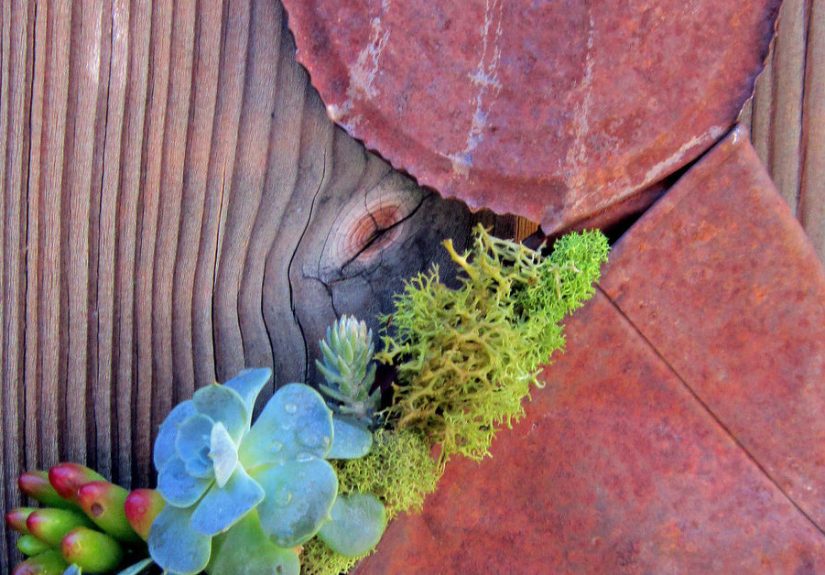
I put on gloves, checked the edges, and realized it was not safe enough to use as an open container. The rim was too rough. Instead of forcing it to become a planter, I used it as part of a small garden display. I placed a nursery pot with a tiny succulent behind it, tucked a few smooth stones around the base, and leaned the can against a scrap piece of wood. Suddenly it looked intentional. Not perfect, not polished, but interesting.
That little project changed the way I looked at damaged materials. A smashed rusty tin can is not useful because it is flawless. It is useful because it has texture, shape, and history. In a world full of shiny plastic containers and identical store-bought décor, a weathered can brings a little grit. It says, “I have seen things. Mostly rain. But still.”
Another time, I used a dented can as a paintbrush holder after covering the sharp rim with thick fabric tape. It sat on a workbench for months, holding brushes, pencils, and the occasional screwdriver that wandered in without permission. Every time I saw it, I remembered that organization does not have to be fancy. Sometimes the best storage solution is already in your recycling pile, wearing a little rust and a lot of personality.
The biggest lesson is to respect the material. Rusty metal is not something to treat casually. Gloves matter. Smooth edges matter. Knowing when to recycle instead of reuse matters. A project is only successful if it is safe. No rustic centerpiece is worth a cut hand or a risky food container. But when the can is cleaned, stabilized, and used wisely, it can become charming in a way that brand-new décor rarely is.
There is also something satisfying about rescuing an object from the edge of uselessness. You are not just making a planter or a pencil cup. You are practicing imagination. You are asking, “What else could this be?” That question is useful far beyond craft projects. It applies to old furniture, leftover fabric, scrap wood, and even awkward corners of a home that nobody knows how to decorate.
So yes, a smashed rusty tin can can be recycled. It can also become garden art, a rustic prop, a planter sleeve, a desk organizer, a craft experiment, or a conversation starter. It may never be glamorous, but that is part of the charm. Not every object needs to sparkle. Some just need a safe edge, a second chance, and maybe a succulent sitting nearby looking photogenic.
Conclusion: Give the Can a Job or Let It Go
A smashed rusty tin can can be surprisingly useful, but only when safety comes first. If it is clean, stable, and not dangerously sharp, it can become a rustic planter sleeve, garden accent, desk organizer, craft supply holder, lantern with LED lights, photography prop, or educational example of reuse. If it is too damaged, contaminated, or sharp, recycle it properly or dispose of it according to local rules.
The best approach is simple: inspect it, clean it, decide whether it is safe, and choose a project that matches its condition. A lightly dented can may become décor. A badly corroded can may be better as scrap metal. Either way, the humble tin can still has something to teach us about creativity, waste, and looking twice before throwing something away.







 Close
Close