
Table of Contents >> Show >> Hide
- What Is the Wemo Mini Smart Plug?
- Why the Wemo Mini Became So Popular
- Key Features That Defined the Experience
- Setup and Compatibility: The Fine Print Matters
- Everyday Performance: Good, Useful, and Sometimes a Little Fussy
- The Big 2026 Reality Check
- Who Should Consider the Wemo Mini in 2026?
- Final Thoughts
- Real-World Experiences With the Wemo Mini Smart Plug
If smart home gadgets had a gateway drug, it would probably be the smart plug. You do not need to rewire a wall, summon an electrician, or pretend you enjoy reading 47 pages of setup instructions. You plug the thing in, plug your lamp or fan into it, and suddenly your “dumb” device gets a digital upgrade. That simple promise is exactly why the Wemo Mini Smart Plug became such a recognizable name in the smart home category.
The Wemo Mini Smart Plug was built for people who wanted convenient automation without building a tiny NASA control room in the kitchen. It offered app control, voice commands, scheduling, and a compact design that did not hog the whole outlet like an overeager houseguest. For years, it was one of those products people bought to automate a single lamp and then, almost immediately, started eyeing the coffee maker, holiday lights, and bedroom fan like a mad scientist with Wi-Fi.
But here is the important 2026 reality check: the Wemo Mini has a real legacy, but it also has real limitations today. So this article takes a smart, honest look at what the Wemo Mini Smart Plug is, what made it popular, how it performs in day-to-day use, and why support changes matter if you already own one or are somehow still tempted to hunt one down online like a vintage smart-home relic.
What Is the Wemo Mini Smart Plug?
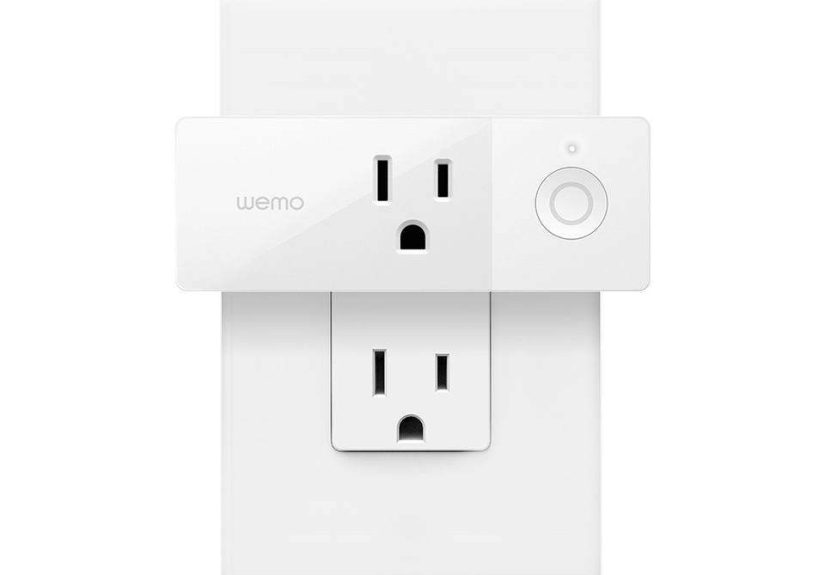
The Wemo Mini Smart Plug is a compact indoor smart outlet adapter designed to give remote and automated control to ordinary plug-in devices. In plain English, it lets you turn a lamp, fan, coffee maker, holiday lights, or other compatible appliance on and off using a phone, app, schedule, or voice assistant. That made it especially attractive for renters, beginners, and anyone who wanted smart home convenience without opening a toolbox.
One of the product’s biggest advantages was that it used your existing Wi-Fi network instead of requiring a separate hub. That lowered both the cost and the mental overhead. No extra bridge. No mystery box blinking under the TV stand. Just the plug, your router, and a little patience during setup. The Wemo Mini also earned points for being compact enough to avoid blocking the second outlet, which sounds like a small detail until you have used a bulky smart plug that behaves like it pays the electric bill.
Historically, the product worked with Apple HomeKit, Amazon Alexa, Google Assistant, and other automation services. That broad compatibility helped it appeal to households that were still figuring out which voice assistant they liked best. In smart-home terms, that flexibility was a big deal. It meant the Wemo Mini could play nicely with different ecosystems instead of demanding that your whole house swear allegiance to one digital overlord.
Why the Wemo Mini Became So Popular
1. It made old devices feel new
The beauty of a smart plug is that it upgrades the stuff you already own. A lamp becomes a scheduled wake-up light. A fan becomes part of your bedtime routine. Holiday lights stop requiring your annual winter ritual of crawling behind furniture like a determined raccoon. The Wemo Mini did not try to be flashy. It simply made ordinary devices more convenient, and that is often what sells best.
2. The design was refreshingly practical
Plenty of smart plugs have been functional but clunky. The Wemo Mini stood out because it was slim enough to keep the neighboring outlet usable. That practical footprint helped it feel less like a gadget experiment and more like a device you could actually live with. It also included a physical on/off button, which sounds obvious, but many smart-home products seem to forget that humans occasionally enjoy pressing a button without opening an app.
3. Scheduling and automation were the real stars
The real magic was not just remote control. It was automation. With the Wemo Mini, users could create schedules so lights came on before they arrived home, a fan started in the afternoon, or a coffee maker powered on at the same time each morning. The product also became known for its Away Mode, which randomized lighting patterns to make a home look occupied. That feature was a clever little security bonus and a lot more convincing than leaving one sad lamp on for eight straight hours.
4. It was beginner-friendly
The Wemo Mini was easy to understand. You did not have to learn advanced smart-home logic to appreciate it. Even users who were not deep into automation could grasp the value fast. Tell a plug to turn on a lamp at sunset, and you immediately feel like someone who has their life together. Whether that feeling survives the rest of the day is a separate issue.
Key Features That Defined the Experience
At its core, the Wemo Mini focused on useful basics rather than trying to be everything at once. It offered app control, voice control, scheduling, timers, and compact hardware. It connected over 2.4 GHz Wi-Fi, which was typical for smart-home products of its era, though it also meant some users had to pay attention during setup if their router combined multiple bands in a confusing way.
The plug was rated for standard indoor household use and generally suited for lights, fans, and similar devices that fell within its electrical limits. Like many smart plugs, it was not meant to be a magic box for every appliance in the house. Users still needed to respect wattage and safety requirements. Smart does not mean invincible. It just means the outlet has opinions now.
Another notable point is what the Wemo Mini did not emphasize. This was not primarily an energy-monitoring smart plug. If your goal was detailed power usage data and analytics, the Wemo Mini was more “I turn stuff on and off reliably” than “I produce spreadsheets about your floor lamp’s feelings.” That focus kept it simple, but it also made the product less feature-rich than some competitors.
Setup and Compatibility: The Fine Print Matters
For many people, setup was straightforward. Download the app, connect the plug, name the device, assign it to a room, and start building routines. When everything cooperated, the process felt fast and satisfying. When it did not, the experience could shift from “future of the home” to “why am I negotiating with a lamp at 10:42 p.m.?”
The Wemo Mini line had some nuances, especially around Apple HomeKit. Certain first-generation units required updated firmware for HomeKit support, while later versions supported HomeKit out of the box. That distinction mattered because it changed how users approached setup. Some units were better handled through the Wemo app first, while others could be added more directly through Apple Home. For Apple-heavy households, that was a major selling point because Siri control and Home automations made the device feel more seamless.
Compatibility with Alexa and Google Assistant also boosted its value. It meant the Wemo Mini was not locked into one ecosystem. If your home included an Echo speaker in one room and an iPhone in your pocket, the plug still made sense. That flexibility helped the product stay relevant longer than single-platform accessories that basically throw a tantrum when they meet the wrong app.
Everyday Performance: Good, Useful, and Sometimes a Little Fussy
In daily use, the Wemo Mini earned praise for the things that matter most: convenience, size, and practical automation. Users liked being able to automate table lamps, stack two plugs in one duplex outlet, and control devices without paying for a subscription or buying a hub. For many households, the plug solved annoyingly common problems in a delightfully low-drama way.
Still, the device was not universally adored. Some reviewers and customers noted occasional connectivity issues, setup hiccups, or app friction. That does not make it a bad product. It makes it a smart-home product, which is a category that occasionally behaves like it was raised by gremlins. In fairness, plenty of users found the Wemo Mini easy to set up and dependable once it was running, especially for simple routines like lamps and fans.
The best way to think about the Wemo Mini is this: when used for straightforward on/off automation, it often felt clever and helpful. When users expected it to behave like a flawless central brain for the house, it could test their patience. That is a common theme in smart home tech, and the Wemo Mini is no exception.
The Big 2026 Reality Check
This is the part that matters most for anyone reading about the Wemo Mini today. Belkin ended Wemo cloud services and app support for affected products on January 31, 2026. That change affects major features tied to the Wemo app and cloud-based integrations. In plain terms, the Wemo ecosystem is no longer the same product story it used to be.
For affected Wemo Mini models, that means remote access through Wemo and voice assistant integrations tied to those cloud services are no longer the safe, current assumption. New setup or reconfiguration through the Wemo app is also no longer available after that cutoff. That is a massive shift and one that any honest article about the Wemo Mini has to say out loud, in full volume, with no tiny footnote hiding in the corner.
There is one important exception: Wemo devices that were already configured with Apple HomeKit before the cutoff date can continue functioning through Apple Home. That means existing HomeKit users may still have a usable path forward. But for new buyers in 2026, the Wemo Mini is not the plug-and-play recommendation it once was. Buying one now without understanding that support history would be like adopting a retired racehorse and expecting it to moonwalk.
Who Should Consider the Wemo Mini in 2026?
If you already own a Wemo Mini and previously configured it with Apple HomeKit, there is still a case for keeping it in service. For a simple lamp, fan, or routine-based device inside an Apple Home setup, it may continue doing useful work just fine. Existing owners do not necessarily need to panic and throw their plug into a dramatic electronics graveyard.
For new buyers, though, the answer is a lot more cautious. The Wemo Mini is better understood today as a legacy smart plug with a respectable history rather than a top modern recommendation. It helped define an era of no-hub Wi-Fi automation, but the support changes significantly alter its value proposition. That is especially true for anyone who wants fresh setup, easy reconfiguration, or long-term confidence in a current ecosystem.
In other words, the Wemo Mini still deserves respect. It just no longer deserves blind enthusiasm.
Final Thoughts
The Wemo Mini Smart Plug earned its reputation the old-fashioned way: by being genuinely useful. It made smart homes more approachable, helped regular people automate everyday devices, and offered broad compatibility without demanding extra hardware. Its compact design, schedules, voice control, and Away Mode gave it lasting appeal, and for a long time it was easy to recommend.
But products do not exist in a vacuum. They exist in ecosystems, apps, firmware, and support timelines. And in 2026, that context matters as much as the hardware itself. The Wemo Mini is still an important smart-home product to understand, especially if you already own one. It just needs to be discussed honestly: as a clever, once-leading Wi-Fi smart plug whose current usefulness depends heavily on how, when, and where it was configured.
So yes, the Wemo Mini was smart. Yes, it was convenient. Yes, it helped countless lamps achieve their true potential. But the best article about it now is not one that pretends the story never changed. It is one that tells you the whole truth and still gives the little plug credit for the things it genuinely did well.
Real-World Experiences With the Wemo Mini Smart Plug
The most interesting thing about the Wemo Mini is that people rarely talk about it like a glamorous piece of tech. They talk about it like a tiny household assistant that quietly removes friction from daily life. A very common experience goes like this: someone buys one for a table lamp, gets mildly excited when they can turn the lamp on with their phone, and then becomes unreasonably proud of a living room light schedule. It is not dramatic, but it is satisfying in the way practical technology should be.
Many users have described the setup as easy when the home network behaves. The app walks them through the process, the plug joins the Wi-Fi, and within a few minutes they are issuing voice commands to Alexa, Google Assistant, or Siri like they have lived in a smart home for years. That first successful routine is usually what hooks people. A lamp switching on at sunset feels small until you realize you did not have to think about it. Suddenly, your home feels just a bit more polished and a bit less chaotic.
Another common experience is appreciation for the compact design. People notice immediately that the Wemo Mini usually leaves room for the second outlet, which sounds boring until you have used a larger smart plug that turns a two-outlet receptacle into a one-outlet monarchy. Owners often mention using two units in a single wall outlet, especially for lamps, seasonal decorations, or entertainment setups where outlet space is precious.
There is also a very human side to the appeal. Some buyers have shared how useful the plug became for parents, older adults, or family members who were initially skeptical of smart home tech. Once a person can say, “Turn on the lamp,” and it actually happens, resistance tends to melt. Convenience is persuasive. Nobody wants to admit a smart plug is helpful, and then suddenly they are asking for three more.
That said, not every experience has been smooth. A recurring complaint has been connectivity quirks or setup frustration, especially in homes with tricky Wi-Fi configurations. Smart plugs in general can be a little needy about network conditions, and the Wemo Mini was no exception. For some users, the product felt excellent once installed but mildly dramatic during initial pairing. That is the kind of issue that can sour a first impression, even if daily use improves afterward.
Overall, the lived experience of the Wemo Mini has usually been less about flashy innovation and more about practical wins. It helps people avoid fumbling behind furniture, automate bedtime lighting, control a fan from across the room, or make the house look occupied when they are away. In other words, the Wemo Mini succeeded when it made ordinary routines easier. And honestly, that is a pretty good résumé for a gadget that is basically an outlet with ambition.





 Close
Close