
Table of Contents >> Show >> Hide
- Quick Snapshot: What You’re Actually Buying
- The Design Story: “Timeless, Not Boring” (A Tough Assignment)
- Materials & Build: Molded Veneer Done Right
- Dimensions & Fit: The Part That Saves You From Regret
- Comfort: Low Back, High Standards
- Where the Visu Counter Stool Looks (and Works) Best
- Styling Tips: Making the Stool Look Like It Belongs (Not Like It Moved In Yesterday)
- Maintenance & Longevity: Keeping It Beautiful Without Becoming a Full-Time Stool Whisperer
- Buying Checklist: Make the Smart Choice (and Avoid the Return Shipping Saga)
- Is the Visu Counter Stool Worth It?
- Experiences With the Visu Counter Stool (The Real-Life Part, 500+ Words)
There are two kinds of counter stools in this world: the ones you buy because they’re “fine,” and the ones you buy
because you want your kitchen to look like it has a skincare routine. The Visu Counter Stool lives
firmly in the second categoryclean Scandinavian lines, warm wood energy, and just enough curve to keep things from
feeling like a geometry homework assignment.
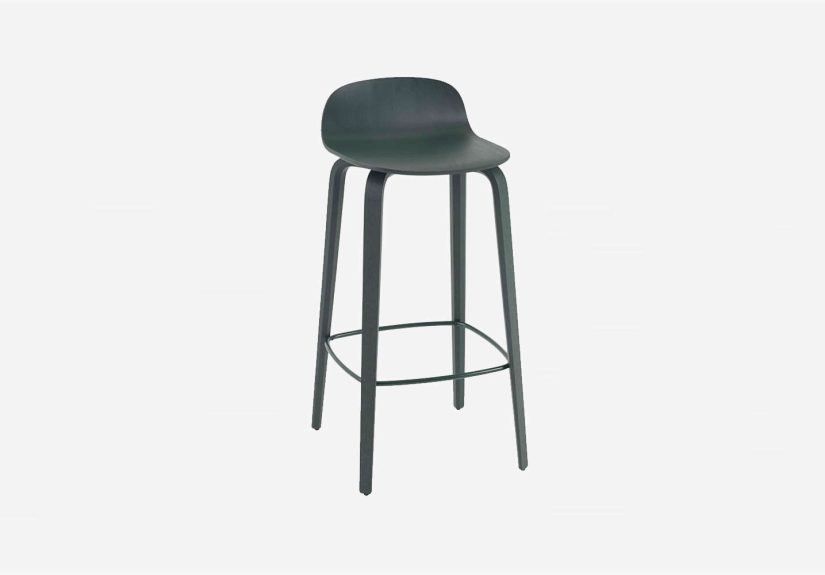
Designed for modern kitchens, breakfast bars, and hospitality spaces, the Visu is part of Muuto’s Visu seating family
and is known for its molded-veneer silhouette, slim legs, and a low, supportive back that says, “I’m here to help,”
without shouting, “I’m an ergonomic office chair!”
Quick Snapshot: What You’re Actually Buying
The Visu Counter Stool is a counter-height stool (seat height about 25.6 inches / 65 cm) made with a
form-pressed wood veneer shell and matching wooden legs. It typically includes a durable metal footrest, protective
glides, and finishes that range from natural oak to lacquered color options (availability varies by retailer and
configuration). In many U.S. shops, you’ll see it positioned as a premium, design-forward stooloften purchased for
kitchen islands and upscale commercial interiors.
The Design Story: “Timeless, Not Boring” (A Tough Assignment)
The Visu line was created by designer Mika Tolvanen with a simple mission: reinterpret the classic
plywood chair in a way that feels familiar, functional, and quietly distinctive. That’s harder than it sounds. “Simple”
design is like “natural makeup”it takes real skill to look effortless.
What makes Visu recognizable is the balance between gentle curves and long straight lines: the seat and low back are
softly contoured for comfort, while the legs stay slender and architectural. The result is a stool that works across
stylesScandinavian, modern, Japandi, even warmer transitional kitchenswithout stealing the whole show.
Materials & Build: Molded Veneer Done Right
At the heart of the Visu Counter Stool is form-pressed veneera technique that shapes thin layers of
wood into a smooth, durable curve. Depending on the version, you’ll commonly see oak or ash veneer with a
water-based lacquer finish. The lacquer helps protect against everyday mess (coffee drips, fingerprints,
and the occasional “who left a blueberry here?” mystery).
Footrest Details (Because Shoes Exist)
A counter stool without a footrest is basically a polite request for dangling-leg discomfort. Visu includes a metal
footrest that adds stability and handles repeated useimportant in busy kitchens and commercial spaces. Different
finishes may pair with different footrest materials (for example, powder-coated or stainless steel), so if you’re
pickyin the best waydouble-check your exact configuration.
Glides & Floor Friendliness
Many listings note protective glides, which matter more than most people realize. Glides help prevent scraping on
hardwood and can reduce that “nails on chalkboard” sound when someone scoots back dramatically to announce they are
“done with emails forever” (they are not done with emails).
Dimensions & Fit: The Part That Saves You From Regret
The Visu Counter Stool is designed for counters around the standard kitchen height range. A commonly listed spec for
the counter-height version is:
- Seat height: about 25.5–25.6 inches (65 cm)
- Overall height: about 31 inches (79 cm)
- Width: about 16.25 inches (41.3 cm)
- Depth: about 15.8 inches (40.1 cm)
Those numbers put it squarely in “kitchen island seating” territory. But the real key is the classic comfort rule:
aim for about 10–12 inches between the top of the seat and the underside of the counter. That gap is
what keeps knees from negotiating a hostile takeover.
Counter Height vs. Bar Height: Don’t Let Inches Ruin Your Vibe
In most homes, a standard kitchen counter is roughly 34–36 inches high. That typically pairs best with
a 24–27 inch seat height (hello, Visu Counter Stool). Bar-height surfaces are usually taller (often
around 40–42 inches) and need a taller stool (generally 28–33 inches seat height).
The Visu also comes in a bar-height option, so make sure you’re not accidentally buying the “cute but wrong” version.
How Many Stools Do You Need?
Rule of thumb: give each person enough elbow room so breakfast doesn’t turn into a synchronized shoulder bump.
Many design guides recommend planning spacing so stools aren’t jammed togethercommonly somewhere between about
6 and 15 inches between seats depending on stool width, traffic flow, and how “social” your household
is before caffeine.
If you’re planning seating at an island, consider not only spacing but also clearance behind the stools. Kitchens work
best when you can actually walk through them without performing side-step ballet. Design guidelines often suggest
maintaining generous circulation space around islands and seating zones when possible.
Comfort: Low Back, High Standards
“Comfort” can mean different things depending on whether your counter stool is used for 10-minute breakfasts or
2-hour laptop sessions. The Visu’s comfort comes from three design choices:
-
Curved seat and back: The molded veneer gives a gentle contour that supports the lower back without
feeling bulky. - Footrest placement: A stable footrest reduces leg fatigue and encourages a more natural seated posture.
- Balanced proportions: The stool looks light but doesn’t feel flimsy when you actually sit on it.
If your household treats the counter like a second dining table, you may want to consider upholstered versions (offered
by some retailers). Upholstery adds softness and warmth but also introduces maintenance considerationsspills, crumbs,
and the eternal question: “Is that coffee or chocolate?”
Where the Visu Counter Stool Looks (and Works) Best
1) Kitchen Islands and Breakfast Bars
Visu is built for the modern kitchen: it’s visually tidy, doesn’t block sightlines, and pairs especially well with
natural materials like light oak floors, white cabinetry, stone counters, and matte black hardware. If your kitchen
leans minimalist, Visu fits right in. If your kitchen leans eclectic, Visu can be the “calm friend” that balances
louder design choices.
2) Open-Plan Living Spaces
In open layouts, stools are always on display. The Visu’s slim profile matters hereit reads as intentional, not
clutter. And because the back is low, it won’t visually wall off your island from the rest of the room.
3) Restaurants, Cafés, and Hospitality
Many product descriptions position Visu as suitable for both private and professional interiors. The materials and
footrest durability are particularly important in commercial settings where stools see constant use. Plus, the design
is neutral enough to work with different conceptsfrom modern Nordic cafés to elevated casual dining.
Styling Tips: Making the Stool Look Like It Belongs (Not Like It Moved In Yesterday)
Match the Undertones
Natural oak finishes look best when their undertones align with your floor or cabinetry. If your kitchen has warm wood,
oak Visu stools can feel seamless. If your space is cool-toned (gray flooring, cooler stone), a darker or lacquered
finish can look sharper and more intentional.
Repeat a Metal Finish
The footrest introduces metal, so echo that metal elsewherecabinet pulls, faucet finish, pendant lighting, or even a
countertop appliance you actually keep out. Repetition makes a room feel “designed” rather than “assembled under
pressure.”
Don’t Forget Lighting
Counter stools live under pendant lights more often than not. If your stools are a quieter element, lighting can be the
statement. If your lights are bold, Visu helps keep the overall look balanced.
Maintenance & Longevity: Keeping It Beautiful Without Becoming a Full-Time Stool Whisperer
With lacquered wood veneer, day-to-day care is usually simple: wipe spills quickly, use a soft cloth, and avoid harsh
abrasives that can dull the finish. For households with kids (or adults who live like kids), consider placing stools so
they’re easy to pull out without scraping and remind everyone that the footrest is not a jungle gym rung.
What Will Show Wear First?
In many counter stools, the first wear appears on the footrest (scuffs from shoes) and on the front edge of the seat
(where belts, jeans rivets, and life happen). This is normal. If you want “showroom perfect” forever, you’ll need a
showroom and a “no pants with metal buttons” policywhich is… ambitious.
Buying Checklist: Make the Smart Choice (and Avoid the Return Shipping Saga)
-
Measure counter height properly: Measure to the underside of the counter and aim for that 10–12 inch
comfort gap. - Confirm stool height version: Counter (seat ~25.5″) vs bar (seat ~29.5″)don’t guess.
- Plan spacing: Make sure stools fit with comfortable elbow room and traffic flow behind them.
-
Pick a finish that fits your life: Natural wood is warm; darker finishes can hide wear; upholstery adds
comfort but increases cleaning needs. -
Consider who uses it most: If it’s daily seating for long sits, prioritize comfort and footrest feel.
If it’s occasional, prioritize style and easy maintenance.
Is the Visu Counter Stool Worth It?
If you want a counter stool that feels elevated but not flashy, Visu is a strong contender. You’re paying for design
restraint, quality materials, and a silhouette that stays relevant even as trends come and go (remember when everything
was “industrial farmhouse”? We survived).
It’s especially worth considering if you:
- Prefer a low-back stool that doesn’t visually dominate an island
- Want wood warmth without heavy, rustic bulk
- Need something that works in both home and hospitality settings
- Care about the details: molded veneer shape, balanced proportions, and finish quality
If you need a deep, lounge-like perch for long work sessions, you may prefer a fully upholstered, higher-back option.
But for most kitchens, Visu hits a sweet spot: comfortable enough, beautiful enough, and timeless enough to avoid “why
did we buy these?” energy.
Experiences With the Visu Counter Stool (The Real-Life Part, 500+ Words)
Let’s talk about how the Visu Counter Stool tends to feel in actual day-to-day lifebecause the best lighting and
prettiest product photos don’t show you the moment someone climbs up with a bowl of cereal, a phone charger, and the
confidence of a person who thinks they’ll answer “just one email.”
Morning Rush in a Family Kitchen
In a typical family kitchen, the Visu’s low back is a quiet win. It supports just enough to make quick breakfasts and
snack breaks comfortable, but it doesn’t turn the island into a wall. People can talk across the room, keep an eye on
the stove, and the stools tuck in neatly when not in use. Parents often appreciate that the stool looks “grown-up”
while still being easy to wipe down after the inevitable jam fingerprint incident. The molded veneer surface tends to
handle daily life well if spills are cleaned promptlyespecially compared to porous, fabric-heavy seating.
One practical note: the footrest will get used. A lot. Kids naturally find it, and adults subconsciously rely on it to
avoid the dangling-leg situation. Over time, scuffs on the footrest are normalthink of it as a patina of “we actually
live here.” If your household wears shoes indoors (or hosts often), expect more visible wear there than anywhere else.
Small Apartment, Big Design Goals
In smaller spaces, Visu shines because it’s visually light. Bulky stools can make a compact kitchen feel crowded; Visu’s
slim legs and low back keep the space open. People who live in apartments often use counter stools for everything:
meals, laptops, casual drinks with friends, and occasionally as a “temporary chair” pulled into the living room when
guests arrive. Visu’s clean lines make it easy to move around without it looking out of place in different zones of the
home.
Comfort-wise, it’s great for medium stretchesthink a relaxed breakfast, a coffee chat, or a quick work sprint. If you
routinely sit for hours, you may start wishing for upholstery or a higher back. That said, the curved seat and slight
back support make it noticeably more pleasant than a backless stool, especially when you’re perching rather than fully
settling in.
Café or Studio Use: The “Many People, Many Hours” Test
In hospitality settings, Visu’s appeal is twofold: it looks refined and it’s built for repeated use. The molded veneer
construction and metal footrest are practical choices for commercial traffic, and the stool’s proportions work well at
counters where people sit, chat, and leave without needing a full lounge chair experience. For café owners or studio
managers, the ability to maintain a consistent aesthetic mattersVisu’s timeless profile doesn’t clash with different
interior updates over time.
A subtle benefit in shared environments is the low back: it keeps sightlines open and reduces the “furniture clutter”
feeling, making the space feel calmer and more spacious. And yes, people will still swing their feet and tap the
footrest like it’s a drum solo. Visu generally tolerates that behavior better than more delicate-looking stools.
The Bottom Line on Experience
Living with the Visu Counter Stool is mostly about enjoying a stool that feels thoughtfully designed without demanding
extra attention. It’s the kind of piece that quietly makes your kitchen look more put togetherlike your countertops
just got promoted. If you measure correctly, choose the right height, and plan spacing, the day-to-day experience is
exactly what you want from a counter stool: comfortable enough, sturdy enough, and stylish enough that you don’t feel
the need to apologize for your furniture choices when guests come over.






 Close
Close