
Table of Contents >> Show >> Hide
- Why Viking Names Still Feel So Powerful
- What Makes a Viking Name Feel Authentic?
- How to Build a Better Viking Name Generator
- Historical Viking Names to Inspire Your Generator
- Mythology Names for an Epic Viking Name Generator
- Sample Viking Name Generator Results
- How to Choose the Right Viking Name for Your Purpose
- Experiences Related to a Viking Name Generator: Why People Keep Coming Back
- Conclusion
Note: This guide is based on real Viking-age naming traditions and Norse mythology, but the generated examples are creative, historically inspired combinations. In other words, epic and useful, without pretending every name here belonged to your actual 10th-century cousin with a longship and a dramatic beard.
If you have ever searched for a Viking name generator, chances are you were not looking for a boring list of names that all sound like they were invented by a microwave manual. You wanted something bold. Something old-world. Something that sounds like it could belong to a sea traveler, shield-bearer, skald, queen, seer, or a person who would absolutely win an argument by standing on a windy cliff and saying one sentence.
That is exactly why Viking names still fascinate people. They feel rugged, memorable, and rich with story. Some come from real historical figures of the Viking Age. Others come from Norse mythology, where gods, giants, warriors, and fate itself all seem to speak in names that hit like a hammer on a shield. A good Viking name generator should do more than throw random syllables into a helmet and shake it. It should understand the difference between historical Viking names and mythology names, and it should know why certain sounds, structures, and meanings feel authentically Norse.
In this guide, we will explore what makes a strong Viking name, how historical naming patterns worked, how mythology shaped famous Norse names, and how to build or use a Viking name generator that feels both fun and believable. Along the way, you will get plenty of examples, practical naming ideas, and a deeper appreciation for why Old Norse names still rule the internet like a very organized raid party.
Why Viking Names Still Feel So Powerful
The word “Viking” itself is tied to raiding and seafaring, but the people we call Vikings were not one uniform group with one exact naming style stamped onto every child at birth. They came from the Scandinavian world of the Viking Age, and their names reflected family ties, religion, honor, region, and reputation. That is part of the appeal. Viking names are not just labels. They are identity packed into a handful of sharp syllables.
Modern readers also love Viking names because they sit at the crossroads of history and mythology. A name like Leif feels adventurous because of Leif Erikson. A name like Erik feels fierce because of Erik the Red. A name like Freyja carries mythic beauty and battle energy. A name like Tyr sounds short, clean, and dangerous in the best possible way. These names survive because they sound good, mean something, and come with a story already attached.
That is the secret sauce for a great Viking name generator: it should create names that feel like they belong to a world of travel, kinship, conflict, memory, and legend.
What Makes a Viking Name Feel Authentic?
1. Historical roots matter
Historical Viking names were not fantasy gibberish. They came from real naming traditions preserved in runic inscriptions, saga literature, and later records. Many names used strong repeated sounds, clear consonants, and familiar elements tied to war, protection, gods, animals, or status. Some naming traditions also favored alliteration, repetition, or variation across generations, which helped families create names that sounded related without being identical.
That means a historically grounded Viking name generator should not just invent random names like “Zorvak Thundertoe.” That is not a Viking name. That is a rejected energy drink. Instead, it should work with name elements, known historical patterns, and family-style structures.
2. Patronymics make names feel real
One of the most recognizable features of Norse naming is the patronymic structure. Rather than using a modern fixed surname, many people were identified as the son or daughter of a parent. In plain terms, if your father was Gunnar, you might be called Gunnarson or Gunnarsdottir in later forms. This instantly makes a Viking name generator feel more grounded because it turns a single name into a family-linked identity.
Examples of historically inspired patronymic-style names include:
- Leif Gunnarson
- Astrid Halldorsdottir
- Runa Gudmundsdottir
- Ivar Erikson
- Signe Thorsteinsdottir
Even if you are creating names for fiction, games, or roleplay, this structure adds instant credibility.
3. Bynames and nicknames add personality
Viking and Old Norse naming was not always limited to a first name plus parent reference. Bynames and nicknames mattered too. That is why history remembers people as Erik the Red, Harald Bluetooth, and Ivar the Boneless. These descriptors could reflect appearance, deeds, reputation, personality, or something memorable enough that the community basically said, “Yes, that one. The weirdly unforgettable one.”
This gives a Viking name generator a second layer of magic. Once you have a core name, you can attach a byname such as:
- the Red
- Iron-Hand
- Whale-Rider
- Wolf-Heart
- Storm-Eye
- Raven-Mind
Now the name stops being a label and becomes a character.
4. Mythology brings thunder, prophecy, and style
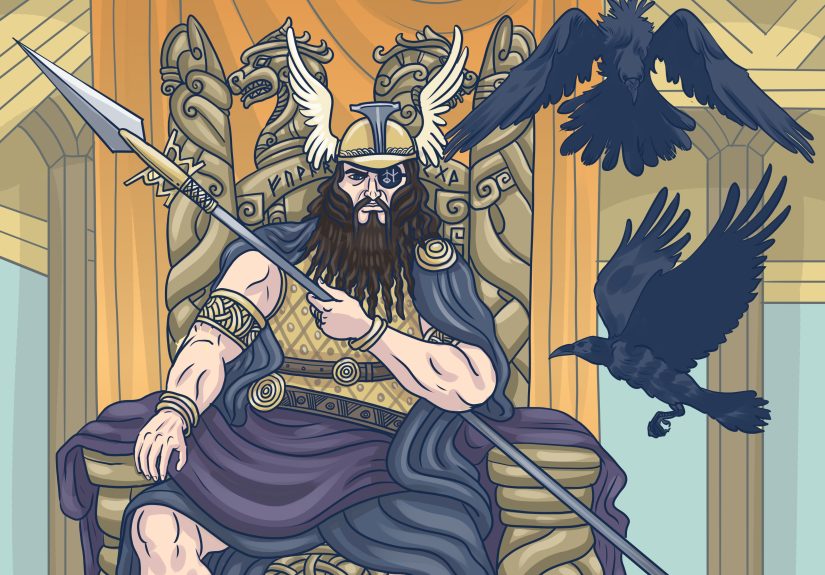
Historical Viking names and mythology names overlap, but they are not identical. Norse mythology gave the world unforgettable names like Odin, Thor, Frigg, Freyja, Freyr, Tyr, and Loki. These names carry enormous symbolic weight. Odin suggests wisdom, magic, kingship, and sacrifice. Thor signals strength, thunder, and protective force. Freyja brings love, beauty, battle, and death into one unforgettable package. Tyr feels disciplined and warlike. Frigg carries royal and maternal power. Loki, naturally, walks in like trouble wearing a nice smile.
A good Viking name generator should let users choose between historical Viking names and mythology-inspired Norse names. One sounds like a real person who might appear on a runestone. The other sounds like someone who may or may not own a wolf, a prophecy, and a cosmic grudge.
How to Build a Better Viking Name Generator
If you are building content around a Viking name generator, or simply trying to choose the best Viking name for a story, game, brand, or character, here is the smartest method.
Start with the category
- Historical: grounded in Viking-age naming patterns and known figures
- Mythology: inspired by gods, legendary beings, and saga-like tone
- Hybrid: realistic base name with a dramatic byname
Choose the structure
- Single name: Leif, Gudrid, Tyr
- Name + patronymic: Ivar Erikson, Runa Gudmundsdottir
- Name + byname: Erik Wolf-Heart, Freyja Storm-Eye
- Full style: Leif Gunnarson the Far-Sailed
Use historically inspired elements
Research on Old Norse names shows that many name elements leaned toward ideas like battle, war, swords, protection, and divine association. Thor-related elements were especially common in some Norse naming traditions. Even when you are being creative, using those themes helps the result sound far more believable than random fantasy noise.
For example, these meanings are well preserved in later surname and name traditions:
- Gunnar carries the idea of a battle warrior
- Gudmund ties together god and protection
- Halldor combines stone imagery with Thor
That gives you a practical formula: pick a strong historical name, add a patronymic if needed, then decide whether the person deserves a byname based on skill, appearance, or reputation.
Historical Viking Names to Inspire Your Generator
If you want your Viking name generator to feel grounded, start with real historical and saga-era names people already associate with the Norse world.
Male historical Viking name ideas
- Leif – adventurous, explorer energy
- Erik – classic and forceful
- Harald – kingly and sharp
- Ivar – lean, memorable, battle-ready
- Cnut – old royal weight
- Bjorn – one of the most recognizable Norse-style names
Female historical Viking name ideas
- Gudrid – wise, noble, traveled
- Freydis – fierce and saga-rich
- Astrid – elegant but strong
- Signe – bright and refined
- Runa – mysterious, literary, rune-adjacent in feel
- Thyra – regal and uncommon
These names work especially well in articles, games, fantasy settings, usernames, and creative writing because they are memorable without becoming impossible to pronounce. That matters. A great Viking name should sound impressive, not like a keyboard lost a wrestling match.
Mythology Names for an Epic Viking Name Generator
Now for the thunder section. Mythology names have huge SEO appeal because people search for them constantly, and for good reason. They are dramatic, recognizable, and loaded with symbolism.
Top Norse mythology names
- Odin – wisdom, kingship, magic, sacrifice
- Thor – thunder, strength, protection
- Freyja – love, beauty, battle, death
- Frigg – queenship, marriage, maternal power
- Tyr – war, courage, resolve
- Freyr – fertility, peace, prosperity
- Loki – trickery, intelligence, chaos
These names are excellent choices when you want a Viking name generator to feel bold and cinematic. Still, there is a smart distinction to make: deity names can be striking, but they often feel more symbolic than historical. So if someone wants a name for a believable Viking farmer, trader, or raider, Leif Erikson-style naming may feel better than naming him Odin Doomraven. Unless your project absolutely calls for Odin Doomraven, in which case, honestly, carry on.
Sample Viking Name Generator Results
Here are some polished, historically inspired examples divided by style.
Historical-style generated names
- Leif Halldorsson
- Ivar Gunnarson
- Astrid Gudmundsdottir
- Signe Eriksdottir
- Harald Thorsteinson
- Gudrid Leifsdottir
Historical name plus byname
- Erik Wolf-Heart
- Astrid the Sea-Born
- Leif Far-Sail
- Gudrid Storm-Mind
- Ivar Iron-Hand
- Harald Whale-Rider
Mythology-inspired Viking names
- Thor Raven-Spear
- Freyja Gold-Born
- Tyr Shield-Breaker
- Frigg Winter-Wise
- Odin Storm-Eye
- Freyr Bright-Field
The best results are usually the ones that balance authenticity with imagination. Too historical, and the generator may feel dry. Too wild, and it starts sounding like a metal band made entirely of weather forecasts.
How to Choose the Right Viking Name for Your Purpose
For writers and worldbuilders
Use historical Viking names if you want realism. Add a patronymic and a modest byname for depth. Reserve mythology names for priests, seers, champions, or characters with symbolic roles.
For games and roleplay
Choose names that sound punchy and are easy to remember in conversation. Ivar Storm-Eye and Freyja Wolf-Heart are easier to say repeatedly than ultra-complex constructions.
For usernames and online brands
Keep it short, powerful, and recognizable. TyrNorth, LeifRaven, FreyjaSkald, or ErikIron are cleaner than something so long it needs its own carrying case.
For educational or history content
Be honest about the difference between real Viking-age names and modern fantasy-inspired inventions. Readers appreciate the distinction, and search engines appreciate clear intent. That is a nice little win for both trust and SEO.
Experiences Related to a Viking Name Generator: Why People Keep Coming Back
One of the most interesting things about a Viking name generator is the experience people have while using it. They rarely arrive just to click a button and leave. They arrive curious, then suddenly get pulled into a whole atmosphere. That is the magic of strong naming. A simple search can turn into a mini adventure.
For fantasy readers and gamers, the experience is usually instant. They type in a few preferences, maybe choose “historical” or “mythology,” and suddenly the name on the screen feels bigger than expected. A character stops being a blank figure and starts feeling alive. “Leif Gunnarson” sounds like someone with sea salt in his beard and a history he is not ready to discuss. “Freyja Storm-Eye” sounds like the kind of person who enters a room and causes weather. That emotional reaction is why people save generated names, compare them with friends, and keep clicking for “just one more.” It is never just one more.
Writers often describe a different experience. For them, a Viking name generator can unlock a whole personality. They may not even know who their character is yet, but the right name gives the story a direction. A softer name may suggest diplomacy, travel, or wit. A harder, more forceful name may suggest war, leadership, or vengeance. The experience feels less like choosing and more like discovering. A name appears, and suddenly the writer thinks, “Ah. There you are.” That is a wonderful little creative shock.
History fans tend to enjoy the research side of the experience. They are not only hunting for something cool. They want something plausible. They want to know whether the name structure feels authentic, whether the byname sounds reasonable, and whether the mythology references are used correctly. For this audience, the best Viking name generator does not just entertain. It teaches. It quietly reveals how naming worked, why patronymics matter, and how mythic figures like Odin, Thor, Freyja, and Tyr shaped the cultural imagination of the Norse world.
Then there is the pure fun factor, which should not be underestimated. People use Viking name generators for baby name brainstorming, pet names, tabletop campaigns, online handles, team names, cosplay, and themed events. Some want a serious result. Others want something gloriously dramatic. Both are valid. One person wants a believable historical woman’s name for a novel set in Greenland. Another wants a raid-worthy display name for a gaming profile. Both leave happy if the generator understands tone.
The best experience, though, is when a name feels personal. Not literally ancestral. Not “I have now legally become a 10th-century ship captain.” Just personal in the sense that the name reflects a mood, identity, or aspiration. Maybe it sounds brave. Maybe it sounds wise. Maybe it sounds like someone who knows where the stars are and never packs light. That is why Viking names continue to resonate. They feel ancient, but they still give modern people a way to play, imagine, and connect with story. And frankly, that is a pretty excellent outcome for a bunch of old names that still know how to make an entrance.
Conclusion
A great Viking name generator does not rely on random noise and aggressive consonants alone. It draws from real historical naming patterns, Old Norse traditions, patronymics, and memorable bynames, while also embracing the irresistible pull of Norse mythology. The result is a tool that can serve writers, gamers, history lovers, and curious readers alike.
Whether you want a name inspired by Viking Age history, a mythology-rich title worthy of Odin or Freyja, or a hybrid that sounds authentic without being stiff, the key is balance. Keep one foot in history, one foot in legend, and both hands firmly on the oars. That way, your Viking name generator will produce names that feel bold, believable, and genuinely fun to use.







 Close
Close