
Table of Contents >> Show >> Hide
- What You’ll Learn (No Lab Coat Required)
- Zucchini Nutrition: The “How Is This So Light?” Breakdown
- 7 Health Benefits of Zucchini That Actually Belong in a Video
- 1) Hydration support (because crunching counts too)
- 2) Helps you eat more volume for fewer calories
- 3) Fiber for fullness, gut comfort, and steadier energy
- 4) Vitamin C: antioxidant support and tissue repair
- 5) Potassium for heart-friendly eating patterns
- 6) Antioxidants (including carotenoids) that support eye health
- 7) Easy to eat more vegetables (the most underrated benefit)
- How to Eat Zucchini for Maximum “Yes, I’d Eat That Again” Energy
- How to Make a Video on Zucchini’s Health Benefits (That People Actually Finish Watching)
- Sample Video Script + Shot List (Ready to Record)
- A Quick Safety Note: If It’s Bitter, Spit It Out
- FAQ: What Viewers Ask in the Comments (So You Can Answer Before They Type)
- Wrapping It Up (Without Pretending Zucchini Solves Everything)
- Real-Life Zucchini Experiences (Relatable, Slightly Chaotic, and Very Useful)
Zucchini is the underdog of the produce drawer. It’s not flashy like a dragon fruit, it doesn’t have a fan club like avocado, and it rarely gets invited to the “superfood” table. And yetzucchini quietly shows up with hydration, fiber, vitamins, and a very useful superpower: it can disappear into almost anything you’re cooking (or filming) without causing drama.
This guide is built for anyone creating, scripting, or optimizing a video on zucchini’s health benefitswhether you’re a wellness creator, a food blogger, or someone who just Googled “what do I do with the five zucchini my neighbor dropped off like a vegetable prank.” You’ll get the science-backed highlights, practical examples, and a ready-to-record video outline that doesn’t sound like a robot reading a nutrition label.
Zucchini Nutrition: The “How Is This So Light?” Breakdown
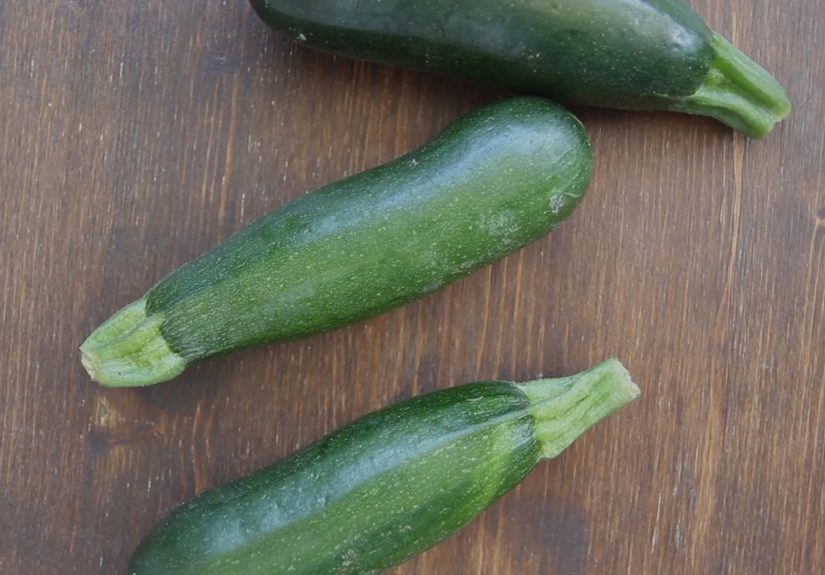
Zucchini (a summer squash) is famously low in calories and high in waterone reason it’s popular in weight-management meals and “I want seconds but not regret” recipes. A cup of raw zucchini is roughly about 20 calories, and zucchini is around 95% water, which helps explain why it’s so volume-friendly. In other words: you can eat a generous portion and still feel like you’re making sensible life choices.
Key nutrients you can mention in a video (without boring people)
- Water: hydration support and “high-volume, low-calorie” eating.
- Fiber: supports fullness and digestion; helps keep blood sugar steadier than low-fiber carbs.
- Vitamin C: antioxidant roles and tissue repair support.
- Potassium: linked with blood pressure support, especially when sodium intake is high.
- Carotenoids (like lutein and zeaxanthin): associated with eye-health support.
If you want a simple on-screen line, try: “Zucchini is mostly water, very low-calorie, and brings fiber, vitamin C, and potassium to the party.” It’s accurate, it’s punchy, and it doesn’t require your viewer to pause the video and do math.
7 Health Benefits of Zucchini That Actually Belong in a Video
1) Hydration support (because crunching counts too)
Zucchini is almost 95% water, so it can contribute to your daily fluid intakeespecially useful in warmer months, after workouts, or when your “hydration strategy” is mostly coffee. Hydrating foods won’t replace water, but they do help your body stay topped off while delivering nutrients.
2) Helps you eat more volume for fewer calories
If you’re trying to manage weightor just want a bigger platezucchini is a classic “add more food without adding a lot of calories” ingredient. Think: chopped zucchini in soups, shredded zucchini in meatballs, or zucchini ribbons mixed into pasta. You’re not “dieting.” You’re upgrading the ratio.
3) Fiber for fullness, gut comfort, and steadier energy
Zucchini contains both water and fiber, a combo that can help you feel full and support regular digestion. Fiber is also linked with better blood sugar control because it slows digestion and can reduce sharp glucose spikes after meals. For video-friendly phrasing: “Fiber helps slow things downin a good way.”
4) Vitamin C: antioxidant support and tissue repair
Vitamin C is a well-known antioxidant nutrient. It’s also involved in collagen formation and tissue repair (useful for skin, tendons, ligaments, and blood vessels), plus it supports iron absorption from plant foods. If you want to keep it snappy: “Vitamin C helps with repair work and antioxidant defense.”
5) Potassium for heart-friendly eating patterns
Potassium is often discussed in the context of blood pressure, particularly alongside sodium. Many Americans get more sodium than they need, and diets with more potassium-rich foods (fruits and veggies included) are commonly recommended as part of heart-healthy eating patterns. Zucchini contributes potassium in a low-calorie packagehelpful if you’re trying to build meals around vegetables instead of around “whatever was on sale in the freezer aisle.”
6) Antioxidants (including carotenoids) that support eye health
Zucchini contains antioxidants, including carotenoids like lutein and zeaxanthin. These pigments show up in many vegetables and are frequently mentioned in eye-health nutrition guidance. If your viewers spend hours staring at screens, they’ll love a line like: “Your eyes have favorite nutrients. Lutein and zeaxanthin are on the guest list.”
7) Easy to eat more vegetables (the most underrated benefit)
The best vegetable is the one you’ll eat consistently. Zucchini is mild, flexible, and rarely fights with other flavors. It’s a practical “gateway veggie” for kids, picky adults, and anyone who wants health benefits without feeling like they’re chewing on a lawn clipping.
How to Eat Zucchini for Maximum “Yes, I’d Eat That Again” Energy
Keep it simple
- Roast: toss with olive oil, garlic, black pepper; roast until edges brown.
- Sauté: quick pan cook to avoid sogginess; finish with lemon and parmesan.
- Grill: slice lengthwise; grill marks = instant credibility on camera.
- Raw: thin slices in salads with vinegar, herbs, and something salty.
Use zucchini like a “nutrition stealth agent”
Zucchini’s mild flavor means it blends into foods without hijacking the plot. That’s a big deal for busy households. Easy examples to mention (or show as B-roll):
- Shred into oatmeal muffins or quick bread for moisture.
- Dice into chili or tomato sauce to bulk it up.
- Add to scrambled eggs for volume and texture.
- Spiralize into zoodles for a lighter bowl.
Pro tip for flavor: zucchini loves saltbut don’t salt it too early if you’re filming. Salt draws out water, and watery zucchini is how “crispy side dish” becomes “sad puddle documentary.”
How to Make a Video on Zucchini’s Health Benefits (That People Actually Finish Watching)
Most nutrition videos fail for one of two reasons: (1) they sound like a textbook, or (2) they promise miracles. You’re going to do neither. Your goal is simple: make zucchini feel usefuland show viewers exactly how to use it.
A high-retention structure (3–5 minutes)
- Hook (0:00–0:15): “Zucchini is 95% water and about 20 calories per cuphere’s why that matters.”
- Nutrition snapshot (0:15–0:45): water + fiber + vitamin C + potassium.
- Top benefits (0:45–2:30): hydration, fullness, digestion, heart-friendly patterns, eye nutrients.
- Real food examples (2:30–3:45): roast, sauté, grill, zoodles, baking.
- Safety + myths (3:45–4:20): bitter zucchini warning; “zoodles aren’t required.”
- CTA (final 10 seconds): “Try one zucchini recipe this weekcomment which one.”
Video SEO tips (so your zucchini doesn’t live in the content void)
- Use a benefit-forward title: “Zucchini Health Benefits (Hydration, Fiber, Vitamin C) + 3 Easy Recipes”
- Say your keywords out loud in the first 30 seconds: “zucchini health benefits,” “zucchini nutrition,” “low-calorie vegetable.”
- Add chapters (timestamps) so viewers can jump to recipes or benefits.
- Thumbnail idea: a big zucchini + “95% WATER” + “20 CALS/CUP” (simple, bold, not cluttered).
Sample Video Script + Shot List (Ready to Record)
On-camera script (approx. 60–90 seconds)
Hook: “Zucchini is the quiet overachiever of the veggie world. It’s almost 95% water, super low in calories, and it packs fiber, vitamin C, and potassium.”
Benefit 1: “That water + fiber combo can help you feel full without a heavy calorie hitgreat if you’re trying to build a bigger plate.”
Benefit 2: “Vitamin C supports your body’s repair work and acts like an antioxidant helper.”
Benefit 3: “Potassium matters in heart-healthy eating patternsespecially when most of us get plenty of sodium.”
Benefit 4: “And zucchini contains carotenoids like lutein and zeaxanthinnutrients often linked with eye health.”
Practical close: “If you hate ‘healthy food,’ don’t worryzucchini is mild. Roast it, grill it, spiralize it, or shred it into muffins. Just don’t eat it if it tastes bitter.”
Shot list (B-roll ideas that make your video feel expensive)
- Close-up of slicing zucchini (knife sounds = oddly satisfying retention boost).
- Text overlay: “~95% water” while you squeeze a zucchini ribbon (quick, playful).
- Roasting tray going into oven; sizzling pan shot; grill marks close-up.
- Zoodles twirl shot (yes, it’s clichébecause it works).
- Muffin batter with shredded zucchini (the “wait, what?” moment).
- Taste-test moment with a quick warning caption: “If it’s bitter, don’t eat it.”
Friendly disclaimer line (keep it human)
“This is general nutrition info, not medical adviceif you have a specific condition, check with your clinician or a registered dietitian.”
A Quick Safety Note: If It’s Bitter, Spit It Out
Zucchini is safe for most people most of the time, but there’s a rare issue worth mentioning in a responsible health video: very bitter zucchini can signal higher cucurbitacins (naturally occurring compounds that can cause gastrointestinal distress). The practical rule is simple and memorable: if zucchini tastes unusually bitter, don’t eat it. This is especially relevant for homegrown squash grown under stress (like drought) or cross-pollination in gardens.
FAQ: What Viewers Ask in the Comments (So You Can Answer Before They Type)
Is zucchini “better” raw or cooked?
Both are great. Raw zucchini is crunchy and refreshing. Cooking can make it easier to eat larger amounts (and often tastes better). Nutrition shifts slightly with cooking and water loss, but zucchini stays a low-calorie, nutrient-helpful choice either way.
Are zucchini noodles healthier than pasta?
“Healthier” depends on your goal. Zoodles are lower in calories and carbs and can increase veggie intake. Pasta can still fit into a healthy diet, especially when paired with vegetables and protein. A smart middle path: do half pasta, half zoodlesyour taste buds and your plate both win.
Does zucchini help with blood sugar?
Zucchini is low in calories and provides fiber, and higher-fiber meals can help blunt blood sugar spikes. But no single food “controls” blood sugar on its own. The full meal pattern matters most.
What’s the easiest zucchini recipe for beginners?
Roast sliced zucchini at a high temperature with olive oil, garlic powder, salt, and pepper. Finish with lemon. If you can operate an oven timer, you’ve got this.
Wrapping It Up (Without Pretending Zucchini Solves Everything)
Zucchini’s health benefits aren’t magicthey’re practical. It’s hydrating, low-calorie, and brings fiber, vitamin C, potassium, and antioxidant compounds into meals people actually enjoy. The real win is consistency: zucchini is easy to cook, easy to film, and easy to repeat all week without palate fatigue.
If your next video needs a simple, credible nutrition message plus great-looking food footage, zucchini is a reliable star. Give your viewers facts they can use, recipes they’ll try, and a gentle reminder that health is built from patternsnot from a single heroic vegetable.
Real-Life Zucchini Experiences (Relatable, Slightly Chaotic, and Very Useful)
If you’ve ever bought zucchini with good intentions, you already know the first experience: optimism. Zucchini looks so easy. So wholesome. So… cooperative. Then you get home, put it in the fridge, and three days later it’s still therequietly judging you like a green, cylindrical to-do list. That’s why zucchini works so well for a “health benefits” video: your audience has a relationship with it, even if that relationship is mostly guilt and vague hope.
Another common zucchini moment: the “surprise abundance.” Someone’s garden explodes, and suddenly zucchini is being handed out the way people hand out flyers. You’ll hear lines like, “Please take two,” which is the neighborly version of, “I can’t be responsible for any more of these.” Viewers love when you acknowledge this reality and then offer solutions that don’t require artisanal equipment or a seven-step spiralizing ritual.
Then there’s the cooking experience most people share at least once: the soggy zucchini incident. It starts with confidence“I’ll sauté it!”and ends with a pan that looks like it hosted a tiny rainstorm. This is where your video can feel like a public service announcement: explain that zucchini is ~95% water, and that high heat + short cooking time helps keep it from turning into a puddle. A quick visual of salting zucchini and blotting it with a paper towel is oddly satisfying and instantly practical.
Zucchini also has a unique “stealth health” experience: it disappears into foods without starting a fight. People who claim they “don’t like vegetables” often tolerate shredded zucchini in muffins, meatballs, pasta sauce, or tacossometimes without realizing it. For families, this becomes a small victory that feels like a magic trick: the kids ate vegetables, nobody cried, and dinner didn’t turn into negotiations. In a video, showing zucchini being grated into a batter is the perfect “waitwhat?” moment that keeps viewers watching.
And finally: the taste-test experience. Most zucchini is mild. But once in a while, someone bites into a piece and immediately makes the face you make when you realize your “sparkling water” is actually vinegar. That’s your cue to educate: bitter zucchini can be a red flag, and the simplest advice is to avoid eating it if it tastes unusually bitter. Ending your video with that tiny, memorable safety note makes your content feel responsiblewithout turning the whole vibe into a scary documentary.
Bottom line: zucchini is practical health food because it’s easy to live with. It’s the vegetable equivalent of a low-maintenance friend who still helps you move. That’s not just a nutrition benefitit’s a lifestyle benefit. And it’s exactly why a well-made zucchini health benefits video can rack up views: you’re not selling perfection, you’re selling doable.







 Close
Close