
Table of Contents >> Show >> Hide
- What Is “Coke Nose,” Exactly?
- So, Does Vaseline Work for Coke Nose?
- When Vaseline Might Help a Little
- Why Water-Based Products Usually Make More Sense
- Other Tips for Relief That Are Actually Worth Trying
- When Coke Nose Needs a Doctor, Not Another Home Remedy
- Emergency Symptoms You Should Not Shrug Off
- Can Coke Nose Heal?
- If You Want Relief That Actually Lasts, Focus on the Cause
- Final Verdict: Vaseline for Coke Nose
- Common Experiences People Describe With Coke Nose Relief
- Conclusion
If your nose feels like it lost a bar fight with a cheese grater, you are not alone. “Coke nose” is the non-medical term people use for the irritation and damage that can happen when cocaine is repeatedly snorted. It often starts with dryness, burning, crusting, congestion, or nosebleeds. Then, because the human body enjoys drama, it can snowball into more stubborn problems like chronic irritation, infections, a whistling sound when you breathe, or even damage to the septum.
That is usually where the Vaseline question comes in. When your nose is painfully dry, petroleum jelly can seem like the obvious hero in the story. It is thick, soothing, cheap, and sitting in half the medicine cabinets in America next to mystery cough drops from 2019. But does it actually help a damaged nose? Kind of. Briefly. And not in the way most people hope.
This guide breaks down what Vaseline can and cannot do for coke nose, why it is not a true fix, and which relief strategies make more sense if your goal is to calm irritation while protecting your nasal tissue. We will also cover red-flag symptoms that mean it is time to stop trying home remedies and let an ENT specialist take the wheel.
What Is “Coke Nose,” Exactly?
“Coke nose” is not a formal diagnosis. It is a catchall phrase for the nasal irritation and structural damage linked to snorting cocaine. The reason this happens is pretty simple, even if the outcome is not: cocaine narrows blood vessels. That reduced blood flow can dry out and injure the lining of the nose over time. Repeated irritation may lead to crusting, inflammation, sores, bleeding, and tissue breakdown.
In mild cases, the symptoms can feel a lot like a nasty bout of winter dryness. In more serious cases, the problem goes well beyond “my nose is cranky.” Ongoing damage can affect the septum, the wall that separates your nostrils. If that tissue breaks down, a septal perforation can develop. That is the part nobody wants, because once a hole forms, symptoms can include whistling, repeated bleeding, painful crusting, weird airflow, and cosmetic changes to the nose in severe situations.
Common symptoms people describe
- Dryness that never seems to quit
- Burning or stinging inside the nostrils
- Scabbing or crusting
- Frequent nosebleeds
- Blocked breathing or congestion
- A bad smell inside the nose
- Pain or tenderness around the septum
- A whistling sound when breathing
- Reduced sense of smell
If that list feels uncomfortably familiar, the short version is this: your nose likely needs moisture, less irritation, and, in many cases, a proper medical look.
So, Does Vaseline Work for Coke Nose?
Vaseline can help temporarily with dryness. That is the honest answer. It acts as an occlusive, which means it sits on the surface and helps lock in moisture. If the inside of your nose feels dry, cracked, or painfully tight, a very small amount may seem soothing for a little while.
But here is the catch: soothing dryness is not the same thing as healing damaged tissue. Vaseline does not reverse inflammation, repair a perforated septum, restore injured blood vessels, or fix the underlying cause of the irritation. It is more like putting a cozy blanket over a problem that is still very much awake.
There is another issue. Petroleum jelly is not the best long-term product to use inside the nose on a regular basis. Some experts caution that repeated intranasal use can rarely lead to lipoid pneumonia if tiny amounts are inhaled into the lungs over time. That risk is not sky-high, but it is real enough that many clinicians prefer water-based options for routine nasal moisture.
Bottom line
Vaseline may offer short-term comfort for dryness, but it is not the best everyday strategy for coke nose. If your nose is irritated from cocaine use, the smarter move is to focus on stopping the irritation source, using gentler moisture options, and getting checked if symptoms are persistent or severe.
When Vaseline Might Help a Little
Let’s be fair to the jelly. There are situations where a tiny amount can feel helpful, especially when the issue is surface dryness near the nostrils rather than deeper injury. If the front of the nose is cracked, flaky, or irritated from repeated wiping, dry air, or minor bleeding, a small dab on the outer or front inner nostril area may reduce that sandpaper feeling.
Still, “may reduce discomfort” is not the same as “best choice.” If you need to keep reaching for it day after day, that is your clue that the nose needs a better plan.
Why Water-Based Products Usually Make More Sense
If you are trying to relieve nasal dryness, saline products are usually the more practical option. Saline sprays and saline gels add moisture without leaving a heavy oil-based coating behind. They are also commonly recommended to help loosen crusts, keep tissue from drying out further, and make the inside of the nose feel less like a desert with attitude.
Better options to try first
- Saline nasal spray: Good for gentle moisture throughout the day.
- Saline gel: Often more soothing than spray when dryness is intense.
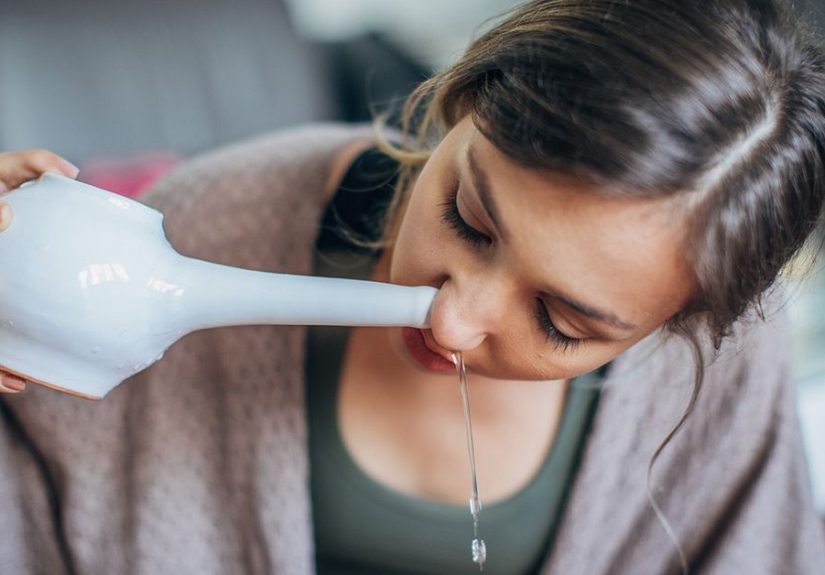
- Saline irrigation: May help rinse out crusts and dried blood if used gently and with sterile or properly prepared water.
- Cool-mist humidifier: Helpful if indoor air is dry and your nose is staging a protest.
- Water-based lubricant: A better routine choice than petroleum-based products for many people.
These products are not glamorous. No one has ever dramatically whispered, “Bring me the saline gel.” But they are often what irritated nasal tissue actually wants.
Other Tips for Relief That Are Actually Worth Trying
1. Stop putting irritating stuff in your nose
This is the most important part, even if it is also the least exciting. If cocaine use is ongoing, the nose keeps getting re-injured. Moisture products may reduce discomfort, but they cannot outrun repeated tissue damage. Relief gets a lot harder when the injury source is still clocked in full-time.
2. Use saline consistently
Consistency matters more than theatrics. Gentle saline spray a few times a day can help keep the tissue moist. If the inside of your nose is more crusted than dry, saline gel may feel better than a quick mist because it stays put longer.
3. Try humidified air
Dry indoor air can make everything worse. A cool-mist humidifier can help reduce that cracked, tight feeling, especially overnight. Just clean the humidifier regularly so it does not become its own weird side quest.
4. Do not pick crusts
Yes, they are annoying. Yes, it is tempting. No, your nose does not appreciate your excavation project. Picking crusts can reopen bleeding areas, worsen irritation, and slow healing. If crusting is stubborn, soften it first with saline or gentle moisture instead of going full archaeologist.
5. Be careful with decongestant sprays
Over-the-counter decongestant sprays can sometimes seem helpful for a very stuffy nose, but using them too long can backfire. Rebound congestion is real, and it is deeply rude. In general, these sprays should not be used for more than a few days unless a clinician tells you otherwise.
6. Stay hydrated
No, drinking water is not a magical cure for every human problem. But when nasal tissue is dry and irritated, hydration can still support more comfortable mucus and less crusting.
7. Watch for infection or structural damage
If you have foul odor, thick discharge, worsening pain, fever, facial pressure, or one-sided symptoms that keep lingering, it is time to get evaluated. Those are not “just dry nose” vibes anymore.
When Coke Nose Needs a Doctor, Not Another Home Remedy
Home care has limits. If any of the following are happening, make an appointment with a primary care clinician or an ENT specialist:
- Frequent or heavy nosebleeds
- Whistling when you breathe through your nose
- Pain that is getting worse, not better
- Persistent crusting or sores
- Bad smell or pus-like drainage
- Trouble breathing through one or both nostrils
- Visible collapse, denting, or a hole inside the nose
- Symptoms lasting more than a couple of weeks despite home care
An ENT may examine the inside of the nose with a scope and check for a septal perforation, infection, chronic inflammation, or other damage. Treatment can range from topical therapies and humidification advice to more advanced management if structural injury is present.
Emergency Symptoms You Should Not Shrug Off
Get urgent help right away if you have severe bleeding that does not stop, chest pain, trouble breathing, facial swelling, confusion, severe headache, or signs of overdose. That last one matters more than ever because the illicit drug supply can be unpredictable, and cocaine may be contaminated with fentanyl or other substances. If someone is hard to wake up, has slowed breathing, or turns blue or gray around the lips, call 911 immediately and give naloxone if it is available.
Can Coke Nose Heal?
Sometimes, yes. It depends on how much damage has already happened. Mild irritation and dryness can improve when the nose is no longer being repeatedly exposed to an irritant and when the tissue is kept moist and protected. But structural injury, especially a septal perforation, does not usually resolve with Vaseline, saline, or good intentions alone.
That is why early attention matters. A dry, bleeding, crusty nose is easier to manage than a nose with established tissue loss. In other words: this is one of those situations where denial is not a skincare routine.
If You Want Relief That Actually Lasts, Focus on the Cause
There is no elegant way to say this, so here is the straightforward version: if cocaine is causing the damage, the best long-term relief comes from stopping the exposure and getting support if stopping is hard. You do not need to wait until things are catastrophic to ask for help. Support can start with a primary care visit, a mental health professional, an addiction specialist, or a treatment locator such as SAMHSA’s FindTreatment resources.
That is not moralizing. It is just practical. Your nose is a tissue-lined structure with a finite tolerance for chaos.
Final Verdict: Vaseline for Coke Nose
Vaseline can provide brief comfort for dryness, but it is not a real treatment for coke nose. It does not repair tissue damage, it is not the best long-term option inside the nose, and it can create its own problems if used regularly over time. If your symptoms are mild, saline spray, saline gel, humidified air, and hands-off healing habits are usually better bets. If symptoms are persistent, painful, or weirdly whistly, it is time to get checked.
Your nose is not being dramatic. If it feels bad, it probably needs more than a dab of petroleum jelly and a pep talk.
Common Experiences People Describe With Coke Nose Relief
One thing that comes up again and again in real-life conversations about coke nose is how easy it is to underestimate it at first. A lot of people say the problem starts small. They notice a little dryness, maybe some mild burning, maybe a bloody tissue here and there, and they assume it is allergies, weather, or the heating system turning the bedroom into a baked potato. So they ignore it. Then a few days or weeks later, the inside of the nose feels raw all the time, crusting gets heavier, and every breath feels like it is passing over a paper cut.
Another common experience is the “temporary fix trap.” People try something thick like Vaseline because it feels instantly soothing. For an hour or two, it can seem like the problem is solved. The nose feels less tight, the sting calms down, and breathing may feel a little less harsh. Then the dryness comes back. That cycle can make people keep reapplying it, hoping the next dab will somehow become the magical one. Usually, it does not. What many people eventually realize is that the product is covering the discomfort, not changing the reason the discomfort keeps returning.
Saline products tend to get a different kind of review. They are not exciting, and no one is writing poetry about nasal gel, but people often describe them as more consistently helpful. Instead of feeling coated, the nose feels less angry. Crusts soften. Bleeding is less frequent. Breathing feels less scratchy. The improvement is usually not dramatic in a movie-montage way. It is more like realizing, halfway through the day, that your nose has not been demanding your full attention every five minutes. Honestly, that counts as progress.
Humidifiers get mixed reviews mostly because people forget to clean them, place them badly, or expect them to perform miracles in one night. But when they are used correctly, a lot of people say mornings are easier. Less dried blood. Less “why does my nostril feel glued shut?” energy. Less waking up feeling like the air in the room was filtered through a toaster oven.
Then there is the moment some people describe when the symptoms stop feeling merely irritating and start feeling unsettling. Maybe there is a faint whistling sound when breathing. Maybe the nosebleeds become more frequent. Maybe one side smells bad, or the pain becomes more pinpointed. That is often when the tone shifts from “I can fix this at home” to “I should really let a doctor look at this.” People who do get evaluated often say the biggest surprise is not always the diagnosis. It is the realization that they waited because the problem felt embarrassing, not because it felt minor.
The most encouraging experiences usually come from people who stop re-irritating the tissue, use gentle moisture consistently, and get medical help when something feels off. They often describe improvement as gradual rather than instant. Less bleeding first. Then less crusting. Then fewer moments of random stinging or panic. It is not glamorous, but relief tends to come from boring, steady care far more than from one miracle product. Sorry to Vaseline, but this is not really its championship event.
Conclusion
If you were hoping for a simple yes-or-no answer, here it is: Vaseline might make coke nose feel better for a little while, but it is not the best solution and definitely not the whole solution. A nose irritated by cocaine needs moisture, less trauma, and sometimes medical care. Saline spray, saline gel, humidified air, and early evaluation for persistent symptoms are the smarter, safer moves. And if the underlying cause is ongoing cocaine use, lasting relief starts with addressing that too.





 Close
Close