
Table of Contents >> Show >> Hide
- What uveitis is (and why symptoms can look so different)
- Key uveitis symptoms your eye may throw at you
- Symptom “fingerprints” by uveitis type
- Red flags: when “red eye” becomes “get checked today”
- Identifying serious underlying conditions: what uveitis can be “pointing” to
- How clinicians connect the dots: tests that actually have a purpose
- Treatment overview: why “just wait it out” is not the vibe
- Practical tips if you’re navigating uveitis symptoms right now
- FAQ
- Conclusion
Your eye is not “being dramatic.” If it’s red, achy, light-sensitive, and acting like it just watched a sad movie on a
4K screen, it may be trying to tell you something important.
Uveitis is inflammation inside the eyeoften involving the uvea (the middle layer of eye tissue), but it can
also affect nearby structures like the retina and vitreous. The reason it matters: uveitis can move fast, feel miserable,
andwithout proper treatmentraise the risk of complications that threaten vision. Even more importantly, uveitis can be
the first clue to an underlying condition elsewhere in the body, from autoimmune disease to infections that need
specific medication.
This guide breaks down the most common uveitis symptoms, the “pattern recognition” that helps separate
routine irritation from urgent eye inflammation, and the systemic conditions clinicians look for when uveitis shows up
like an uninvited party guest.
What uveitis is (and why symptoms can look so different)
Uveitis is typically classified by where the inflammation is happening. That location strongly influences how it feels
and what you notice day to day.
Four main types
- Anterior uveitis (often called iritis): inflammation toward the front of the eye.
- Intermediate uveitis: inflammation mainly in the vitreous area (the gel-like substance inside the eye).
- Posterior uveitis: inflammation toward the back of the eye, often involving the retina/choroid.
- Panuveitis: inflammation affecting the front, middle, and backbasically the “full-house” version.
Translation: some uveitis feels like a classic “red, painful eye,” while other forms show up as floaters or blurry vision
with surprisingly little redness. That’s why symptom patterns matter.
Key uveitis symptoms your eye may throw at you
Uveitis symptoms can appear suddenly or creep in gradually. People often report one or more of the following:
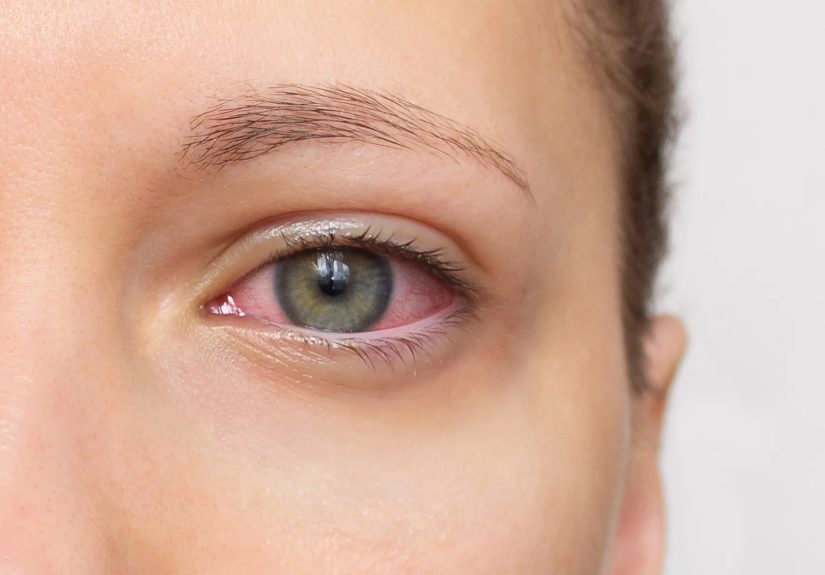
- Eye redness (often deeper than typical “pink eye” and sometimes concentrated around the iris)
- Eye pain or aching (mild to severe)
- Light sensitivity (photophobiayour eye hates bright light, phone screens, and the sun equally)
- Blurred vision (ranging from mild haze to significant vision changes)
- Floaters (dark specks, cobwebs, or “pepper flakes” drifting through your vision)
- Decreased vision or dimness
- Tearing and sometimes headache
A useful rule of thumb: pain + light sensitivity should raise suspicion for deeper inflammation (not just a surface issue),
while floaters + blurred vision can hint at inflammation deeper in the eyeeven if the eye isn’t very red.
Symptom “fingerprints” by uveitis type
Not every case reads the textbook, but these patterns are common enough to be clinically useful.
| Type | Where it is | Typical symptom vibe |
|---|---|---|
| Anterior | Front of the eye | Pain, redness, strong light sensitivity, sometimes a smaller/irregular pupil |
| Intermediate | Vitreous area | Floaters and blur; redness/pain may be mild or absent |
| Posterior | Back of the eye (retina/choroid) | Floaters, blur, blind spots; often minimal redness |
| Panuveitis | Front to back | Combination: pain/redness plus floaters and vision loss risk |
Anterior uveitis: the “why does light feel illegal?” version
Anterior uveitis often presents with a classic cluster: red eye, aching pain, and photophobia. People may describe a deep
soreness rather than a scratchy “something in my eye” feeling. Vision can blur, especially if inflammation is significant.
This form is common, frequently treatable, and often the type that pushes people to seek care quicklybecause it’s hard to
ignore a fluorescent-lit grocery store when your eyeball is staging a protest.
Intermediate uveitis: the “floaters stole my focus” version
Intermediate uveitis is often more about floaters and haze than pain. Someone might say, “It’s like dust in my vision” or
“I keep swatting at invisible gnats.” Because discomfort can be mild, this type sometimes lingers longer before diagnosis.
If floaters are new or rapidly worsening, it’s worth prompt evaluation.
Posterior uveitis: the quiet troublemaker
Posterior uveitis involves the back of the eye, where the retina does the delicate job of turning light into vision.
Symptoms can include blurred vision, floaters, blind spots, and visual distortion. Pain and redness may be minimal, so it can
feel deceptively “not that serious” until vision is clearly affected.
Red flags: when “red eye” becomes “get checked today”
Uveitis is one reason eye specialists take “red eye” seriously. Seek urgent evaluation (same day if possible) if you have:
- Eye pain with light sensitivity
- Sudden vision loss, a dramatic drop in clarity, or a curtain-like shadow
- New floaters that are rapidly increasing, especially with flashes of light
- One very red eye that feels deep/achy rather than mildly irritated
- Symptoms after eye injury or chemical exposure
- Weakened immune system (e.g., chemotherapy, transplant meds, advanced HIV) plus eye symptoms
- History of autoimmune disease plus new eye pain/redness/blur
This isn’t about panicit’s about timing. Some uveitis-related complications (like retinal swelling or glaucoma from inflammation)
are more preventable when addressed early.
Identifying serious underlying conditions: what uveitis can be “pointing” to
Many cases of uveitis are labeled idiopathic (meaning a cause isn’t found), but clinicians stay alert because uveitis can
also be a sign of broader disease. The goal isn’t to turn every irritated eye into a medical mystery novelit’s to catch
the important stuff that changes treatment and long-term health.
Autoimmune and inflammatory conditions (the “immune system got confused” bucket)
Non-infectious uveitis is frequently linked with autoimmune or inflammatory diseases. Clues often come from symptoms outside
the eye, such as joint pain, skin changes, mouth ulcers, or GI issues.
-
HLA-B27–associated spondyloarthritis (including ankylosing spondylitis, reactive arthritis, psoriatic arthritis):
often linked to recurrent anterior uveitis. Helpful clues: chronic low back pain that improves with movement, morning stiffness,
tendon pain (like Achilles), or psoriasis-like skin changes. -
Inflammatory bowel disease (Crohn’s disease or ulcerative colitis): may be associated with eye inflammation.
Clues: persistent diarrhea, abdominal pain, blood in stool, weight loss, or flares that correlate with GI symptoms. -
Sarcoidosis: can cause uveitis and other eye findings. Clues: chronic cough, shortness of breath, fatigue,
skin lumps/rashes, or enlarged lymph nodes. Sometimes there are no obvious symptoms until imaging or lab work points the way. -
Behçet disease: can cause recurrent, sometimes severe uveitis. Clues: recurrent painful mouth or genital ulcers,
skin lesions, and systemic inflammation. -
Juvenile idiopathic arthritis (JIA) in children: uveitis may be subtle and develop slowly, which is why screening
matters. Clues can include joint pain/swelling, fatigue, or a known JIA diagnosis. -
Multiple sclerosis and other inflammatory neurologic conditions can sometimes be linked with intermediate uveitis.
Clues: neurologic symptoms like numbness, weakness, or vision issues not explained by the eye exam alone.
Important nuance: having uveitis doesn’t automatically mean you have one of these conditions. But uveitis can be the first
visible signespecially in people who’ve been ignoring “random” symptoms like back stiffness or recurring mouth ulcers.
Infectious causes (the “don’t just suppress ittreat the germ” bucket)
Some uveitis is triggered by infection. This matters because treatment isn’t just anti-inflammatory dropsspecific antimicrobial
therapy may be needed. Clinicians often consider infections when uveitis is severe, recurrent, atypical, or in patients with
higher risk exposures.
-
Syphilis: can involve almost any eye structure and is a well-known “masquerader.” Ocular syphilis often presents as
posterior uveitis or panuveitis and requires prompt evaluation and treatment. - Tuberculosis (TB): may be considered depending on risk factors, travel history, and systemic symptoms.
-
Herpes viruses (HSV/VZV): can cause uveitis, sometimes with eye pressure elevation and distinctive findings on exam.
Clues: history of cold sores, shingles, or recent vesicular rash. - Lyme disease (in endemic regions): may be part of the differential diagnosis depending on geography and tick exposure.
- Toxoplasmosis and other retinal infections: more likely to affect the back of the eye and vision.
If you’re thinking, “Wow, my eye can be caused by a lot,” you’re right. That’s why the workup is usually targetedbased on exam
findings, symptom pattern, and your personal risk factors.
Masquerade syndromes (rare, but real)
In a small subset of cases, eye inflammation-like symptoms can be caused by non-inflammatory problems that look like uveitis,
including certain cancers (like intraocular lymphoma) or other structural eye disorders. Red flags include older age, unusual
presentation, or poor response to standard therapy. This is one reason ophthalmologists take a detailed history and follow response
to treatment closely.
How clinicians connect the dots: tests that actually have a purpose
A proper uveitis evaluation starts with a detailed eye exam. That typically includes:
- Slit-lamp exam to look for inflammatory cells and “flare” in the front chamber
- Dilated exam to evaluate the retina and optic nerve
- Eye pressure measurement (uveitis can raise pressure; steroids can too)
- Imaging when needed (for example, OCT to check for macular swelling)
Then comes the detective workselective detective work. Many specialists avoid random “everything labs” and instead tailor
testing based on your uveitis type, recurrence, age, exam findings, and symptoms outside the eye. Depending on the situation,
the clinician may consider:
- Syphilis testing (because it’s treatable and can mimic other diseases)
- TB screening (based on risk)
- HLA-B27 testing (especially with recurrent acute anterior uveitis)
- Chest imaging and/or labs to evaluate for sarcoidosis in appropriate cases
- Inflammatory markers or rheumatologic evaluation when systemic symptoms are present
The big picture: uveitis is often managed by an eye specialist, but identifying an underlying systemic cause may involve
coordination with rheumatology, infectious disease, pulmonology, gastroenterology, or pediatrics.
Treatment overview: why “just wait it out” is not the vibe
Treatment depends on the type and cause, but the immediate goal is consistent: control inflammation and protect vision.
Common treatment approaches include:
- Corticosteroid eye drops (often the first-line for anterior uveitis)
- Dilating drops to reduce pain from iris spasm and help prevent adhesions
- Oral steroids or local injections for more severe cases or posterior involvement
- Immunomodulatory therapy (steroid-sparing medications) for recurrent/chronic non-infectious uveitis
- Antimicrobials when infection is the driver (this is why diagnosing the cause matters)
Follow-up isn’t optional because uveitis can relapse, and both inflammation and treatment can affect eye pressure and lens clarity.
Untreated or poorly controlled uveitis can lead to complications such as glaucoma, cataracts, macular edema (retinal swelling),
retinal detachment, optic nerve damage, and permanent vision loss.
Practical tips if you’re navigating uveitis symptoms right now
- Don’t self-diagnose “pink eye.” If you have pain, photophobia, or vision changes, prioritize an eye exam.
-
Track your symptoms. Note whether it’s one eye or both, when it started, and what else is happening in your body
(back pain, joint swelling, GI symptoms, rashes, mouth ulcers, fevers). -
Take drops exactly as prescribed. Uveitis drops often start frequent and taper slowlythis is not the moment to
freestyle your dosing. - Protect your eyes from light. Sunglasses can help with photophobia while inflammation calms down.
-
Ask about the “why.” If uveitis is recurrent, bilateral, or severe, ask what underlying conditions are being considered
and why certain tests are (or aren’t) recommended.
FAQ
Is uveitis contagious?
Uveitis itself isn’t contagious. If it’s caused by an infection, that underlying infection may be transmissible in other ways,
but most uveitis is inflammatory rather than contagious.
Can uveitis affect both eyes?
Yes. It can affect one eye or both. In some cases, systemic inflammatory conditions are more likely to involve both eyes.
Does uveitis come back?
It can. Some people have a single episode; others have recurrent flares, especially when an underlying systemic condition is present.
Long-term management is often about preventing relapses while protecting vision.
Conclusion
Uveitis symptomsredness, pain, light sensitivity, floaters, and blurred visionare more than a nuisance. They can be the eye’s way of
waving a bright red flag (sometimes literally) that deeper inflammation is happening. The most important move is simple:
get evaluated promptly, especially if pain, photophobia, floaters, or vision changes are involved.
From there, the work becomes thoughtfulnot frantic. Clinicians treat the inflammation to protect vision, then look for clues
that point to an underlying cause. Sometimes it’s isolated. Sometimes it’s the first sign of an autoimmune condition, or an infection
that requires targeted therapy. Either way, timely care makes a huge difference.
Bonus: common experiences people share (about )
People often describe uveitis in ways that don’t sound “medical” at allwhich is part of why it gets mistaken for routine irritation.
Here are a few real-world patterns clinicians hear again and again (presented as illustrative composites, not diagnoses):
1) “I thought it was pink eye… but the light hurt.”
This is the classic anterior uveitis story. Someone notices redness and assumes it’s allergies or conjunctivitis. Then the plot twist:
stepping outside feels like staring directly into the sun. The pain is deep and achy, not scratchy. Often, they realize something’s off
when they can’t tolerate screens or bright roomsbasically when their eye becomes the world’s least flexible coworker.
An exam shows inflammation inside the eye, and steroid drops plus proper follow-up help calm things down quickly.
2) “My vision was blurry… but my eye didn’t look that red.”
This is a common posterior or intermediate uveitis presentation. Instead of dramatic redness, the main complaints are floaters (“like pepper
sprinkled in my vision”), haziness, or a new smudge that doesn’t blink away. Because the eye isn’t obviously angry-looking, people may wait.
But inflammation near the retina can threaten vision quietly, so these symptoms deserve a prompt dilated examespecially if they’re new
or worsening.
3) “The eye problem led to a whole-body diagnosis.”
Sometimes uveitis becomes the first domino. A person gets treated for recurrent anterior uveitis, and the ophthalmologist asks questions that
seem unrelated: “Any back pain? Morning stiffness? Psoriasis? GI issues?” That line of questioning can uncover a spondyloarthritis pattern,
inflammatory bowel disease, or sarcoidosis. Many people are relieved to finally connect symptoms they’d been treating as “random” for years.
It’s not that everyone with uveitis has systemic diseaseit’s that uveitis can be an early clue when it’s there.
4) “My child didn’t complainthen screening caught it.”
In children, especially those with juvenile idiopathic arthritis, uveitis may develop slowly and quietly. Parents may not notice redness or
pain. A child might simply squint, avoid bright light, or say words like “my eyes are tired.” That’s why routine screening with a pediatric
ophthalmologist is emphasized in high-risk kids. Catching inflammation early can prevent long-term complications.
5) “I didn’t realize infections could do this.”
Some patients are surprised to learn infections like syphilis or TB can inflame the eye. Clinicians consider these causes based on history,
exam findings, and risk factorsbecause missing an infectious cause can delay the right treatment. The takeaway isn’t fear; it’s precision.
When the cause is identified, therapy can be targeted, and outcomes often improve.
If you recognize yourself in any of these stories, the best next step is the same: a timely eye evaluation and a clear plan for follow-up.
Your vision is worth being “that person” who schedules the appointment.






 Close
Close